The first night you noticed it, the kitchen had already gone quiet. You pressed Start, the dishwasher hummed, and you expected clean plates before your favorite show ended.
Two episodes later, it was still running — long enough to make you wonder if something was wrong or if modern machines simply take longer than the old clunky one you replaced last year.
The truth is that cycle length isn’t a single fixed number. It depends on factors like soil level, water temperature, cycle type, and the machine’s energy-efficiency design.
What feels slow is often the result of smart sensors and eco-friendly programs that use less water and electricity while still aiming for spotless dishes.
Understanding how long a dishwasher should take helps you plan your cleanup routine, reduce energy bills, and avoid unnecessary service calls. A normal cycle can range from just over an hour to more than three — and that wide gap often confuses users.
Some dishwashers purposely extend wash time to save energy and water, while others run faster using higher heat and more powerful spray. In both cases, the result should be the same: sparkling clean dishes.
This guide explains what “complete wash” really means, why cycle times vary, how to shorten them safely, and what signs suggest a problem. You’ll also learn which settings to choose for different loads and how simple maintenance can keep cycle times consistent for years.
What Happens During a Complete Dishwasher Cycle
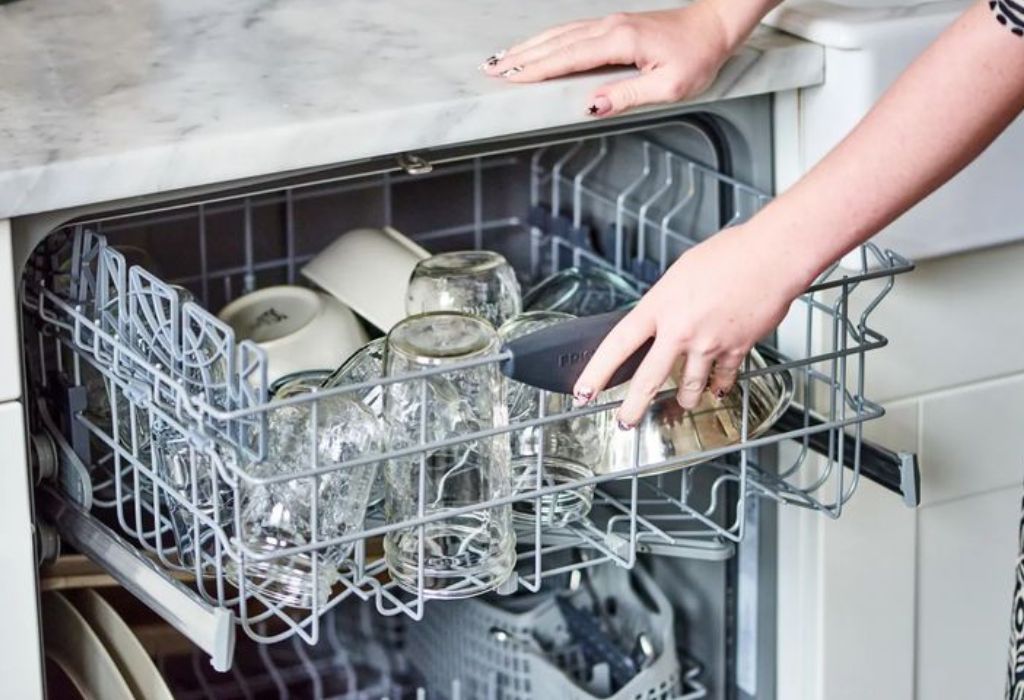
When you press the start button, your dishwasher begins a carefully timed process designed to remove every trace of grease and food. It first pumps out any standing water left from the previous use, then fills the tub with fresh water at a controlled temperature.
Modern dishwashers use sensors to detect how dirty the load is and adjust water levels, pressure, and heat automatically.
The next phase is pre-wash or rinse. This step loosens dried food particles and prepares dishes for detergent activation. Some models heat the water slightly even in this early stage to soften residue, which improves cleaning performance later on.
After the pre-wash, detergent is released into the main wash. High-pressure spray arms spin rapidly, forcing hot, soapy water through every rack.
Depending on the cycle, this stage can last from 30 to 90 minutes. Energy-efficient dishwashers stretch this period because they use lower temperatures, relying on longer exposure time for deep cleaning.
When the washing stage ends, the dishwasher drains and replaces the water for rinsing. Multiple rinse cycles may follow to remove any leftover detergent and food debris. Some machines add rinse aid automatically to reduce water spots and speed up drying.
Finally, the drying phase begins. Older models use a heated element, while newer ones rely on fan-assisted condensation drying to save energy. Once temperature sensors confirm the dishes are dry and cool enough, the cycle completes, and the clean dishes are ready to unload.
How long does a complete dishwasher cycle usually take?
Most standard cycles last between 1.5 to 3 hours, depending on the model and chosen settings.
Why do newer dishwashers take longer than older ones?
Energy-efficient models use less water and lower temperatures, so they compensate with longer cycles.
Is it normal for the dishwasher to pause mid-cycle?
Yes, pauses allow sensors to check temperature or soil levels before adjusting timing automatically.
Can I open the dishwasher during a cycle?
You can, but it’s best to avoid it — it interrupts heating and may cause water to spill.
What happens if I skip rinse aid?
Your dishes may still clean well but could dry slower and show more spots or streaks.
Does the drying phase use much energy?
The drying stage can consume up to 15–20% of total cycle energy, especially on heated-dry settings.
Average Cycle Times for Different Dishwasher Settings
Not every wash program runs the same length of time. Each setting on your dishwasher is designed for a specific soil level, load type, and energy goal. The “Normal” or “Auto” cycle is the most balanced, usually taking between 1 hour 45 minutes and 2 hours 30 minutes.
This mode senses how dirty the dishes are and adjusts water temperature and spray intensity. Because of that sensor-based logic, the duration can change slightly every time you run it.
A “Quick Wash” or “Express” cycle is much shorter. It often completes in 30 to 60 minutes and is ideal for lightly soiled plates or glasses that need a fast turnaround.
The cycle uses higher temperatures and more water pressure to compensate for the reduced time, so while it’s faster, it can use a bit more energy per minute.
The “Heavy” or “Pots & Pans” mode is the slowest. It can last from 2.5 to 4 hours because it heats water hotter and sprays longer to dissolve baked-on food.
Many dishwashers also include a “Sensor Wash” or “Eco” mode, which fine-tunes timing for energy savings, sometimes stretching beyond three hours.
When you add optional features like “Sanitize,” “Extra Dry,” or “High-Temp Rinse,” expect the total time to increase.
Each extra setting adds anywhere from 10 to 30 minutes depending on how much heating or airflow is required. These cycles ensure a deeper clean but can surprise users who expect a fast finish.
Choosing the right program depends on your needs. If you’re cleaning daily dishes, stick with Normal. For guests or quick loads, Quick Wash is efficient. When cookware is coated with grease or sauces, Heavy or Sanitize mode is worth the wait.
How long does an eco cycle usually run?
Eco modes typically run 3 to 4 hours because they rely on lower heat and longer soaking periods to save power.
Is quick wash less effective than normal?
It cleans well for light loads but may leave residue on heavily soiled items.
Can I reduce time without losing performance?
Avoid overloading, scrape food before loading, and use hot inlet water to shorten cycles.
Why do some dishwashers show different times each run?
Sensor models detect soil levels and automatically adjust duration.
Does the sanitize option increase total time?
Yes, it can add 15–25 minutes since it raises rinse water to over 150°F for disinfection.
Is longer always better for cleaning?
Not always—longer cycles clean deeply but waste energy on easy loads.
Factors That Make a Dishwasher Run Longer Than Normal
Sometimes your dishwasher takes far more time than expected, even on the same setting. This doesn’t always mean there’s a problem. Modern models rely on smart sensors that automatically adjust wash time, temperature, and water pressure to deliver spotless results.
One major reason for extended cycles is low water temperature. If the incoming water is below 120°F (49°C), the dishwasher must heat it internally.
That extra heating step can add anywhere from 20 to 40 minutes to the total cycle time, especially in colder regions or homes with long water lines.
Another key factor is soil detection. Most modern dishwashers use turbidity sensors to check how dirty the water becomes during washing. If they detect heavy grease or food particles, the machine automatically lengthens the wash and rinse phases to ensure a deep clean.
While this guarantees better performance, it can turn a 90-minute cycle into one lasting over three hours.
Hard water buildup is another hidden cause. Over time, minerals can coat heating elements and spray arms, making it harder to maintain consistent water temperature and pressure. As a result, the dishwasher compensates with longer running time to achieve the same level of cleaning.
Extra features such as Sanitize, Extra Dry, or High-Temp Wash also extend total time. These settings use additional heating and airflow, which improve hygiene and drying results but naturally increase duration.
Regular cleaning, descaling, and maintaining proper inlet temperature can help restore your dishwasher’s original cycle length and keep it running efficiently.
Why does my dishwasher take over three hours sometimes?
Energy-saving models often use lower water temperatures and extend the cycle automatically when dishes are heavily soiled.
Does using cold water make the cycle longer?
Yes. The machine must heat the water on its own, which can add significant time before washing even begins.
Can hard water cause longer cycles?
Definitely. Mineral buildup slows down heating and reduces spray pressure, forcing the dishwasher to work longer to clean properly.
Do extra options like sanitize add time?
Yes. Sanitize or Extra Dry settings extend cycles by 15–30 minutes to ensure high heat and complete drying.
Is a longer cycle a sign of malfunction?
Not necessarily. Many modern dishwashers are designed to run longer in exchange for using less energy and water overall.
Factors That Make a Dishwasher Run Longer Than Normal
Sometimes your dishwasher takes far more time than expected, even on the same setting. This doesn’t always mean there’s a problem. Modern models rely on smart sensors that automatically adjust wash time, temperature, and water pressure to deliver spotless results.
One major reason for extended cycles is low water temperature. If the incoming water is below 120°F (49°C), the dishwasher must heat it internally. That extra heating step can add anywhere from 20 to 40 minutes to the total cycle time, especially in colder regions or homes with long water lines.
Another key factor is soil detection. Most modern dishwashers use turbidity sensors to check how dirty the water becomes during washing. If they detect heavy grease or food particles, the machine automatically lengthens the wash and rinse phases to ensure a deep clean.
While this guarantees better performance, it can turn a 90-minute cycle into one lasting over three hours.
Hard water buildup is another hidden cause. Over time, minerals can coat heating elements and spray arms, making it harder to maintain consistent water temperature and pressure. As a result, the dishwasher compensates with longer running time to achieve the same level of cleaning.
Extra features such as Sanitize, Extra Dry, or High-Temp Wash also extend total time. These settings use additional heating and airflow, which improve hygiene and drying results but naturally increase duration.
Regular cleaning, descaling, and maintaining proper inlet temperature can help restore your dishwasher’s original cycle length and keep it running efficiently.
Why does my dishwasher take over three hours sometimes?
Energy-saving models often use lower water temperatures and extend the cycle automatically when dishes are heavily soiled.
Does using cold water make the cycle longer?
Yes. The machine must heat the water on its own, which can add significant time before washing even begins.
Can hard water cause longer cycles?
Definitely. Mineral buildup slows down heating and reduces spray pressure, forcing the dishwasher to work longer to clean properly.
Do extra options like sanitize add time?
Yes. Sanitize or Extra Dry settings extend cycles by 15–30 minutes to ensure high heat and complete drying.
Is a longer cycle a sign of malfunction?
Not necessarily. Many modern dishwashers are designed to run longer in exchange for using less energy and water overall.
Why Modern Dishwashers Take Longer Than Older Models
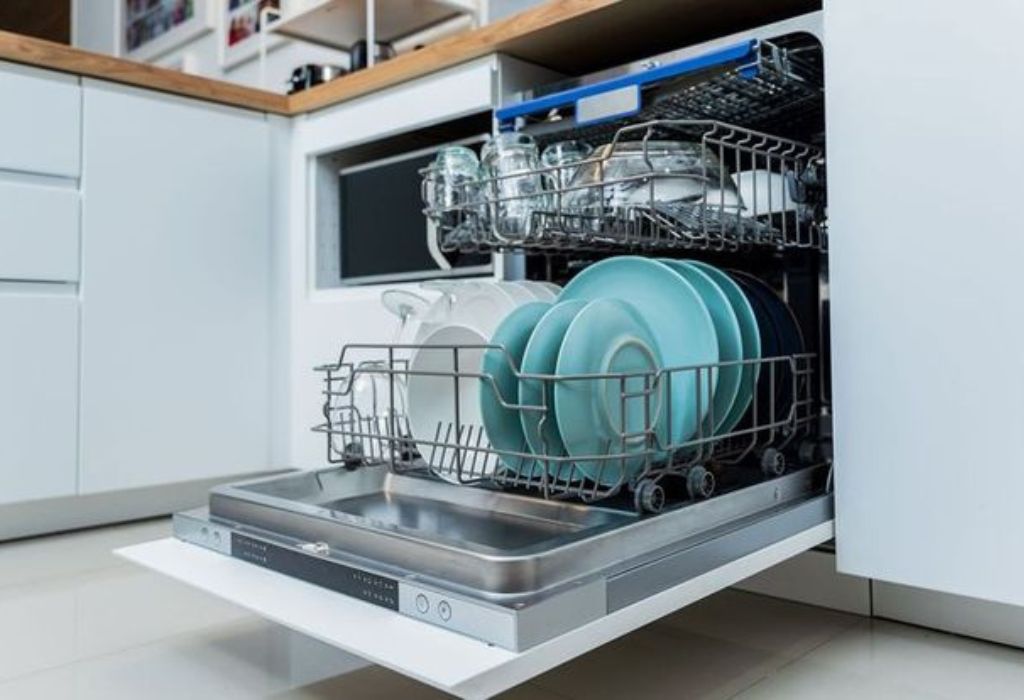
If you’ve upgraded from an older dishwasher, you might have noticed something surprising — your new one takes much longer to finish a wash.
At first, this feels like a downgrade, but in reality, it’s part of a smarter and more efficient design. Manufacturers have extended wash times to meet modern energy and water-saving standards without compromising cleaning performance.
Older dishwashers typically blasted dishes with a large volume of very hot water for a short time. They used more electricity to heat that water quickly and didn’t rely on sensors to adjust timing.
Modern machines, however, use advanced soil sensors that detect how dirty the water is. If the load is heavily soiled, the dishwasher automatically adds extra rinse or wash phases. This flexibility improves cleanliness but increases total time.
Energy efficiency is another major reason for longer cycles. Today’s dishwashers use about half the water and 30–40% less power than older models. To make up for less water and lower temperatures, they rely on longer exposure time — letting detergent and heat work gradually to loosen grime. This slower approach protects delicate dishes and saves resources.
Additionally, newer machines focus on quieter operation. Instead of high-powered, noisy pumps that clean fast, they use smaller, more efficient motors that run longer at lower speed. That’s why you can barely hear them working, but the trade-off is time.
The drying process has also changed. Many models now use condensation or fan-assisted drying rather than an electric heating element. It’s safer and more eco-friendly but can extend the cycle by another 20–30 minutes.
So, while modern dishwashers may test your patience, they’re actually cleaning smarter, safer, and cheaper in the long run.
Why do new dishwashers run longer than old ones?
They’re built to use less water and energy, which requires extending the wash and rinse periods for the same cleaning results.
Do longer cycles mean better cleaning?
In most cases, yes. The extended time allows detergent and heat to work more effectively on stubborn residue.
Are newer dishwashers more energy-efficient?
Absolutely. Despite longer cycles, they consume less water and electricity overall compared to older models.
Why are modern dishwashers quieter?
They use slower, more efficient pumps and better insulation, reducing noise but extending cleaning time.
Can I make a modern dishwasher run faster?
Yes. Choose quick wash cycles, preheat your tap water, and keep filters clean to reduce unnecessary extensions.
Signs Your Dishwasher Cycle Is Taking Too Long Due to a Problem
A long dishwasher cycle doesn’t always mean something is wrong, but when the time keeps increasing or the dishes still come out dirty, there may be an underlying issue.
Recognizing the warning signs early can save you from higher energy bills, wasted water, and potential damage to the machine.
One of the first signs of trouble is inconsistent cycle time. If your dishwasher used to finish in about two hours and now frequently runs three or more, something is interfering with its efficiency.
Common culprits include clogged filters, faulty temperature sensors, or weak heating elements. These problems make it harder for the appliance to reach proper cleaning temperatures, forcing it to run longer than normal.
Another indicator is lukewarm or cold water when you open the door mid-cycle. Dishwashers depend on steady hot water — ideally around 120°F.
If the heating element fails or sediment builds up in the water line, the machine spends extra time trying to compensate. The result is not only extended washing time but also streaky or greasy dishes.
Drainage problems can also stretch cycle time. When water doesn’t leave the tub completely, the dishwasher pauses to clear it before moving to the next phase. Blocked filters, kinked hoses, or a weak drain pump can all trigger this delay.
Finally, if your dishes come out wet or unclean even after long cycles, it’s a strong sign something isn’t working correctly. The system may not be circulating water properly, or the sensors could be misreading soil levels.
Keeping filters clean, inspecting hoses, and descaling monthly help prevent these issues from developing into expensive repairs.
Why does my dishwasher keep adding extra time?
It could be compensating for low water temperature or a sensor detecting unclean water during rinsing.
Can a bad heating element cause longer cycles?
Yes. Without sufficient heat, the dishwasher struggles to clean and dry efficiently, making the program run longer.
Why are my dishes still dirty after a long wash?
Clogged spray arms or filters may block water flow, leaving residue behind even after extended washing.
Does slow draining affect cycle time?
Absolutely. Poor drainage forces the dishwasher to pause or repeat rinse stages, increasing total duration.
Should I repair or replace a slow dishwasher?
If it’s over ten years old and repairs are frequent, replacement is often more cost-effective and energy-efficient.
Tips to Maintain Ideal Dishwasher Cycle Time
Keeping your dishwasher running efficiently doesn’t just ensure spotless dishes — it also helps maintain the ideal cycle time.
A machine that’s well cared for can complete a normal load in its intended range without unexpected extensions or performance drops. Simple maintenance habits and smart usage choices can make all the difference.
Start with regular cleaning of filters and spray arms. These parts collect bits of food, grease, and mineral deposits that slow down water flow.
When spray arms can’t rotate freely or the filter is clogged, the machine takes longer to clean and rinse effectively. Cleaning them once a week with warm soapy water prevents blockages and keeps cycles consistent.
Next, focus on water temperature and hardness. Dishwashers perform best when the inlet water is between 120°F and 140°F. Hard water can leave mineral scale on the heating element and sensors, causing inaccurate readings and extended wash times.
Installing a small water softener or using descaling solutions once a month helps maintain proper heat and timing.
Also pay attention to detergent quality and load balance. Cheap or outdated detergent may leave residue that forces extra rinsing.
Overloading the racks blocks spray coverage, so always leave enough space for water to circulate. Balanced loading ensures sensors detect clean water sooner, allowing the machine to finish on time.
Lastly, run a maintenance cycle monthly with a dishwasher cleaner or vinegar rinse. This removes hidden buildup in internal parts that affect heating and drainage.
Combined with occasional gasket cleaning and hose inspection, these steps keep every cycle running smoothly and efficiently.
How often should I clean dishwasher filters?
At least once a week if you use the appliance daily — a clean filter helps maintain proper water pressure and timing.
Can hard water really slow down the dishwasher?
Yes. Minerals coat heating elements and sensors, making the machine work harder and longer to reach proper temperature.
Does detergent type affect cycle time?
It can. Low-quality or expired detergent causes more residue, prompting the dishwasher to rinse longer.
How do I know if my spray arms need cleaning?
If dishes look spotty or cycles seem longer, remove and rinse the spray arms — debris often hides in the nozzles.
Will using vinegar or cleaner monthly help?
Definitely. It dissolves grease and scale, keeping internal components clear and preserving normal cycle duration.
When to Call a Technician for Long Dishwasher Cycles
Even with regular cleaning and good habits, there are times when a dishwasher’s long cycle signals a deeper issue that requires professional help. Knowing when to stop troubleshooting on your own and call a technician can save you both money and frustration.
If your dishwasher consistently takes far longer than it used to — for example, a normal cycle that once finished in two hours now runs four, it’s often a sign of faulty sensors or heating components.
Modern dishwashers depend heavily on temperature and turbidity sensors to control cycle length. When these parts fail or get covered in scale, they send incorrect signals that cause unnecessary extensions.
Another clear indicator is when water remains cold throughout the wash. You can usually check this by carefully opening the door mid-cycle after a few minutes. If it feels only lukewarm, the heating element may not be working properly.
Replacing it isn’t a complex job for a technician, but it’s essential for restoring normal performance and preventing incomplete cleaning.
Drainage problems are also a reason to seek expert help. Persistent standing water, repeated “drain error” lights, or a machine that pauses mid-cycle often point to a failing drain pump or blockage deeper in the line. These parts are difficult to inspect without the right tools.
Finally, if your dishwasher frequently stops mid-cycle, fails to dry completely, or trips the circuit breaker, it’s best not to ignore the issue. Electrical faults, control board problems, or damaged sensors can cause safety hazards if left unchecked.
A technician can run diagnostic tests to pinpoint the problem quickly and replace worn parts before they affect other components. Timely repairs ensure the dishwasher continues operating efficiently and safely for years.
How do I know if my dishwasher needs repair?
If cycles are getting longer and dishes aren’t coming out clean or dry, there’s likely an internal fault that needs inspection.
Can I test the heating element myself?
You can check it visually for corrosion, but accurate testing requires a multimeter — best done by a professional.
What if my dishwasher stops mid-cycle repeatedly?
That usually means a sensor or control board issue, both of which require expert diagnostics.
Is it expensive to fix a slow dishwasher?
Most common repairs, like replacing sensors or heating elements, are relatively affordable compared to buying a new unit.
Can I keep using the dishwasher while it runs long?
You can, but it’s not recommended. Overheating or electrical faults could worsen with continued use.
Common Myths About Dishwasher Cycle Times
Dishwasher cycle times are one of the most misunderstood aspects of modern kitchen appliances. Many users believe longer cycles mean something is wrong or that faster always equals better cleaning.
In reality, a lot of these assumptions are based on outdated ideas about how dishwashers work. Understanding what’s true and what’s not can help you use your machine more efficiently.
One popular myth is that a longer cycle means your dishwasher is broken. Modern models are designed to run longer to save energy and water, using sensors to adapt mid-cycle.
What feels like excessive time is actually a result of eco-friendly technology, not malfunction. These machines trade speed for efficiency — and your lower electricity bill is proof of that.
Another misconception is that quick wash cycles are always less effective. While they’re not ideal for greasy pots or heavy loads, quick cycles can clean light daily dishes perfectly well.
The trick is using the right temperature and detergent. If you pre-rinse or scrape plates properly, you’ll be surprised how efficient short programs can be.
Some homeowners also think pre-rinsing dishes saves time. In fact, modern dishwashers detect soil levels through water sensors.
If you wash dishes too thoroughly before loading, the machine might assume they’re clean and shorten or skip wash phases, leaving hidden residue. It’s better to scrape, not rinse.
Finally, many believe older dishwashers clean faster and better. They were indeed quicker, but they used far more water and energy. Modern dishwashers clean just as well with less waste — they simply take a more gradual, sustainable approach.
Do longer dishwasher cycles mean something is wrong?
No. Newer machines are designed to run longer to save energy and water while maintaining cleaning quality.
Is quick wash bad for the dishwasher?
Not at all. It’s perfectly fine for light loads, as long as you don’t overload and use proper detergent.
Should I pre-rinse dishes before loading?
No. Just scrape off leftovers — pre-rinsing can confuse sensors and reduce cleaning efficiency.
Do older dishwashers really clean better?
They clean faster but waste far more water and energy compared to today’s models.
Does longer washing damage dishes?
No. Modern dishwashers use gentler sprays and controlled heat, protecting even delicate items during long cycles.
How to Choose the Best Dishwasher Cycle for Your Needs
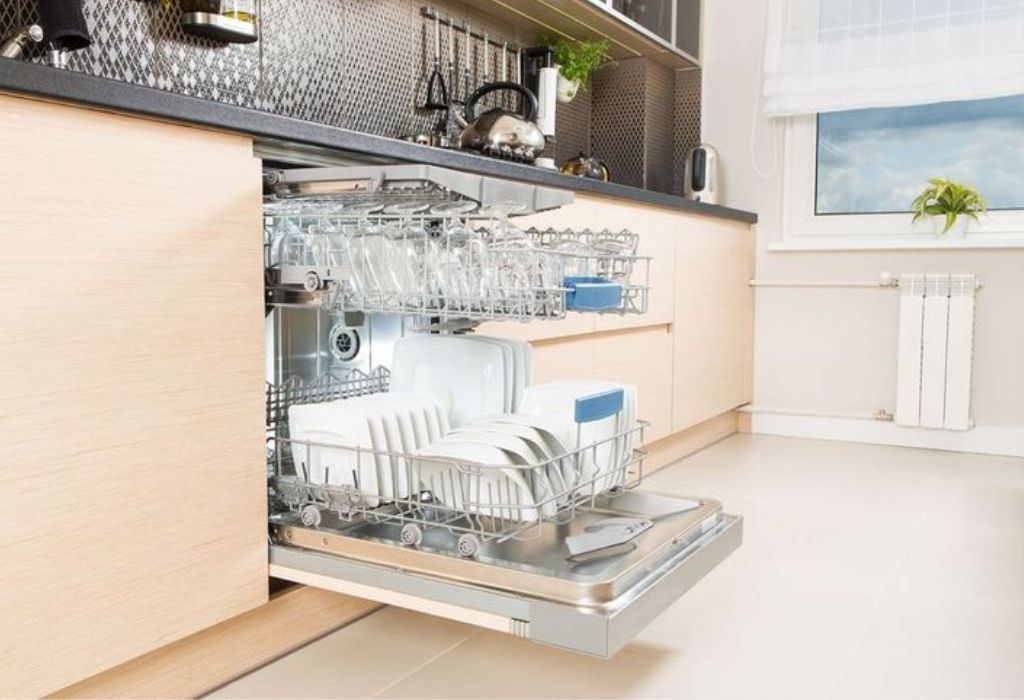
Choosing the right dishwasher cycle can make the difference between spotless dishes and frustrating reruns. Each setting is built for a specific purpose, from light daily loads to heavy, grease-coated cookware.
By understanding what each mode does, you can save time, energy, and water while still getting the results you want.
The Normal cycle is your best all-around option for everyday dishwashing. It balances water temperature, pressure, and time, cleaning standard loads efficiently.
Most users rely on this mode because it adapts automatically to soil levels using built-in sensors. If you’re unsure which to use, Normal is almost always a safe bet.
The Quick or Express cycle is perfect when you’re in a hurry. It finishes within 30 to 60 minutes, using hotter water and stronger jets for lightly soiled dishes or glassware.
However, it’s not ideal for baked-on residue or large family meals, since the shorter time can limit detergent activation.
The Heavy or Pots & Pans cycle is designed for tough jobs. It uses higher heat, more water, and extended wash phases to remove stubborn grease and dried food. This mode can run for up to 3.5 hours but ensures cookware comes out spotless. It’s best reserved for heavily used pans and casserole dishes.
For those looking to save energy, the Eco cycle is the greenest choice. It runs longer but uses significantly less water and electricity by lowering the temperature and extending soak time. It’s ideal for moderately dirty dishes when time isn’t a concern.
Some dishwashers also feature specialty cycles such as “Glass,” “Sanitize,” or “Auto.” These use sensors to adjust automatically for delicate items or extra hygiene. Learning your machine’s full cycle options helps you match cleaning needs with efficiency.
Which dishwasher cycle should I use daily?
The Normal cycle works best for everyday dishwashing and balances both time and energy use.
Is Quick Wash enough for a full load?
Only if the dishes are lightly soiled. Heavier residue may need Normal or Heavy settings.
When should I use the Heavy cycle?
Use it for greasy pans, casserole dishes, or after large family meals with stuck-on food.
Does Eco mode really save energy?
Yes. It uses less water and electricity, though it takes longer to complete.
What’s the benefit of an Auto or Sensor cycle?
It adjusts time and temperature automatically based on how dirty the dishes are, ensuring consistent results.
Conclusion
A dishwasher’s cycle time might seem like a small detail, but it reveals a lot about how modern technology balances efficiency, cleanliness, and convenience. What used to be a simple one-hour chore has evolved into a smart, sensor-driven process that adapts to every load.
Longer wash times don’t mean your appliance is struggling — they often mean it’s working intelligently to save water, electricity, and protect your dishes.
By understanding what influences cycle duration — from water temperature and soil sensors to loading habits and maintenance — you gain control over both performance and energy use.
Choosing the right settings for each situation, keeping filters clean, and ensuring proper hot water supply will help your dishwasher operate at peak efficiency for years.
If your machine suddenly takes longer than usual or fails to clean properly, don’t ignore the warning signs.
Basic cleaning and maintenance can fix most timing issues, but persistent delays may signal a heating element or sensor problem that needs professional care. Addressing it early prevents costly damage and keeps your appliance running smoothly.
Ultimately, the “perfect” cycle time isn’t about speed — it’s about balance. Whether your dishwasher finishes in 60 minutes or three hours, what matters most is sparkling dishes, lower energy bills, and a hassle-free experience every time you press Start.

I’m Emma J. Caldwell, the founder, lead writer, and home-cooking enthusiast behind KitchenGuideCo.com. With a background in culinary arts and over a decade of cooking experience in both professional and personal kitchens, I created this platform to demystify recipes, offer smart kitchen gadget reviews, and guide readers through meal prep with confidence and clarity.