The oven light glows as the dial turns upward and the kitchen fills with the quiet hum of rising heat, promising a pizza with bubbling cheese and a crisp golden crust.
Many home cooks slide their pizza in too soon, hoping the oven is close enough, only to end up with pale bottoms and toppings that cook faster than the dough beneath them.
The difference between disappointment and perfect pizza often comes down to how long the oven was allowed to preheat before baking.
Inside a fully heated oven, the pizza dough begins to rise the instant it touches the hot surface because rapid heat transforms moisture into steam.
This early burst of energy creates the airy lift that prevents dense or soggy crust, a result that no amount of extra baking time can fix afterward.
When the oven is not properly preheated, the dough warms slowly, releasing gas instead of trapping it, and the crust bakes flat before it has a chance to expand.
Understanding how long to preheat depends on more than just temperature because stones, steels, and oven type all affect how heat is stored and delivered.
Once home cooks learn how heat behaves, baking becomes easier, and pizza finally emerges with the same crisp bottom and melted toppings found in restaurant ovens.
Preheating stops feeling like a waiting game and becomes the most powerful step in achieving perfect pizza every time.
Why Preheating Matters for Baking Pizza Correctly
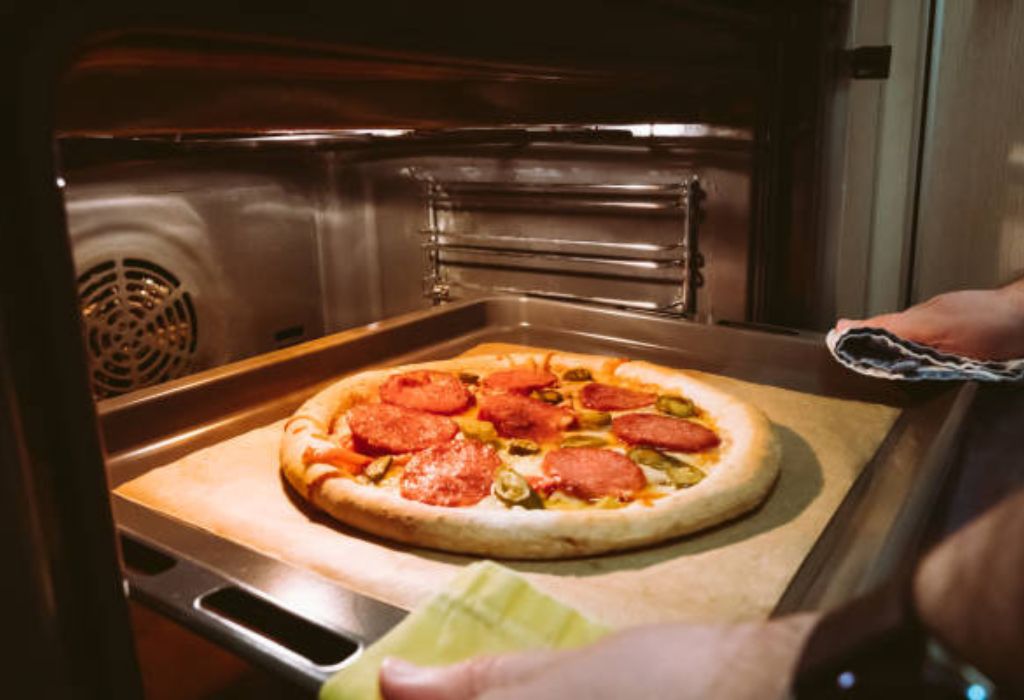
Preheating ensures the oven reaches full temperature before the pizza enters, allowing the crust to set instantly instead of warming slowly.
When the dough hits a hot surface, the rapid heat creates steam inside the crust, producing oven spring that determines final texture. Without this initial burst, the crust becomes dense and chewy no matter how long it bakes.
Cheese melts differently depending on how quickly heat surrounds the pizza inside the oven. A properly preheated environment allows toppings and crust to cook at the same pace, preventing burnt cheese with undercooked dough.
Slow heat leads to uneven baking where the base stays pale while the toppings finish early.
Most home ovens cycle during preheating, meaning the displayed temperature does not always reflect actual internal heat.
Even when the oven beeps, the walls and racks may still be cooler than required for pizza baking. Allowing extra time ensures heat saturates the entire chamber for consistent results.
A cold or partially heated oven causes moisture to remain trapped inside the dough. Instead of evaporating quickly, moisture seeps upward and softens toppings, leading to soggy centers. High initial heat prevents this by driving moisture downward and crisping the bottom layer.
Preheating mimics the intense heat of professional pizza ovens, even though home ovens cannot reach the same temperatures.
While commercial ovens exceed eight hundred degrees, household models depend on heat saturation over time instead of peak temperature alone. This makes preheating essential rather than optional.
Understanding why preheating matters helps home cooks avoid relying on baking time as a fix. Once the oven reaches stable heat, pizza cooks faster, more evenly, and with better texture. Proper preheating turns the same ingredients into dramatically better results without extra effort.
Ideal Oven Temperatures for Homemade Pizza
Most home ovens reach between four hundred fifty and five hundred degrees which is ideal for classic homemade crusts.
Thinner pizzas benefit from the higher end of this range because they cook quickly and crisp before toppings dry out. Thicker crusts need slightly lower temperatures to allow the interior to bake without burning the surface.
Frozen pizzas are usually labeled with recommended temperatures from the manufacturer. These instructions are based on factory testing and ensure safe reheating without overbrowning cheese. However, preheating remains essential even when following packaged guidelines.
Some home cooks push temperatures toward five hundred fifty for stone or steel baking. Higher heat produces leopard spotting and restaurant style blistering on the crust when managed correctly. Monitoring cooking time becomes more important as temperatures increase.
Gas ovens may heat unevenly and require longer preheating because heat rises toward the top. Electric ovens maintain more stable temperature across the chamber but still need full heat saturation. Knowing oven behavior helps adjust expectations instead of guessing.
Smoke may occur at higher temperatures when excess flour or cornmeal remains on the stone. Cleaning surfaces before baking prevents burning odors without reducing temperature. Lowering heat to avoid smoke often sacrifices crust quality instead of solving the real issue.
Choosing the right temperature depends on dough type and personal preference. Once the ideal range becomes familiar, adjusting for texture and browning feels simple and reliable. Preheating to the correct level ensures pizza starts baking perfectly from the first second.
Is five hundred degrees too hot for homemade pizza?
Five hundred degrees is ideal for most home baked pizzas and helps create crisp crust without drying toppings when monitored carefully.
Can pizza bake well at four hundred degrees?
It can but results may be softer and less crisp because lower heat slows crust development and increases baking time.
Why do some recipes suggest five hundred fifty degrees?
Higher heat mimics professional ovens and produces blistering but requires stone or steel for proper bottom crisping.
Do frozen pizzas need the same temperature as fresh dough?
Frozen pizzas follow manufacturer instructions but still require full preheating for even crust and safe reheating.
Will high temperature damage my oven?
Most modern ovens are designed for maximum settings but should not exceed manufacturer limits or be used with damaged seals.
How Long to Preheat Oven With a Baking Stone or Steel
Baking stones and steels require longer preheat times because they store and transfer heat directly into the crust.
Stones usually need at least thirty to forty five minutes to reach full temperature inside a home oven. Steels heat faster but still need twenty to thirty minutes for optimal performance.
The surface must be fully heated or the pizza bottom will remain pale even if the oven air reaches the correct temperature.
Touching the stone does not reveal readiness since the temperature must be measured indirectly. An infrared thermometer provides the most accurate surface reading without removing the stone.
Stones placed on the middle or lower rack heat more evenly because they sit closer to the heating element. Positioning too high reduces bottom heat and increases top browning before the crust finishes. Correct rack placement ensures balanced cooking across the pizza.
Opening the oven door during preheating allows heat to escape and lengthens warm up time. Adding the stone only when the oven is cold prevents thermal shock and cracking. Preheating with the stone already inside distributes heat gradually and safely.
Dough slides more easily onto a hot surface when using a peel dusted with flour or semolina. Excess flour can burn during high heat so using minimal dusting prevents smoke. Regular cleaning prevents buildup that affects taste and surface performance.
Understanding how long stones and steels require transforms homemade pizza quality. Properly heated surfaces create crisp bottoms that resist sogginess even with heavy toppings. Once timing becomes routine pizza baking becomes more consistent and enjoyable.
How long should a pizza stone preheat at five hundred degrees?
Most stones need at least thirty to forty five minutes to fully saturate with heat for proper crust development.
Does a baking steel need less time than a stone?
Yes steels heat faster and often require only twenty to thirty minutes because metal conducts heat more efficiently.
Can I preheat a stone too long?
Overheating is unlikely in home ovens but stones should not be exposed to temperatures beyond manufacturer limits.
Why is my crust still pale even after preheating?
The stone surface may not be fully heated even if the oven air is ready so longer preheating or thermometer checks are needed.
Should I put a cold stone into a hot oven?
No adding a cold stone into a hot oven risks cracking so it must preheat gradually from the start.
Preheating Times for Different Oven Types
Electric ovens generally require fifteen to twenty minutes to reach stated temperature but need additional time for heat saturation.
The heating elements cycle on and off which means displayed temperature may not reflect actual readiness. Waiting longer ensures walls and racks reach stable heat.
Gas ovens heat faster initially but may have uneven temperature distribution. Preheating for at least twenty to thirty minutes helps balance top and bottom heat across the chamber. Using a stone improves stability and prevents hot spots beneath the pizza.
Convection ovens circulate air which speeds preheating and may reduce required time. However convection can dry the crust too quickly if temperature is not reduced by about twenty five degrees. Some cooks turn off convection during the first minutes to preserve dough lift.
Countertop pizza ovens and specialty models reach high heat much faster than standard ovens. Some units preheat in under ten minutes because they are designed for focused heat delivery. Following manufacturer timing ensures safe and proper use.
Older ovens may require significantly longer preheating due to worn insulation or weaker elements. Inconsistent heating patterns may cause fluctuating temperatures even after reaching the set point. Using an internal thermometer helps track performance and adjust timing.
Different ovens behave uniquely so learning individual characteristics improves predictability. Once timing is matched to oven type, preheating becomes straightforward instead of uncertain. Understanding these variations leads to better pizza in any kitchen.
How Preheating Affects Crust Texture and Browning
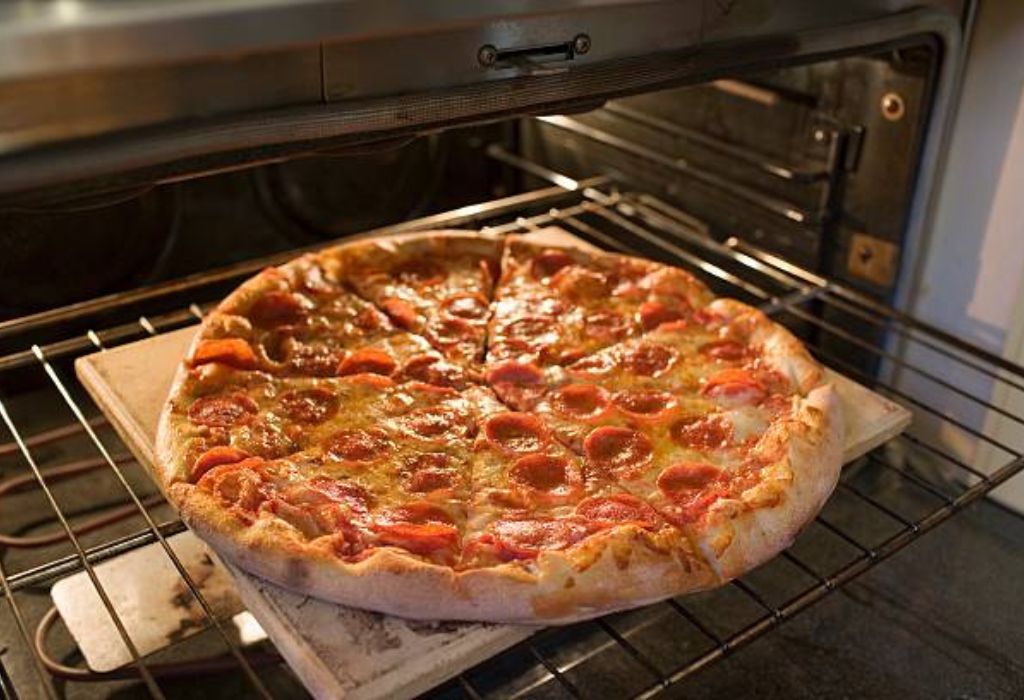
High heat activates the Maillard reaction which creates golden brown color and rich flavor on the pizza crust.
When the oven is fully preheated the crust browns evenly without burning the cheese or toppings. Insufficient heat leads to pale and rubbery crust even after extended baking time.
Moisture escapes rapidly from dough when it contacts a hot surface and prevents soggy centers. A cold oven allows moisture to rise through the topping instead of evaporating through the base. This results in wet, soft crust that cannot crisp no matter how long it cooks.
The bottom crispness depends on heat saturation more than displayed temperature. Even at five hundred degrees the crust may not brown if the baking surface remains cool. Stones and steels store heat that delivers immediate energy into the dough.
Proper preheating also affects edge rise and air pocket formation. When heat strikes the dough quickly the crust expands before it sets, creating airy texture. Slow heating collapses bubbles and produces dense, flat edges.
Overbrowning occurs when heat is uneven rather than too hot. Correct preheating balances top and bottom heat, preventing burnt cheese with underdeveloped crust. Adjusting rack height further refines browning control.
Understanding this relationship allows home cooks to target the exact crust texture they prefer. Once preheating becomes consistent, pizza quality improves without changing ingredients or recipe steps.
Why does my crust stay pale even at high heat?
The oven or stone may not be fully saturated with heat so extending preheating improves browning and bottom crispiness.
Can preheating too long burn the crust?
Preheating alone does not burn pizza; only baking time and temperature during cooking affect crust darkness.
Why does cheese burn before crust browns?
Uneven heat or incorrect rack placement may expose toppings to hotter air while the bottom remains underheated.
Does preheating help prevent soggy pizza?
Yes rapid heat evaporates moisture from the dough immediately preventing soggy centers and wet crust.
Can crust become too hard from high preheat?
Hard crust usually results from overbaking not preheating so monitoring time prevents excessive drying.
Rack Positioning and Heat Zones for Best Pizza Baking
Rack placement determines how heat reaches the pizza and affects both crust and topping results.
Positioning the pizza on the lowest or middle rack brings it closer to the heating element which improves bottom crisping. Placing it too high causes toppings to brown before the crust finishes.
Home ovens often have uneven heat zones that create hot spots during baking. The bottom section receives stronger radiant heat while the upper area cooks through circulated air.
Learning how your oven behaves helps decide whether the pizza needs rotation midway through baking.
Using a baking stone or steel on the lowest rack increases direct heat transfer to the crust. This placement mimics pizzeria conditions where dough contacts high-temperature surfaces immediately. Without a heated base the pizza relies only on air temperature which reduces crispness.
If the oven browns cheese too quickly lowering the rack helps balance heat exposure. When the crust remains pale the rack can be moved slightly higher for stronger top heat. Small adjustments prevent burning while maintaining an evenly baked pizza.
Double ovens and convection units may require different rack strategies. Some convection models distribute heat well enough to use middle positions consistently. Testing a few placements helps identify the most reliable setup for your kitchen.
Understanding rack positioning gives home cooks control without changing temperature or ingredients. Once placement becomes consistent pizza finishes evenly and with better texture every time. Rack height becomes an easy tool for improving results with very little effort.
Common Mistakes People Make When Preheating
One of the most frequent mistakes is putting pizza into the oven as soon as the preheat signal beeps. Most ovens measure air temperature rather than surface heat so stones and racks are still warming. Waiting extra time ensures full saturation and prevents pale crusts.
Opening the door repeatedly during preheating allows heat to escape and resets the cycle. Each drop in temperature forces the elements to start over which lengthens the warm-up process. Keeping the door closed speeds up heating and improves consistency.
Adding too much flour or cornmeal to the peel can lead to burnt residue during high-temperature baking. Burned particles produce smoke that causes cooks to lower the temperature unnecessarily. Cleaning excess flour avoids smoke without sacrificing crust quality.
Placing the stone into a hot oven is another common error that risks cracking. Stones need gradual heating from a cold start so they warm evenly and safely. Thermal shock is avoidable when the stone stays inside from the beginning of preheating.
Using dirty oven walls and racks can create smoke during high-heat baking. Grease and residue burn quickly at pizza temperatures and affect flavor. Regular cleaning supports cleaner preheating and prevents unwanted odors.
Avoiding these mistakes makes preheating more predictable and efficient. Once the process becomes consistent pizza quality improves without extra effort. Small corrections lead to major improvements in texture and browning.
Using Thermometers, Timers, and Heat Recovery Tips
An oven thermometer helps verify real internal temperature because display readings are often inaccurate.
Even a twenty-degree difference can affect crust rise and browning results noticeably. Placing the thermometer in the center of the oven provides the most reliable measurement.
Infrared thermometers measure the surface temperature of stones and steels directly. This tool confirms when the baking surface is fully saturated instead of guessing based on time alone. Accurate readings prevent underheated crusts and improve consistency across multiple pizzas.
Timers help track both preheating and recovery time between batches. Opening the door lowers temperature significantly and ovens need time to regain heat. Waiting two to five minutes before loading another pizza restores proper conditions.
Some ovens recover heat faster depending on insulation and heating element strength. Newer models often regain temperature quickly while older units may take longer. Observing performance over time helps determine how long to wait between pizzas.
Preheating longer than required is usually safer than cutting time short. Extended saturation does not damage the oven but improves heat stability for high-temperature baking. Consistency becomes easier when timing is measured instead of estimated.
Using thermometers and timing tools removes guesswork and builds reliable baking habits. Once heat recovery becomes predictable pizza results improve even during back-to-back batches. Precision transforms home ovens into more controlled cooking environments.
Do I need an oven thermometer if my oven has a digital display?
Digital displays often read air temperature only so a thermometer confirms actual internal heat and improves accuracy.
Where should the thermometer be placed during preheating?
Positioning it in the center of the oven provides the most accurate reading of average internal temperature.
Is an infrared thermometer necessary for baking pizza?
It is not required but helps measure stone or steel temperature directly for consistent bottom crisping.
How long does the oven take to recover heat after opening the door?
Most ovens need two to five minutes depending on model insulation and temperature setting.
Can I leave the thermometer inside during baking?
Yes oven-safe thermometers are designed to stay inside and help monitor heat stability throughout cooking.
Special Preheating Tips for Frozen and Deep-Dish Pizza
Frozen pizzas require full preheating because the crust and toppings must thaw and bake simultaneously.
Placing a frozen pizza into a partially heated oven causes uneven cooking and soggy centers. Following package instructions works best when combined with extended preheating.
Deep-dish pizzas need lower temperatures and longer preheating to heat the thicker base properly. Using a stone on the lowest rack supports firm bottom crust while the interior cooks slowly. Too much heat too quickly can burn the edges before the center sets.
Pan pizzas benefit from preheating the pan itself before adding dough. A warmed pan creates immediate crust formation and prevents raw or gummy bottoms. Oil in the pan heats and helps produce a fried-style crisp texture.
Stuffed or heavily topped pizzas require careful monitoring during preheating. Extra toppings add moisture which needs strong bottom heat to evaporate correctly. Preheating prevents soggy slices and keeps toppings from weighing down the dough.
Some frozen pizzas can be baked directly on the rack but stones provide better support. Baking directly increases airflow and crisping but risks sagging with softer crusts. Checking manufacturer instructions avoids tearing or uneven cooking.
Understanding specific pizza types helps determine ideal preheating adjustments. Once these variations are familiar pizza baking becomes more flexible and predictable. Every style benefits from proper heat preparation tailored to its structure.
Safety, Maintenance, and Avoiding Oven Damage While Preheating
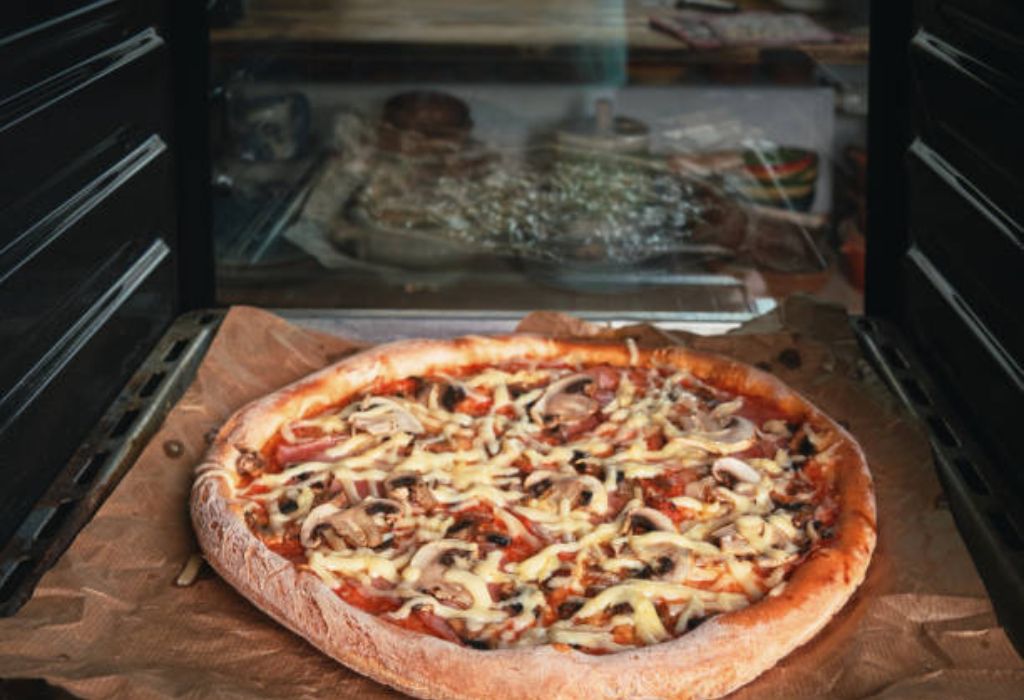
High-temperature preheating requires keeping flammable items away from the oven exterior. Storing paper towels, plastic tools, or cookware on top of the oven increases fire risk. Clearing the area ensures safe operation and prevents accidental ignition.
Inspecting door seals ensures heat remains inside the oven during preheating. A damaged gasket leaks hot air and forces the oven to run longer which strains heating elements. Replacing worn seals restores efficiency and prevents overheating.
Using proper cookware prevents thermal shock and cracking during high-temperature preheating. Glass dishes should never be placed into a preheated oven unless labeled oven-safe for sudden temperature changes. Metal pans and stones handle direct heat more safely.
Self-cleaning residue can create smoke when the oven reaches high pizza temperatures. Cleaning the interior before preheating prevents burnt smells and discoloration. Regular maintenance supports safe high-heat operation without performance issues.
Ventilation is important because preheating at maximum settings increases heat output. Running an exhaust fan or opening a nearby window keeps the kitchen comfortable. Proper airflow also prevents lingering odors from flour or oil.
Following safety practices allows the oven to operate at high heat without damage. Consistent maintenance supports long-term performance and reliable pizza baking. Caring for the appliance protects both the kitchen and the cooking experience.
Conclusion
Preheating the oven for pizza is essential because the crust depends on rapid heat to rise, crisp, and brown correctly. Allowing enough time for the oven and baking surface to reach full temperature ensures toppings and dough cook at the same pace.
Once home cooks stop relying on the beep and start waiting for full heat saturation, pizza becomes consistently better with very little extra effort.
Different oven types, baking surfaces, and pizza styles require different preheating times. Stones and steels need the most time to absorb heat while frozen and deep-dish pizzas depend on strong bottom heating to prevent sogginess.
Learning these variations turns preheating from guesswork into a predictable step that improves every bake.
With proper rack placement, thermometer use, and heat recovery timing, home ovens can produce restaurant-quality results.
Preheating becomes the most powerful tool for achieving crispy crust, melted toppings, and even browning. Once the process becomes routine, perfect pizza comes out of the oven every time.

I’m Emma J. Caldwell, the founder, lead writer, and home-cooking enthusiast behind KitchenGuideCo.com. With a background in culinary arts and over a decade of cooking experience in both professional and personal kitchens, I created this platform to demystify recipes, offer smart kitchen gadget reviews, and guide readers through meal prep with confidence and clarity.