Many people use their coffee maker every morning without thinking about how much electricity it actually consumes. When energy bills rise or households become more energy conscious, the question naturally appears: how many watts does a coffee maker use?
Understanding watt usage helps you estimate energy cost, choose the right machine, and use it more efficiently.
Different coffee makers use different watt levels depending on their size, brewing speed, and heating components.
Single serve machines, drip makers, and espresso machines each require specific amounts of power to heat water and maintain brewing temperature. These variations affect how much energy is consumed during every brew cycle.
Most coffee makers use the majority of their electricity during the water heating stage. This is because heating elements require high wattage to quickly bring water to brewing temperature.
After heating, watt usage drops significantly, especially in machines with warming plates or insulated carafes.
Knowing the wattage of your coffee maker helps you understand how much electricity a single cup or full pot uses.
It also helps you decide when to upgrade to a more efficient model. Whether you brew once a day or multiple times, knowing the numbers gives you better control over energy usage.
This guide explains the typical wattage ranges for different types of coffee makers and why watt levels vary.
You will learn how much power your unit likely consumes, how wattage affects cost, and tips for reducing electrical use. By the end, you will understand exactly how watts relate to your daily coffee habit.
Why Coffee Makers Use Electricity and What Watts Measure
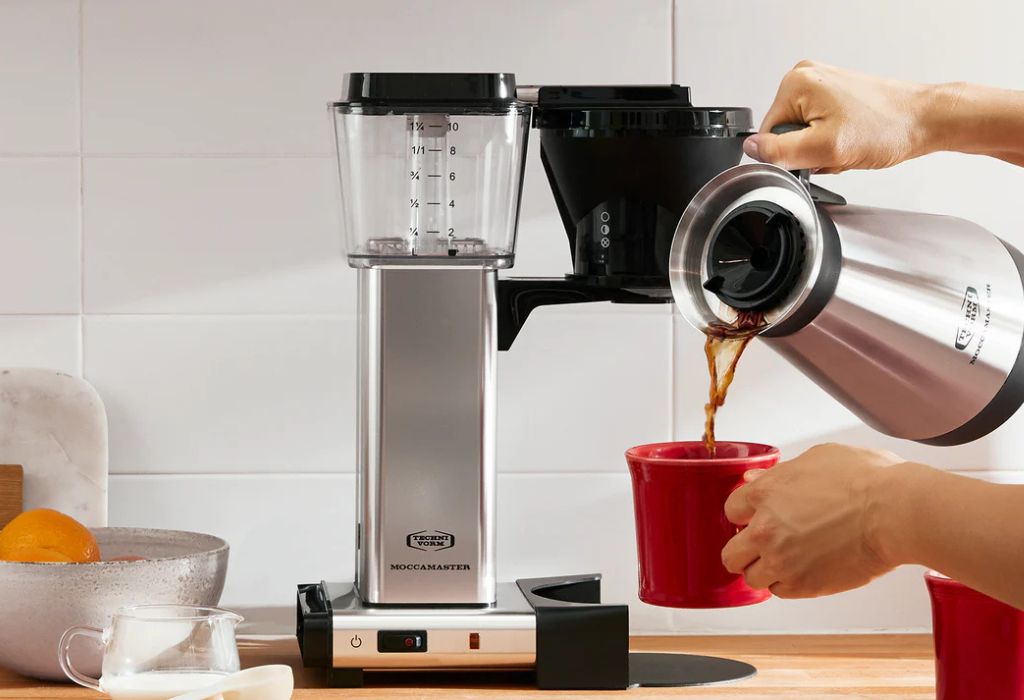
Coffee makers use electricity primarily to heat water, which is the most energy intensive part of the brewing process.
The heating coil inside the machine must raise water temperature quickly, so it requires high wattage to operate effectively. This is why most coffee makers list wattage on their label or manual.
Watts measure the amount of electrical power a device uses at any given moment. A higher watt rating means the machine consumes more power during use. Understanding wattage tells you how much electricity the device pulls from your outlet.
The heating element is the largest consumer of energy inside the coffee maker. It activates the moment you turn the machine on and continues until the water reaches brewing temperature. Once the heating cycle ends, electricity usage decreases sharply.
Other components inside the coffee maker, such as pumps or warming plates, use much fewer watts.
These secondary parts operate throughout the brewing or warming cycle but do not draw nearly as much power as the heating element. Their usage is steady but minimal compared to the initial heating burst.
Knowing why wattage matters helps you evaluate energy consumption more accurately. It also explains why watt levels differ so much between simple drip machines and high pressure espresso makers. Different brewing methods require different amounts of power.
Understanding wattage also helps you calculate energy cost. If you know how many watts your machine uses and how long it runs, you can estimate how much each brew costs you. This knowledge makes you more aware of your daily electricity usage.
Typical Watt Usage for Different Types of Coffee Makers
Different coffee makers use different amounts of electricity based on their design and brewing method. Drip coffee makers usually fall between 600 and 1200 watts because they rely on a heating coil to warm water quickly. This watt range is enough to brew a full pot efficiently.
Single serve pod coffee makers, such as Keurig style machines, typically use between 900 and 1500 watts.
These machines must heat water instantly for one cup at a time, which requires strong wattage. Their fast heating system explains why they often consume more power per brew.
Espresso machines use even more wattage because they require high pressure and high temperature to extract espresso properly.
Most home espresso machines use between 1000 and 1800 watts during the warm up phase. The heating and pump systems together increase the total power usage.
Commercial espresso machines can exceed 2000 watts because they maintain constant heat and pressure throughout the day. These machines are built for continuous use and require strong electrical capacity. Their wattage reflects the demands of professional coffee service.
French press, pour over, and manual brewing methods use no electricity on their own. However, the kettles used for heating water may use between 1000 and 1500 watts. The kettle becomes the main energy consumer in these manual methods.
Knowing the typical watt ranges of each type of coffee maker helps you understand what to expect in terms of electricity usage.
Wattage gives you insight into how powerful and energy intensive each brewing style is. This knowledge helps you choose the right machine for your needs.
How Brewing Temperature Affects Watt Usage
Coffee makers use the most electricity during the water heating stage because bringing cold water to brewing temperature requires strong wattage.
The heating element must raise the water to around 195 to 205 degrees Fahrenheit, which demands quick and intense power. This initial surge explains why watt usage is highest at the beginning of each brew cycle.
Once the machine reaches the correct temperature, its watt consumption decreases significantly.
Many coffee makers reduce power after heating and switch into a low energy mode while coffee drips through the grounds. This drop in watt usage helps balance overall energy consumption.
Machines with warming plates use additional wattage after brewing to keep the coffee hot. These plates typically use between 50 and 150 watts, depending on the model and heat level.
While less powerful than the main heating element, they still affect the total watt usage if left on for long periods.
Brewing temperature consistency affects how often the heating element turns on. If your kitchen is cold, the machine may cycle the heater more often to maintain proper temperature. This increased cycling raises energy consumption slightly.
Insulated carafes reduce watt usage because they retain heat without relying on a warming plate. Machines with thermal carafes keep coffee hot longer without continuous electricity. This design helps lower total energy cost.
Understanding how brewing temperature affects watt usage helps you manage energy better. It shows why heating is the most power intensive stage and how machine design influences electricity consumption. Awareness of these factors helps you choose more efficient coffee makers.
Watt Consumption During the Brewing Cycle
Coffee makers reach their highest watt usage at the start of the brewing cycle when they begin heating water.
The heating element turns on at full power to bring the water to the ideal temperature quickly. This initial phase usually consumes the most electricity in the entire brewing process.
Once the water reaches brewing temperature, the machine shifts into a lower wattage state. Drip coffee makers maintain consistent temperature using short bursts of power instead of continuous high wattage. These power bursts keep electricity usage stable without reaching peak levels again.
During the actual dripping stage, most coffee makers use moderate wattage. The pump or gravity system moves water through the grounds efficiently while using less electricity. The machine still consumes power, but not nearly as much as during heating.
If your machine includes a warming plate, it activates immediately after brewing. Warming plates draw additional watts continuously to maintain the coffee’s temperature. Long warming times add to overall energy consumption.
Single serve machines operate differently because they heat water quickly for each individual cup. This makes their heating cycle shorter but more energy intense. They often reach peak watt usage multiple times a day if used frequently.
Understanding watt consumption during the brew cycle helps you estimate how much electricity each cup requires. It also highlights which parts of the process influence power usage the most. This awareness helps you make more energy efficient brewing decisions.
How Much Electricity a Coffee Maker Uses Per Day and Month
To estimate how much electricity your coffee maker uses per day, you need to consider both wattage and brewing time. A typical 1000 watt coffee maker running for ten minutes uses about 0.17 kilowatt hours of electricity. This small amount adds up depending on how many times you brew each day.
If you brew once a day, your coffee maker might use around 5 kilowatt hours per month. This calculation includes both heating the water and using the warming plate for a short time. It also accounts for slight variations in efficiency based on machine design.
People who brew multiple pots daily will naturally use more electricity. Brewing twice a day may double your consumption, raising it to around 10 kilowatt hours monthly. Heavy use increases total cost but still stays relatively low compared to other appliances.
Single serve machines use more energy per cup because they heat water instantly. Frequent use throughout the day increases their monthly electricity usage. People who brew six to ten cups daily may see higher energy bills.
Warming plates add noticeable energy consumption if left on for long periods. Leaving a warming plate on for an hour can use more electricity than the brewing itself. Turning off the plate after brewing reduces overall cost.
Using a thermal carafe instead of a warming plate helps lower energy usage. Thermal carafes maintain heat without needing electricity. This simple change improves efficiency.
By understanding daily and monthly electricity usage, you can better predict energy costs. Tracking your brewing habits shows which factors contribute most to consumption. This helps you make smarter decisions about your coffee routine.
Energy Usage Differences Between Drip, Pod, and Espresso Machines
Drip coffee makers are usually the most energy efficient because they heat a larger amount of water only once per brew cycle. Their wattage ranges from 600 to 1200 watts, which is enough to brew a full pot without excessive power. They also often use insulated carafes that reduce the need for warming plates.
Pod coffee makers consume more wattage because they must heat water instantly for each cup. A single brew may use between 900 and 1500 watts in a short burst. Frequent use throughout the day increases overall electricity consumption.
Espresso machines use the highest wattage of all because they must maintain high pressure and temperature. Home models typically use 1000 to 1800 watts during warm up and extraction. Commercial espresso machines can exceed 2000 watts for continuous use.
Drip machines use steady energy during brewing, but espresso machines spike in wattage due to their heating boilers. The intense heating requirement makes espresso brewing more energy demanding. This creates a noticeable difference in electricity usage.
Pod machines are convenient but trade convenience for efficiency. Their fast heating system consumes more energy per cup than brewing a pot in a drip maker. High frequency use increases cost significantly.
Espresso machines often stay warm between shots, which increases energy usage even when idle. Some models have standby modes to reduce power between uses. Using these features helps save electricity.
Understanding these differences helps you choose the right machine based on your needs. If energy efficiency matters most, drip machines or manual brewing methods are the best choices. If convenience or espresso quality matters more, higher watt usage may be acceptable.
How Coffee Maker Size and Features Affect Wattage
The size of a coffee maker directly influences its watt usage because larger machines require more power to heat more water. A compact 4 cup coffee maker may use around 600 to 800 watts. A full size 12 cup machine often needs closer to 1000 or 1200 watts.
Features like programmable timers increase energy consumption slightly. These timers use a small amount of electricity even when the machine is off. Although the usage is low, it still contributes to total monthly consumption.
Machines with built in grinders use additional watts to power the grinding motor. Grinding beans requires mechanical force, which adds to overall energy usage. Grind and brew models therefore use more watts during the initial brewing process.
Coffee makers with warming plates consume continuous wattage while keeping the pot warm. Warming plates usually use between 50 and 150 watts depending on the heat level. Leaving them on for hours significantly increases energy consumption.
Machines with insulated thermal carafes reduce watt usage because they do not need warming plates. The thermal design keeps coffee hot without extra electricity. This feature helps save energy over time.
Advanced espresso machines with steam wands and dual boilers require more wattage. These features demand high temperature and pressure levels. As a result, these machines pull more power from the outlet.
Understanding how features impact watt usage helps you make informed purchasing decisions. Machine size and functions play a major role in total electricity consumption. Choosing features wisely helps balance performance and energy savings.
How Much It Costs to Run a Coffee Maker
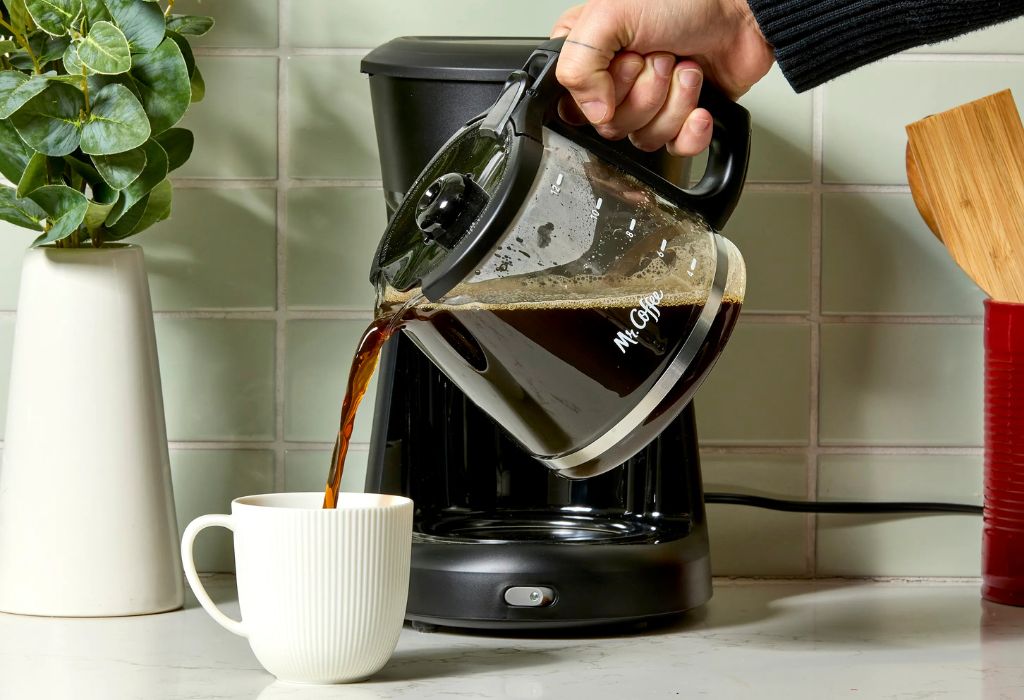
The cost of running a coffee maker depends on its wattage, how often you brew, and your local electricity rate. Most areas charge for electricity in kilowatt hours, so higher watt machines cost more per use. Understanding this helps you estimate your monthly coffee energy cost accurately.
A typical 1000 watt coffee maker running for ten minutes uses around 0.17 kilowatt hours. If your electricity rate is fifteen cents per kilowatt hour, each brew costs only a few cents. This makes daily coffee brewing surprisingly affordable.
Using a warming plate significantly increases electricity cost because it runs continuously at fifty to one hundred fifty watts. Leaving the warming plate on for an hour may cost more than the brewing cycle itself. Turning it off early saves noticeable energy.
Single serve pod machines cost more per cup because they heat water instantly with high wattage. Brewing several times a day multiplies the cost faster than brewing one full pot. Frequent use makes these machines less energy efficient.
Espresso machines use the most electricity because they heat to high temperatures and may stay warm between shots. Multiple daily uses increase overall cost quickly. Machines with standby modes help reduce this expense.
Manual brewing methods like French press or pour over cost less because the kettle is the only electric part. Kettles use high wattage but run for only a short time. This makes manual brewing energy efficient overall.
Understanding cost helps you control energy use and choose the most efficient brewing method. Tracking how often you brew gives you a clear idea of monthly expenses. A small change in brewing habits can lead to meaningful savings.
Ways to Reduce Coffee Maker Electricity Usage
One of the easiest ways to reduce electricity usage is to turn off the warming plate as soon as brewing is finished. Warming plates consume steady wattage, and leaving them on for hours wastes unnecessary energy. Switching to a thermal carafe keeps coffee hot without using extra power.
Brewing larger batches instead of multiple small ones also saves electricity. Heating water once uses less energy than heating several times throughout the day. This simple adjustment reduces overall watt consumption.
If you use a single serve pod machine, try brewing all cups at the same time. These machines use high wattage each time they heat water. Fewer heating cycles mean lower total energy use.
Choosing a coffee maker with an insulated design helps retain heat naturally. Insulated carafes and double wall construction reduce the need for continuous heating. This improves both efficiency and coffee quality.
Keeping your coffee maker clean also reduces electricity usage. Mineral buildup forces the heater to work harder to reach brewing temperature. Regular descaling keeps watt usage consistent and efficient.
Unplugging the machine when not in use prevents standby energy loss. Some machines consume electricity even when powered off. Unplugging eliminates this hidden consumption.
Using a programmable timer can help you manage energy better. You brew only when needed and avoid leaving the machine on unnecessarily. This helps prevent energy waste throughout the day.
Reducing electricity usage does not require giving up convenience. Small changes in brewing habits and machine settings make a noticeable difference. Consistent adjustments lead to long term energy savings.
Frequently Asked Questions About Coffee Maker Watt Usage
How many watts does a standard drip coffee maker use?
A typical drip coffee maker uses between 600 and 1200 watts. The exact number depends on size and heating speed. Larger machines usually consume more power.
Do single serve pod coffee makers use more watts?
Yes, single serve machines often use 900 to 1500 watts. They heat water instantly for each cup. This quick heating increases energy demand.
Are espresso machines the highest watt users?
Most espresso machines use 1000 to 1800 watts. Commercial units can exceed 2000 watts. Their boilers and pumps require strong power.
Does watt usage stay the same throughout brewing?
No, watt usage peaks while heating water. After reaching the right temperature, power use drops. Warming stages use less electricity.
How much does it cost to run a coffee maker?
A typical brew costs only a few cents. Exact cost depends on wattage and electricity rates. Frequent brewing increases total monthly cost.
Does a warming plate use a lot of electricity?
Warming plates use 50 to 150 watts continuously. Leaving them on for long periods increases energy usage significantly. Turning them off saves power.
Do insulated carafes reduce watt usage?
Yes, insulated carafes keep coffee hot without electricity. They reduce dependence on warming plates. This makes brewing more energy efficient.
Does hard water affect watt usage?
Yes, mineral buildup forces the heater to work harder. This increases energy consumption over time. Regular descaling fixes the problem.
Are small coffee makers more energy efficient?
Generally yes, because they heat smaller amounts of water. They use lower wattage overall. Larger models consume more electricity.
Can I reduce coffee maker watt usage easily?
Yes, simple habits help reduce use. Turn off warming plates, brew larger batches, and keep the machine clean. These small changes save noticeable energy.
Conclusion
Understanding how many watts a coffee maker uses helps you make smarter decisions about energy, cost, and daily brewing habits.
Coffee makers rely heavily on wattage during the heating stage, and this brief burst of power determines how efficiently they reach the right temperature. Knowing this explains why different models have different energy demands.
Drip machines, pod brewers, and espresso units all use electricity differently based on their design and brewing speed.
Some require high wattage for fast heating, while others use steady power for warming plates or advanced features. Recognizing these patterns helps you compare energy efficiency between machines.
Small changes in how you brew can reduce electricity usage without affecting convenience. Turning off warming plates early, cleaning the machine regularly, and choosing insulated carafes make a noticeable difference. These small adjustments help lower your overall energy cost.
By understanding wattage, you can estimate daily and monthly electricity use more accurately. This knowledge helps you control energy consumption and choose a machine that fits your household needs. With the right approach, you can enjoy great coffee while using power more efficiently.

I’m Emma J. Caldwell, the founder, lead writer, and home-cooking enthusiast behind KitchenGuideCo.com. With a background in culinary arts and over a decade of cooking experience in both professional and personal kitchens, I created this platform to demystify recipes, offer smart kitchen gadget reviews, and guide readers through meal prep with confidence and clarity.