Many people assume wattage doesn’t matter when choosing a food processor, until the moment their machine struggles with dough or suddenly emits a warm, overworked smell.
I once watched someone try to grind nuts in a low-watt processor, only to have the motor slow down and the bowl heat up after just a few seconds.
That experience made it clear that wattage is not just a number, it determines how smoothly and safely a processor can handle different tasks.
A food processor’s wattage affects everything from chopping speed to how easily it powers through thick mixtures. When the motor is strong enough, ingredients glide through the blades effortlessly, creating cleaner cuts and smoother textures.
But when wattage is too low for the job, the motor strains, overheats, and delivers inconsistent results.
Understanding wattage helps you choose a processor that matches your cooking habits. Whether you chop vegetables occasionally or prepare heavy dough and nut butters regularly, selecting the right watt level protects both your machine and your recipes.
This guide explains how food processor wattage works and how to decide the ideal power range for your needs.
How Many Watts a Food Processor Really Needs
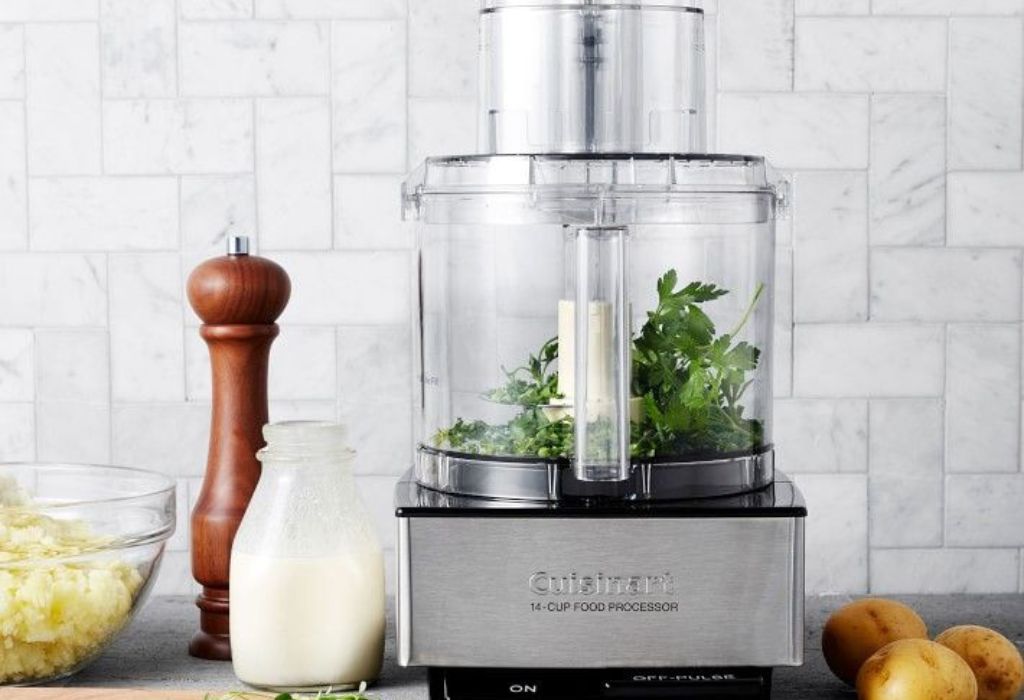
Food processor wattage determines how powerful the motor is and how easily it handles tough ingredients.
Most home food processors range from 400 watts to 1200 watts, depending on size and purpose. Lower watt machines are good for light tasks, while higher watt models handle heavy processing with ease.
A 400–600 watt processor works well for basic chopping and slicing. These models are efficient for vegetables, herbs, and soft ingredients. They are best for small households or occasional cooking.
Food processors with 700–900 watts offer stronger performance. They handle thicker mixtures, pureeing, and shredding more effectively. This watt range adds versatility without excessive power usage.
High-powered models with 1000–1200 watts are ideal for tough jobs. They handle dough kneading, nut butters, and frozen foods without overheating. Bakers and frequent cooks prefer these powerful motors for consistency.
Wattage also affects motor durability. Higher watt motors strain less during heavy tasks and therefore last longer. Lower watt motors heat faster and require more breaks.
However, higher wattage does not automatically guarantee better results. Blade design, bowl shape, and brand quality matter just as much. Balanced engineering ensures power is used efficiently.
Choosing the right wattage depends on how often and how heavily you plan to use the food processor. Light users can choose low watt machines, while frequent cooks need more power. Matching wattage to your workload ensures longevity and efficiency.
Is 500 watts enough for a food processor?
Yes, for basic chopping and slicing tasks.
How many watts do I need for dough?
At least 800 watts is recommended for consistent kneading.
Does higher wattage prevent overheating?
Yes, stronger motors handle stress better.
Is 1200 watts too powerful?
No, it’s perfect for heavy-duty users.
Does wattage affect noise?
Higher watt motors often run smoother and quieter.
Understanding How Wattage Affects Food Processor Performance
Wattage affects how smoothly a food processor cuts through ingredients. Higher watt motors produce stronger torque, giving blades more force. This force allows the processor to handle denser and tougher foods.
Low-watt processors may struggle with thick mixtures. As resistance increases, the blades slow down and the motor heats up. This causes strain that shortens the lifespan of the machine.
When wattage is adequate, ingredients process faster. Smooth operation reduces friction inside the motor, preventing overheating. This keeps the machine efficient without burning smell or weak performance.
Blade speed depends on wattage, but speed alone is not everything. A well-designed processor balances speed with torque. This combination ensures powerful processing without motor stress.
Higher watt motors maintain consistent power even under load. This is essential for tasks like grinding nuts or making dough. Lower watt motors lose strength quickly under resistance.
If your usage involves frequent heavy tasks, wattage becomes crucial. Underpowered machines struggle and need constant cooling breaks. Choosing higher wattage eliminates these interruptions.
Understanding wattage helps match your needs with the right machine. Too little power frustrates users, while proper wattage improves kitchen efficiency. Smart wattage selection enhances both performance and durability.
Wattage Recommendations Based on Food Processor Size
Mini food processors typically use 250–450 watts. These small units are designed for herbs, garlic, and soft ingredients. They are ideal for quick, light tasks.
Mid-size processors usually fall between 500–750 watts. These models handle shredding, slicing, and light pureeing well. They suit medium households and regular cooking.
Full-size processors come with 800–1200 watts. These units handle nut butters, dough, and dense foods with ease. Their motors are engineered for strength and long-term use.
Large-capacity processors require more wattage to handle bowl size. Bigger bowls mean more ingredients and more resistance. Higher wattage ensures the blades do not slow down.
Using a low-watt motor in a large bowl creates strain. The machine has to work harder to move ingredients around. This makes overheating more likely.
Wattage also influences processing speed. Larger processors with high wattage achieve smoother textures faster. They operate steadily under load without losing power.
Choosing wattage based on size prevents mismatch issues. Proper size-power pairing guarantees smooth, efficient performance. It keeps the machine safe while maximizing results.
How many watts is good for a large family?
800–1000 watts is recommended for regular heavy use.
Do mini processors need high watts?
No, they work well with 250–450 watts.
Is bowl size more important than wattage?
Both matter, but wattage must match bowl size.
Do higher watts mean faster processing?
Yes, especially for dense foods.
Can a 600-watt processor handle everything?
Not dough or nut butter reliably.
Why Higher Wattage Helps With Tough Ingredients
Tough ingredients require stronger motors because they create more resistance. Nuts, dough, and frozen items do not break down easily. A high-power motor cuts through them with less effort.
Higher wattage creates stronger torque. Torque is the force that helps blades push through heavy loads. Without enough torque, blades slow down or stall.
Dough is one of the most demanding tasks. As gluten develops, dough becomes elastic and heavy. An underpowered motor strains, overheats, or even burns out.
Nut butters require grinding tough fibers until they release oils. This process takes time and consistent strength. Lower watt motors cannot maintain that strength.
Frozen fruits put impact force on the blades. These impacts stress weak motors and create vibration. Higher wattage stabilizes blade speed and prevents stalling.
Grinding meat also demands strong wattage. Meat fibers resist cutting, increasing friction. High watt torque helps blades cut cleanly without heating the bowl.
High wattage turns challenging tasks into easy routines. It ensures smoother textures, faster results, and longer motor life. Power allows consistent performance across all recipes.
How Wattage Influences Heat, Noise, and Motor Life
Wattage influences how quickly the motor heats up. Low-watt motors heat faster because they must work harder. High-watt motors stay cooler under the same workload.
Noise levels also relate to wattage. Surprisingly, high-watt motors are often quieter. Their efficiency reduces strain, which lowers vibration and noise.
Motor life depends heavily on wattage balance. Overworking a low-watt motor shortens its lifespan. Using the proper wattage preserves the internal wiring and bearings.
Heat buildup is the biggest enemy of food processors. High heat damages insulation inside the motor. Proper wattage prevents thermal stress.
Efficient motors maintain consistent blade speed. Constant speed improves processing quality. Weak motors fluctuate, creating uneven textures.
Choosing higher wattage means more reliability during heavy tasks. It ensures the motor runs smoothly without stress. Long-term durability improves significantly.
Understanding wattage helps you decide wisely. It affects comfort, performance, and longevity. Proper wattage selection avoids common machine failures.
Do high-watt processors make less noise?
Often yes, because they don’t strain as much.
Why does my processor get hot quickly?
It’s underpowered for the task you’re doing.
Does wattage affect motor lifespan?
Yes, adequate wattage greatly increases lifespan.
Can low wattage damage blades?
Not directly, but motor strain affects blade motion.
Is overheating always wattage-related?
Mostly, but overfilling can also cause it.
Tasks That Require High-Watt Food Processors
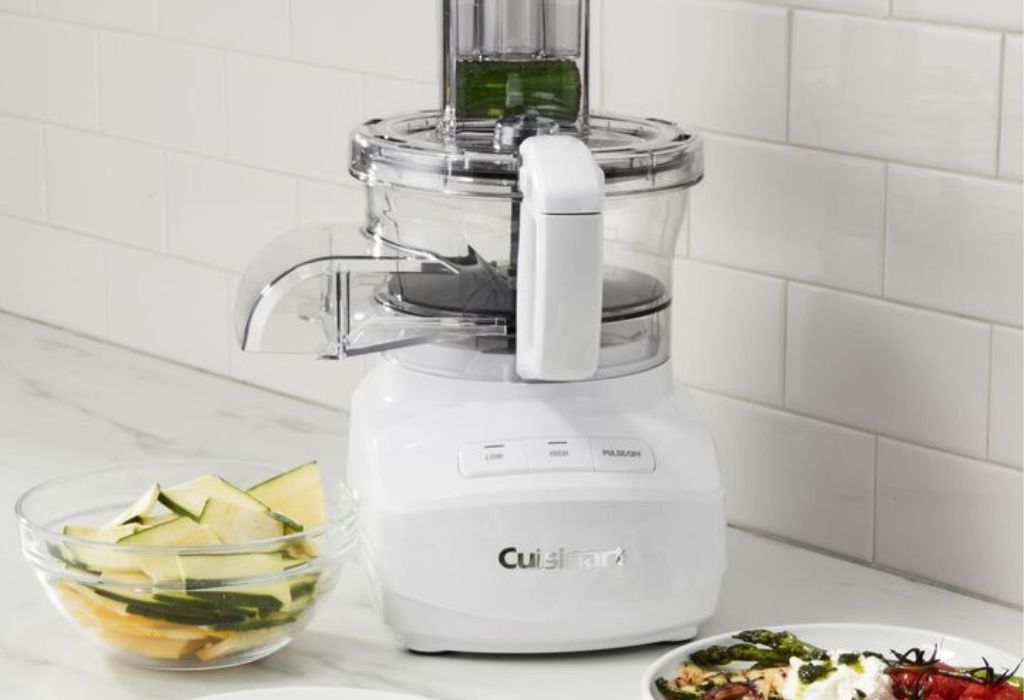
Nut butter preparation requires high wattage because nuts resist grinding. High watt torque powers through tough nut fibers. The result becomes smooth without overworking the motor.
Dough kneading also demands strong motors. Dough becomes heavier during mixing and needs consistent force. Low watt motors struggle and heat rapidly.
Grinding frozen fruit or ice creates impact forces. These impacts require stability and torque. Higher watt motors handle them smoothly.
Shredding large quantities of food also benefits from high wattage. More power means blades maintain speed under load. This keeps slices clean and even.
Pureeing thick soups without much liquid stresses weak motors. High watt processors break down ingredients without overheating. They produce silky textures faster.
Grinding meat requires cutting through tough fibers. High watt motors prevent clumping and heat buildup. The meat texture stays cold and clean.
All these tasks highlight why wattage matters. Heavy-duty cooking needs heavy-duty power. The right wattage ensures performance and safety.
Tips for Choosing the Right Wattage Food Processor
Consider how often you cook heavy foods. Frequent bakers and home chefs benefit from processors above 800 watts. Occasional cooks can settle for lower wattage.
Match wattage to bowl size. Large bowls require higher watt motors for consistent performance. Smaller bowls work fine with lower power.
Check what tasks you do most. If you make dough or nut butter, choose higher wattage. For chopping and slicing only, mid-level wattage works.
Quality matters just as much as wattage. Trusted brands engineer motors efficiently. A well-built 700-watt machine can outperform a poorly built 1000-watt machine.
Read the manufacturer’s task recommendations. They list wattage needs for each function. Following these guidelines prevents mismatched usage.
Budget also influences wattage choice. Higher watt models cost more but last longer. Consider long-term value more than upfront cost.
Choosing wattage wisely ensures smooth performance. It improves cooking experience and machine durability. Proper wattage prevents overheating and frustration.
Conclusion
Choosing the right wattage for a food processor is essential for achieving smooth performance, longer motor life, and consistent processing results.
Wattage determines how much torque the machine can produce and how easily it handles tough ingredients like dough, nuts, and frozen foods.
Low-watt models are great for quick chopping and light tasks, but they struggle under heavy workloads. High-watt machines stay cooler, process faster, and deliver far more reliable power during dense or resistant tasks.
Understanding wattage also helps prevent overheating and early motor failure. A processor with proper wattage maintains stable blade speed, stays quieter under pressure, and handles bigger batches without strain.
Pairing wattage with the correct bowl size ensures ingredients move smoothly and prevents the motor from working harder than necessary.
Whether you cook occasionally or use a processor daily, choosing the right wattage improves both workflow and appliance lifespan.
With the correct wattage, you get smoother purees, cleaner cuts, and consistent textures across every recipe. It also allows more confidence when handling demanding tasks like nut butter, dough, frozen fruit, or meat grinding.
Investing in the right wattage food processor ensures efficiency, durability, and a stress-free cooking experience for years to come.

I’m Emma J. Caldwell, the founder, lead writer, and home-cooking enthusiast behind KitchenGuideCo.com. With a background in culinary arts and over a decade of cooking experience in both professional and personal kitchens, I created this platform to demystify recipes, offer smart kitchen gadget reviews, and guide readers through meal prep with confidence and clarity.