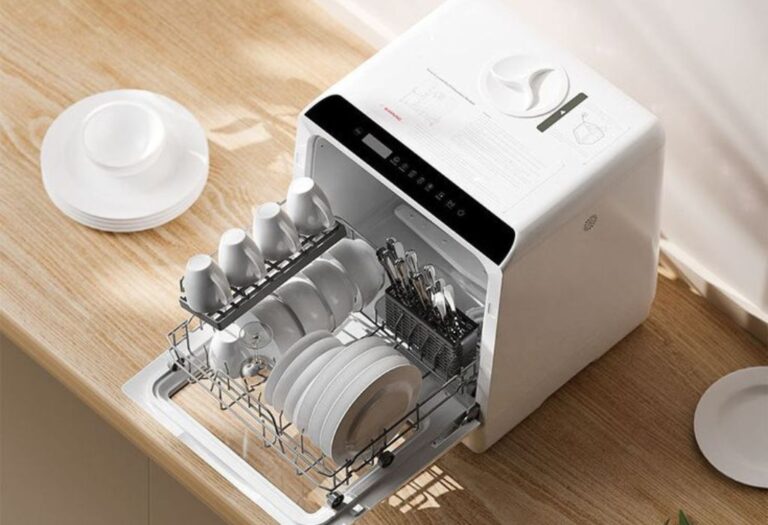
Most people load their dishwasher without thinking twice about detergent amounts, yet this single step affects cleaning performance more than many realize. Using too much detergent causes cloudy dishes, residue and leaks, while using too little leaves grease and food behind.
The confusion starts because dishwashers, water hardness and detergent types vary widely. Some machines need only a small amount of detergent, while others require a full dispenser to clean properly.
Homeowners often assume more detergent equals better cleaning, but the opposite is often true. Modern dishwashers use less water than older models, so extra detergent cannot dissolve fully.
Partially dissolved detergent sticks to dishes and creates white films, especially on plastic items. This buildup worsens over time and becomes difficult to remove.
People also forget that running a half loaded dishwasher requires different detergent amounts than running a heavy load. Adjusting the dosage makes a big difference in cleaning quality.
Understanding how much detergent to use prevents waste and keeps dishes cleaner with every cycle.
How Much Dishwasher Detergent To Use
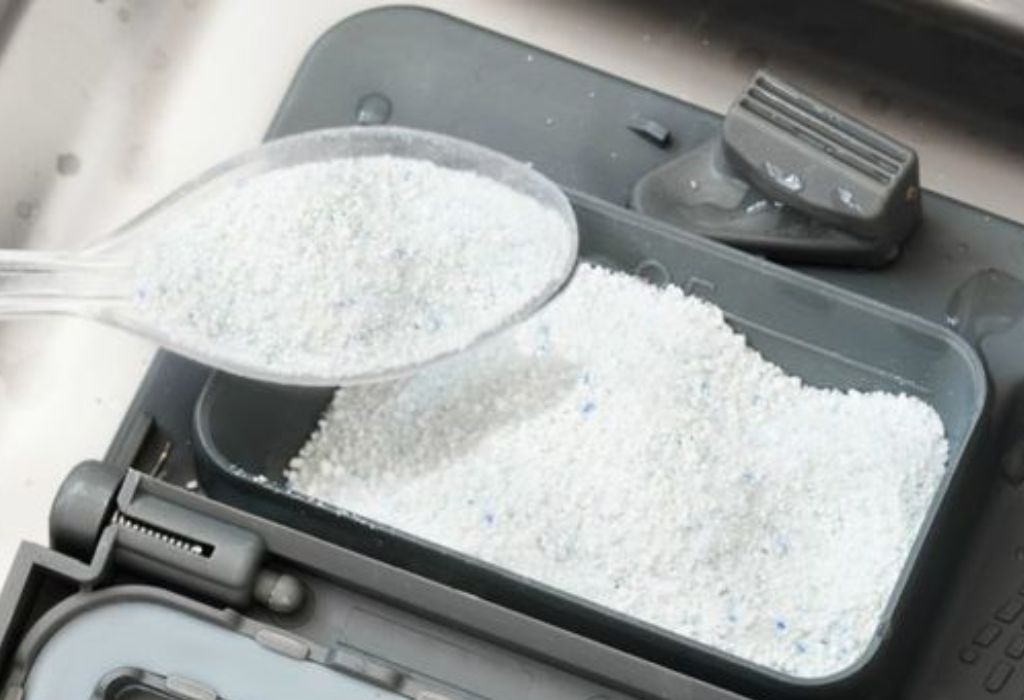
Most dishwashers require between one and two tablespoons of detergent for a full load. This range depends on detergent type and water hardness.
Pods contain a pre measured amount designed for average loads, so no extra detergent is needed. Overloading detergent causes streaking and cloudiness.
Powder detergent is flexible because you can measure the exact amount. Using too much powder creates extra suds.
Liquid or gel detergent requires the smallest amount because it dissolves quickly. Using more than needed reduces cleaning power.
Always check your user manual for model specific recommendations.
Is more detergent better
No, excess detergent reduces cleaning quality.
Do pods remove measuring guesswork
Yes, pods contain the correct amount for a normal load.
Should you fill the dispenser completely
Only if recommended by the manufacturer.
Does detergent amount affect residue
Too much leaves film on dishes.
Is one tablespoon enough
For many homes, yes.
How Water Hardness Affects Detergent Amount
Water hardness is one of the biggest factors in determining how much detergent your dishwasher needs. Hard water contains minerals that reduce detergent effectiveness.
In hard water areas, slightly more detergent is required to break down grease and remove stains. The minerals interfere with cleaning.
In soft water areas, using too much detergent causes excessive suds. Suds leave behind cloudy residue.
Testing your water hardness helps determine the ideal detergent amount. Simple test strips reveal mineral levels.
Homes with water softeners need much less detergent than average.
Using Detergent Pods Correctly
Pods are popular because they remove the guesswork from measuring detergent. Each pod contains a balanced formula for average water conditions.
Pods are placed directly in the dispenser rather than tossed into the tub. The dispenser helps control release time.
Using two pods for one load is not recommended. Doubling detergent leads to streaks and cloudy film.
Pods dissolve best in warm water cycles. Cold cycles may leave partial residue.
Pods simplify cleaning but still require proper dishwasher maintenance.
Can you cut pods in half
No, cutting breaks the formula balance.
Do pods work in all dishwashers
They work in most modern models.
Should you use two pods
One pod is enough for full loads.
Do pods dissolve in short cycles
Short cycles may require warm water.
Are pods stronger than powder
They contain concentrated cleaning agents.
How Much Detergent For Half Loads
Half loads require less detergent than full cycles. Using full detergent amounts on a half load creates excessive residue.
Most dishwashers allow users to reduce detergent to half a tablespoon for smaller loads. This amount cleans lightly soiled dishes well.
Pods are not ideal for half loads because they contain full strength detergent. Powder or gel offers better control.
Half loads often wash with reduced water volumes. Less detergent dissolves more effectively.
Adjusting dosage based on load size prevents overuse and streaking.
Influences Of Dishwasher Cycle Choice
Dishwasher cycles use different amounts of water and heat. Heavy cycles require slightly more detergent to break down tough stains.
Eco or quick cycles use less water. Using too much detergent in these cycles leaves film on dishes.
Hot cycles activate detergent more effectively. Lower temperature cycles may need detergent adjustments.
Selecting the right amount for the chosen cycle improves cleaning results. Combining the right cycle with proper detergent use prevents residue.
Cycle choice always affects detergent efficiency.
Does cycle type matter
Yes, water usage affects detergent needs.
Do heavy cycles need more detergent
Slightly more helps with difficult stains.
Do eco cycles need less
Less water means less detergent is required.
Is temperature important
Hot water dissolves detergent faster.
Should detergent be adjusted often
Small adjustments improve cleaning quality.
Signs You Are Using Too Much Detergent
If your dishes come out with a white or chalky film, you are likely using too much detergent. This residue sticks to plastic items most noticeably.
Seeing suds inside the dishwasher after the cycle means detergent did not dissolve properly. Excess suds interfere with spray arms.
Cloudy glasses even after rinsing indicate detergent buildup. Buildup grows with repeated overuse.
A strong chemical smell after a wash cycle is another warning sign. This smell comes from detergent left inside the machine.
Reducing detergent fixes these problems quickly.
Signs You Are Using Too Little Detergent
Grease left on plates means detergent levels were not high enough. Grease requires proper detergent strength to break down.
Food particles stuck to dishes after cleaning also indicate underuse. Insufficient detergent cannot suspend particles.
Unpleasant odors inside the dishwasher suggest food residue remains. Proper detergent amounts prevent buildup.
Cloudy water during the wash cycle may mean not enough detergent dissolved. Clear water should be present after detergent release.
Increasing the amount helps restore cleaning performance.
Can low detergent affect smell
Yes, leftover food creates odor.
Do dishes stay greasy
Insufficient detergent leaves oil behind.
Does food stick to plates
Underuse reduces cleaning strength.
Is water clarity affected
Low detergent limits suspension of particles.
Should dosage be increased
Adjust gradually to find the right level.
How Dishwasher Detergent Dispensers Work
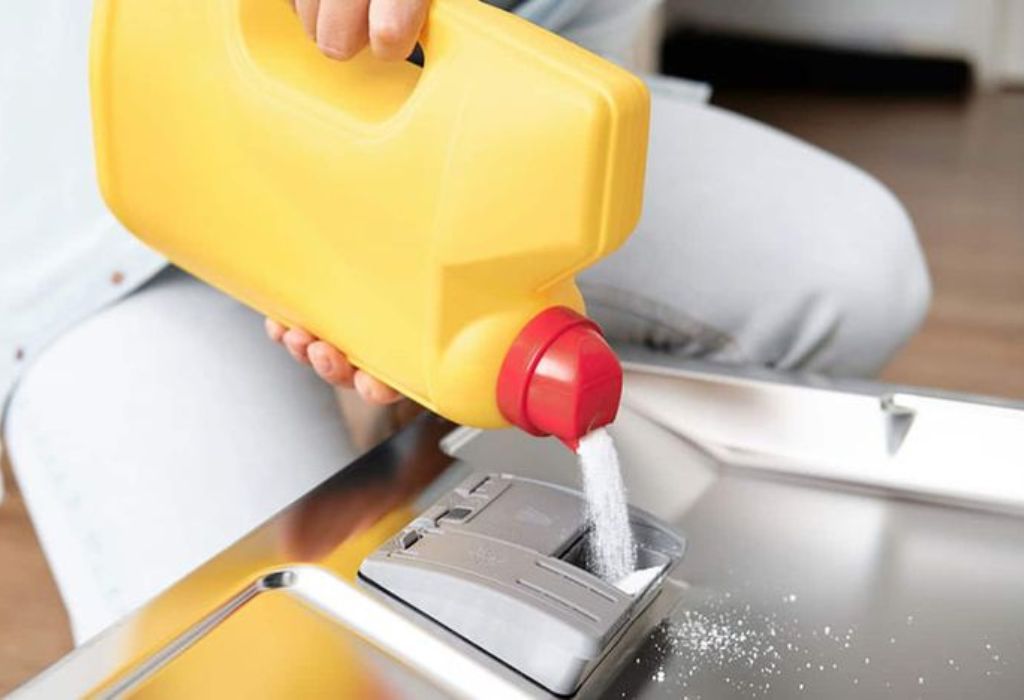
The detergent dispenser releases detergent at a specific time in the cycle. This timing ensures optimal cleaning.
Filling the dispenser beyond the recommended line disrupts the release process. Excess detergent spills out too quickly.
Powder and gel fill lines help guide correct measuring. Staying under the fill line prevents overuse.
Pods must always be placed inside the dispenser. Tossing them into the tub dissolves them too early.
A clean dispenser guarantees consistent detergent distribution.
Can You Use Homemade Dishwasher Detergent
Some people experiment with homemade detergents using baking soda or borax. These mixtures may seem natural but often damage dishwashers.
Homemade formulas lack enzymes needed to break down grease and food. Without enzymes, cleaning performance drops.
Vinegar based cleaners corrode rubber seals. Corroded seals cause leaks.
Dishwashers require professionally formulated detergent with balanced chemistry. Homemade options rarely provide this balance.
Using the wrong detergent type causes cloudy dishes and machine damage.
Preventing Detergent Buildup Over Time
Residue buildup occurs when excess detergent accumulates inside the dishwasher. This buildup becomes noticeable on dishes and internal surfaces.
Running a dishwasher cleaner once a month helps remove leftover detergent. These cleaners dissolve buildup safely.
Using rinse aid improves detergent efficiency. It prevents excess detergent from sticking to surfaces.
Rinsing heavy food debris off plates reduces detergent stress. Less debris means detergent can focus on cleaning instead of dissolving solids.
Maintaining a clean filter prevents detergent from clumping.
Can detergent buildup harm the dishwasher
Yes, it blocks spray arms and filters.
Do cleaners help
Monthly cleaners remove residue.
Does rinse aid reduce sticking
It allows detergent to rinse away smoothly.
Is filter cleaning important
A clean filter prevents clogs.
Does food debris increase buildup
Large debris reduces detergent efficiency.
Conclusion
Using the right amount of dishwasher detergent is essential for clean dishes, efficient cycles and long machine life. Too much detergent creates residue, streaks and cloudy film, while too little leaves grease and food behind.
Factors like water hardness, load size, detergent type and cycle choice all influence how much detergent you need. Pods simplify measuring, but powders and gels allow better fine tuning.
Understanding the signs of overuse and underuse helps keep the dishwasher performing at its best. Proper dosing prevents buildup, reduces odors and improves drying.
With the correct amount of detergent, every cycle becomes more effective and dishes come out spotless, shiny and ready to use.
Adjusting detergent based on your dishwasher and home water conditions ensures long term cleaning success.

I’m Emma J. Caldwell, the founder, lead writer, and home-cooking enthusiast behind KitchenGuideCo.com. With a background in culinary arts and over a decade of cooking experience in both professional and personal kitchens, I created this platform to demystify recipes, offer smart kitchen gadget reviews, and guide readers through meal prep with confidence and clarity.