Dishwashers are one of the most useful appliances in the kitchen, and most people notice immediately when something goes wrong.
A dishwasher that stops draining, fails to heat properly or leaves dishes dirty can disrupt your entire routine.When this happens, the first question many homeowners ask is how much it will cost to fix the issue.
Some problems appear small at first but can become costly if ignored. Other issues might seem serious yet require only simple repairs that cost much less than replacing the entire appliance.
This uncertainty makes people anxious, especially when they do not know whether calling a technician will result in a small service fee or a much larger bill.
Dishwasher repair costs depend on labor rates, replacement parts, the complexity of the problem and the age of the machine.
Understanding these cost factors helps homeowners prepare for the repair process without stress. A clear breakdown of expected prices helps prevent surprises.
People also worry about whether repairing an older dishwasher is worth the money. In some cases, replacing the dishwasher is more cost effective than repairing repeated issues. Learning how repair costs compare to replacement costs helps you make the right decision.
The following guide explains typical dishwasher repair costs, why prices vary and how to identify the most cost effective solution for your specific situation.
Average Cost to Repair a Dishwasher
The average cost to repair a dishwasher ranges from moderate to high depending on the part that fails. Most households spend between one hundred and two hundred dollars for common repairs. More complicated issues, however, can increase the cost significantly.
Simple repairs such as unclogging drains or adjusting door latches fall on the lower end of the price range. These tasks require minimal labor and inexpensive tools. Technicians can complete them quickly.
Repairs involving pumps, motors or heating elements usually cost more. These components require replacement rather than adjustment. Replacement parts increase material costs.
Electrical problems including wiring issues or faulty control boards add complexity to the job. Electrical work requires careful troubleshooting and additional time. This additional work raises the overall bill.
Older dishwashers often cost more to repair because parts are harder to find. Technicians may need to order components or use brand specific replacements. This increases the wait time and price.
High end dishwashers with advanced features also cost more to repair. Their parts are more specialized and rare. Repairing premium models requires special expertise.
The final cost always depends on your location, brand type and service provider. Understanding the average price range helps plan your budget. This prepares homeowners for the technician’s quote.
Common Dishwasher Repairs and Their Typical Prices
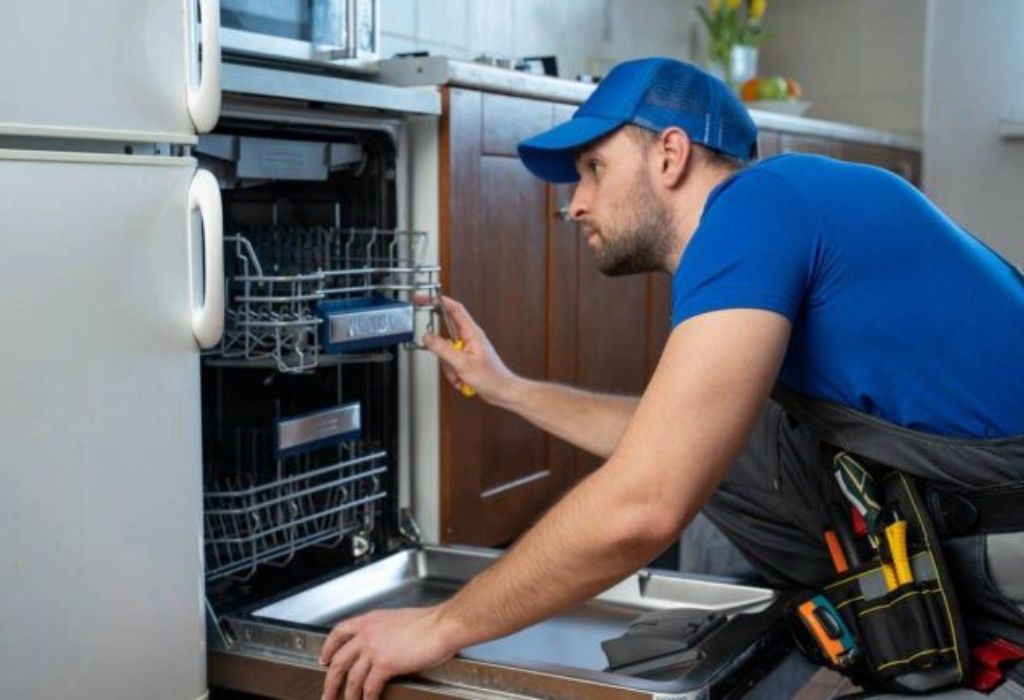
Replacing a dishwasher drain pump is one of the most common repairs. Drain pumps typically cost between one hundred and three hundred dollars including labor. This price varies depending on brand and availability.
Heating elements are also frequently replaced. A new heating element typically costs between one hundred and fifty and three hundred dollars. Installation requires partial disassembly of the dishwasher base.
A broken door latch or door switch is a smaller repair. These parts cost between fifty and one hundred dollars. Technicians replace them quickly with minimal labor charges.
Spray arm replacement also falls in the lower range. Spray arms cost fifty to ninety dollars depending on the model. They are easy to install and rarely require extensive work.
Control board replacement is one of the most expensive repairs. Control boards can cost between two hundred and four hundred dollars. Complex electronics increase both the cost and time required.
Replacing a circulation pump falls in the mid to high price range. These pumps cost between two hundred and three hundred fifty dollars. They require careful installation because they affect washing performance.
Water inlet valve repairs usually cost one hundred to one hundred fifty dollars. These valves control water flow into the dishwasher. When malfunctioning they cause filling issues.
Understanding these common repair categories helps predict pricing. Each issue has its own typical cost threshold. This makes repair quotes easier to evaluate.
How Labor Costs Affect Dishwasher Repair Pricing
Labor cost is often the largest part of the repair bill. Technicians charge hourly rates that vary widely by region. Higher cost areas usually have higher labor charges.
Most technicians charge a diagnostic fee to inspect the dishwasher. This fee ranges from fifty to one hundred dollars. It is often applied toward the final repair cost.
Labor charges increase when repairs require disassembling parts of the machine. Removing panels, hoses or electrical components takes time. Additional time increases total labor rates.
Rush service or same day repairs also cost more. Quick response appointments require scheduling adjustments. These adjustments increase the overall rate.
Repairs involving electrical diagnostics require specialized skill. Skilled labor rates are higher due to training requirements. This expertise ensures safe and accurate repairs.
If the dishwasher is difficult to access, labor costs rise. Built in dishwashers sometimes require countertop removal or cabinet adjustments. This difficulty increases time on the job.
Technicians often give an estimate before beginning work. This estimate includes labor and part costs. Understanding labor rates helps interpret the quote.
How Emergency or Same Day Dishwasher Repairs Affect Cost
Emergency repair services often cost more because technicians must adjust their schedule to handle urgent issues. Same day appointments require priority handling. This increased demand raises the overall service fee.
When a dishwasher fails unexpectedly, homeowners may feel pressured to fix it quickly. Urgent repairs include electrical failures, water leaks or draining problems. These issues can cause immediate inconvenience.
Technicians charge additional fees for weekend or evening calls. Outside normal business hours, labor rates increase significantly. These added charges reflect the premium service window.
If the issue involves water leakage, emergency service is often unavoidable. Leaks can cause floor damage, mold growth and cabinet swelling. Fast repair prevents expensive secondary damages.
Some companies charge a flat emergency fee on top of diagnostic and labor fees. This fee compensates for rapid scheduling and travel. Understanding this helps homeowners anticipate costs.
Urgent repairs may require temporary fixes until full parts arrive. Temporary solutions add complexity to the job. This may increase total fees.
Emergency service is helpful when needed, but planning ahead reduces these costs. Routine maintenance avoids sudden breakdowns. Preventing urgent issues saves money over time.
How Dishwasher Brand and Model Influence Repair Costs
Premium brands such as Bosch, Miele or KitchenAid often cost more to repair. Their parts are more specialized and priced higher. Technicians typically charge extra for luxury appliances.
Basic models from brands like Whirlpool, GE or Frigidaire cost less to fix. Their parts are widely available and affordable. Repairs can be completed faster due to simpler design.
European brands often require longer wait times for replacement parts. Shipping delays increase overall repair time. Longer repairs often translate to higher labor costs.
Older models sometimes have discontinued parts. Technicians must locate compatible replacements. Searching for parts adds extra cost and time.
High end dishwashers include complex features such as advanced sensors or internal computers. These require more detailed troubleshooting. Complex troubleshooting increases both labor and cost.
Frequent malfunctions in older models increase repair frequency. Repeated service calls become expensive over time. Replacing the dishwasher may become more cost effective.
Understanding brand specific repair tendencies helps anticipate repair costs. Choosing a dishwasher known for easy part availability reduces future expenses. Awareness supports long term planning.
Repair Costs for Specific Dishwasher Issues
Drainage issues often fall into a moderate price range. Unclogging hoses or filters costs significantly less than pump replacement. Simple clogs typically cost seventy to one hundred dollars.
Leaks cost more depending on the source. Replacing gaskets or door seals costs between fifty and one hundred fifty dollars. Internal leaks require deeper disassembly and higher labor cost.
Water not heating usually indicates a failed heating element. Heating elements cost between one hundred and three hundred dollars with installation included. Temperature sensors may also require replacement.
Spray arm failures usually fall on the lower end of cost. Blocked or broken spray arms cost fifty to eighty dollars to fix. They improve cleaning performance once replaced.
Circulation pump failure represents one of the more expensive repairs. These pumps cost two hundred or more. Installation is detailed and increases labor cost.
Control panel or keypad issues often require full replacement. These repair costs range from one hundred fifty to three hundred dollars. Electronic components degrade faster in older dishwashers.
Knowing the typical price for specific repairs helps homeowners plan budgets. Repairing the exact issue becomes predictable. This knowledge improves financial decisions.
When Repairing a Dishwasher Is Worth the Money
Repairing your dishwasher is worthwhile when the appliance is relatively new. Newer machines typically have longer lifespans remaining. Repairing a small issue saves money long term.
If the repair cost is less than half the price of a new dishwasher, repairing often makes sense. Small repairs restore functionality quickly. This prevents unnecessary appliance waste.
Well maintained dishwashers usually survive many more years with minor repairs. Fixing simple problems keeps them running efficiently. Maintenance supports longer lifespan.
Sometimes the issue involves only cleaning or minor parts. Simple cleaning prevents expensive repairs. Regular cleaning is cost effective.
Premium dishwashers cost much more to replace than repair. Expensive brands justify repairs because replacement cost is higher. Their parts are also built to last.
If the dishwasher model is known for reliable performance, repairing makes sense. Strong reliability reduces future repair risk. Keeping a dependable machine is smart.
Choosing repair over replacement depends on overall appliance condition. A technician’s assessment helps determine best value. Making an informed choice protects your budget.
When It’s Better to Replace Instead of Repairing
If your dishwasher is more than ten years old, replacement often becomes more cost effective. Older machines fail more frequently. Frequent repairs add up quickly.
When repair costs exceed half the price of a new model, replacing is usually smarter. Investing too much into an aging appliance wastes money. Newer models are more energy efficient.
Multiple failing components indicate deeper mechanical issues. Replacing several parts becomes expensive. This signals the dishwasher is reaching end of life.
If the control board fails, replacement may be best. Control boards cost a significant amount. They often signal future failures.
Dishwashers with rust, mold or interior damage should be replaced. Internal damage affects cleaning performance permanently. Replacement restores efficiency.
High energy bills may indicate inefficient performance. Newer dishwashers use less water. Lower utility costs justify replacement.
Deciding between repair and replacement saves money long term. Evaluating condition carefully helps find the right approach. Smart decisions maximize appliance value.
How Regular Maintenance Reduces Future Repair Costs
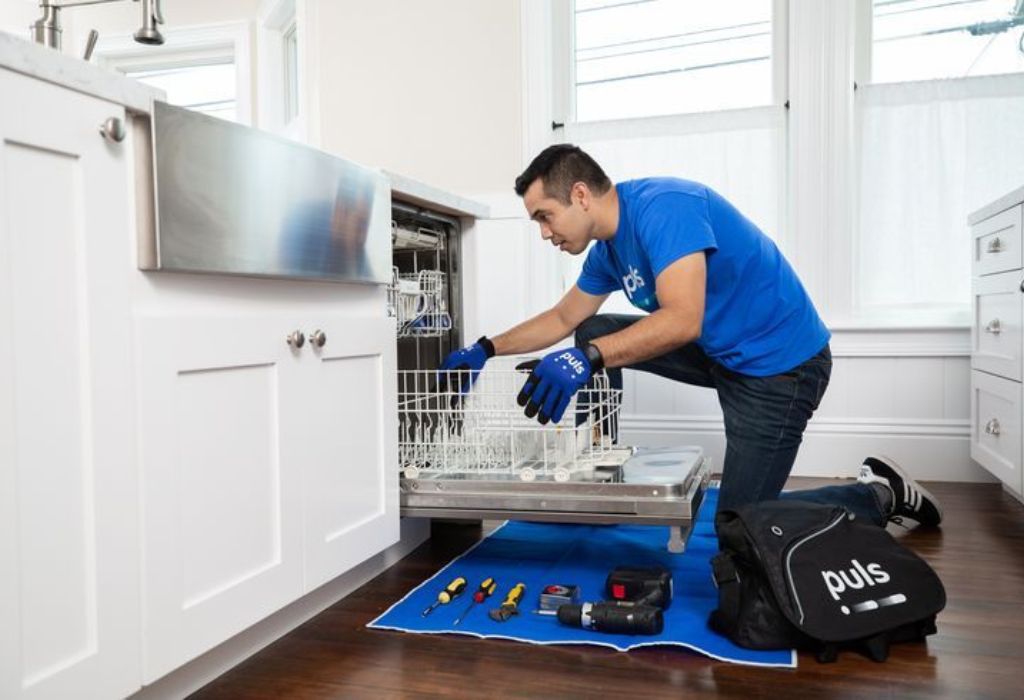
Routine maintenance prevents many common dishwasher problems. Keeping filters clear and drains unclogged reduces stress on pumps and motors. This lowers the need for major repairs.
Cleaning spray arms ensures proper water pressure. When spray arms become blocked, the dishwasher works harder than necessary. Extra strain increases the risk of costly component failure.
Running the dishwasher with hot water improves cleaning results. Hot water dissolves grease and reduces buildup inside the machine. This keeps circulation systems functioning properly.
Inspecting door seals regularly prevents leaks. Damaged seals allow water to escape and damage surrounding cabinets. Replacing seals early avoids expensive moisture repair.
Using dishwasher safe detergents preserves internal components. Harsh chemicals degrade plastic parts faster. Proper detergent reduces wear and tear.
Checking the water inlet valve helps maintain steady water flow. If the valve clogs, the machine fills incorrectly. This leads to more complex repairs later.
Routine maintenance costs very little compared to major repairs. A few simple habits reduce breakdowns dramatically. Consistent care extends the dishwasher’s lifespan and prevents unexpected expenses.
Frequently Asked Questions on Dishwasher Repair Fees
How much does a typical dishwasher repair cost?
Most repairs cost between one hundred and three hundred dollars depending on the issue.
Is it cheaper to repair or replace a dishwasher?
Repairing is cheaper if the machine is newer and repair cost is low.
How much is a technician diagnostic fee?
Diagnostic fees range from fifty to one hundred dollars.
Do labor costs vary by location?
Yes urban areas usually have higher labor charges.
Is pump replacement expensive?
Pump repairs cost between two hundred and three hundred dollars.
Why are control board repairs costly?
Control boards require specialized parts and complex troubleshooting.
How long does a repair usually take?
Simple repairs take under an hour while complex ones take longer.
Are older dishwashers more expensive to repair?
Yes older models need rare parts and more labor.
Can multiple issues increase repair cost?
Yes combined repairs quickly increase total cost.
Is dishwasher repair covered by warranty?
Newer machines may have active warranties for certain parts.
Conclusion
Dishwasher repair costs vary widely depending on the part that fails, the brand of the appliance and the level of labor required to fix the issue.
By understanding typical prices for common problems, homeowners can make confident decisions when choosing between repairing or replacing their dishwasher. Knowing these cost ranges helps avoid surprises and saves money long term.
Minor issues such as clogs, seals or spray arm problems are usually affordable to fix, while more serious problems like pump or control board failures require higher investment.
Deciding whether to repair depends on the dishwasher’s age, overall condition and future reliability. Evaluating these factors ensures smarter financial choices.
With proper care, many dishwashers can last for years after a minor repair. Learning about repair costs helps homeowners plan ahead and maintain their appliance more effectively.
An informed approach ensures cleaner dishes, fewer breakdowns and long lasting kitchen convenience.

I’m Emma J. Caldwell, the founder, lead writer, and home-cooking enthusiast behind KitchenGuideCo.com. With a background in culinary arts and over a decade of cooking experience in both professional and personal kitchens, I created this platform to demystify recipes, offer smart kitchen gadget reviews, and guide readers through meal prep with confidence and clarity.