Dishwashers are found in millions of homes, yet many people do not know how much electricity they truly use. Some assume the appliance consumes a lot of power because it heats water and runs for long periods.
Others believe dishwashers use almost no electricity compared to handwashing. The mix of opinions often leads to confusion, especially when homeowners try to lower their monthly utility bills.
Most energy usage questions arise when someone receives a higher electricity bill or when a dishwasher begins running more frequently.
People start wondering whether the appliance is the cause. Since dishwashers operate quietly and smoothly, it is easy to underestimate how much energy goes into heating water and drying dishes.
Electricity usage depends on several factors. The model, the cycle chosen, the temperature of the water and the frequency of use all influence consumption.
Understanding these factors helps people make better decisions about energy efficiency. Once they learn how dishwashers consume electricity, it becomes easier to control household energy use.
Dishwashers are more efficient than many people think. Modern models use far less electricity than older ones and are designed to conserve both water and power.
However, every dishwasher uses a measurable amount of electricity, and learning how this energy is consumed helps households reduce unnecessary usage.
This article explains how much electricity dishwashers use, what affects their consumption and how to lower energy costs. With the right knowledge, you can run your dishwasher efficiently without worrying about wasted electricity.
How Much Electricity A Dishwasher Uses Per Cycle

A typical dishwasher uses between one and three kilowatt hours of electricity per cycle. The exact amount depends heavily on the model and the settings chosen. Energy efficient machines usually fall on the lower end of this range.
The heating element inside the dishwasher is the largest energy consumer. Heating water to wash and rinse dishes requires substantial power. Drying cycles also increase consumption.
Normal cycles use more energy than quick cycles. Longer washing times and hotter water require additional electricity. Quick cycles reduce both time and heat.
Older dishwashers tend to use more power. Their heating elements are less efficient and their water usage is higher. Modern sensors help newer machines save energy.
Energy Star certified dishwashers consume less power per cycle. These models are designed to minimize electrical and water waste. Their internal components operate more efficiently.
Understanding the energy used per cycle helps estimate household consumption. These numbers allow families to plan electricity use wisely.
What Factors Increase Dishwasher Electricity Use
Hotter water settings dramatically increase energy use. The dishwasher must heat water to high temperatures, which requires more electricity. Higher heat improves cleaning but raises costs.
Longer cycles consume additional power. Extended washing and heated drying use more energy than short programs. Selecting appropriate cycles helps reduce waste.
Drying functions create significant energy demand. Heated drying uses large amounts of electricity. Air dry settings reduce this consumption.
Older dishwashers lack modern efficiency features. They run longer, heat water less efficiently and use more power. Upgrading to a newer model saves energy over time.
Clogged spray arms or dirty filters weaken performance. When the machine struggles to clean, it runs longer or requires repeat cycles. This increases electricity consumption.
Running half loads wastes power. The dishwasher uses nearly the same energy regardless of load size. Full loads use electricity more efficiently.
Understanding these factors helps reduce energy costs. Careful use ensures long lasting efficiency.
Does hot water increase electricity use?
Yes, hotter water requires more heating power.
Do long cycles consume more energy?
Long cycles use more electricity due to extended operation.
Is heated drying expensive?
Heated drying uses significant power.
Do clogged parts raise consumption?
Yes, poor performance leads to repeated cycles.
Are half loads inefficient?
Half loads waste energy compared to full loads.
How Much Electricity Dishwashers Use Monthly And Yearly
Electricity use per month depends on the frequency of washing. Running the dishwasher once a day uses between thirty and ninety kilowatt hours monthly. Running it a few times a week reduces this number.
Yearly electricity use ranges from three hundred to one thousand kilowatt hours. The exact number depends on the model and household habits. Energy efficient dishwashers tend toward the lower end.
Families with large households run dishwashers more often. Increased frequency leads to higher annual energy consumption. Small households use less electricity.
Seasonal changes also influence energy use. Hotter climates reduce energy needed to heat incoming water. Colder climates require more power for heating.
Electricity rates affect the total cost. Higher rates increase monthly bills even when usage stays the same. Lower rates reduce total expenses.
Estimating yearly use helps households understand long term costs. Tracking consumption encourages better energy habits.
How Water Temperature Affects Electricity Consumption
Hotter water requires more electrical power to heat. Dishwashers heat water internally or use preheated water from the heater. Both methods consume energy.
Lower temperature settings reduce electricity use. Warm water cleans effectively for many loads. High heat is needed only for heavily soiled dishes.
Incoming water temperature affects heating demand. Cold water requires more energy to reach washing temperature. Warm incoming water reduces this need.
Distance from the water heater influences energy consumption. Long pipe paths lose heat during travel. The dishwasher must compensate by heating more.
Hard water slows cleaning performance. Mineral buildup forces the machine to run longer. Longer cycles increase power use.
Maintaining stable water temperature improves efficiency. Balanced heat reduces electricity waste.
How Heated Drying Increases Power Consumption
Heated drying relies on the dishwasher’s heating element. This element draws significant electricity to evaporate moisture. The process uses as much power as the wash cycle.
Air drying consumes less electricity. Opening the door slightly after the wash cycle lets steam escape naturally. This reduces energy use without affecting results.
Heated drying runs for extended periods. Long drying times increase power demand. Choosing shorter settings saves energy.
Some dishwashers use fans to circulate warm air. These fans consume electricity, though less than heating elements. Fan drying still requires additional power.
Plastic dishes remain wet longer. More drying time means more electricity. Choosing air dry reduces energy for plastic items.
Disabling heated drying reduces overall consumption significantly. Many households save noticeable power by switching to air dry modes.
Is heated drying the biggest energy drain?
It is one of the highest energy consuming features.
Does air drying save money?
Yes, air drying uses almost no electricity.
Do plastic dishes dry slowly?
Plastic retains moisture longer.
Can I open the door to dry dishes?
Yes, steam escapes and reduces drying time.
Is fan drying efficient?
It uses less energy than heated drying but still consumes power.
Energy Star Dishwashers And Their Power Savings
Energy Star dishwashers are engineered for efficiency. They use advanced components to lower energy and water consumption. Their sensors adjust washing based on load size.
These models use less hot water. Lower water temperatures reduce energy demand. Efficient heating systems minimize waste.
Energy Star dishwashers spray water with higher precision. Stronger pressure cleans effectively with less heat. This reduces electricity consumption.
Drying systems in efficient models consume less power. Many rely on condensation drying instead of heating. Condensation drying uses minimal electricity.
Advanced insulation reduces heat loss. Effective insulation shortens heating time. Shorter heating cycles lower energy use.
Upgrading to an Energy Star model often reduces household consumption. These machines save electricity over many years.
How Often Should You Run Your Dishwasher For Efficiency

Running the dishwasher only when full maximizes efficiency. Full loads use electricity more effectively than partial loads. This reduces monthly consumption.
Washing dishes daily increases power usage. Running the dishwasher every two days saves energy. Spacing out cycles lowers electricity demand.
Quick cycles may be more efficient for lightly soiled dishes. These cycles use less water and electricity. They shorten cleaning times significantly.
Avoid running the dishwasher during peak hours. Off peak electricity rates are often cheaper. Running at night reduces utility costs.
Maintaining the dishwasher improves efficiency. Clean filters and spray arms help the machine operate smoothly. Efficient machines use less power.
Choosing the right schedule reduces energy waste. Organized washing habits help families control electricity use.
Are daily cycles expensive?
Daily cycles increase overall power consumption.
Are quick cycles efficient?
Quick settings reduce energy use for light loads.
Should I avoid peak hours?
Off peak hours provide cheaper electricity.
Does maintenance help efficiency?
Proper maintenance reduces strain on the machine.
Is running full loads better?
Full loads maximize energy efficiency.
How Dishwasher Size Affects Electricity Use
Larger dishwashers hold more dishes and require more water. Heating more water increases electricity use. Bigger machines need more power for cleaning.
Compact models use less electricity. They heat smaller quantities of water. Their cycles finish faster and consume less energy.
Large families need full size machines. These households run dishwashers frequently. High usage increases overall electricity use.
Smaller homes benefit from compact dishwashers. Reduced frequency and smaller loads lower energy demand. They operate efficiently for light usage.
Built in models provide stable performance. Consistent energy use simplifies cost estimation. Portable models vary more widely.
Choosing the right size helps control energy costs. Proper sizing matches household needs effectively.
How Soil Level Settings Affect Electricity Use
The soil level setting determines how aggressively the dishwasher cleans. Higher soil levels require longer cycles and hotter water, which increases electricity use significantly. Lower soil levels shorten cleaning time and reduce overall consumption.
Heavy soil cycles rely on extended wash times to break down stubborn residue. Longer operation means the heating element stays active for more minutes. This adds to the electrical draw of each load.
Light soil cycles complete faster and use cooler water. These settings are ideal for dishes that are not heavily soiled. Using them reduces unnecessary heating.
Dishwashers with automatic soil detection help manage power usage. Sensors adjust water temperature and cycle length based on the level of food particles. This prevents wasted electricity.
Using heavy soil settings too often increases electricity bills. Choosing the right setting for the load reduces energy waste. Households save power simply by matching the cycle with the level of dirt.
Soil level choices have a measurable effect on consumption. Smart cycle selection can lower energy use without reducing cleaning quality. Understanding this feature helps maximize efficiency.
How Dishwasher Age Impacts Electricity Consumption
Older dishwashers use more electricity because their components are less efficient. Their heating elements take longer to raise water temperature. This extended heating time directly increases energy usage.
Worn out motors also affect energy efficiency. Motors lose strength and must work harder to move water through the system. This increased effort draws more power.
Aging dishwashers often lack advanced sensors. Without sensors, the machine cannot adjust cycles based on load conditions. This results in longer and less efficient operation.
Older insulation allows more heat to escape during cycles. Lost heat forces the heating element to work harder. Greater heating demand means higher electricity consumption.
As dishwashers age, internal buildup becomes more common. Calcium deposits and food residue reduce spray pressure. Reduced performance causes longer cycles.
Upgrading an old dishwasher often brings immediate savings. Newer models are designed for lower consumption and optimized performance. Households benefit from reduced energy costs.
Do Different Dishwasher Brands Use Different Amounts Of Power
Different dishwasher brands vary in their approach to energy efficiency. Some brands specialize in low energy consumption by optimizing their heating elements. Others focus on powerful cleaning features that increase electricity use.
High efficiency brands use advanced sensors and targeted spray systems. These technologies reduce water heating needs. Reduced heating lowers electricity consumption.
Premium brands may include stronger drying systems. These drying systems require more electrical power because they rely on higher temperatures. Enhanced performance often means higher energy use.
Budget brands may lack efficient insulation. Poor insulation forces the heating element to work harder to maintain water temperature. This creates additional power usage.
The build quality of internal components also affects energy draw. Stronger motors and improved pump systems often run more efficiently than cheaper components. Better engineering leads to smoother operation.
Understanding brand differences helps buyers choose models based on long term savings. Selecting an energy efficient brand reduces household electricity use over time.
How Smart Dishwashers Reduce Electricity Usage
Smart dishwashers use sensors to optimize every part of the cleaning cycle. These sensors measure load size and soil level to determine the exact amount of heat and water required. This precise control reduces energy waste.
Smart wash programs adjust temperature continuously during the cycle. Instead of heating water unnecessarily, they apply heat only when needed. This controlled heating lowers electricity consumption.
Some smart dishwashers delay energy intensive tasks to off peak hours. Delayed start features reduce utility costs without affecting performance. The appliance works when electricity rates are lower.
Smart drying systems also reduce power usage. Many use condensation drying instead of heated drying. Condensation drying requires minimal electricity.
Energy monitoring features help users track consumption. These displays show how much electricity each cycle uses. Tracking encourages more efficient habits.
Smart dishwashers combine technology and efficiency. Their advanced systems help maintain strong performance while conserving electricity.
How Smart Dishwashers Reduce Electricity Usage
Smart dishwashers use sensors to optimize each part of the cleaning cycle. These sensors measure soil levels and adjust wash intensity automatically. The result is less wasted energy during every load.
Smart systems regulate water temperature with precision. They heat only the amount of water needed at the correct moment. This avoids unnecessary power consumption during the cycle.
Load detection technology improves efficiency further. The dishwasher recognizes when the load is small and reduces water and heat accordingly. This helps save energy on lighter washing days.
Delayed start features allow homeowners to schedule cycles during off peak hours. Off peak operation lowers utility costs and spreads energy demand more effectively. This feature is helpful for families trying to manage electricity expenses.
Smart drying systems rely on condensation rather than heating elements. Condensation drying uses temperature differences to remove moisture naturally. This method consumes very little electricity.
Real time energy monitoring helps users understand how much power each cycle consumes. Seeing these numbers encourages better habits and more efficient cycle selection. Usage awareness often leads to long term energy savings.
Smart dishwashers combine advanced technology with efficient operation. Their sensors and automated adjustments create a more energy conscious cleaning routine. This balance between convenience and savings makes them ideal for modern homes.
Do smart dishwashers really save electricity?
Yes, smart models adjust heat, water and cycle time to reduce energy use.
Does load detection reduce power consumption?
Smaller loads trigger shorter cycles and lower heating demand.
Is condensation drying more efficient than heated drying?
Condensation drying uses very little electricity and saves energy.
Do smart sensors make a big difference in savings?
Smart sensors prevent unnecessary heating and reduce wasted power.
Can a smart dishwasher lower my monthly bill?
Efficient cycles and reduced heating can noticeably lower electricity costs.
How To Reduce Dishwasher Electricity Use At Home
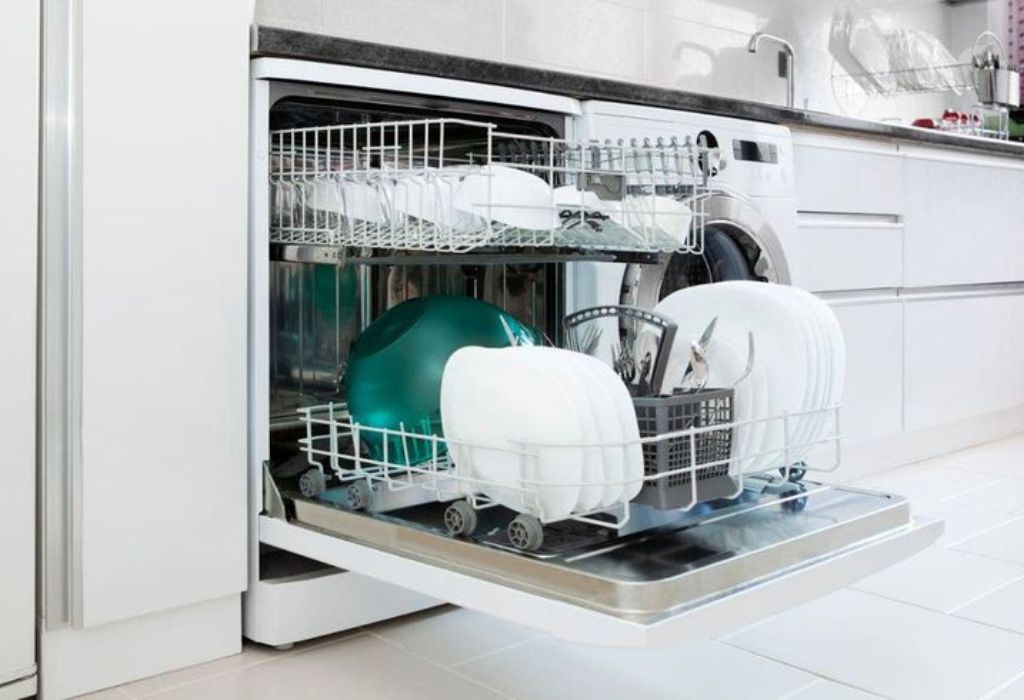
Use cooler wash settings for everyday loads. Warm water cleans effectively and saves energy. Lower heat reduces electrical demand.
Turn off heated drying when possible. Air drying completes the job without electricity. This simple habit saves power.
Rinse dishes lightly before loading. Removing heavy debris prevents extended cycles. Shorter cycles use less electricity.
Run full loads instead of partial ones. Full capacity uses electricity more efficiently. This maximizes each cycle’s value.
Clean filters regularly to maintain performance. Clean filters help the dishwasher operate smoothly. Efficient operation reduces power use.
Choose energy saving cycles if available. These cycles reduce temperature and cycle duration. They lower electricity consumption significantly.
Conclusion
A dishwasher’s electricity use depends on its model, settings and usage habits. Heating water and drying dishes consume the most energy, making cycle selection an important factor. When used wisely, dishwashers can clean efficiently without adding unnecessary costs to utility bills.
Energy efficient dishwashers reduce consumption by using lower temperatures, smarter sensors and improved drying systems.
Families can further lower electricity use by running full loads, choosing cooler settings and avoiding heated drying. Small changes in daily habits lead to noticeable long term savings.
By understanding how dishwashers consume electricity, homeowners can balance convenience with efficiency. With thoughtful use, dishwashers remain both practical and economical for everyday cleaning.

I’m Emma J. Caldwell, the founder, lead writer, and home-cooking enthusiast behind KitchenGuideCo.com. With a background in culinary arts and over a decade of cooking experience in both professional and personal kitchens, I created this platform to demystify recipes, offer smart kitchen gadget reviews, and guide readers through meal prep with confidence and clarity.