Coffee makers come in countless styles and price ranges, which often confuses buyers who expect a simple appliance but instead find dozens of models with different brewing systems.
Some machines cost less than a dinner, while others match the price of premium electronics depending on their features and build quality. Understanding what drives coffee maker prices helps you choose a machine that fits your budget and brewing needs.
Today’s market offers everything from basic drip models to high performance espresso systems, each designed for different levels of convenience and flavor control.
These differences in design and functionality create large price variations even within the same brand. Knowing what each machine offers helps prevent overspending on features you may never use.
Before purchasing a coffee maker, you should consider your daily habits and how much coffee you truly consume.
A casual drinker may only need a simple machine, while a devoted coffee lover may require advanced controls for temperature, grind and extraction. Choosing based on lifestyle rather than trends ensures long term satisfaction.
Coffee makers also differ in the way they prepare coffee. Some models rely on simple drip systems, while others use pressure based extraction that requires intricate engineering. These brewing differences influence both cost and taste.
Whether you enjoy basic morning coffee or prefer café style beverages at home, understanding the price structure allows you to make an informed decision.
A well chosen machine saves money in the long run and improves your daily coffee experience. This guide explains how much coffee makers cost and the factors that influence their pricing.
Why Coffee Maker Prices Vary So Much
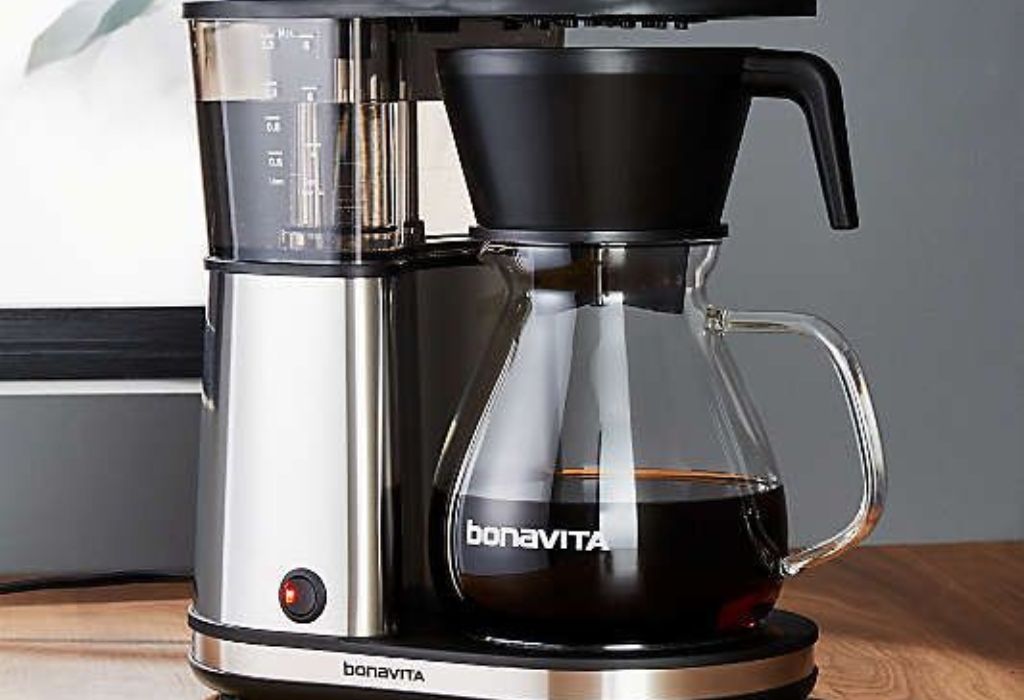
Coffee maker prices vary widely because each machine uses different technologies, materials and brewing systems to create its final cup. Basic models rely on simple heating elements and plastic housings, while advanced machines include high precision thermostats and durable metal construction. These design differences naturally influence manufacturing costs.
Brand reputation plays a major role in pricing. Well known brands invest heavily in research, durability testing and advanced brewing technology, which often increases price. Customers pay more because they trust the performance of established brands.
Materials also affect cost significantly. Stainless steel machines last longer and maintain heat better than plastic ones, which makes them more expensive. Machines with premium components justify higher pricing because of their extended lifespan.
Brewing technology is another major factor in price. Machines that control temperature precisely, brew under pressure or include digital programming require more engineering. These additional features increase cost but improve performance.
Performance level impacts how much you pay. A machine that brews faster, quieter or more consistently usually costs more than a basic model. Performance features improve user experience and long term satisfaction.
Market variations such as retail promotions, seasonal discounts and online pricing differences also affect costs. Some machines are discounted frequently, while others rarely drop in price. Choosing the right buying time helps save money.
Understanding these price variations helps buyers make informed decisions. Knowing why some machines cost more allows you to choose based on value rather than marketing. This approach ensures you get the best machine within your budget.
Different Types of Coffee Makers and Their Average Prices
Drip coffee makers are the most common and affordable choice. Basic drip models start as low as twenty dollars and offer simple brewing functions. Mid range drip machines with timers and brewing controls usually cost between fifty and one hundred dollars.
Single serve coffee makers, such as pod based systems, offer convenience with minimal cleanup.
These machines range from fifty dollars for basic models to over one hundred fifty dollars for multi beverage systems. Their price reflects the convenience and technology needed to brew individual servings quickly.
Espresso machines cost more because they rely on pressure based extraction. Manual espresso makers begin around one hundred dollars, while semi automatic and fully automatic machines range from three hundred to two thousand dollars. High end machines include temperature control systems and advanced pressure pumps.
French presses and manual brewers remain the most budget friendly options. These tools cost between ten and fifty dollars depending on size and material. Although inexpensive, they require manual work and do not include heating elements.
Smart coffee makers include WiFi connectivity, app control and programmable brewing. These advanced features come with higher prices, usually between one hundred and three hundred dollars. Smart machines offer convenience for users who enjoy automation.
Specialty brewers such as cold brew towers, pour over stations or high precision thermal brewers fall into variable price ranges. Some cost fifty dollars, while advanced models exceed three hundred. Their price depends on construction materials and brewing precision.
Different coffee makers serve different needs, which naturally influences their prices. Understanding each type helps you choose based on desired flavor, convenience and long term value. This ensures you select the best brewer for your lifestyle.
Low Budget Coffee Makers: What You Get for the Price
Low budget coffee makers focus on essential brewing tasks without advanced features. These machines typically cost between fifteen and forty dollars and are ideal for basic daily brewing. Budget friendly models use simple heating systems that provide acceptable performance.
Most low cost machines include plastic construction, which keeps prices down. Plastic housings are lightweight and inexpensive but may not retain heat well. While functional, they may not last as long as mid range or high end models.
The brewing performance of budget machines is usually straightforward. They deliver basic coffee flavor without specialized temperature control. Users who prefer simple convenience often appreciate this approach.
Budget models rarely include programmable settings. Instead, they focus on basic on off operation. This simplicity suits users who want quick and easy brewing.
The lifespan of low budget machines depends on usage frequency. Daily use may reduce durability over time. Occasional users, however, benefit from adequate performance without significant cost.
These machines are best for students, small households or anyone needing a simple and affordable coffee solution. They offer quick brewing with minimal maintenance. Their ease of use appeals to beginners.
Low budget coffee makers provide reliable everyday performance at a minimal price. They lack advanced features but serve basic needs effectively. For simple brewing, these machines offer excellent value.
Mid Range Coffee Makers: Balance Between Quality and Cost
Mid range coffee makers offer a strong balance between performance and affordability. These machines usually cost between fifty and one hundred fifty dollars depending on brand and features. They appeal to users who want better flavor without paying luxury prices.
Mid range models often include enhanced brewing features. Many come with programmable timers, auto shutoff systems and improved heating elements. These additions create more control and consistency for daily use.
Build quality improves noticeably at this price point. Manufacturers often use stronger plastics, stainless steel components or reinforced internal parts. These upgrades increase durability and improve long term performance.
Temperature control becomes more precise in mid range machines. Better thermostats help maintain consistent extraction, which improves flavor quality. Consistent temperatures produce smoother and richer coffee.
Some mid range machines include brew strength settings. These settings allow you to adjust water flow or extraction time. This gives users more freedom to customize their coffee based on taste preference.
Versatility also improves in this range. Some models brew single cups, full pots or specialty beverages. This versatility suits households with different coffee habits.
Mid range coffee makers provide excellent value for users wanting quality and convenience. They offer noticeable improvements over budget machines without reaching luxury pricing. This category works well for everyday coffee lovers.
High End Coffee Makers: Premium Features and Longevity
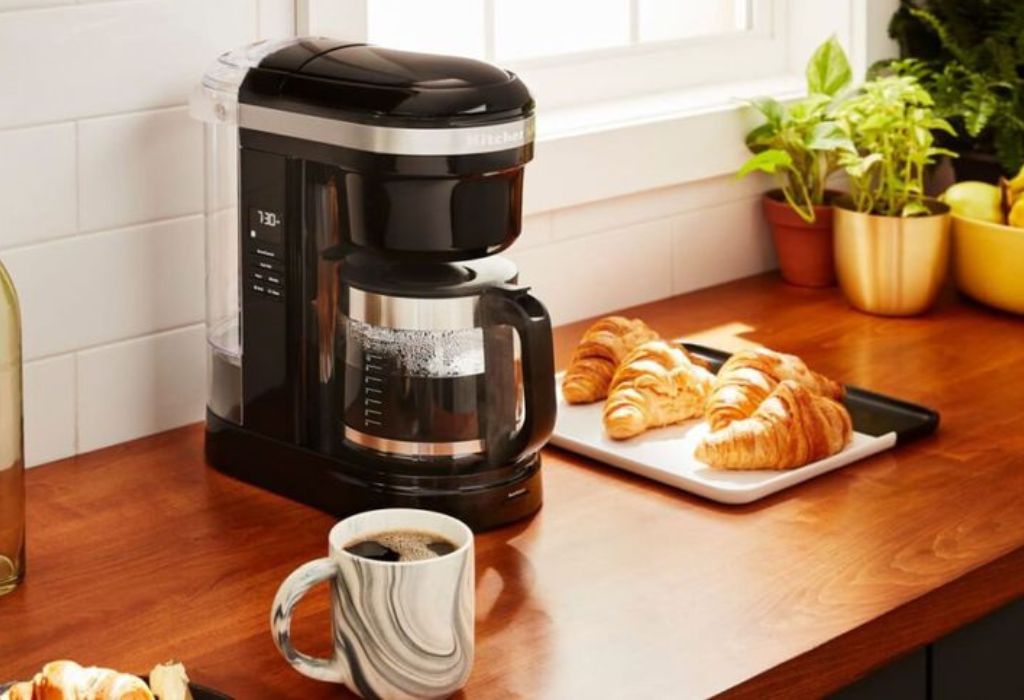
High end coffee makers represent the top tier of performance, durability and customization. These machines usually cost between two hundred and one thousand dollars depending on design and technology. They are built for users who want café level results at home.
Premium machines include advanced heating systems that maintain accurate temperatures throughout the brew cycle. These systems prevent heat loss and create optimal extraction. Precision heating produces exceptional coffee flavor.
High end models often feature fully customizable brewing settings. Users can adjust temperature, strength, pre infusion time and serving size. These adjustments allow complete control over taste and aroma.
Superior construction materials define this category. Stainless steel, brass and metal components replace cheaper plastic parts. These materials increase longevity and reliability.
Luxury machines often include integrated grinders. Built in burr grinders create fresh grounds for every brew. Grinding immediately before brewing enhances flavor significantly.
Specialty capabilities such as espresso extraction, milk frothing and custom brewing programs add to the value. These features create café style beverages without leaving home. They suit users who enjoy diverse coffee drinks.
The price of high end machines reflects their engineering and long term durability. They last longer, perform better and maintain consistent quality for years. Investing in a high end coffee maker pays off for dedicated coffee drinkers.
Key Features That Influence Coffee Maker Price
Several features directly impact the cost of a coffee maker. Machines with advanced heating technology or specialized brewing controls require more engineering. These components raise the final price but also improve performance.
Brewing temperature accuracy is a major factor. Machines that maintain stable temperatures produce more balanced coffee. Accurate temperature control requires higher quality thermostats.
Programmable settings increase convenience. Timers, delay start functions and automatic brewing add functionality. These features often appear in mid range and high end models.
Built in grinders significantly increase cost. Integrated burr grinders add complexity and require additional components. However, they improve flavor by grinding beans fresh before brewing.
Water filtration systems also affect price. Filters remove chlorine and impurities that alter flavor. Machines with advanced filtration systems offer cleaner and smoother taste.
Construction materials matter in pricing. Stainless steel lasts longer than plastic and resists heat better. Metal components improve quality but increase production cost.
Smart features such as app control, voice commands or WiFi connectivity also influence price. These features add convenience and automation. Their inclusion makes the machine more expensive.
Understanding which features add cost helps you choose wisely. Focusing on essential features prevents unnecessary spending. This ensures strong value for your budget.
How Brand Reputation Affects Coffee Maker Cost
Brand reputation plays a significant role in determining coffee maker prices. Well established brands invest heavily in quality control and technology. These investments increase their overall pricing.
Premium brands often include stronger warranties. A longer warranty reflects confidence in product durability. This additional security often justifies higher cost.
Reputable brands also conduct extensive research and testing. They refine brewing technology to produce better flavor and reliability. This innovation adds to production expenses.
Customer support quality varies by brand. Companies with strong service teams often charge more to maintain support levels. Good support ensures better long term ownership.
Brand history affects how consumers perceive value. Well known brands are associated with reliability, which encourages higher pricing. Lesser known brands may offer lower prices but inconsistent performance.
Premium branding influences market perception. Some buyers prefer paying extra for trusted names. These brands hold their value better in the long run.
Understanding brand influence helps you evaluate whether a price is justified. Sometimes you pay for engineering, and sometimes you pay for reputation. Knowing the difference ensures smarter purchasing decisions.
Hidden Costs of Owning a Coffee Maker
Coffee makers often appear inexpensive at first, but they come with ongoing costs that affect long term budgeting. Filters, cleaning supplies and electricity all contribute to ownership expenses. These hidden costs can accumulate over months of daily use.
Paper filters are a common recurring cost. While inexpensive individually, they add up over time for heavy coffee drinkers. Some users switch to reusable filters to reduce long term expenses.
Maintenance supplies are another cost to consider. Coffee makers require descaling to remove mineral buildup. Descaling solutions or vinegar must be purchased regularly to maintain performance.
Replacement parts may also be needed. Carafes, filter baskets and lids can break after extended use. Brands with affordable replacement parts reduce long term cost.
Electricity usage varies based on machine type. Machines with hot plates or programmable features consume more energy. Energy efficient models help lower monthly bills.
Coffee beans or pods create another significant cost. Pod based systems require proprietary pods, which cost more than regular beans. Drip machines allow more flexibility with coffee types.
Hidden costs influence the overall value of a machine. Understanding these expenses helps buyers choose a cost effective model. This ensures long term satisfaction with the coffee maker.
How to Choose the Right Coffee Maker Based on Your Budget
Choosing the right coffee maker starts with understanding your personal needs and daily habits. Someone who drinks multiple cups every morning may benefit from a durable mid range model. Occasional drinkers can often rely on simple budget machines.
Daily usage plays a major role in machine selection. Heavy users should consider machines that offer long term reliability. Frequent brewing requires stronger components and stable heating systems.
Cost efficiency depends on balancing price with performance. A cheap machine may require more maintenance or replacement costs over time. Investing slightly more often leads to better longevity.
Taste preference also affects selection. Users who enjoy strong or specialty coffee may prefer machines with adjustable strength and temperature settings. Basic models may not deliver the customization needed for advanced flavors.
Long term value matters when choosing a coffee maker. A well built machine can last years without major issues. This makes mid range and high end models attractive for serious coffee lovers.
Practical selection involves analyzing features without overpaying. Avoid unnecessary add ons that you will not use. Matching features to your lifestyle ensures better satisfaction.
Selecting the right coffee maker becomes easier with a clear budget in mind. Evaluating needs and comparing features helps narrow down choices. This approach leads to a smart and affordable purchase.
Where to Buy Coffee Makers for the Best Price
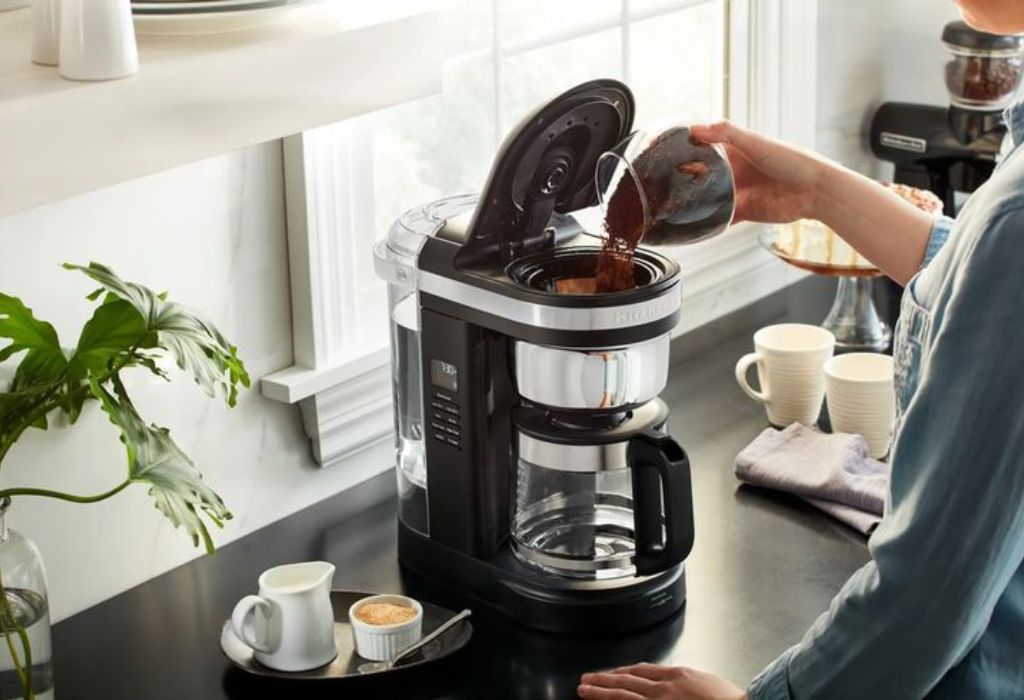
Coffee makers can be purchased from a variety of sources, each offering different advantages. Online marketplaces such as Amazon provide wide selection and competitive pricing. Customer reviews help compare models before buying.
Retail stores offer hands on evaluation. Seeing machines in person helps you judge size, build quality and design. Stores sometimes offer exclusive promotions or bundles.
Brand websites offer direct purchases with official warranties. Buying directly ensures authenticity and access to customer support. Some brands provide special deals during seasonal events.
Seasonal discounts provide great opportunities for savings. Black Friday, holiday sales and clearance events often lower prices significantly. Planning purchases during these periods helps stretch your budget.
Refurbished models can provide excellent value. These machines are restored, tested and sold at discounted prices. Refurbished units are suitable for budget conscious buyers seeking higher quality machines.
Warranty benefits vary across sellers. Some retailers offer extended warranties for added protection. Choosing sellers with strong warranty support provides long term confidence.
Knowing where to shop helps you find the best deal. Comparing options and waiting for discounts leads to substantial savings. This approach ensures maximum value for your investment.
Frequently Asked Questions About Coffee Maker Costs
Why do coffee maker prices vary so much?
Prices vary due to differences in brewing technology, build quality and brand reputation. Basic models are simpler, while advanced machines use precision heating and premium materials. These upgrades increase cost but also improve performance.
How much does a basic drip coffee maker cost?
Basic drip machines usually cost between fifteen and forty dollars. They provide simple brewing without advanced features. These models are ideal for casual coffee drinkers.
Are mid range coffee makers worth the price?
Yes, mid range machines offer better temperature control, stronger materials and more consistent flavor. They cost between fifty and one hundred fifty dollars. These features make them ideal for daily use.
How expensive are high end coffee makers?
High end machines cost between two hundred and one thousand dollars depending on technology and brand. They include advanced temperature control, pressure systems and premium materials. These features create café style performance at home.
Do coffee makers with built in grinders cost more?
Yes, built in grinders add complexity and higher quality components. These machines typically start around one hundred fifty dollars. Fresh grinding improves flavor but increases the overall price.
Are pod coffee makers more expensive to use long term?
Yes, pod systems are often costlier over time due to high pod prices. The machine itself may be affordable, but pod expenses add up quickly. Drip machines allow cheaper coffee options.
Do smart coffee makers cost more than regular models?
Smart machines with WiFi control, timers and app features generally cost more. These advanced functions make brewing convenient but increase price. They appeal to users who prefer automation.
Are expensive coffee makers more durable?
Usually yes, because they use stronger materials like stainless steel and higher quality internal components. This increases lifespan and reliability. In many cases, higher cost means better long term value.
Is it cheaper to buy refurbished coffee makers?
Refurbished units often cost significantly less while still offering strong performance. They are cleaned, repaired and tested by professionals. This option is great for saving money without sacrificing quality.
What is the best price range for most people?
Most households find excellent value in the fifty to one hundred fifty dollar range. These machines balance durability, flavor control and ease of use. It is the ideal range for everyday coffee drinkers.
Conclusion
Coffee makers come in a wide range of prices due to differences in design, technology and build quality. Understanding what affects cost helps buyers choose a machine that meets both budget and brewing expectations.
By examining features, materials and performance, you can make informed decisions without overspending.
Whether you prefer simple drip brewing or sophisticated espresso preparation, there is a coffee maker suited for your lifestyle.
Budget models offer quick convenience, mid range machines provide better control and high end units deliver café quality results. Each category has its own advantages depending on daily use.
Considering hidden costs and long term value helps achieve the best overall investment. A smart purchase balances upfront price with durability, maintenance and desired features. With the right knowledge, choosing a coffee maker becomes a simple and satisfying experience.

I’m Emma J. Caldwell, the founder, lead writer, and home-cooking enthusiast behind KitchenGuideCo.com. With a background in culinary arts and over a decade of cooking experience in both professional and personal kitchens, I created this platform to demystify recipes, offer smart kitchen gadget reviews, and guide readers through meal prep with confidence and clarity.