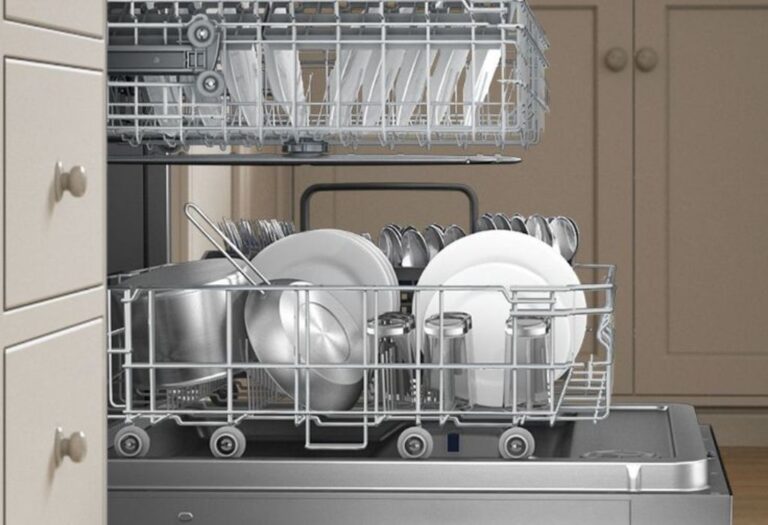
Every evening, after a long day, you load your Bosch dishwasher and press start. The gentle hum fills the kitchen as you walk away, confident your dishes will come out spotless. But have you ever stopped to think about how much water this machine actually uses?
Many people still believe dishwashers waste water, yet Bosch has spent decades proving the opposite. Through innovative engineering, precise sensors, and energy-saving cycles, Bosch dishwashers have become some of the most efficient appliances on the market.
In a world where water conservation is crucial, knowing how your dishwasher performs matters. Understanding the real water usage of a Bosch dishwasher not only helps you save resources but also cuts down utility bills.
This guide breaks down everything—from the exact gallons used per cycle to the technologies that make Bosch one of the most eco-friendly brands in modern kitchens.
Why Dishwasher Water Usage Matters
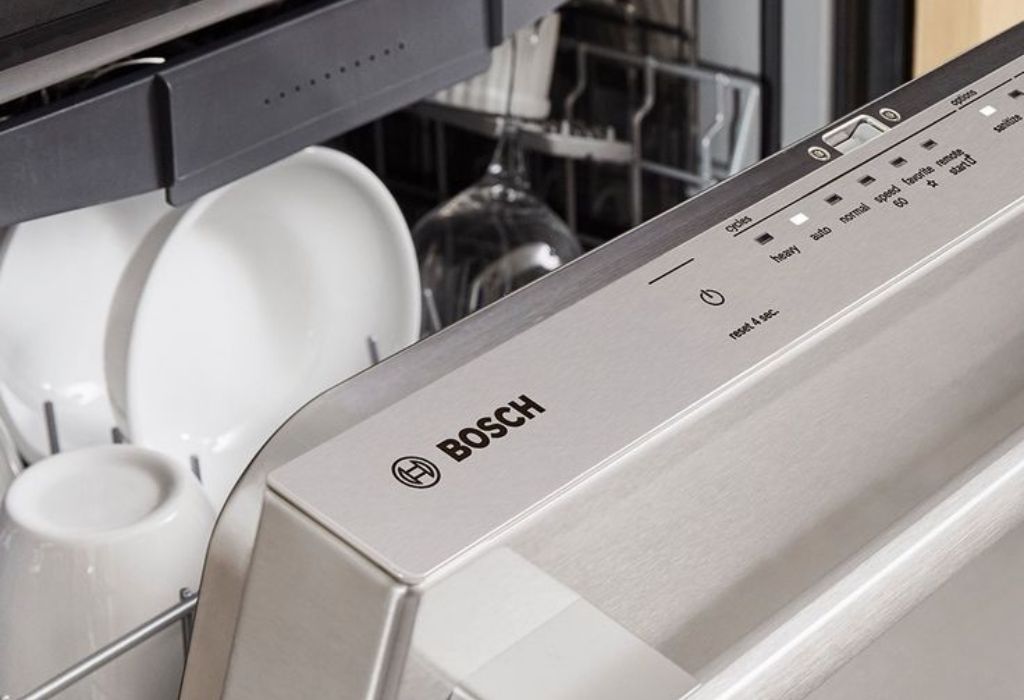
When we think of household water waste, we often imagine long showers or running taps. Yet dishwashing can account for nearly 10 percent of indoor water use. That’s why efficiency has become a core focus for modern home appliances.
A typical hand wash session can use up to 27 gallons of water per load, especially if the tap runs continuously. By contrast, most Energy Star-certified dishwashers—including Bosch—use less than 4 gallons per cycle. That’s a massive difference in both environmental and financial impact.
Bosch designs its dishwashers with sustainability in mind. From precision sensors that detect load size to advanced filtration systems, every detail aims to reduce waste. Understanding this balance between performance and conservation helps homeowners make smarter decisions about daily cleaning routines.
Does a dishwasher really save more water than washing by hand?
Yes. Hand washing can use up to 27 gallons, while most Bosch dishwashers use around 3–4 gallons.
Is water efficiency the same as energy efficiency?
Not exactly. Water efficiency measures usage per cycle, while energy efficiency reflects power needed for heating and pumping.
How much money can I save yearly by using a Bosch dishwasher?
Depending on usage, you can save $30–$50 annually on water alone compared to hand washing.
Average Water Consumption of Bosch Dishwashers
Bosch dishwashers are among the most efficient in the world. On average, they use 2.9 to 4.5 gallons (11–17 liters) of water per cycle, depending on model and program.
The Eco mode uses the least—around 2.9 gallons—while Normal cycles average 3.5 to 4.0 gallons. Older models or heavy-duty settings like Pots & Pans can consume closer to 5 gallons. Even then, Bosch remains ahead of most competitors, who average 5–6 gallons per load.
Bosch’s Energy Star certifications guarantee that water and energy use stay minimal without compromising cleaning quality. Over a year, that efficiency can save hundreds of gallons and significant energy costs.
When compared globally, the difference becomes even more striking: European dishwashers often use 9–10 liters per wash, while older U.S. models can exceed 20. Bosch’s precision German engineering clearly leads the way.
How Bosch Reduces Water Use Through Technology
Bosch dishwashers combine several smart technologies designed to minimize waste without lowering performance.
The ActiveWater™ system optimizes every drop through precision sensors and targeted spray patterns. Instead of flooding the interior, it circulates water strategically for maximum cleaning power.
Next comes AquaSensor™, which detects dirt levels in rinse water. Once the water runs clear, the system stops automatically, saving both water and energy.
The LoadSensor™ measures the number of dishes and adjusts the water volume accordingly. A small load uses far less water than a full one, while maintaining spotless results.
Finally, the PrecisionSpray™ arms ensure efficient water distribution, preventing overlap and reducing total consumption. Together, these systems allow Bosch to achieve premium cleaning with minimal waste.
What is Bosch’s ActiveWater technology?
It’s a system that optimizes water distribution using pressure sensors to ensure only the necessary amount is used.
Does using less water affect cleaning power?
No. Bosch’s spray arms and filtration keep pressure high while maintaining low water usage.
Are all Bosch dishwashers equipped with these technologies?
Yes. Even entry-level Series 100 models feature ActiveWater and AquaSensor functions.
Factors That Affect Dishwasher Water Usage
Although Bosch dishwashers are designed for efficiency, several external factors can alter consumption.
Cycle Type: Heavy-duty or Sanitize cycles naturally use more water to remove stubborn residue, while Eco or Quick cycles use less.
Load Size: Overfilling blocks spray arms, while running half-empty wastes water. The ideal balance ensures efficient cleaning and resource use.
Water Temperature: Hotter water cleans faster but requires more energy. Bosch balances this automatically through temperature sensors.
Maintenance: Clogged filters or blocked spray arms can reduce pressure, forcing longer rinse cycles. Regular cleaning helps maintain efficiency.
Water Pressure: Low household pressure may trigger longer cycles to compensate, slightly increasing total consumption.
Understanding and controlling these variables ensures your Bosch dishwasher always runs at peak efficiency.
Understanding Bosch Dishwasher Water Cycle Stages
A Bosch dishwasher doesn’t simply spray water at random; it follows a carefully engineered sequence of stages that ensures every dish is cleaned with maximum efficiency.
Each cycle—whether Eco, Normal, or Heavy—adjusts water flow, temperature, and duration based on sensor feedback. Understanding these stages helps you see how Bosch achieves spotless results using less than four gallons of water per cycle.
The process usually begins with a Pre-Wash Stage, where a small amount of water softens dried food and removes loose debris. This phase often uses less than half a gallon but plays a crucial role in preparing dishes for deeper cleaning. It also prevents residue from spreading during the main wash.
Next comes the Main Wash Stage, which handles the bulk of the cleaning. Bosch’s ActiveWater™ technology ensures precise water distribution through high-pressure spray arms. The temperature rises gradually, and detergent dissolves efficiently to remove grease and stains.
The Rinse Stage follows, using clean water to eliminate any remaining soap and residue. Bosch’s AquaSensor™ monitors water clarity and ends the rinse once it detects transparency, preventing unnecessary waste. This intelligent control ensures consistent cleanliness without overusing resources.
Finally, the Drying Stage uses residual heat and, in some models, Zeolite™ minerals to absorb moisture quickly. This step consumes no additional water but completes the energy-efficient cycle.
By dividing the cleaning process into these intelligent stages, Bosch dishwashers balance thorough washing with remarkable water savings. Every phase is optimized for precision, ensuring dishes shine while conserving both water and energy.
Comparing Bosch With Other Dishwasher Brands
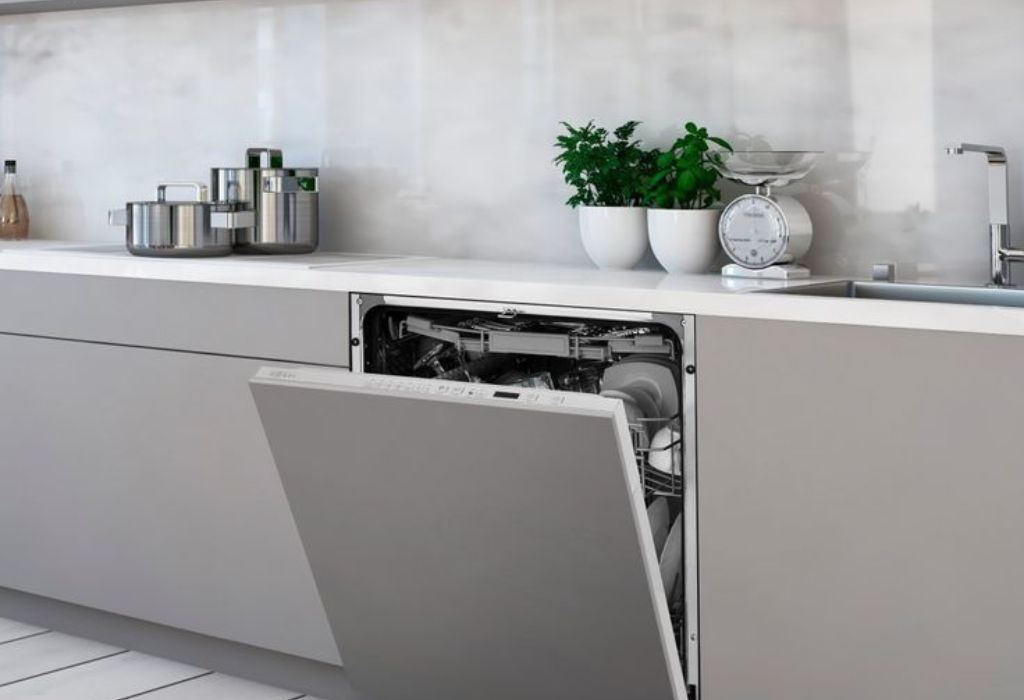
Bosch consistently leads in water efficiency compared with most major brands.
| Brand | Average Gallons per Cycle | Energy Star Certified |
| Bosch | 2.9 – 4.0 | ✅ Yes |
| Samsung | 3.5 – 5.0 | ✅ Yes |
| LG | 3.6 – 4.5 | ✅ Yes |
| Whirlpool | 4.0 – 6.0 | ✅ Yes |
| GE | 5.0 – 6.5 | ✅ Yes |
Bosch’s unique sensor-based system ensures every drop counts. In comparison, some competitors rely on timed cycles that use preset water volumes regardless of load size.
Beyond numbers, Bosch dishwashers are known for their EcoSilence Drive™, which not only saves water but also minimizes noise and energy use—something frequent users appreciate.
How Bosch Dishwasher Water Efficiency Compares Over Time
Bosch dishwashers have steadily improved their water efficiency over the decades. Older models from the early 2000s used around 6–7 gallons per cycle, while today’s units average only 2.9–4.0 gallons.
This reduction is the result of continuous innovation in sensors, water recycling systems, and precision spraying.
The shift toward compact motors and optimized cycle design has further reduced waste. Energy Star testing confirms that new Bosch models use up to 40 percent less water than their predecessors.
These upgrades show Bosch’s long-term commitment to eco-friendly progress rather than one-time marketing claims.
Bosch also invests heavily in R&D to keep improving water performance while maintaining spotless results. Their EcoSilence Drive and intelligent load detection work together to optimize resources.
Over time, this evolution has helped Bosch become a leader not just in appliance design, but in sustainable home technology.
Real-World Usage Data and Customer Experiences
Lab results often highlight Bosch’s efficiency, but real-world users confirm it every day through measurable savings.
Across countless households, Bosch dishwashers consistently use far less water than most people expect. Many owners report noticeable drops in both water and electricity bills within weeks of installation.
Energy Star data lists Bosch models at around 3.2 gallons per cycle, yet many users measure even lower numbers.
One California homeowner tracked their 500 Series model with a smart meter and found only 2.7 gallons used on Eco mode. Over a year of regular use, that meant nearly 1,800 gallons saved compared with their older Whirlpool.
Customers also praise Bosch for combining low water usage with powerful cleaning. The AquaSensor™ detects water clarity and stops rinsing once dishes are clean, avoiding waste.
Even heavily soiled plates come out spotless without pre-rinsing, proving that efficiency doesn’t require compromise.
Large families running daily cycles see similar results. The LoadSensor™ automatically adjusts for each wash, using less water on smaller loads and just enough for heavier ones. This intelligent control prevents waste while maintaining consistent cleaning quality.
Independent testers and reviewers echo these findings. Consumer Reports and multiple appliance forums rank Bosch among the most water-efficient brands. Long-term owners say performance remains stable for years, thanks to durable filtration and pump systems.
Together, these experiences show that Bosch dishwashers outperform expectations not only in laboratories but also in real kitchens. Whether used in small apartments or busy homes, they deliver clean dishes, lower bills, and lasting environmental benefits with every cycle.
Tips to Make Your Bosch Dishwasher Even More Efficient
Efficiency doesn’t stop with buying a good appliance—it continues with proper usage habits.
- Use Eco Mode Whenever Possible. It extends cycle time slightly but saves significant water and energy.
- Load Dishes Correctly. Avoid blocking spray arms and keep items spaced for proper coverage.
- Skip Pre-Rinsing. Bosch sensors detect soil automatically; pre-rinsing wastes gallons.
- Clean Filters Monthly. This keeps pressure optimal and shortens cycle length.
- Run Full Loads Only. Partial loads waste resources.
- Use Rinse Aid and Soft Water. They help reduce buildup, improving efficiency and drying.
Does Eco mode take longer than Normal?
Yes. It runs at a lower temperature and flow rate, saving water by extending wash time.
Should I pre-rinse heavily soiled dishes?
No. The sensors adjust automatically for soil level; pre-rinsing wastes water.
Can hard water affect dishwasher efficiency?
Yes. Mineral buildup reduces spray power, so descaling regularly helps maintain performance.
Environmental Impact and Cost Savings
When you run a Bosch dishwasher, you are not only cleaning dishes—you are actively contributing to environmental sustainability.
Water scarcity is one of the most pressing global challenges, and household appliances play a surprising role in total consumption. Bosch’s focus on cutting water and energy usage means that each cycle saves precious resources while maintaining top-tier cleaning performance.
A standard Bosch dishwasher uses around 2.9 to 4 gallons (11–15 liters) of water per full cycle. In comparison, washing by hand with running tap water can easily use 20–27 gallons.
That means each wash saves roughly 80 to 90 percent of water without sacrificing cleanliness. Over the course of a year, this translates to over 2,000 gallons of water saved for an average household running 200 cycles.
But the benefits don’t stop at water conservation. Using less water means using less energy to heat it, which reduces both your electricity bill and your carbon footprint.
According to Energy Star estimates, a Bosch dishwasher can save about $40–$70 annually in utility costs compared to hand washing. That’s money saved while directly helping the planet.
Bosch dishwashers also meet and often exceed Energy Star efficiency standards, meaning they are certified to minimize waste in both water and power consumption.
Models equipped with the EcoSilence Drive and ActiveWater systems ensure that every drop and every watt is used effectively.
Together, these systems can reduce overall household resource consumption by as much as 25 percent compared to older dishwashers.
The environmental ripple effect extends beyond homes. If just one million households switched to Bosch’s latest Energy Star models, the collective water savings could exceed two billion gallons per year, enough to supply an entire small city.
This highlights how choosing efficient appliances can contribute to broader ecological balance.
In addition, Bosch is taking steps toward sustainable manufacturing. Many dishwasher components are made from recyclable materials, and their factories operate on renewable energy where possible. Even packaging is designed to reduce waste, using minimal plastic and recyclable cardboard.
From design to daily use, Bosch integrates sustainability into every detail. By choosing one of their dishwashers, consumers are making a small but significant step toward a cleaner, greener planet—one efficient cycle at a time.
The Future of Water-Saving Dishwasher Technology
Bosch continues to push the limits of water-saving innovation. Future models are expected to use less than 2 gallons per full cycle thanks to new filtration and micro-rinse technologies. Engineers are testing self-cleaning spray systems and intelligent AI-driven sensors that learn from user habits.
The company is also exploring gray-water recycling integration—allowing leftover rinse water from one cycle to pre-clean the next. These developments could revolutionize household sustainability by drastically lowering daily water footprints.
As global water scarcity becomes more serious, Bosch’s innovation serves as a model for responsible design. The company proves that smart technology can make convenience and conservation coexist.
Troubleshooting High Water Usage Issues
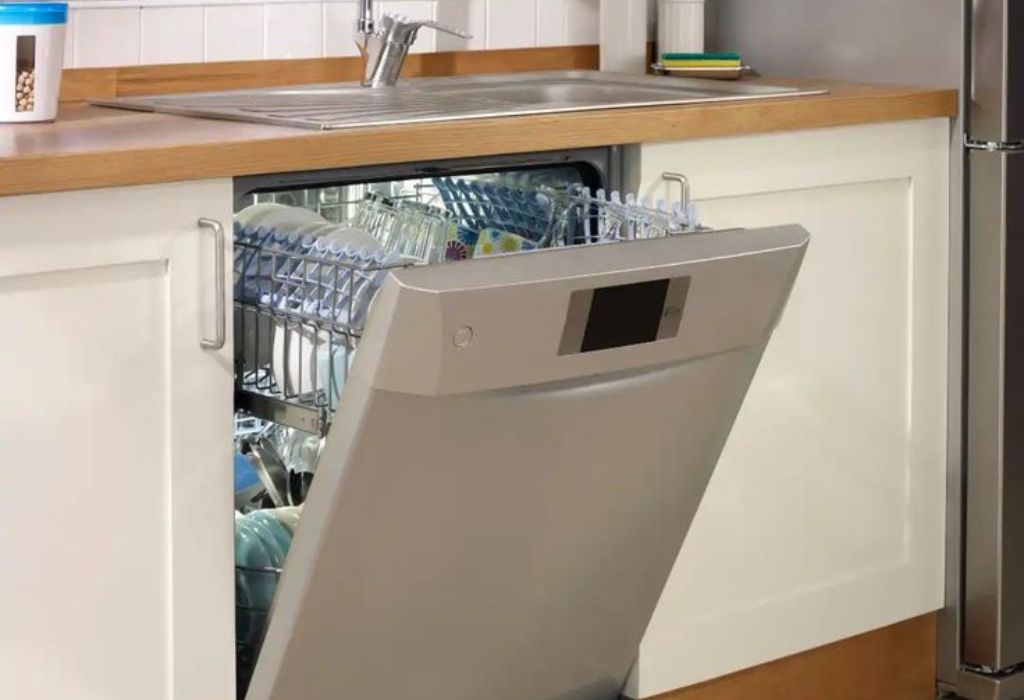
If your Bosch dishwasher seems to be using more water than usual, a few common issues might be responsible.
- Blocked Filters: Debris can cause inefficient flow, prompting longer rinse times.
- Leaking Door Seals: Small leaks cause repeated filling cycles.
- Faulty Sensors: A malfunctioning AquaSensor may misread water clarity and extend rinses unnecessarily.
- Improper Loading: Overcrowding leads to poor spray coverage, forcing longer cycles.
Regular cleaning and sensor calibration typically resolve these issues. If problems persist, Bosch’s customer service or certified technicians can help restore normal efficiency quickly.
Conclusion
Bosch dishwashers stand as a benchmark of modern efficiency, combining precision engineering with environmental responsibility.
Each model is designed to deliver powerful cleaning using only 2 to 4 gallons of water per cycle, far less than traditional hand washing or older appliances.
This balance between performance and conservation shows how innovation can protect both your dishes and the planet.
Their advanced technologies—like ActiveWater, AquaSensor, and LoadSensor—work silently behind the scenes to ensure every drop counts.
Whether you choose the affordable Series 100 or the premium 800 Series, Bosch guarantees optimized water flow and spotless cleaning without waste. This attention to detail makes Bosch a trusted choice for eco-minded households around the world.
The long-term benefits go beyond lower water bills. Reduced consumption also means less energy used for heating, smaller carbon footprints, and fewer natural resources drained from the environment.
Over the lifespan of a single dishwasher, these small daily savings can add up to thousands of gallons conserved.
For homeowners who want to make sustainable living effortless, Bosch dishwashers offer the perfect combination of intelligence, reliability, and responsibility.
Every cycle you run is a quiet reminder that advanced technology can make cleaning easier while protecting what matters most—our planet’s future.

I’m Emma J. Caldwell, the founder, lead writer, and home-cooking enthusiast behind KitchenGuideCo.com. With a background in culinary arts and over a decade of cooking experience in both professional and personal kitchens, I created this platform to demystify recipes, offer smart kitchen gadget reviews, and guide readers through meal prep with confidence and clarity.