You empty your dishwasher and find a film on your glasses or bits of food on supposedly clean plates.
Your first thought might be to buy a different detergent or blame hard water. But the culprit is often hiding in plain sight, at the bottom of your appliance: a clogged dishwasher filter.
Most people are unaware that their dishwasher even has a filter, let alone that it requires regular cleaning.
A recent survey by a major appliance manufacturer revealed that nearly 58% of dishwasher owners either didn’t know about the filter or had never cleaned it.
This single oversight can lead to a cascade of problems, from unpleasant odors and poorly washed dishes to costly repairs and premature appliance failure.
Understanding how often to clean your dishwasher filter is not just a minor cleaning tip; it’s a critical piece of home maintenance that safeguards your investment and your kitchen hygiene.
This comprehensive guide will not only give you a clear cleaning schedule but will also provide an in-depth look at why it matters, how to do it perfectly every time, and how to troubleshoot common filter-related issues. By the end, you’ll be an expert on this small but mighty component, ensuring your dishwasher runs efficiently for years to come.
Why Your Dishwasher Filter is the Most Important Part You’re Ignoring
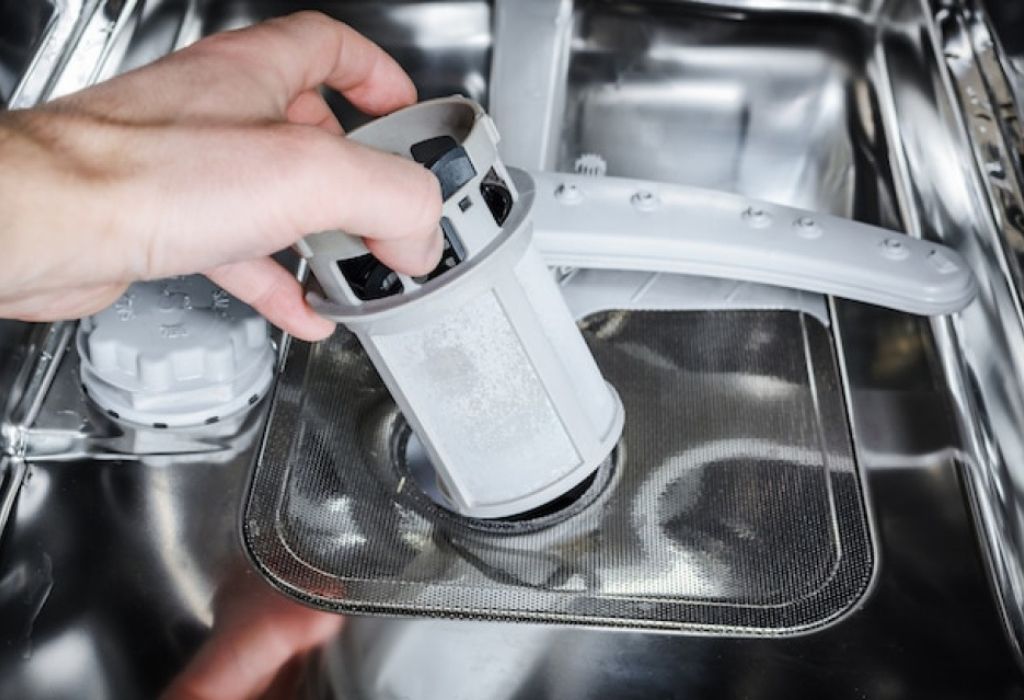
Your dishwasher filter is the silent guardian of your appliance’s inner workings. Its primary job is to trap food particles, debris, and other solids during the wash cycle. This prevents these materials from clogging the drain pump, spray arms, and other sensitive components.
A clean filter allows water to circulate freely and efficiently. This means powerful water jets can hit every plate and bowl, resulting in spotlessly clean dishes after every cycle. When the filter is clogged, it’s like trying to breathe with a cloth over your mouth; the system struggles to function.
The Consequences of a Neglected Filter
Ignoring this crucial component leads to a predictable and frustrating set of problems. The first sign is often standing water at the bottom of the tub after a cycle has finished. This happens because the trapped debris forms a sludge that blocks proper drainage.
Next, you’ll likely notice your dishes aren’t getting clean. Food particles and cloudy film remain because the water, laden with debris, is being recirculated instead of being filtered. This creates a vicious cycle of dirtiness.
Furthermore, this grimy environment becomes a breeding ground for bacteria and mold, leading to persistent musty or sour odors that can transfer to your “clean” dishes. According to appliance repair data, clogged filters are a contributing factor in over 30% of dishwasher service calls, often for issues mistakenly attributed to a broken pump or motor.
How Often Should You Clean Your Dishwasher Filter? The Simple Answer
The straightforward, general rule is that you should clean your dishwasher filter at least once a month. For most households, this monthly routine strikes the perfect balance between proactive maintenance and practicality, preventing significant buildup without being overly burdensome.
However, this one-size-fits-all monthly schedule is just a starting point. The true answer to how often you should clean your dishwasher filter depends heavily on your specific household habits. Think of monthly cleaning as a baseline; you may need to adjust the frequency based on the factors below.
Tailoring the Schedule: How Your Habits Affect Cleaning Frequency
Your dishwasher’s filter cleaning needs are directly proportional to how you use the appliance. Here’s how to customize the schedule for your home.
Household Size and Usage
- Large Families (4+ people) or Daily Use: If you run your dishwasher once a day or more, you’re introducing a high volume of food soil into the system. In this case, you should inspect and likely clean the filter every two weeks. A quick rinse can prevent the kind of deep clogs that impair performance.
- Small Households (1-2 people) or Infrequent Use: If you only run your dishwasher a few times a week, a monthly cleaning is typically sufficient. However, don’t let infrequent use lull you into complacency; food debris can still dry out and harden over time.
Your Pre-Rinsing Habits
- Heavy Pre-Rinsers: If you thoroughly rinse every plate and scrub every pot before loading, you’re sending very little food into the dishwasher. You might be able to extend the filter cleaning to every 6-8 weeks.
- “Scrape-and-Load” Advocates: If you simply scrape off large food chunks and rely on the dishwasher to do the rest, you are doing the right thing for modern, efficient dishwashers. However, this means more food particles will end up in the filter. Stick firmly to the monthly schedule, or even move to every two weeks if you notice performance issues.
Types of Food and Water Hardness
- Starchy and Fibrous Foods: Diets heavy in pasta, rice, potato peels, spinach, and corn can be particularly tough on filters. Starchy foods dissolve into a sticky paste, while fibrous strands can weave themselves into a net that traps other debris. If these are common in your meals, lean toward a more frequent, every-two-week cleaning.
- Hard Water Areas: If you have hard water, mineral scale (limescale) can combine with food grease to form a concrete-like sludge in the filter assembly. This is much harder to remove than soft debris. In hard water conditions, monthly cleaning is non-negotiable, and using a dishwasher cleaner or vinegar to descale monthly is also recommended.
Identifying Your Filter Type: A Crucial First Step
Before you can clean your filter, you need to know what you’re dealing with. Modern dishwashers primarily use one of two types of filters.
The Manual/Cleanable Filter (Most Common)
This is the standard in most dishwashers manufactured in the last 10-15 years. It’s a two-part system designed to be removed, cleaned by hand, and reinserted.
- The Upper Filter (Fine/Mesh Filter): This is a cylindrical component with a fine mesh. Its job is to trap tiny particles like spices, ground coffee, and minute food sediments.
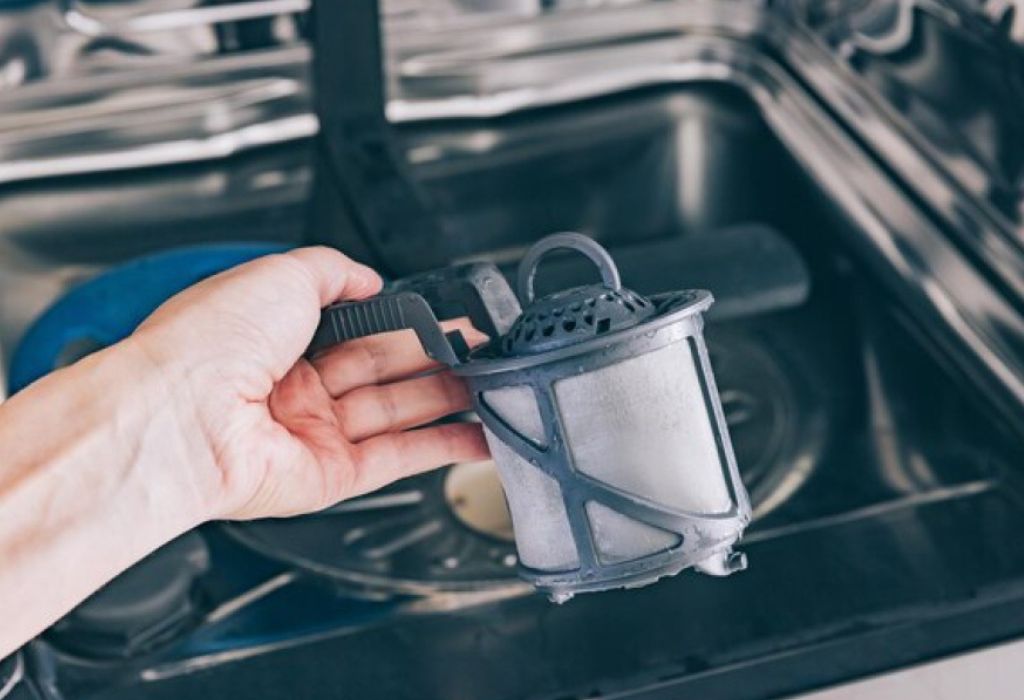
- The Lower Filter (Coarse Filter): This larger, often cup-shaped filter sits beneath the upper one and has larger openings. It is designed to catch bigger food chunks like broccoli florets, grains of rice, and bits of meat.
This is the type of filter this guide will focus on for the cleaning procedure.
The Self-Cleaning/Disposable Filter (Less Common)
Some older models or specific brands (like some Bosch models) may have a self-cleaning grinder or a disposable filter.
The grinder mechanism macerates food particles so they can be washed down the drain, theoretically eliminating the need for manual cleaning. However, these can still get clogged with grease and fibrous materials.
Disposable filters are simply replaced every few months. Consult your user manual to confirm which type you have.
The Step-by-Step Guide to a Perfectly Clean Dishwasher Filter
Follow this detailed process to ensure your filter is cleaned thoroughly and safely.
Step 1: Preparation and Safety First
- Turn Off Power: For absolute safety, locate your home’s circuit breaker and turn off the power to the dishwasher. This eliminates any risk of the appliance accidentally turning on.
- Gather Supplies: You will need:
- A soft-bristled brush (an old toothbrush is perfect)
- Mild dish soap
- A clean, damp cloth
- A bowl or cup for parts
- White vinegar (for soaking if needed)
Step 2: Locating and Removing the Filter Assembly
- Remove the Lower Rack: Pull out the bottom dish rack completely to get clear access to the dishwasher tub.
- Find the Filter: Look at the bottom of the dishwasher, typically in the back corner or center. You will see a circular assembly, often about 3-5 inches in diameter.
- Unlock and Remove: Most filters have a “turn-to-lock” mechanism. Gently turn the entire assembly counterclockwise. It should unlock and lift out easily. Do not force it. If it’s stuck, it may be due to built-up grime. Some models may have a separate upper and lower filter; if so, lift out the upper fine filter first, then the lower coarse filter.
Step 3: The Deep Cleaning Process
- Disassemble (If Applicable): Take the filter assembly to your sink. See if the fine mesh cylinder can be separated from the coarse plastic cup. This allows for a more thorough clean.
- Initial Rinse: Hold the filters under warm (not hot) running water to wash away loose, superficial debris. Use a sprayer if you have one.
- Scrub with Soap and Brush: Put a drop of mild dish soap on your soft-bristled brush. Gently but firmly scrub all surfaces of both filters. Pay close attention to the mesh screens and the crevices where debris loves to hide. For the coarse filter, scrub the interior walls and any grooves.
- Soak for Stubborn Grime: If you see baked-on grease or discoloration that brushing won’t remove, fill a bowl with warm water and one cup of white vinegar. Soak the filter parts for 15-30 minutes to dissolve the grease, then scrub again.
- Final Rinse and Inspection: Give the filters a final, thorough rinse under running water. Hold them up to the light and look through the mesh to ensure every hole is clear and no debris remains.
Step 4: Cleaning the Filter Housing and Reassembly
- Wipe the Sump: While the filter is out, use your damp cloth to wipe out the now-empty filter housing (the “sump”) at the bottom of the dishwasher. Remove any sludge, stray food bits, or mineral deposits you find.
- Check the Spray Arms: This is also a good time to quickly check the holes in the spray arms for clogs and clear them with a toothpick if necessary.
- Reassemble and Reinsert: Ensure all parts are completely dry or at least drip-dry. Reassemble the filter components in the reverse order of removal. For a twist-and-lock model, place the assembly back into its housing and turn it clockwise until it clicks or stops turning securely. An improperly seated filter can lead to serious damage.
Step 5: The Final Test
- Replace the Rack: Slide the bottom dish rack back into the dishwasher.
- Restore Power: Turn the circuit breaker for the dishwasher back on.
- Run a Test Cycle: Run a short, empty cycle on a hot water setting. This will flush out any dislodged debris and confirm that everything is draining properly.
Troubleshooting Common Dishwasher Filter Problems
Even with regular cleaning, you might encounter issues. Here’s how to diagnose and solve them.
- Problem: The filter is stuck and won’t turn.
- Solution: Do not use excessive force. Try wiggling it gently back and forth while applying upward pressure. If it’s stuck with grease, pour a little warm vinegar around the edge of the housing, let it sit for 10 minutes, and try again.
- Problem: My dishwasher still smells after cleaning the filter.
- Solution: The odor may be coming from the drain hose or the interior surfaces. After cleaning the filter, run a empty cycle with a dishwasher cleaner or a cup of vinegar placed on the top rack. Wipe down the door seals and interior walls with a vinegar-soaked cloth.
- Problem: Water still pools at the bottom after cleaning.
- Solution: The clog may be further down the drain line. Check where the dishwasher drain hose connects to the garbage disposal or sink drain under your sink. You may need to disconnect and clear the hose.
- Problem: I can’t find my filter.
- Solution: Consult your dishwasher’s user manual. You can almost always find a digital PDF version online by searching your dishwasher’s model number (usually located on the side of the door frame).
Frequently Asked Questions (FAQs)
1. Can I just put my dishwasher filter in the dishwasher to clean it?
No, this is counterproductive. You would simply be recirculating the same grime you’re trying to remove. It must be cleaned by hand.
2. How do I know if my dishwasher filter needs cleaning before the scheduled time?
The signs are clear: standing water after a cycle, visible food bits on dishes, a cloudy film on glasses, or a persistent musty smell.
3. My dishwasher has a “self-cleaning” cycle. Does that clean the filter?
No. A “self-cleaning” cycle typically refers to a high-heat sanitize setting. It does not replace the need for manually removing and cleaning the filter.
4. Can I use a pressure washer or compressed air to clean the filter?
No. The high pressure can damage the delicate mesh of the fine filter. Stick to gentle running water and a soft brush.
5. What happens if I never clean my dishwasher filter?
You will experience progressively worse cleaning performance, persistent odors, and eventually, a clogged drain pump. Replacing a pump is a several-hundred-dollar repair, while cleaning the filter is free.
6. Is it safe to use bleach or abrasive cleaners on the filter?
Avoid bleach, as it can corrode metal components over time. Never use abrasive scrubbers like steel wool, as they will scratch the plastic and mesh, creating grooves for debris to cling to in the future.
7. Should I clean the filter if I have a dishwasher with a built-in garbage disposal?
Yes. While these “grinder” models are less prone to clogs from large chunks, the filter can still trap grease, coffee grounds, and small particles. A quarterly cleaning is still a good idea.
8. I lost a piece of my filter. What should I do?
Contact the manufacturer or an appliance parts retailer with your dishwasher’s model number to order a replacement. Do not run the dishwasher without a fully intact filter.
Conclusion: A Small Task with a Massive Payoff
The question of how often you should clean your dishwasher filter has a simple core answer—once a month—with adjustments based on your lifestyle.
This minor chore, which takes less than 10 minutes once you’re familiar with it, is one of the highest-return investments you can make in your appliance’s health.
A clean filter is the cornerstone of a clean dishwasher, which in turn is the foundation for clean, sanitary dishes.
It protects your appliance from costly repairs, saves you from the frustration of re-washing dishes, and ensures your kitchen remains a fresh and pleasant space. Don’t let this small part cause big problems.
Make filter cleaning a regular part of your home maintenance routine, and your dishwasher will reward you with years of reliable, sparkling service.

I’m Emma J. Caldwell, the founder, lead writer, and home-cooking enthusiast behind KitchenGuideCo.com. With a background in culinary arts and over a decade of cooking experience in both professional and personal kitchens, I created this platform to demystify recipes, offer smart kitchen gadget reviews, and guide readers through meal prep with confidence and clarity.