You trust your dishwasher to clean your dishes until they sparkle. It’s easy to assume this powerful appliance is also cleaning itself after every cycle.
This common belief is a major misconception in home maintenance. Neglecting your dishwasher’s cleanliness can directly impact your kitchen’s hygiene and the machine’s own performance.
Food particles and greasy film accumulate inside the machine over time. This creates an environment where bacteria and mold can easily thrive.
A recent study revealed that 62% of household dishwashers tested positive for fungal contamination. The moist, dark interior provides a perfect breeding ground for microbes.
This buildup doesn’t just cause unpleasant odors. It can also leave a filmy residue on your freshly washed dishes.
Furthermore, clogs can strain the machine’s vital components. Industry data shows nearly 25% of premature dishwasher failures are linked to poor maintenance.
This leads us to the essential question for every homeowner. How often should you clean dishwasher to prevent these serious issues?
The answer is not a single number but a simple, effective schedule. Proper maintenance involves a combination of quick daily habits and periodic deep cleaning tasks.
This complete guide will break down that entire maintenance plan for you. Following these steps will ensure your appliance runs efficiently and hygienically for years to come.
Why Your Dishwasher Needs Regular Cleaning (It’s Not Self-Cleaning)
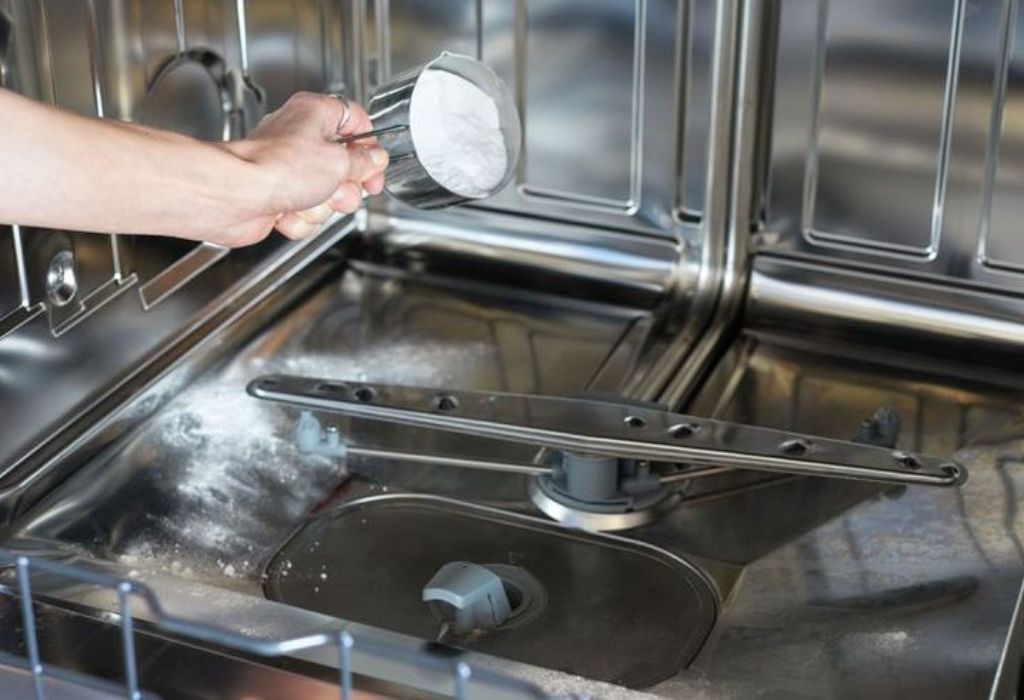
Many people assume their dishwasher cleans itself during normal operation. This belief couldn’t be further from the truth.
Food particles and greasy residue get trapped in hidden areas after each cycle. These accumulations create a breeding ground for bacteria and mold.
Mineral scale from hard water gradually builds up on heating elements and spray arms. This reduces cleaning efficiency and can lead to costly repairs.
Without regular cleaning, your dishwasher will develop persistent musty odors. These odors can transfer to your supposedly clean dishes and glassware.
A dirty dishwasher must work harder to perform its basic functions. This extra strain increases energy consumption and can shorten the appliance’s lifespan.
The Quick Answer: Your Dishwasher Cleaning Cheat Sheet
Here’s a simple schedule to keep your dishwasher in perfect condition. Follow this guide for optimal performance and cleanliness.
Daily: Quickly check for large food debris after unloading. Wipe the door gasket with a damp cloth.
Weekly: Wipe the exterior and control panel clean. Visually inspect spray arms for blockages.
Monthly: Deep clean the filter and run an empty cleaning cycle. Remove and clean the spray arms thoroughly.
Quarterly: Perform a deep clean of the drain area and sump. Inspect all seals and interior surfaces for buildup.
The Daily & Weekly Cleaning Tasks (5-Minute Upkeep)
These quick habits form the foundation of good dishwasher maintenance. They prevent major problems before they can even start.
What to Do Every Day
After unloading your clean dishes, quickly scan the dishwasher’s interior. Look for any large food particles that may have been left behind.
Wipe the rubber door gasket with a damp cloth to remove any residue. This simple step prevents mold growth in this moisture-prone area.
What to Do Every Week
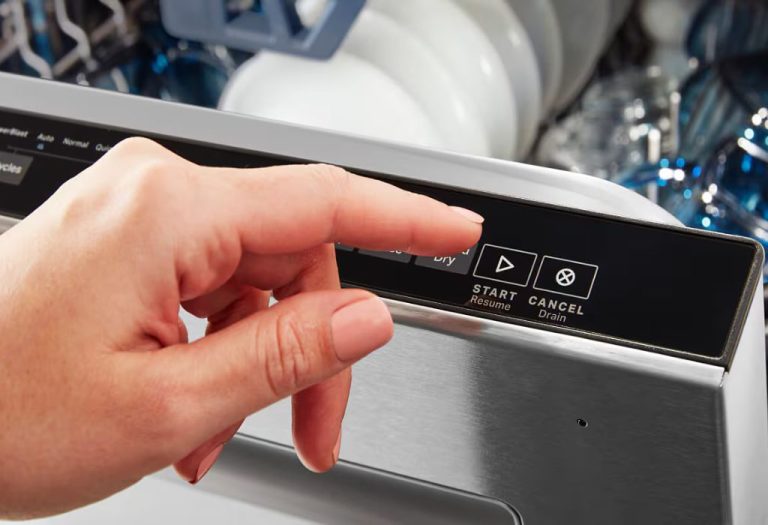
Wipe down the exterior surfaces and control panel with a damp cloth. This maintains your appliance’s appearance and prevents grime buildup.
Visually inspect the spray arms for any obvious blockages. Ensure no large food particles are clogging the water jets.
The Monthly Deep Clean (The 15-Minute Power Clean)
This monthly routine is crucial for maintaining your dishwasher’s performance. It tackles the grime that daily use leaves behind.
Step 1: Clean the Filter and Drain Area
Locate and remove the filter assembly from the bottom of your dishwasher. Consult your manual if you’re unsure where to find it.
Rinse the filter under warm running water to remove loose debris. Use a soft brush and mild detergent to scrub away any greasy film.
Step 2: Run an Empty Cleaning Cycle
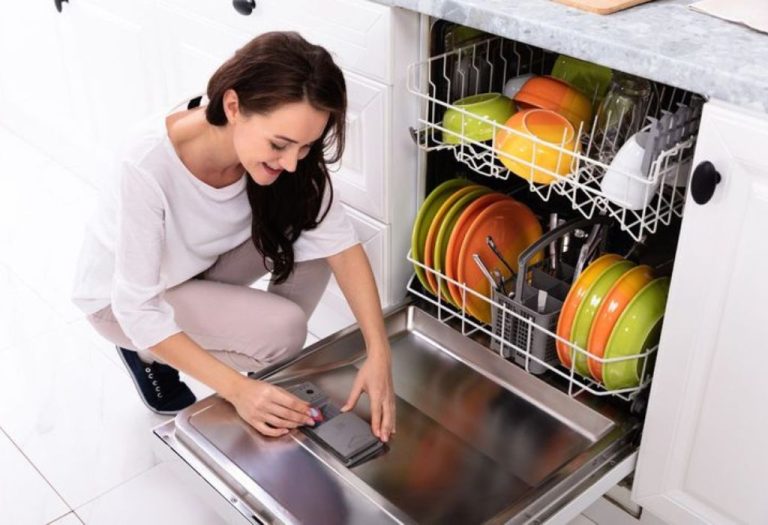
Place a cup of white vinegar on the top rack of your empty dishwasher. You can also use a commercial dishwasher cleaner for this step.
Run a hot water cycle without any dishes inside. This will sanitize the interior and dissolve mineral deposits.
Step 3: Clean the Spray Arms
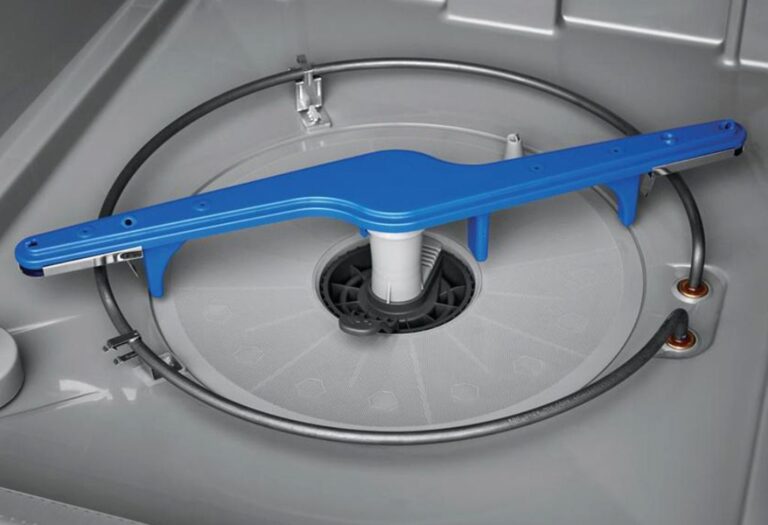
Remove the spray arms according to your dishwasher’s instructions. Check each nozzle for any clogs or blockages.
Use a toothpick to clear any obstructed holes in the spray arms. Rinse them thoroughly before reinstalling in your dishwasher.
The Quarterly Deep Clean & Inspection
This seasonal deep clean tackles hidden buildup you can’t see. It’s essential for your dishwasher’s long-term health and efficiency.
Deep Cleaning the Drain and Seals
Carefully inspect the drain area in the sump for any hardened debris. Use a soft cloth and warm, soapy water to wipe it clean.
Thoroughly clean the door seals and around the detergent dispenser with a disinfecting wipe. This prevents mold growth in these moisture-prone areas.
When to Call a Professional
Contact a professional if you notice persistent leaks or error codes. Unusual motor noises also signal the need for expert help.
Consider a professional inspection for units over five years old showing performance issues. Regular maintenance can prevent most major repairs.
5 Signs It’s Time to Clean Your Dishwasher Immediately
A foul, musty odor emanating from your dishwasher is a clear warning sign. This indicates mold or bacteria growth that needs immediate attention.
Visible food debris or a filmy residue on your dishes means your dishwasher isn’t cleaning properly. This often signals a clogged filter or spray arms.
Water pooling at the bottom of the tub after a cycle suggests a drainage problem. This usually means food particles are blocking the drain hose or filter.
If your dishwasher becomes noisier than usual during operation, it’s crying for help. This could indicate food particles stuck in the pump or spray arm mechanisms.
Visible mold or mildew on the door seals or interior demands immediate action. This not only affects performance but can compromise your kitchen’s hygiene.
Factors That Change Your Cleaning Schedule
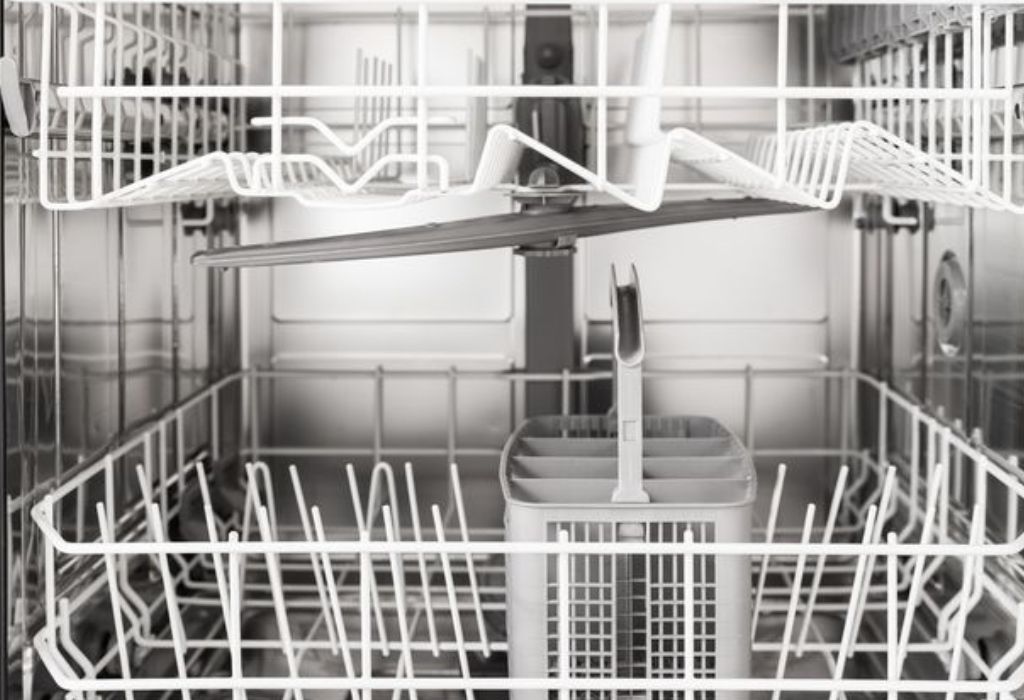
Your dishwasher’s cleaning needs depend on several key factors. Understanding these will help you create a personalized maintenance schedule.
Household Size and Usage Frequency
A large family running the dishwasher daily will need more frequent cleaning. Heavy use leads to faster accumulation of grease and food particles.
A single person using the dishwasher twice weekly can follow a more relaxed schedule. However, they should still maintain the basic monthly deep clean routine.
Water Hardness and Its Impact
Homes with hard water will see limescale build up much faster. These households should perform descaling treatments monthly rather than quarterly.
Soft water areas may extend deep clean cycles to every 6-8 weeks. However, they still need regular filter cleaning to handle food particles and grease.
Frequently Asked Questions (FAQs)
Can I use bleach to clean my dishwasher?
Yes, but use it sparingly and never mix with other cleaners. Run an empty cycle with one cup of bleach to disinfect and remove stains.
What is the best homemade cleaner for a dishwasher?
White vinegar is excellent for descaling and deodorizing. Baking soda works well for scrubbing filters and wiping down interior surfaces.
Why is there standing water in my dishwasher after a cycle?
This usually indicates a clogged filter or drain hose. Check these components first before assuming a more serious mechanical issue.
How do I clean a dishwasher that has mold?
Run a cycle with bleach or vinegar, then scrub visible mold with baking soda. Ensure you thoroughly dry the interior after cleaning to prevent regrowth.
Should I leave the dishwasher door open after a cycle?
Yes, this allows moisture to escape and prevents mold growth. Just leave it slightly ajar for 15-30 minutes after the cycle completes.
What’s the difference between vinegar and a commercial dishwasher cleaner?
Vinegar is great for descaling but may not handle heavy grease buildup. Commercial cleaners are specifically formulated to tackle all types of dishwasher grime.
How often should I replace my dishwasher filter?
Most modern filters don’t need replacement, just regular cleaning. Check your manual, but typically filters last the lifetime of the appliance with proper maintenance.
My dishwasher still smells after cleaning. What now?
Check the drain hose for clogs and clean the spray arms thoroughly. Sometimes food particles get lodged in hard-to-reach areas.
Is it safe to use baking soda and vinegar together?
No, they neutralize each other’s cleaning power. Use them separately – vinegar for descaling, baking soda for scrubbing.
How can I make my dishwasher smell fresh?
Place a small bowl of baking soda in the bottom rack between cycles. You can also run a cycle with lemon juice to add fresh scent.
Conclusion
Maintaining a regular cleaning schedule ensures your dishwasher performs optimally for years. Consistent care prevents most common problems before they start.
Remember that a clean dishwasher means cleaner, safer dishes for your family. Invest a few minutes each month to protect this valuable kitchen appliance.

I’m Emma J. Caldwell, the founder, lead writer, and home-cooking enthusiast behind KitchenGuideCo.com. With a background in culinary arts and over a decade of cooking experience in both professional and personal kitchens, I created this platform to demystify recipes, offer smart kitchen gadget reviews, and guide readers through meal prep with confidence and clarity.