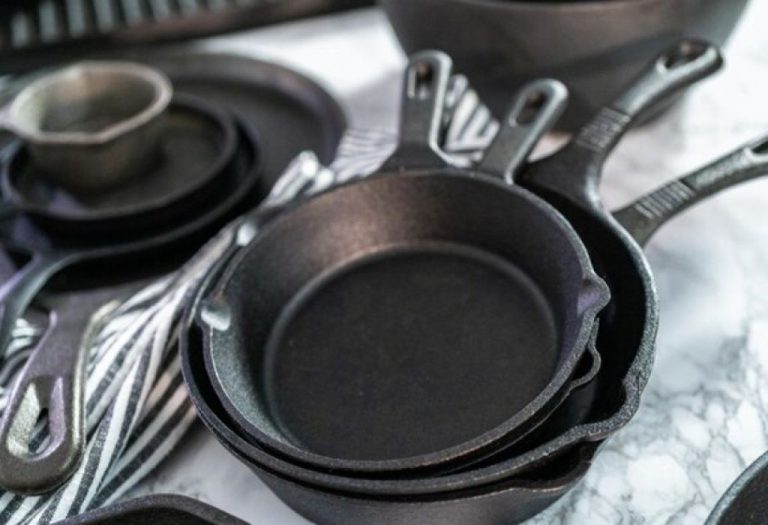
A favorite cast iron skillet can go from glossy black to spotted orange almost overnight. Rust not only ruins the pan’s appearance but also threatens its performance in the kitchen.
Many home cooks assume rusted cookware is beyond saving. The curiosity lies in whether simple household methods can truly restore a pan once thought unsalvageable.
The answer is yes, and the benefits extend beyond aesthetics. A properly restored skillet often gains a stronger patina, delivering better nonstick properties than before.
Rust forms when bare iron is exposed to moisture and oxygen without a protective layer. Studies show that improper drying is the leading cause of cast iron rust, responsible for nearly 70 percent of cases (source).
Another survey of cookware owners found that regular seasoning increases pan longevity by up to 40 percent compared to neglected pieces (source). These numbers highlight how prevention and maintenance are as important as rust removal.
Why Cast Iron Rusts & What Goes Wrong
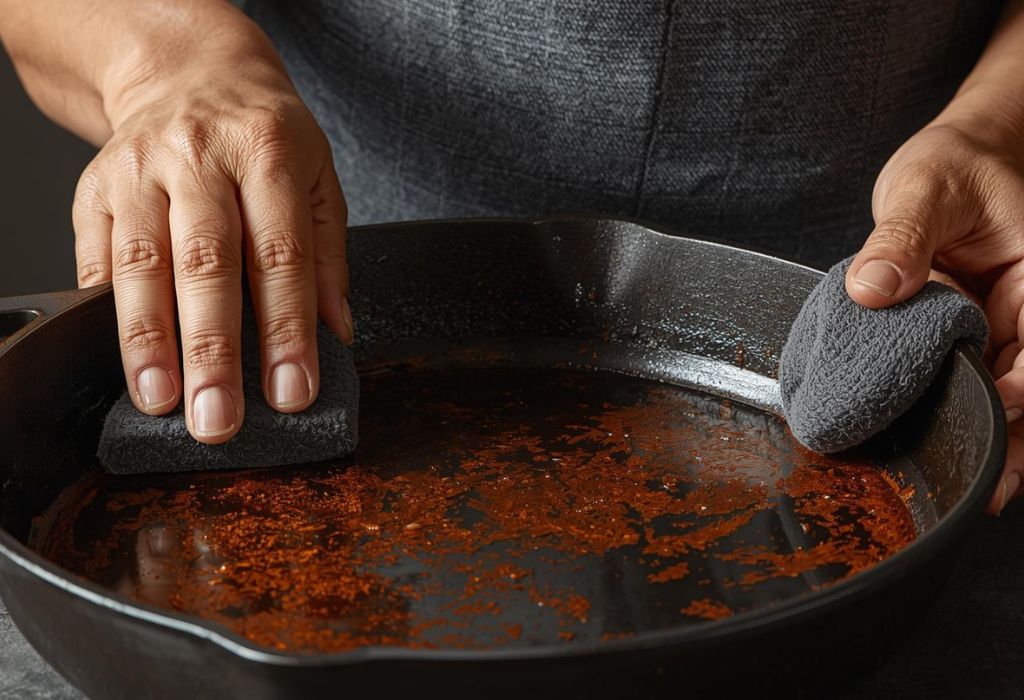
Rust begins when bare iron reacts with oxygen and moisture, forming a flaky surface that weakens cookware. Cast iron is particularly vulnerable because even a tiny scratch or unprotected spot can invite corrosion.
The seasoning layer, created by polymerized oil baked into the surface, is the skillet’s main defense. This protective patina acts as a barrier that locks out water, acids, and air.
When seasoning is damaged, the cookware loses its shield and rust forms rapidly. Harsh scrubbing, soaking in water, or putting cast iron in a dishwasher are common culprits.
Light surface rust may only affect appearance, but deeper rust leads to pitting that compromises performance. Pitted areas not only trap food particles but also make re-seasoning more difficult.
Moisture is often the root cause of recurring rust issues. Even small amounts left after washing can undo hours of careful seasoning work.
Understanding why rust develops is the first step in learning how do you remove rust from cast iron cookware. Once the causes are clear, the right restoration method can bring the pan back to life.
Assessing Rust Severity: Surface vs. Deep Rust
Not all rust on cast iron cookware is the same, and understanding severity determines the right removal method. Light rust often appears as thin orange or brown patches that can be scrubbed away with minimal effort.
Surface rust usually develops when seasoning is slightly weakened but not fully stripped. In these cases, restoration is straightforward and rarely damages the pan’s structure.
Deep rust tells a different story, forming when moisture penetrates beyond the outer layer and eats into the metal. This creates pitting, flaking, and rough textures that can affect both durability and cooking performance.
Pitted areas trap food and oils, which makes achieving an even seasoning more challenging. Left untreated, the rust may continue spreading and shorten the pan’s lifespan.
Recognizing the difference between surface and deep corrosion is essential before choosing a method. It ensures that how do you remove rust from cast iron cookware is guided by precision instead of guesswork.
How Do You Remove Rust from Cast Iron Cookware: Step-by-Step Methods

Restoring cast iron cookware begins with the least aggressive approaches and progresses to advanced techniques if needed.
Choosing the right method depends on whether the rust is light surface discoloration or deeper corrosion.
For light rust, gentle scrubbing with coarse salt, a chainmail scrubber, or fine steel wool is often enough.
These abrasives lift surface oxidation without stripping away all the seasoning that remains intact.
Mild dish soap combined with hot water can also help loosen rust particles during the cleaning process. Immediate drying after this step is crucial because lingering moisture can quickly reintroduce oxidation.
If rust persists, soaking the pan in a solution of equal parts white vinegar and water provides a chemical edge. The acetic acid dissolves rust bonds, but timing is important because prolonged soaking can pit the metal.
After a vinegar bath, neutralizing with baking soda and scrubbing away residues prevents further reaction. At this point, the cookware is bare and must be re-seasoned promptly to avoid renewed rusting.
For severely damaged pans, advanced methods such as lye baths or electrolysis may be necessary. These treatments strip rust and old seasoning completely, offering a clean surface that can be rebuilt with careful oiling and heat curing.
Aggressive techniques require protective gear and patience, yet they often rescue cookware many assume is beyond repair. The result is a pan ready for seasoning and capable of decades of renewed use.
Restoration methods vary, but each one fits within the larger goal of learning how do you remove rust from cast iron cookware safely and effectively. By escalating treatment based on severity, the cookware’s structure is preserved while the rust is eliminated.
Re-Seasoning & Restoring the Protective Layer
Once rust has been removed, the cookware is left vulnerable without its protective film. Re-seasoning is the process that rebuilds the barrier and restores the nonstick qualities of cast iron.
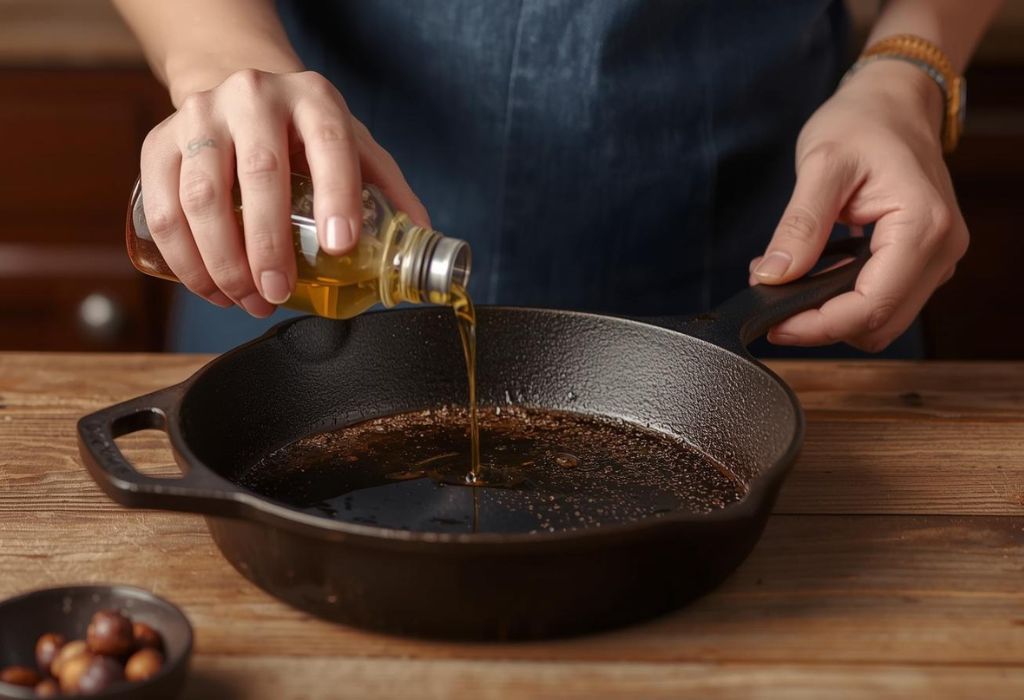
The foundation of seasoning is oil with a high smoke point, such as grapeseed, vegetable, or flaxseed oil. These oils polymerize under heat, bonding tightly to the iron surface to create a durable patina.
A thin, even coat of oil applied to the inside and outside of the pan is critical. Heavy layers lead to sticky residue that never fully bonds, while thin layers cure into a strong protective finish.
After oiling, the cookware should be baked upside down in an oven at temperatures between 450 and 500 degrees Fahrenheit. This allows excess oil to drip away and encourages a smooth, even coating.
Cooling the pan in the oven gradually helps the seasoning harden and resist flaking. Repeating this cycle two or three times produces a rich, black surface capable of withstanding daily cooking.
Proper seasoning does more than prevent rust. It enhances flavor development, provides a naturally nonstick surface, and extends the life of the cookware.
Learning how do you remove rust from cast iron cookware does not end with cleaning, because re-seasoning is the step that ensures the restoration lasts. Without it, rust would quickly return and undo all prior effort.
Preventing Rust: Maintenance & Storage
The best way to handle rust is to prevent it from forming in the first place. With simple habits, cast iron cookware can remain rust-free and functional for decades.
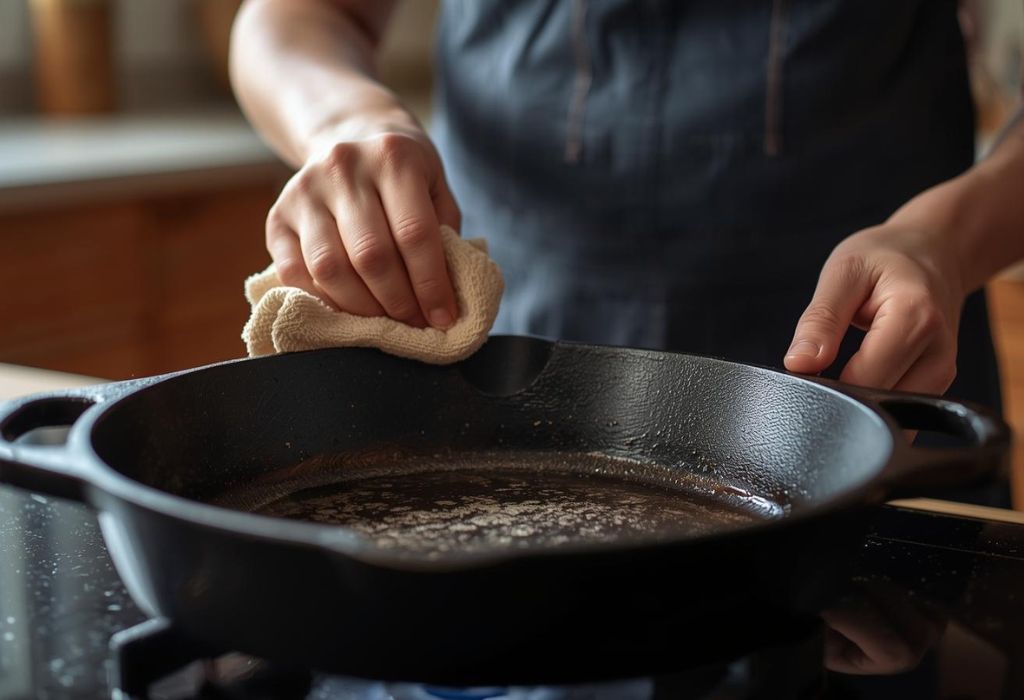
Moisture is the primary cause of rust, making thorough drying after every wash essential. A few minutes of low heat on the stove ensures that hidden water evaporates before storage.
A light coat of oil applied after drying maintains the protective patina. This thin layer strengthens the seasoning and forms a barrier against humidity.
Dishwashers and long water soaks should always be avoided because they strip seasoning and expose bare iron. Hand washing with minimal soap and quick drying is the safest approach.
Proper storage also reduces the risk of corrosion. Keeping cast iron in a dry cabinet or placing a paper towel between pans prevents trapped moisture and condensation.
Regular upkeep means the question of how do you remove rust from cast iron cookware becomes less frequent. Prevention builds a cycle where seasoning grows stronger over time instead of being stripped away.
Troubleshooting & Common Issues
Even with proper care, cast iron cookware can present challenges that confuse many home cooks. Addressing these issues quickly prevents small problems from escalating into major repairs.
One of the most common frustrations is rust reappearing soon after cleaning. This usually happens when the cookware was not fully dried or lacked a protective layer of oil.
Another frequent issue is seasoning that feels sticky or tacky. This occurs when too much oil is applied in one coat, causing it to pool instead of bonding during heat treatment.
Flaking or uneven patina is also a concern, especially if the pan was seasoned at uneven temperatures. Starting over with thin, even coats and consistent oven heat solves this problem effectively.
Some users notice black residue transferring to food during cooking. This is usually loose seasoning rather than harmful rust, and it signals the need for a gentle scrub followed by a fresh oil coat.
Difficult-to-reach spots such as handles or crevices may hold rust longer than flat surfaces. Specialized brushes or targeted scrubbing can restore these areas without damaging the overall patina.
By understanding these common obstacles, learning how do you remove rust from cast iron cookware becomes a smoother process. Each problem has a solution that protects the cookware and extends its lifespan.
Additional Tips, Warnings & Best Practices
Restoring cast iron cookware is as much about safety as it is about technique. Following proven tips prevents damage and ensures lasting results.
When using vinegar to dissolve rust, limit soaking time to no more than 24 hours. Prolonged exposure can etch the surface and weaken the iron beneath the patina.
Always neutralize acidic solutions with baking soda and rinse thoroughly. This step stops further chemical reaction and preserves the cookware’s integrity.
Advanced methods such as lye baths or electrolysis should only be attempted with protective gloves, goggles, and proper ventilation. These techniques are effective but require caution and respect for safety protocols.
For long-term durability, avoid sudden temperature changes that can cause cracking. Heating a cold skillet too quickly or quenching a hot one in water risks structural damage.
Photographing before-and-after results can help track progress and ensure consistent seasoning cycles. It also serves as a useful reference when adjusting future maintenance routines.
By following these best practices, the question of how do you remove rust from cast iron cookware becomes less daunting. Instead of a chore, it turns into a skill that enhances both cooking performance and kitchen confidence.
Conclusion
Rust on cast iron cookware can look intimidating, but it is rarely permanent. With the right techniques, any pan can be brought back to life and restored to its original strength.
From gentle scrubbing and vinegar soaking to advanced restoration methods, each approach is designed to match the severity of the rust.
Re-seasoning and consistent maintenance ensure the cookware not only survives but thrives in daily use.
The real key lies in prevention through proper drying, oiling, and storage. By building strong habits, the need to ask how do you remove rust from cast iron cookware becomes less frequent.
Cast iron cookware has served kitchens for centuries, and with care, it can last for generations. Begin restoring your cookware today and experience the satisfaction of cooking with a pan that only improves with time.

I’m Emma J. Caldwell, the founder, lead writer, and home-cooking enthusiast behind KitchenGuideCo.com. With a background in culinary arts and over a decade of cooking experience in both professional and personal kitchens, I created this platform to demystify recipes, offer smart kitchen gadget reviews, and guide readers through meal prep with confidence and clarity.