Figuring out how rice cooker auto switch works can seem tricky at first, especially if you’re new to cooking rice. You might wonder how a simple appliance can cook rice perfectly every time, switching from cooking to keeping warm without any help from you. Don’t worry, it’s actually quite clever and easy to grasp. This guide will break down the process step-by-step, making it super clear how your rice cooker does its magic. We’ll explore the core parts and processes so you’ll confidently explain its operation.
The Basic Process: Cook to Keep Warm
The main job of a rice cooker is to cook rice, but how does it achieve this seemingly simple task so well? The key lies in the precise control of heat and the automatic transition to a “keep warm” state. This transition, or the “auto switch,” is what makes rice cookers so convenient. They take the guesswork out of cooking rice, preventing overcooking and ensuring perfectly fluffy results.
The process starts when you press the “cook” button, starting the heating element. This element, usually located at the bottom of the cooker, heats the water and rice, causing the water to boil and the rice to absorb the liquid. As the rice cooks, the water is absorbed, and the temperature inside the cooker increases. Once the water is gone and the temperature reaches a specific point, the cooker automatically switches to the “keep warm” mode.
The Thermostat: The Brain of the Operation
The thermostat acts as the brain of the rice cooker. It’s the device that senses the temperature inside the cooker and tells it when to switch from cooking to keeping warm. This is usually a bimetallic strip thermostat. This strip is made of two different metals that expand and contract at different rates when heated. This difference in expansion causes the strip to bend.
The bending of the bimetallic strip triggers the switch from “cook” to “keep warm.” As the cooker heats up, the strip bends until it reaches a specific point. This bending then activates a physical switch, which changes the power flow to the heating element. The cooker then maintains a lower temperature to keep the rice warm without further cooking.
- Bimetallic strip details: The bimetallic strip is designed to respond to the gradual temperature changes as the rice cooks. It’s calibrated to a specific temperature that indicates the rice is done and the water has been absorbed. This precision is what makes the auto switch so effective.
- Bimetallic strip composition: The metals in the strip are chosen for their different thermal expansion coefficients, or how much they expand when heated. Common combinations include Invar (low expansion) and brass (high expansion), or other metal alloys.
- Switching mechanism: When the bimetallic strip bends enough, it pushes against a lever, which then moves a switch to break the main circuit for the cooker’s heating element. This results in the cooker switching to a lower power setting that maintains the temperature.
- Mechanical design considerations: Manufacturers design the bimetallic strip’s shape, size, and location carefully within the cooker. This ensures the correct temperature detection and a reliable transition to keep-warm mode every time.
- Testing the auto switch: The auto switch is tested during production to guarantee it functions within certain temperature parameters. This testing ensures both safe and effective operation for the consumer.
The Heating Element: The Power Behind the Cook
The heating element is the part of the rice cooker that generates the heat. It’s typically a metal plate or coil that converts electricity into heat energy. The design of this element is crucial for even cooking. The heating element is the power source for the entire cooking process. It provides the energy needed to boil the water and cook the rice.
The heating element is usually located at the bottom of the rice cooker, under the inner pot. This location ensures that the heat is evenly distributed throughout the rice. The element is designed to quickly heat up the rice and water to the boiling point and maintain that temperature until the water is absorbed. Some cookers may have additional heating elements on the sides or lid to ensure even cooking.
- Resistance wire details: Heating elements typically use a resistance wire made of a material like nichrome. This wire has a high resistance, which converts electrical energy into heat when current flows through it. The resistance wire is coiled or flattened to maximize the heating surface area.
- Insulation and safety features: The heating element is safely insulated to prevent electrical shock. It is also often protected from moisture, as water can damage the element.
- Wattage and heating speed: The wattage of the heating element dictates how quickly the rice cooker can heat up and cook rice. Higher wattage cookers cook faster but may also consume more electricity.
- Heat distribution and design: The design of the heating element, including its shape, size, and location, affects how evenly the rice cooks. Some cookers use a base designed to optimize heat transfer.
- Troubleshooting: Issues with the heating element can lead to unevenly cooked rice or failure to cook at all. Replacing the heating element may be necessary in case of malfunction.
The Keep-Warm Function: Maintaining the Perfect Temperature
Once the rice is cooked, the cooker automatically switches to the “keep warm” mode. This setting maintains a lower temperature, just enough to keep the rice warm and moist without overcooking it. The keep-warm function uses a fraction of the power required for cooking, making it energy-efficient.
The keep-warm function works by allowing a small amount of heat to be maintained by the heating element. This helps the rice stay at the ideal serving temperature for an extended period, preventing it from drying out. The thermostat in the rice cooker plays a crucial role here, as it regulates the temperature to ensure the rice is kept warm without burning or drying out.
- Temperature range for keep-warm: The keep-warm mode typically maintains a temperature between 140°F and 170°F (60°C to 77°C). This temperature range is ideal for preventing bacterial growth while keeping the rice moist.
- Energy efficiency: The keep-warm function uses very little energy, making a rice cooker an efficient way to keep food warm for hours. The reduction in power consumption contributes to energy savings.
- Moisture retention: The design of a rice cooker, including a tight-fitting lid, helps retain moisture, preventing the rice from drying out in keep-warm mode. This feature ensures the rice remains soft and fluffy.
- Time considerations: While the keep-warm function can keep rice warm for several hours, the rice’s texture and flavor can change over time. It is best to consume the rice within a few hours for the best quality.
- Advanced keep-warm features: Some advanced rice cookers have more sophisticated keep-warm functions, such as pulsed heating to prevent the rice from drying out. These enhancements maintain optimal rice quality.
More Details on How Rice Cooker Auto Switch Works
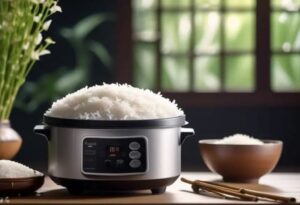
The auto switch is more than just a simple on-off function; it’s a carefully orchestrated system that ensures perfect rice every time. The bimetallic strip is at the heart of this process. It reacts to the changing temperatures inside the cooker, signaling when the rice is cooked.
The engineering behind the auto switch is precise. It’s designed to respond to the precise conditions required for perfect rice. The materials used, and the placement of the bimetallic strip, are all carefully chosen to guarantee the appliance functions as it should. It’s an example of simple, reliable technology that improves our daily lives.
The Role of the Inner Pot: Heat and Moisture
The inner pot of a rice cooker plays an essential role in the auto switch process. Its material and design affect heat distribution and moisture retention, both key to the switch mechanism. The inner pot’s characteristics directly impact how the rice cooks and how the auto switch functions.
Inner pots are typically made of materials that conduct heat well, such as aluminum, stainless steel, or ceramic-coated metals. These materials help distribute heat evenly. The design of the inner pot also helps with moisture retention. A lid creates a sealed environment, keeping steam and moisture inside. This even distribution helps the rice cook uniformly and is crucial for the proper function of the auto switch.
- Materials and heat conduction: Aluminum and stainless steel are frequently chosen for their excellent heat conduction properties. This helps to cook the rice evenly and quickly. The metal absorbs the heat from the heating element efficiently.
- Coating considerations: Many inner pots are coated with non-stick materials like Teflon. This coating prevents the rice from sticking to the bottom, making it easier to clean. It also aids in even heating.
- Thickness and heat distribution: The thickness of the inner pot can affect the cooking process. Thicker pots distribute heat more evenly, which helps in better rice quality. Even heat distribution contributes to consistent results.
- Moisture retention and lid design: The lid of the inner pot is designed to fit snugly to trap steam. This ensures proper moisture levels for cooking the rice and prevents it from drying out or burning. The lid’s design is key for proper steam circulation.
- Durability and maintenance: The inner pot’s durability affects the appliance’s lifespan. Following care instructions and avoiding scratching the pot helps maintain its functionality. Proper cleaning is important for the cooker’s efficiency.
The Lid and Vent: Managing Steam and Pressure
The lid and vent of a rice cooker work together to manage steam and pressure during the cooking process. A tight-fitting lid keeps steam and moisture inside, while the vent releases excess pressure. These elements are key to controlling the cooking environment and ensuring the rice cooks properly.
The lid of the rice cooker typically fits tightly. This helps to trap steam and build up a slight pressure, which is ideal for cooking the rice. This pressure helps cook the rice evenly and helps retain moisture. The vent, usually located on the lid, releases steam to prevent the cooker from becoming over-pressurized. The vent prevents excessive pressure from building up inside the cooker.
- Lid design and sealing: The lid is designed to seal tightly to keep steam inside the cooker. This design is crucial for ensuring the rice cooks evenly. A proper seal also helps with energy efficiency.
- Vent function and pressure release: The vent releases excess steam to prevent over-pressurization. This controlled release is vital for safety and ensuring the cooker operates correctly. The vent also helps to maintain the proper moisture balance.
- Steam circulation and even cooking: The lid and vent work together to create steam circulation inside the cooker. This helps ensure that the rice cooks evenly, preventing burning or undercooking. Proper steam circulation is important.
- Condensation management: The lid often includes features to manage condensation, preventing water droplets from falling back into the rice. This is important for maintaining the right moisture level. It keeps the rice at the desired texture.
- Cleaning and maintenance: The lid and vent should be cleaned regularly to remove any food particles that can affect their function. Proper maintenance of these components keeps the cooker working efficiently. It helps the appliance last longer.
Temperature Calibration: Setting the Right Threshold
Temperature calibration is another important aspect. This process determines the exact temperature at which the rice cooker switches from cooking to keeping warm. The calibration ensures that the rice is cooked to perfection every time.
The temperature at which the switch occurs is carefully calibrated during manufacturing. This ensures that the cooker performs reliably. The calibration process involves testing the bimetallic strip to check that it reacts at the correct temperature. This calibration is critical to the accuracy of the auto switch.
- Factory calibration process: During manufacture, the bimetallic strip and other parts are tested to verify they are working as expected. This calibration ensures consistent performance. Precise calibration is crucial.
- Temperature testing and adjustments: The switch’s operation is tested across a range of temperatures to ensure the proper functionality. Any necessary adjustments are then made to achieve the correct settings. This adjustment ensures that the cooking cycle functions correctly.
- Impact of altitude and environmental factors: Environmental conditions can affect the temperature at which the switch occurs. High altitudes, for example, can impact the boiling point of water and therefore how the rice cooks. It is important to know that these factors exist.
- Longevity and calibration: Over time, the performance of the auto switch can change. Regular checks and maintenance can help to maintain the appliance’s cooking quality. This ensures that the appliance lasts.
- Safety standards: The calibration process must also meet relevant safety standards. These standards ensure that the rice cooker operates safely and effectively. Ensuring compliance is essential.
Examples of How It All Works in Practice
Understanding the theory behind how rice cooker auto switch works is one thing, but seeing it in practice helps solidify the process. Let’s look at some scenarios. These scenarios show how the different components function together.
These real-life examples will illustrate the precision and reliability of the technology. From the initial heating phase to the transition to the keep-warm function, you can see how all the components work in harmony to produce perfectly cooked rice.
- Scenario 1: Simple White Rice: You put water and white rice into the cooker, press the button, and the heating element starts. The water boils, the rice absorbs the water, and the temperature rises. When the rice is cooked and the water is absorbed, the bimetallic strip bends. This triggers the switch to “keep warm” mode, and you end up with perfectly cooked rice.
- Scenario 2: Cooking a Larger Batch: You cook more rice, and the process is largely the same. The cooker uses more energy to cook the larger amount, but the heating element and thermostat function in the same way. The bimetallic strip ensures the switch to “keep warm” occurs after all the water is absorbed, no matter the quantity.
- Scenario 3: Using Brown Rice: Brown rice takes longer to cook than white rice because of its bran layer. The cooker recognizes this. The bimetallic strip is calibrated to account for the longer cooking time. The cooker cooks the rice for the required duration, then switches to keep warm mode.
Case Study 1: The Impact of Inner Pot Material
The material of the inner pot greatly influences how the rice cooks. For example, consider two rice cookers, one with a thin aluminum pot and the other with a thick ceramic-coated pot.
The aluminum pot heats up quickly, causing the rice to cook faster, but possibly unevenly. The ceramic pot, on the other hand, distributes the heat more gradually, allowing for a more even cooking result. This difference in heat distribution can affect the timing of the auto switch. The ceramic pot might take a bit longer to reach the correct temperature, ensuring thorough cooking.
| Feature | Thin Aluminum Pot | Thick Ceramic-Coated Pot |
|---|---|---|
| Heating Speed | Fast | Slower |
| Heat Distribution | Potentially uneven | More even |
| Auto Switch Timing | Faster | Slower |
| Rice Texture | May be drier | More moist and consistent |
In this case study, we can observe that the choice of material in the inner pot of a rice cooker can affect the overall cooking performance. The thicker ceramic-coated pot provides a more consistent result.
Case Study 2: Performance and Calibration
Proper calibration is key. A study tested two rice cookers with different calibration settings. One rice cooker was accurately calibrated. The other’s bimetallic strip was slightly off.
The accurately calibrated cooker switched to “keep warm” mode at the ideal temperature. This resulted in perfectly cooked rice. The second cooker, however, switched prematurely, resulting in undercooked rice. This case study shows the importance of factory calibration.
Frequently Asked Questions
Question: What happens if I put too much water in the rice cooker?
Answer: If you add too much water, the rice might become mushy or overly moist. The auto switch will still function, but the rice’s texture will not be ideal.
Question: Can I use different types of rice in my rice cooker?
Answer: Yes, you can. However, different types of rice, like brown rice or wild rice, may require slightly different water-to-rice ratios and cooking times. Some cookers have settings for various rice types.
Question: How long can I keep rice warm in the rice cooker?
Answer: You can keep rice warm for several hours in most rice cookers, but the quality of the rice might change. For the best flavor and texture, it’s best to consume the rice within a few hours.
Question: What do I do if my rice cooker isn’t working?
Answer: First, check the power cord and outlet. Make sure the inner pot is properly seated. If the problem continues, there may be an issue with the heating element or the thermostat. Contact the manufacturer for assistance.
Question: Is it safe to leave the rice cooker unattended?
Answer: Yes, it is safe to leave a rice cooker unattended once it’s set to “cook.” The auto switch will move it to the keep-warm function. However, always ensure the cooker is placed on a stable surface.
Final Thoughts
You’ve now explored how rice cooker auto switch works, from the basics to the inner workings. The appliance’s design centers around a simple yet effective system, where a thermostat, heating element, and inner pot work together. This system guarantees perfectly cooked rice with minimal effort. You’ve also reviewed how the lid and vent manage steam and pressure during the cooking process.
Understanding the details of how the auto switch functions allows you to appreciate your rice cooker’s clever engineering. So, next time you use your rice cooker, you’ll know exactly how it’s preparing delicious rice. Continue experimenting with different rice types and recipes. Enjoy the ease and convenience of perfectly cooked rice every time!

I’m Emma J. Caldwell, the founder, lead writer, and home-cooking enthusiast behind KitchenGuideCo.com. With a background in culinary arts and over a decade of cooking experience in both professional and personal kitchens, I created this platform to demystify recipes, offer smart kitchen gadget reviews, and guide readers through meal prep with confidence and clarity.