Oven burns are among the most common kitchen injuries, and they happen faster than most people expect. A brief touch of a hot rack, a sudden splash of steam, or a slip while lifting a tray can cause severe skin damage in seconds.
Many of these injuries occur not because people are careless, but because they underestimate how heat behaves inside and around an oven.
Modern ovens are powerful heat machines designed to retain and circulate extreme temperatures in a confined space.
The risk does not come only from the heating elements but also from metal surfaces, glass doors, steam, and hot cookware. Even after switching the oven off, residual heat can still cause serious burns.
This guide explains in detail how to avoid burns while using an oven. It covers preparation, posture, protective equipment, safe habits, and emergency response. By following these principles, everyday cooking can remain productive and injury free.
Understanding Where Burns Most Commonly Happen
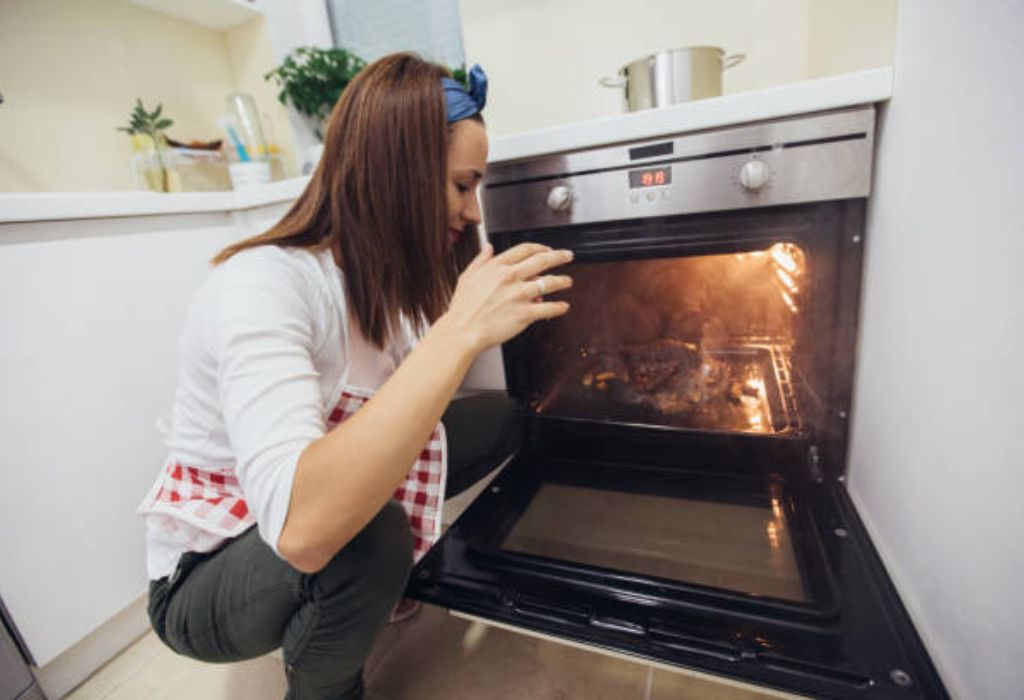
Most oven burns occur at predictable locations and during specific actions. The inner door glass, oven racks, side walls, and top heating elements all reach dangerous temperatures during use. Even the outer metal trim can become hot enough to cause injury.
Hands and forearms are the most commonly injured areas. This usually happens when reaching into the oven without full awareness of rack positions or tray stability. Wrists and knuckles often brush against hot metal before the person can react.
Steam burns also pose a major risk. When the oven door is opened, trapped steam rushes outward instantly. This can scald the face, neck, and hands even without direct contact with metal.
Burns also occur when lifting heavy trays with unstable grip. If balance is lost, people instinctively tighten their grip and make direct skin contact with hot surfaces. Understanding these risk zones helps focus prevention efforts where they matter most.
Why Oven Burns Are Often More Severe Than Expected
Oven burns tend to be deep because the surfaces and air involved hold very high heat energy. Metal racks can exceed safe skin contact temperature by several hundred degrees. This causes immediate tissue damage on contact.
Steam burns are particularly dangerous because moist heat transfers energy more efficiently than dry heat. Even a brief exposure to hot steam can cause second degree burns.
Glass oven doors can retain heat long after cooking stops. Many people touch the door thinking it has cooled down, only to suffer delayed burns.
Another reason oven burns feel severe is because reflex reaction time is too slow. By the time pain is felt, damage has often already occurred. This makes prevention far more effective than reaction.
Proper Clothing to Prevent Oven Burns
Clothing plays a major role in preventing oven related injuries. Loose sleeves often brush against hot racks or tray edges without the wearer noticing in time. This leads to sudden fabric contact with hot metal and instant skin burns.
Short sleeves expose forearms directly to heat and steam. When reaching deep into the oven, this increases the chance of accidental contact with hot interior surfaces.
Synthetic fabrics melt quickly when exposed to heat. If they touch the oven rack, they can fuse to the skin and worsen injuries. Cotton and heat resistant materials provide better protection.
Aprons with thick fabric offer additional front body protection. However, aprons should fit snugly and not hang loosely near the oven opening.
Proper clothing forms the first safety barrier before gloves or tools even come into play.
Using Oven Mitts and Heat Resistant Gloves Correctly
Oven mitts are one of the most important burn prevention tools, yet they are often misused. Thin mitts lose insulation quickly and allow heat to pass through in seconds. Thick, layered mitts delay heat transfer and give more time to react safely.
Wet oven mitts are extremely dangerous. Water conducts heat rapidly and can cause instant steam burns when contact is made with hot surfaces. Mitts must always be completely dry before use.
Full length gloves protect both hands and forearms. Standard mitts often leave wrists exposed, which is a common burn location.
Grip quality also matters. Slippery or worn mitts increase the risk of dropping hot trays and causing secondary burns from falling cookware.
Replacing worn out mitts regularly is a small investment that prevents serious injuries.
Correct Body Position When Opening the Oven Door
Many people stand directly in front of the oven when opening the door. This places the face, chest, and arms directly in the path of escaping heat and steam. A safer position is slightly to the side when opening.
Opening the door slowly allows built up steam to escape in a controlled manner. Sudden wide opening releases heat rapidly and increases burn risk.
Bending down while opening exposes the face to rising steam. Standing upright and keeping the head back reduces facial exposure.
Children and pets should never be near the oven door during opening. Their height puts them at high risk of facial steam burns.
Proper body positioning reduces exposure to heat even before any contact with hot surfaces occurs.
Safe Handling of Hot Trays and Cookware
Hot trays should always be lifted with both hands to maintain balance. One handed lifting increases the likelihood of tilting and spilling hot contents.
Before lifting, the exit path should be clear. If the landing space on the counter is cluttered, hesitation occurs while holding hot trays, increasing burn risk.
Heavy cookware retains heat longer and transfers it more aggressively. Cast iron and ceramic dishes require longer cooling time even after removal.
Hot liquids present an additional risk. Sloshing during movement can cause splash burns on hands, arms, and torso.
Controlled movement and planned placement prevent sudden accidents during tray handling.
How Oven Rack Position Affects Burn Risk
Upper oven racks place hands closer to heating elements. This increases the risk of contact burns and heat radiation injuries.
Lower racks require deeper reach into the oven cavity. This raises the chance of forearm burns from side walls and door edges.
Middle rack positions generally offer the safest access for most baking tasks. They reduce the need for extreme reach and minimize exposure to intense heat zones.
Adjusting racks should always be done when the oven is cold. Moving racks during active heating exposes hands directly to hot metal.
Choosing proper rack height reduces unnecessary exposure and physical strain.
Preventing Steam Burns During Baking and Roasting
Steam forms when moisture from food heats rapidly inside the oven. Covered dishes, water trays, and high moisture foods generate large volumes of steam.
Opening lids while dishes are still inside the oven exposes hands and face to concentrated steam. Removing the dish first allows steam to dissipate upward and away.
Foil covered trays trap steam intensely. Opening foil immediately releases a burst of hot vapor. Letting foil vent slightly before full removal reduces this risk.
Using long handled tools keeps hands farther from steam exposure zones. Distance reduces the intensity of steam burns.
Recognizing steam as a serious hazard is essential for complete oven burn prevention.
The Role of Awareness and Focus in Burn Prevention
Distraction is one of the leading causes of kitchen injuries. Looking away while removing trays increases the chance of misjudging distance and contact points.
Rushed movements amplify mistakes. Moving too quickly prevents proper positioning and controlled grip.
Fatigue also increases burn risk. Tired hands have weaker grip strength and slower reaction time.
Maintaining focus during oven interaction ensures controlled and deliberate movements. This alone prevents a large percentage of accidental burns. Cooking safely starts with mental readiness as much as physical protection.
Can you get burned by touching the oven door only?
Yes, the inner and sometimes outer door glass becomes hot enough to cause burns.
Are steam burns worse than dry heat burns?
Yes, steam transfers heat faster and can cause deeper tissue damage.
Is one oven mitt enough for safety?
No, both hands and sometimes forearms need protection during tray handling.
Do oven burns happen after turning the oven off?
Yes, residual heat can cause burns long after shutdown.
Is it safe to remove trays without mitts for a quick second?
No, even brief contact can cause instant burns.
First Aid Steps to Take Immediately After an Oven Burn
Immediate first aid plays a critical role in how severe an oven burn becomes. The first step is to remove the source of heat safely and move away from the hot area. Panic often causes people to hesitate, which allows heat damage to continue.
The burned area should be cooled under running cool water for at least 10 to 20 minutes. This helps stop the heat from penetrating deeper layers of skin and reduces swelling. Ice should never be applied directly because it can cause further tissue damage.
Tight jewelry, watches, or clothing near the burn should be removed gently before swelling starts. Blisters should never be popped because this increases the risk of infection.
If the burn is deep, large, or on sensitive areas such as the face or joints, medical help should be sought immediately.
Common Mistakes People Make After an Oven Burn
One of the biggest mistakes is applying butter, toothpaste, or oil to a fresh burn. These trap heat inside the skin and can worsen tissue damage. Home remedies often feel soothing at first but delay proper healing.
Another mistake is ignoring minor burns. Small burns that blister or change color can still become infected if not treated properly. Many people continue cooking after a burn, which increases swelling and pain later.
Covering a burn too tightly with cloth can restrict blood flow and delay recovery. Burns need breathable, sterile coverings if protection is required. Treating burns lightly often leads to long term skin sensitivity or scarring.
Child Safety and Oven Burn Prevention
Children are naturally curious and do not understand the dangers of heat. Oven doors attract attention because of lights, sounds, and visible food movement inside.
Children can suffer severe facial and hand burns from touching hot glass or pulling down hot trays. Installing child safety locks on oven doors creates a physical barrier that prevents accidental opening.
Pot handles and baking tray edges should always face inward so children cannot grab them. Teaching children early that the oven area is a no-touch zone builds long term safety habits.
Supervision is the most powerful safety tool. Even with locks and warnings, adult presence near an active oven is the strongest form of burn prevention.
Pet Safety Around Hot Ovens
Pets often move unpredictably around kitchens during cooking. Dogs and cats can brush against open oven doors, hot trays, or falling food.
Burns on paws are common when pets walk near hot surfaces unknowingly. Tails and fur can also make contact with hot metal when pets pass close to the oven.
Keeping pets out of the kitchen during active oven use is the safest practice. Baby gates or closed doors help create a controlled cooking zone.
Dropping hot food due to pet interference increases burn risk for humans as well. Pet management is a shared safety responsibility in burn prevention.
Differences in Burn Risk Between Gas and Electric Ovens
Gas ovens produce open flame heat that creates uneven hot zones. The flame itself is usually shielded, but metal surfaces around the burner reach extremely high temperatures.
Electric ovens rely on heated coils that glow red hot during use. These coils often remain hot for a long time after power is turned off.
Gas ovens may create sudden bursts of heat when the burner cycles on. Electric ovens provide steadier heat but stronger radiant exposure near the coils.
Both types can cause severe burns when touched. The main difference lies in how heat is distributed and how long surfaces remain hot after use. Understanding your oven type helps you predict where burn risks are most concentrated.
How Cleaning a Hot Oven Increases Burn Risk
Cleaning while the oven is still warm is a common cause of burns. People assume the heat has dropped enough, but internal surfaces can remain dangerously hot for long periods.
Steam generated from cleaning sprays can cause scalds when applied to warm surfaces. This creates a sudden heat release similar to steam from cooking.
Self-cleaning oven cycles raise internal temperatures far beyond normal cooking range. The oven door, exterior panels, and surrounding cabinets become hot enough to burn skin on contact.
Cleaning should always be done after full cooling, with protective gloves when contact with internal surfaces is required. Patience prevents serious injury during oven maintenance.
Professional Kitchen Habits That Reduce Burn Injuries
Professional kitchens operate in constant high heat environments, yet experienced chefs maintain low injury rates through discipline and routine.
They announce movements clearly when carrying hot trays so others can move safely. Verbal warnings like hot behind prevent sudden collisions.
They never place hot trays at unstable heights or near crowded paths. Every movement is planned before lifting.
Professional kitchens use long handled tools and full length heat resistant gloves for repeated oven access. Adopting these habits at home dramatically lowers burn risk.
Discipline and routine create predictable safety even in fast paced cooking environments.
How to Arrange Your Kitchen for Better Oven Burn Safety
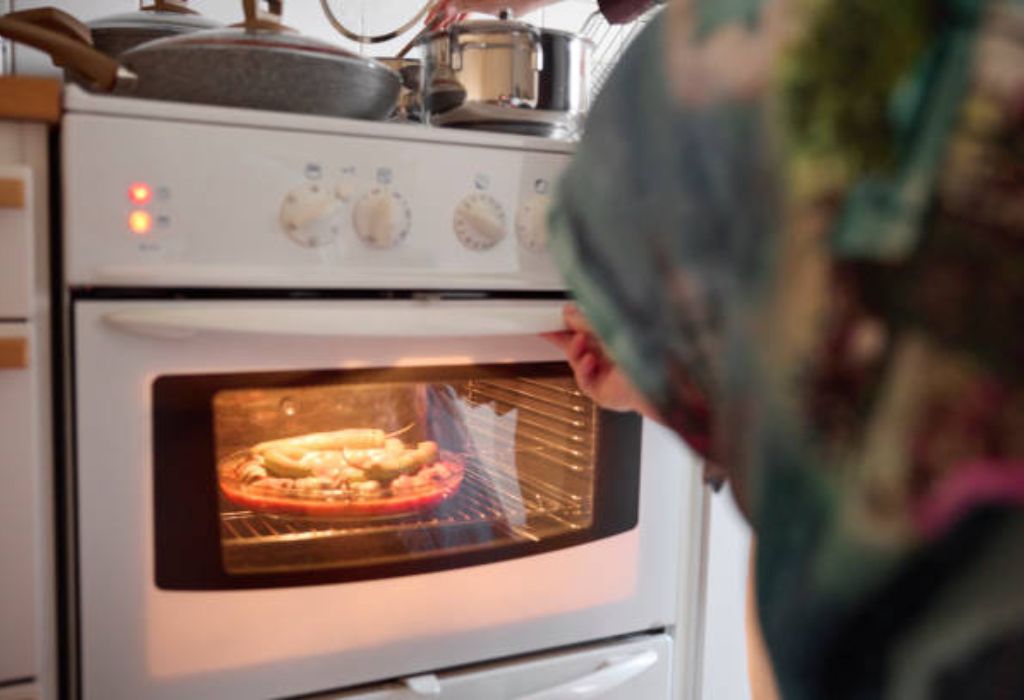
Kitchen layout plays a major role in injury prevention. Narrow spaces and cluttered counters create obstacles when carrying hot cookware.
Landing zones should always be available near the oven so hot dishes can be placed immediately after removal. Searching for space while holding a hot tray increases burn risk.
Non-slip floor mats reduce fall risk when moving with heavy cookware. A slip while holding hot food can cause severe full body burns.
Good lighting helps identify hot surfaces clearly. Dim kitchens increase the risk of accidental contact with heated areas.
A well arranged kitchen creates natural protection against burns.
Long Term Habits That Prevent Repeated Burn Injuries
Developing consistent habits is more effective than relying on caution alone. Always using oven mitts becomes automatic after enough repetition.
Placing one hand under a tray and one on the side improves control and stability. This technique reduces tipping.
Allowing a cooling pause before touching removed cookware prevents post-removal burns. Many burns happen after dishes leave the oven.
Teaching all household members safe oven behavior creates shared responsibility. Burn prevention becomes a routine practice rather than a one time effort.
Long term habits provide protection even during tired or distracted moments.
Can oven burns happen even when the oven is off?
Yes, residual heat can remain for a long time after cooking.
Is it safe to clean oven racks while they are warm?
No, warm racks can still cause serious contact burns.
Do glass oven doors cool faster than metal racks?
They cool slower and can stay dangerously hot for extended periods.
Are silicone mitts safer than fabric mitts?
Both are safe if thick and dry, but silicone offers better moisture resistance.
Do professional chefs still get burned?
Yes, but strict routines significantly reduce injury severity and frequency.
Conclusion
Avoiding burns when using an oven depends on a combination of awareness, preparation, protective tools, and disciplined habits. Most burns happen not because people are careless, but because they underestimate how quickly heat transfers from metal, steam, and glass.
By understanding where burns occur and why they become severe, prevention becomes easier and more reliable.
Proper clothing, dry heat resistant gloves, controlled body positioning, and planned tray movement reduce the majority of oven related injuries.
Awareness of steam behavior, heavy cookware heat retention, and residual heat after shutdown adds another layer of safety. Child and pet management further prevents unpredictable accidents.
The safest kitchens are not accident free by luck. They are built on habits practiced every day with consistency. When oven safety becomes a routine rather than a thought, burns become rare and preventable rather than sudden and painful.

I’m Emma J. Caldwell, the founder, lead writer, and home-cooking enthusiast behind KitchenGuideCo.com. With a background in culinary arts and over a decade of cooking experience in both professional and personal kitchens, I created this platform to demystify recipes, offer smart kitchen gadget reviews, and guide readers through meal prep with confidence and clarity.