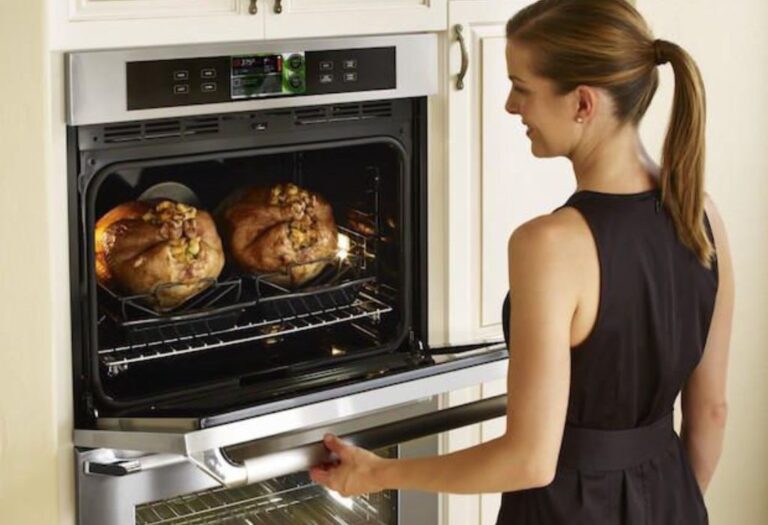
A home baker opens the oven door expecting a perfectly risen cake only to find the top overly browned while the center still feels soft. Without a fan to circulate heat the oven behaves differently and the cake bakes more slowly than the recipe suggests.
Many people assume baking requires a convection setting but traditional ovens without fans can still produce soft moist and evenly baked cakes when handled correctly.
Before convection ovens became common every cake from family kitchens to professional bakeries was baked using still heat. Bakers learned how to position pans set the right temperature and avoid opening the door too often.
These simple techniques are still effective today and allow anyone to bake delicious cakes without relying on forced air circulation.
Understanding how to bake without a fan turns uncertainty into confidence. Instead of guessing and hoping for the best the baker learns how heat moves and how batter responds. With a few adjustments the oven becomes predictable and the cake bakes evenly from edge to center.
What Baking Without a Fan Really Means
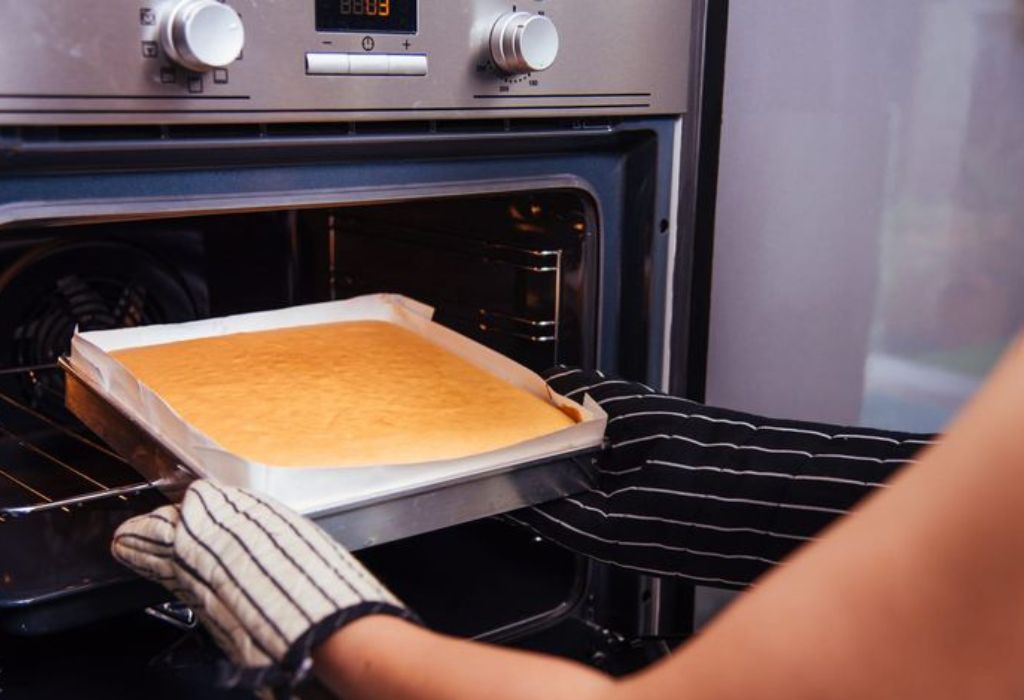
Baking without a fan refers to using a conventional oven where heat rises naturally instead of being pushed by air movement.
The heating element warms the space and temperature stabilizes slowly over time. This creates gentler heat that surrounds the cake from all sides without direct airflow.
Still heat results in slower baking because the temperature does not distribute as quickly. The top of the oven may become slightly hotter than the bottom depending on the design. Understanding these patterns helps prevent uneven rising or premature browning.
Traditional baking is softer on delicate batters such as sponge and chiffon cakes. Gentle heat allows bubbles to expand slowly and form a fine crumb. Recipes developed before modern convection settings still depend on this classic heating method.
Using the oven without a fan does not require special equipment or advanced skills. Bakers only need to adjust temperature and time based on the recipe. Small changes create consistent reliable results.
Many home ovens default to non fan mode which makes this technique more common than people realize. Learning to bake without a fan provides flexibility when convection is unavailable. It also helps improve overall baking technique and troubleshooting skills.
Difference Between Fan and No Fan Baking
Fan baking relies on a convection system that circulates hot air around the oven. This movement speeds up heat transfer and reduces baking time significantly. Cakes may rise faster but can dry out if not monitored carefully.
No fan baking allows heat to settle naturally without forced circulation. The cake bakes more slowly which helps maintain moisture inside the crumb. Surface browning also develops gradually instead of rapidly.
Temperature adjustments are necessary when switching between the two settings. Baking without a fan usually requires increasing heat slightly to compensate for slower air movement. Recipes based on convection often reduce temperature by default.
Still heat is more forgiving for fragile batters such as angel food or sponge cakes. Gentle rise prevents collapsing and creates even texture from edge to center. Convection can push the surface too quickly leading to cracks.
Understanding these differences prevents overbaking or underbaking when following any recipe. The choice depends on texture flavor and moisture goals rather than convenience. Both methods work well when handled correctly.
Do I need to change the temperature without a fan?
Yes most cakes require a slightly higher temperature when baking without a fan to match recipe timing.
Is convection always better for cakes?
No delicate cakes bake better without a fan because gentle heat protects structure and moisture.
Why do cakes brown faster with a fan?
Airflow increases heat transfer to the surface which accelerates browning and drying.
Can I use the same baking time in both modes?
Not always because fan baking is faster and requires reducing either temperature or time.
Which method is best for beginners?
No fan baking is more forgiving and allows slower more controlled rising.
How Heat Moves in a Non Fan Oven
In a still oven heat rises from the lower element and collects near the top. This creates warmer zones that affect how cakes bake depending on rack placement. Understanding heat flow prevents uneven results and sinking centers.
Middle rack placement is ideal for most cakes because it balances top and bottom heat. Placing pans too high may brown the surface before the cake sets. Too low may cause the bottom to overcook while the top remains pale.
Preheating is essential to stabilize temperature before inserting the cake. Without airflow heat takes longer to distribute evenly. Waiting the full preheat time improves consistency and prevents slow rising.
Opening the oven door releases heat rapidly in a conventional oven. Heat recovery is slower because no fan pushes new air across the space. Avoiding frequent checks maintains structure and prevents collapsing.
Still heat produces softer baking conditions that preserve moisture. Slow movement supports smooth rising and gentle crumb development. This makes no fan baking suitable for traditional cake styles.
Adjusting Temperature and Baking Time Without a Fan
Most cakes baked without a fan require increasing the temperature by about ten to twenty degrees Celsius. This compensates for slower heat circulation and aligns baking progress with recipe expectations. Adjustments prevent underbaking in the center.
Baking time may also increase slightly when using still heat. A longer bake ensures the cake cooks fully without drying the edges. Checking early prevents overbaking and maintains tenderness.
Balancing both time and temperature depends on the oven’s behavior. Some ovens run hot while others heat unevenly. Learning patterns through experience improves accuracy over time.
Using an oven thermometer helps confirm true internal temperature. Built in gauges may show inaccurate readings especially in older ovens. Consistent temperature leads to more predictable cake results.
Adjustments work best when made gradually. Making small changes between baking sessions helps refine technique. Over time the baker learns the ideal settings for different cake styles.
Preparing Batter for No Fan Baking
Room temperature ingredients blend more evenly and trap air effectively. Cold butter or eggs reduce aeration and may cause dense texture in a slow baking environment. Proper preparation supports uniform rise and smooth crumb.
Mixing gently prevents deflating the batter before it enters the oven. Overmixing eliminates air pockets that create light structure during baking. Manual folding protects volume especially for sponge based cakes.
Resting batter briefly before pouring allows bubbles to settle. This reduces large holes and promotes even rising in still heat. However resting should not be too long or chemical leaveners may weaken.
Choosing the correct pan size ensures proper heat exposure. A pan that is too deep may leave the center underbaked without convection support. Spreading batter evenly promotes predictable baking.
Avoiding overfilled pans prevents spillover and sinking. Cakes expand slowly in still heat but require space to rise safely. Filling halfway to two thirds maintains structure throughout baking.
Should ingredients be room temperature for no fan baking?
Yes room temperature ingredients mix evenly and support better rise in gentle heat.
Does overmixing affect cakes without a fan?
Yes it removes air and leads to dense texture because slow baking cannot rebuild structure.
Can batter rest before baking?
Yes briefly but not too long or leavening power may decrease before the cake enters the oven.
Does pan size matter more without a fan?
Yes deeper pans bake unevenly and may leave the center undercooked in still heat.
How full should the pan be?
Fill halfway to two thirds to allow safe rising without collapsing.
Pan Placement and Oven Rack Position
Center rack placement offers balanced top and bottom heat exposure. This helps the cake rise evenly without burning the surface. Most standard cakes perform best in this neutral position.
Using multiple racks may require rotating pans carefully. Without airflow lower pans may bake more slowly than upper ones. Rotation must be done quickly to avoid heat loss.
Avoid placing pans directly against oven walls. Heat concentrates near the edges and may brown one side faster. Keeping space around the pan promotes better circulation even without a fan.
Dark metal pans absorb more heat and brown faster. Shiny or light colored pans reflect heat and bake more gently. Selecting the correct material prevents overbaking.
Preheating the oven for a full cycle ensures stable temperature. Still heat settles gradually and may appear ready before reaching target. Waiting improves consistency and prevents uneven texture.
Preventing Uneven Rising and Browning
Uneven rising often results from inconsistent heat exposure. Still ovens create warm and cool zones that affect batter expansion differently. Proper pan placement minimizes these variations and improves final shape.
Insulating the pan prevents rapid browning on the edges. Lining the exterior with parchment or using a baking strip keeps temperature stable. This helps the cake rise smoothly from center to rim.
Covering the cake loosely with foil during baking protects the surface. If browning occurs too early shielding slows color development. Removing the foil later allows even finishing without burning.
Reducing sugar slightly can prevent premature caramelization. High sugar content darkens quickly when exposed to radiant heat. Small recipe adjustments preserve flavor and color balance.
Monitoring through the oven window avoids repeated door opening. Still ovens lose heat quickly and struggle to recover. Visual checks maintain consistency and prevent sinking.
Why do cakes rise unevenly without a fan?
Still heat creates hot spots that expand batter at different rates leading to doming or sinking.
How can I prevent early browning?
Cover the top loosely with foil if the surface darkens before the center sets fully.
Do baking strips help?
Yes they insulate the pan edges and encourage level rising throughout the cake.
Should I reduce sugar in the recipe?
Sometimes a small reduction prevents rapid browning when using still heat.
Can I check the cake by opening the door?
Only when necessary because heat loss is significant and may cause sinking.
Checking Doneness Without a Fan Setting
Using a skewer test remains the most reliable method. Insert the skewer into the center and check for moist crumbs rather than wet batter. This confirms internal structure has set properly.
Lightly pressing the surface helps assess springiness. A fully baked cake returns to shape without leaving an impression. If the indentation remains more baking time is required.
Observing the edges provides additional clues. The cake should gently pull away from the sides when done. Excessive shrinking may signal overbaking rather than completion.
Relying on color alone may be misleading. Still heat often browns the surface before the crumb finishes setting. Combining multiple tests ensures accuracy.
Cooling the cake gradually prevents collapse. Abrupt temperature changes weaken structure especially in delicate recipes. Allowing brief rest in the oven with the door ajar supports stability.
Common Mistakes When Baking Without a Fan
Setting the temperature too low is a frequent error. Low heat prevents proper rising and leaves the center dense. Increasing gradually ensures full development and consistent texture.
Opening the oven door too often disrupts baking. Heat escapes rapidly and is slow to recover without airflow. Limiting checks protects structure and prevents sinking.
Using overly dark pans may cause uneven browning. Heat absorption increases and accelerates cooking at the edges. Choosing lighter pans helps balance temperature.
Ignoring preheating leads to unpredictable results. Still ovens require time to stabilize internal heat. Placing batter inside too early delays rising and affects crumb quality.
Overmixing batter reduces trapped air needed for lift. Slow gentle heat cannot compensate for lost volume. Stirring carefully protects structure throughout baking.
Why does my cake sink without a fan?
Heat loss or underbaking often causes collapse especially if the door opens repeatedly.
Is preheating more important without a fan?
Yes still ovens heat slowly and need full preheating to bake consistently.
Do dark pans cause problems?
Yes they absorb heat quickly and may brown edges before the center sets.
Why is low temperature a mistake?
Insufficient heat prevents rising and leaves the crumb dense and undercooked.
Can mixing affect the result?
Yes overmixing removes air and prevents the cake from lifting during a slow bake.
Tips for Consistent Results Without a Fan
Keeping recipes simple helps maintain reliable performance. Basic butter and sponge cakes respond well to still heat without major adjustments. Complex batters require more careful handling.
Weighing ingredients improves accuracy and consistency. Precise ratios create predictable structure and support even rising. Volume measurements may vary depending on technique.
Allowing the cake to cool slowly protects texture. Sudden temperature drops weaken the internal crumb. Gradual cooling inside the oven prevents cracking or sinking.
Using parchment paper ensures clean release from the pan. Still heat may cause slight sticking around the edges. A lined surface keeps the cake intact during removal.
Practicing with the same oven builds familiarity. Every oven behaves differently regardless of settings. Experience allows confident adjustments for future bakes.
Conclusion
Baking a cake without a fan is not difficult once the heat patterns timing and preparation are understood. Still heat creates gentle baking conditions that preserve moisture and support smooth rising.
With proper temperature adjustments and careful batter handling the cake bakes evenly without relying on forced air circulation.
Avoiding common mistakes such as opening the door too often or underheating the oven helps maintain structure.
Small changes in rack position pan type and mixing technique make a noticeable difference. Whether baking a sponge butter cake or simple loaf the results can be soft level and perfectly cooked.
Learning how to bake without a fan gives bakers flexibility and confidence. Rather than depending on convection they can achieve consistent results in any oven. Mastering this classic method ensures delicious cakes with tender crumb and balanced flavor.

I’m Emma J. Caldwell, the founder, lead writer, and home-cooking enthusiast behind KitchenGuideCo.com. With a background in culinary arts and over a decade of cooking experience in both professional and personal kitchens, I created this platform to demystify recipes, offer smart kitchen gadget reviews, and guide readers through meal prep with confidence and clarity.