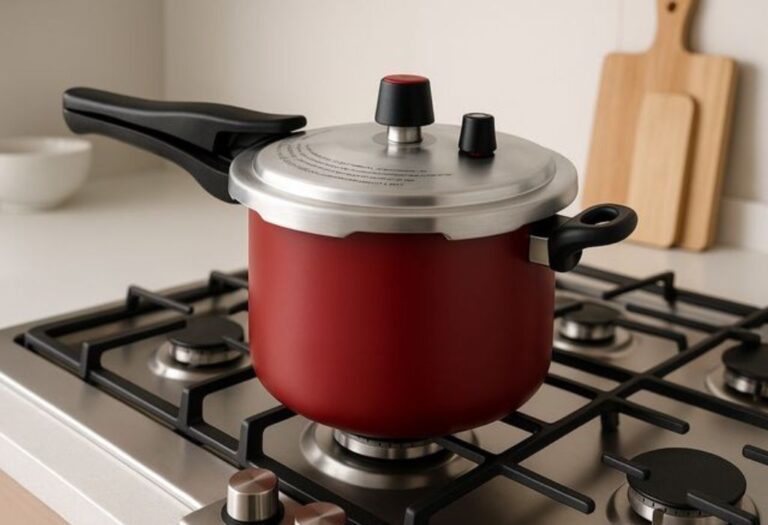
To dramatically speed up your pressure cooker’s pressurization, always begin by applying the maximum heat setting possible, ensuring the liquid reaches a rapid boil quickly. This intense initial heat is key to building steam fast. Additionally, using just the right amount of liquid and confirming a perfect lid seal will further optimize the process for quicker cooking times.
Unlock Secrets How to Build Pressure Cooker Pressure Faster
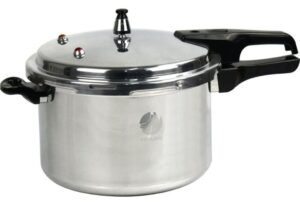
Ever found yourself staring intently at your pressure cooker, willing that little pin to pop up, especially when you’re starving or pressed for time? It’s a common kitchen dilemma! We all love the speed of pressure cooking, but that initial waiting game for it to pressurize can sometimes feel like an eternity. The good news is, you absolutely can learn how to build pressure cooker pressure faster with a few clever tricks and understanding how your cooker works. It’s not magic, just smart cooking!
Think of it like getting your car up to speed on the highway. You don’t just gently press the gas; you give it a good push to accelerate quickly. Your pressure cooker needs a similar initial boost. By optimizing a few key steps, you’ll be hearing that satisfying hiss and seeing the pressure indicator rise in no time, making your weeknight meals or special dishes come together even quicker. Let’s dive into the specifics of how to really speed up the pressure building process!
How can I truly build pressure cooker pressure faster, and what are the best practical tips to make it happen effortlessly?
Learning how to build pressure cooker pressure faster is all about understanding the physics and applying a few smart techniques. It’s less about force and more about efficiency. Here’s my comprehensive guide, packed with insights from countless meals cooked under pressure:
First and foremost, the amount and starting temperature of your liquid are game-changers. This is probably my biggest secret to speed up pressure building. If your recipe calls for water or broth, always use hot or even boiling liquid from a kettle. Think about it: your pressure cooker has to heat all that liquid to boiling before it can even begin to create steam and pressurize. Starting with hot liquid gives it a massive head start. I remember one time I was making a quick lentil soup for lunch, and instead of cold tap water, I used piping hot vegetable broth. The difference in pressure build-up time was astounding – literally minutes saved!
Next, consider your heat source. When you first place the pot on the stove, use the highest heat setting your stove allows. You want to get the contents to a rolling boil as quickly as possible. Once the pressure indicator signals that full pressure has been reached, then you can reduce the heat to maintain it. Don’t be shy with the initial blast of heat! This is crucial to build pressure cooker pressure faster. For electric cookers, ensure the burner matches the pot size for maximum contact and heat transfer.
Another fantastic tip, especially if you’re making something like a stew or chili, is to sauté your ingredients directly in the pressure cooker pot first. Browning meat or softening onions adds incredible flavor, but it also warms up the pot and its contents significantly. When you then add your hot liquid and seal the lid, the temperature inside is already elevated, drastically cutting down the time it takes to build pressure. It’s a double win: flavor and speed!
A perfectly sealed lid is non-negotiable. Before you even put it on, inspect your gasket (sealing ring) to make sure it’s clean, pliable, and properly seated. A worn, cracked, or improperly fitted gasket can cause steam to escape, which not only prevents pressure from building but also wastes time and energy. If steam is escaping from anywhere other than the vent during the initial heating, you’ll struggle to build pressure cooker pressure faster. Trust me, I once spent ten frustrating minutes trying to figure out why my pot wouldn’t pressurize, only to realize my gasket was slightly out of place.
Lastly, ensure you have the right amount of liquid – not too much, not too little. Too little liquid won’t create enough steam to reach pressure, and too much will take longer to heat up. Always follow your recipe’s liquid recommendations, or consult your pressure cooker manual for minimum and maximum fill lines. A wider, shallower pot base generally allows for faster heating compared to a tall, narrow one, as it has more surface area exposed to the heat. These combined efforts will significantly help you build pressure cooker pressure faster.
Mastering these techniques will transform your pressure cooking experience, making it even more efficient and enjoyable. No more foot-tapping while you wait!