Choosing an oven often begins with a simple thought as you imagine baking something special. Then you walk into a store and suddenly realize there are dozens of models that look almost the same.
Every label feels confusing and every feature sounds important until nothing makes sense anymore. That moment is when most people pick the wrong oven and regret it later.
The right oven can transform the way your kitchen feels and how confidently you cook every day. It affects how evenly food heats and how much energy your home uses over time.
A well-chosen oven can also improve safety and prevent unexpected repair costs. That is why understanding each choice before buying matters more than most people realize.
This guide explains every detail in a simple and practical way. You will learn what size works for your kitchen and which fuel type fits your lifestyle.
You will also discover which features are worth paying for and which ones are unnecessary marketing. By the end of this article you will know exactly how to choose an oven without confusion.
What Does an Oven Do and Why the Right Choice Matters
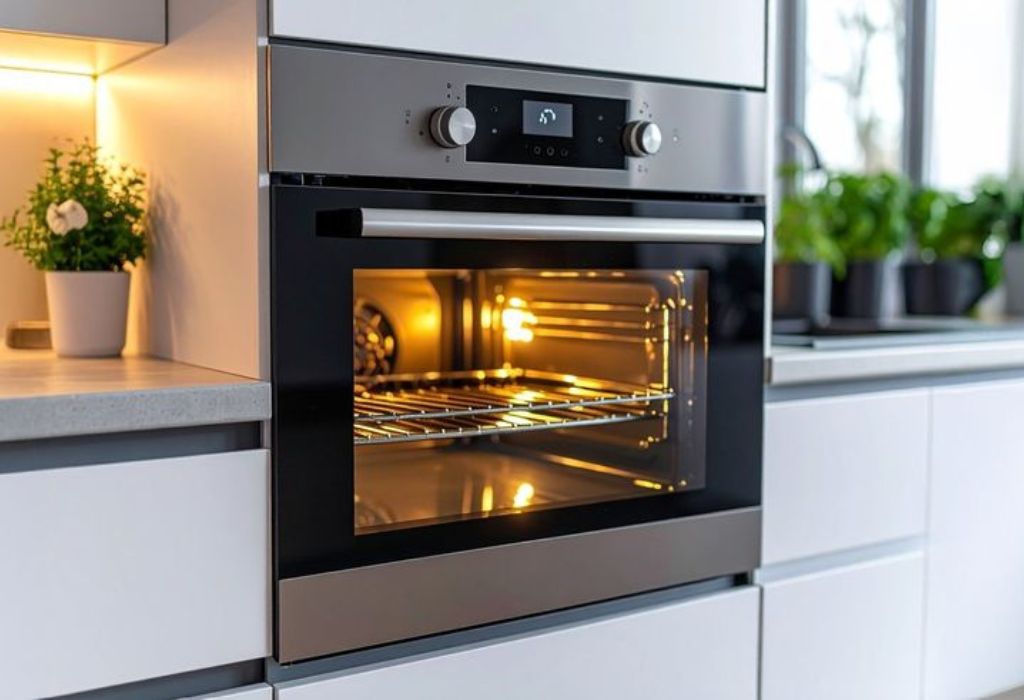
An oven is a controlled heating appliance that cooks food evenly inside a closed chamber. It helps bake roast and reheat meals using regulated temperature and timing. Modern ovens now include improved safety features that reduce cooking risks.
Choosing the right oven affects the taste texture and consistency of everyday meals. When the appliance maintains temperature properly food cooks evenly without burning. This also helps save time during busy cooking schedules at home.
A wrong oven often creates uneven heat which leads to undercooked or dried-out food. Some models take longer to preheat and waste valuable energy every day. This increases electricity usage and raises long-term operating costs unnecessarily.
The right oven size matches your kitchen layout and available installation space. A properly chosen model prevents crowding and allows safe airflow during cooking. It also keeps your kitchen comfortable by reducing excessive heat release.
A reliable oven improves daily cooking confidence and reduces recipe mistakes. It allows beginners to experiment safely without worrying about temperature drops. For experienced cooks the right oven ensures consistent results across multiple dishes.
Investing wisely reduces the need for early repairs and unexpected replacement costs. A durable appliance lasts longer when maintained under correct usage conditions. The right choice supports your lifestyle and cooking habits for many years.
Signs You Need to Upgrade or Replace an Oven
If your oven takes unusually long to preheat it may indicate a failing element. Food that burns on the outside but stays raw inside signals uneven heating. Sudden temperature drops during cooking are also a serious warning sign.
Strange electrical smells can appear even when no food has spilled inside. Clicking buzzing or popping noises often mean internal components are damaged. A dim or flickering display may also point to electrical control failure.
A loose or broken oven door seal allows heat to escape during cooking. This forces the appliance to work harder and wastes unnecessary energy daily. It also increases cooking time and affects overall food quality significantly.
Frequent repairs become more expensive than replacement after repeated breakdowns. When an oven reaches fifteen years performance usually declines noticeably. Older models also lack safety systems found in newer energy-efficient units.
If baking results change even with the same temperature something is wrong. You may notice cakes sinking or roasts drying out more frequently. These changes suggest the oven can no longer hold stable heat levels.
Upgrading ensures safer and more efficient daily cooking performance. A newer model reduces energy costs and improves temperature accuracy over time. Replacing an unreliable oven prevents frustration and unexpected meal failures in the kitchen.
Electric vs Gas Ovens: Which One Should You Choose
Electric ovens provide precise and steady heat that benefits baking performance. They distribute warmth more evenly across all racks inside the chamber. This makes them ideal for cakes pastries and temperature-sensitive recipes.
Gas ovens heat up faster and are often cheaper to run in many regions. They require a proper gas line connection before installation takes place. Some users prefer the moist heat gas produces for certain dishes.
Electric ovens usually cost more to operate depending on electricity pricing. However they offer better temperature control and accurate heat regulation. Their smooth performance helps reduce cooking mistakes for new home cooks.
Gas ovens may create slightly uneven heat depending on burner placement. Temperature adjustments are not always as precise as electric models. Proper ventilation is necessary to remove fumes and maintain indoor safety.
Your decision depends on budget availability and personal cooking style. Frequent bakers usually prefer electric ovens for consistent results every time. People who roast or broil often may enjoy gas models for faster heating.
Consider installation requirements before choosing between the two fuel types. Homes without existing gas lines may spend extra for connection work. Selecting the right option ensures safe usage and long-term cooking satisfaction.
Built-In vs Freestanding Ovens for Different Kitchen Spaces
A built-in oven fits directly into cabinetry for a sleek modern appearance. It saves floor space and allows installation at eye level for convenience. This makes loading and removing dishes easier without bending frequently.
Built-in ovens require precise measurement before final installation begins. Proper spacing ensures ventilation and prevents heat buildup behind the unit. Professional fitting is recommended to avoid damage during cabinet modification.
Freestanding ovens combine a cooktop and oven in a single appliance body. They are easier to install and move during kitchen renovation. This flexibility makes them ideal for rental homes and temporary setups.
Freestanding models generally cost less than built-in oven designs. They come in many size options to fit both small and large kitchens. Cleaning around the sides is also simpler because the unit stands alone.
Your kitchen layout determines which type will function more comfortably. Built-in styles suit custom cabinetry and long-term home ownership. Freestanding models work better in compact or frequently changing living spaces.
Consider future remodeling plans before deciding on an oven style. Choosing the right type prevents expensive adjustments later in the process. The correct installation ensures safety comfort and long-lasting performance in your kitchen.
How to Choose the Right Oven Capacity for Your Family Size
A small household of two to three people can use a sixty-liter oven. This size handles everyday meals without wasting excess energy daily. It also fits comfortably in most compact kitchen layouts and apartments.
Medium families with four members benefit from seventy to eighty liters. This capacity allows baking multiple trays at once when needed. Weekend batch cooking becomes easier without overcrowding the oven chamber.
Large families or frequent hosts require over ninety-liter capacity. Bigger ovens support roasting large poultry and cooking several dishes. They also reduce cooking time during gatherings and special events.
Choosing a capacity that is too small causes uneven heat distribution. Food becomes crowded and air cannot circulate properly around trays. This leads to longer cooking times and less reliable meal results.
Oversized ovens waste energy when preparing small meals regularly. They may increase utility bills without improving cooking performance noticeably. Selecting the correct size balances efficiency and convenience at home.
Measure your cookware and baking trays before purchasing an oven. Ensuring proper fit prevents frustration during daily meal preparation. The right capacity supports your lifestyle and avoids unnecessary energy waste.
Conventional vs Convection Ovens: Key Performance Differences
A conventional oven heats food using top and bottom elements without airflow. The warmth rises naturally creating temperature variations inside the chamber. This often requires rotating trays to achieve even cooking results during baking.
Conventional heat works well for delicate recipes like custards soufflés and cakes. These dishes need gentle warmth that does not dry out easily. Many home cooks prefer this method for slow and controlled temperature handling.
A convection oven includes a built-in fan that circulates hot air continuously. This helps distribute heat evenly across multiple racks at the same time. Food cooks faster and browns more efficiently without frequent turning.
Convection mode creates crisp textures for roasted vegetables and meats. Baked goods like cookies achieve consistent color across every sheet. This reduces the risk of burnt edges and undercooked centers during large batches.
Some modern ovens allow switching between conventional and convection settings. This gives flexibility for different recipes based on cooking requirements. Users can choose gentle heat for baking and active airflow for roasting.
Your decision depends on what you cook most frequently at home. Bakers may prefer conventional heat while multitaskers enjoy convection efficiency. Having both options provides the best performance and long-term versatility in the kitchen.
Must-Have Oven Features That Actually Matter
A built-in timer prevents overcooking when multitasking during busy meals. It helps maintain accuracy without constantly checking the clock manually. This simple feature increases safety and reduces unnecessary stress in the kitchen.
Temperature probes allow checking internal meat warmth without opening the door. This ensures food reaches safe cooking levels for consumption. It also prevents heat loss which can affect overall cooking time.
Self-cleaning modes reduce scrubbing by burning residue at high temperatures. This keeps the interior hygienic without using chemical cleaners frequently. It also extends the lifespan of oven surfaces by preventing buildup.
Child safety locks prevent accidental door opening during operation. This feature is essential in homes with young children nearby. Heat-resistant glass helps visibility while maintaining secure insulation.
Multiple rack positions support different tray heights for better airflow. Interior lighting lets you monitor progress without interrupting heating cycles. These functions improve convenience and ensure consistent cooking performance.
Avoid paying extra for features that do not enhance results significantly. Smart WiFi controls are optional unless remote monitoring is required. Focus on durability reliability and essential functions when choosing an oven.
Energy Efficiency and Long-Term Running Cost
Energy-efficient ovens reduce monthly utility bills by using power responsibly. Better insulation helps retain heat inside the chamber during cooking. This prevents the appliance from reheating constantly and wasting electricity.
Look for energy rating labels when comparing different models in stores. Higher ratings indicate reduced consumption over long-term usage at home. These ovens may cost more initially but save money gradually.
Rapid preheat features reduce the waiting time before cooking begins. Triple-glazed doors prevent heat escape and improve temperature stability. LED control panels consume less power than older display systems.
Gas ovens can be cheaper to operate depending on local fuel cost. However electric ovens offer more precision and stable heat performance. Each option affects your long-term budget differently based on usage habits.
Frequent home cooks benefit most from choosing energy-efficient appliances. Lower running cost becomes noticeable over months of regular meal preparation. Occasional users may not see dramatic savings immediately.
Balancing upfront price with lifetime cost gives the best financial outcome. Selecting the right oven ensures both comfort and economic efficiency. This decision impacts daily living and strengthens long-term household budgeting.
Choosing Installation Type and Proper Ventilation
Correct installation protects your home from fire hazards and overheating. Built-in ovens require space around the unit for safe ventilation. Failing to plan clearance can trap heat and damage surrounding cabinetry.
Freestanding ovens need level flooring to ensure stable door alignment. This prevents heat leakage and keeps the appliance balanced during use. Proper positioning also avoids wobbling when placing heavy cookware inside.
Gas ovens must follow local codes for safe pipe connection. Only certified technicians should install or inspect fuel lines. This reduces the risk of leaks and improves long-term safety.
Ventilation removes steam smoke and heat from enclosed kitchen areas. Range hoods help maintain air quality and prevent moisture buildup. Good airflow also protects cabinets and walls from long-term damage.
Always confirm measurement guides before final installation takes place. Taking accurate height width and depth prevents fitting errors. This avoids costly changes after purchasing a new oven.
Professional installation protects the warranty and ensures reliable performance. It also reduces unexpected repair needs during early usage. Proper planning guarantees comfort safety and long-lasting kitchen efficiency.
Final Checklist Before Buying an Oven
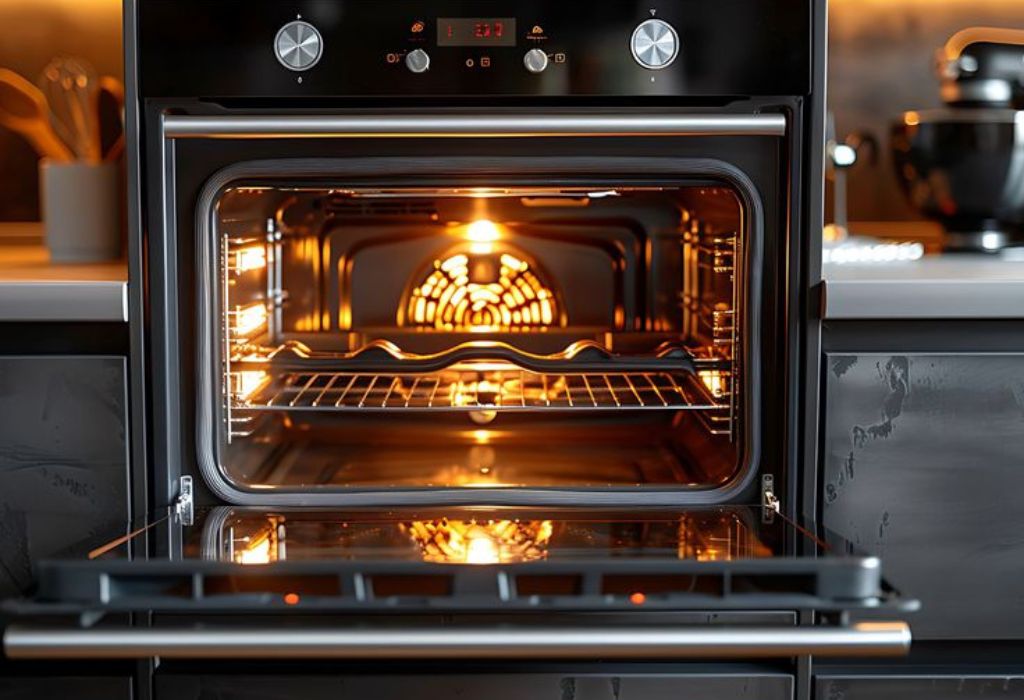
Measure the available space including width height and depth accurately. Check door clearance to ensure smooth opening without obstruction. This prevents installation problems after the appliance arrives at your home.
Confirm whether your kitchen supports gas or electric compatibility. Homes without gas lines may require additional installation charges. Understanding these details avoids surprises during setup.
Choose the right capacity based on your family size and cooking style. Small families need less space than frequent hosts or large households. Oversized ovens waste energy while extremely small ones limit meal preparation.
Check essential features like timers self-cleaning and rack positions. Avoid models with unnecessary functions that increase cost without benefit. Focus only on tools that improve daily cooking performance.
Read real customer reviews to understand long-term reliability. Product marketing may not reveal issues that appear during everyday use. Honest feedback helps identify strengths and weaknesses before buying.
Make a shortlist and compare prices across multiple stores. Consider warranty terms and availability of replacement parts locally. This careful approach ensures a confident and successful oven purchase.
Important Questions Before Choosing an Oven
What size oven is best for a small kitchen?
A small kitchen usually works best with a sixty-liter capacity oven. It fits standard baking trays without wasting extra energy during daily cooking. This size also leaves enough space for ventilation around the appliance.
Is a convection oven better for baking?
Convection ovens bake faster because the fan circulates hot air evenly. They work well for cookies pastries and roasted dishes with crisp texture. Delicate cakes may still perform better in conventional mode.
How much space do you need around an oven?
Most ovens require at least a few centimeters of clearance for ventilation. Built-in models need proper airflow behind and underneath the unit. Always check the manufacturer’s installation guide before fitting.
Do electric ovens use more energy than gas?
Electric ovens may cost more to run depending on local rates. However they offer more accurate temperature control for baking. Gas ovens heat faster but need proper ventilation for safety.
How long does an oven usually last?
A well-maintained oven can last between ten and fifteen years. Lifespan depends on usage frequency and overall build quality. Regular cleaning and servicing help prevent early breakdowns.
Can you install a built-in oven without a professional?
Self-installation is risky because it can affect safety and warranty. Built-in ovens require correct wiring insulation and cabinet spacing. Hiring a certified technician ensures proper fitting and compliance.
What features are essential when choosing an oven?
Important features include a timer multiple rack positions and interior lighting. Self-cleaning and temperature probes also improve daily convenience and accuracy. Avoid paying extra for unnecessary smart functions.
Does oven capacity affect cooking performance?
Smaller ovens can overcrowd trays and cause uneven heating. Larger ovens waste energy when cooking single small meals frequently. Choosing the right size balances efficiency and usability in the kitchen.
Is a freestanding oven easier to maintain?
Freestanding ovens are simpler to clean around because they stand alone. They are also easier to replace without modifying cabinetry. Built-in ovens require precise installation but look more seamless.
What is the benefit of triple-glazed oven doors?
Triple-glazed doors improve insulation and prevent heat from escaping. They keep the exterior surface cooler for added safety. Better insulation also reduces energy consumption during long cooking times.
Conclusion
Choosing the right oven becomes easier when you understand each factor clearly. The decision should match your kitchen layout and everyday cooking habits. Comparing capacity fuel type and installation prevents costly mistakes.
A reliable oven improves meal quality and reduces energy consumption over time. It also minimizes repairs when selected with durable and essential features. Investing wisely brings comfort confidence and better results in daily cooking.
Taking measurements and planning ventilation ensures safe installation at home. Reviewing reviews and pricing helps finalize your purchase without confusion. With the right knowledge you can choose an oven that serves your family for many years.

I’m Emma J. Caldwell, the founder, lead writer, and home-cooking enthusiast behind KitchenGuideCo.com. With a background in culinary arts and over a decade of cooking experience in both professional and personal kitchens, I created this platform to demystify recipes, offer smart kitchen gadget reviews, and guide readers through meal prep with confidence and clarity.