Choosing the right oven color for a kitchen is not just about looks, but also about long-term satisfaction with the space.
The oven is one of the most visually dominant appliances in most kitchens. Its color influences how the entire kitchen feels in terms of brightness, cleanliness, and style.
Many homeowners focus on layout, cabinets, and countertops, but oven color often gets decided at the last moment. This can result in a mismatch that affects the overall balance of the kitchen design.
A well-chosen oven color, on the other hand, can enhance harmony and even increase perceived space.
Understanding how different oven colors interact with lighting, cabinet shade, wall color, and overall kitchen theme is essential. The right color choice supports both functionality and visual appeal. This guide explains each factor in detail so you can choose confidently.
Why Oven Color Matters in Kitchen Design
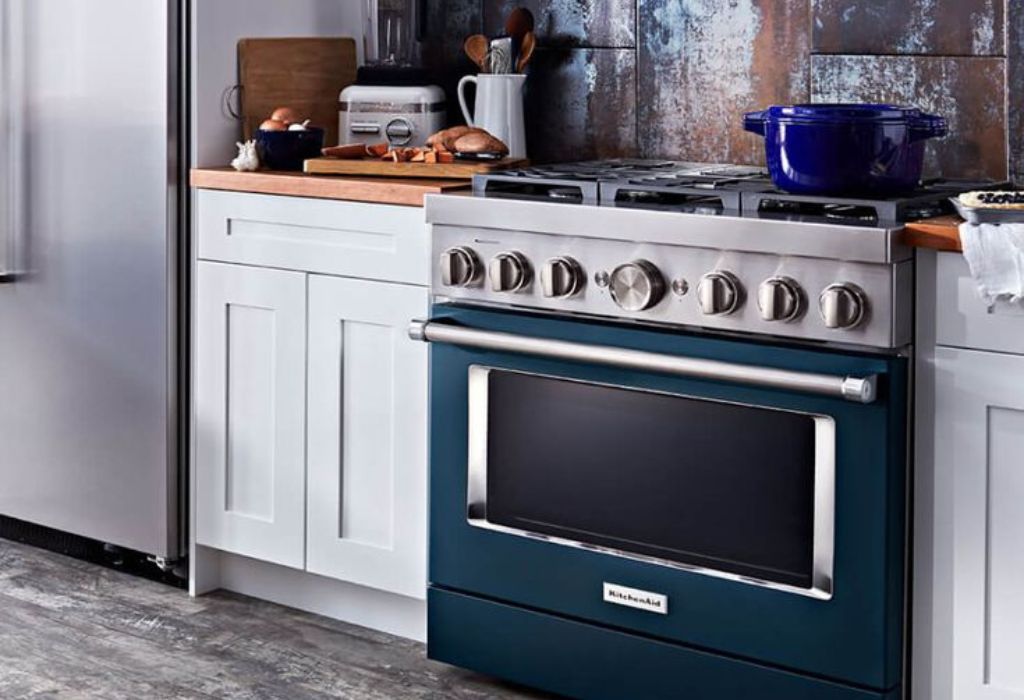
Oven color directly influences how the kitchen visually flows. It can either blend into the background or become a strong focal point. This choice affects whether the kitchen feels calm or bold.
A dark oven color can ground a kitchen with light cabinets. It adds contrast and depth to the overall visual composition. A light oven color does the opposite by keeping the look airy and open.
Color selection also affects how often dirt and fingerprints are visible. Some colors hide smudges better than others. This impacts daily maintenance and cleaning effort.
The oven often sits at eye level or below countertop height. Its position makes its color immediately noticeable when entering the kitchen. A mismatched color can disrupt design symmetry instantly.
Color also influences perceived kitchen size. Dark appliances can shrink the visual space. Lighter shades reflect light and make small kitchens feel larger.
A consistent appliance color scheme improves resale appeal. Buyers usually prefer well-matched kitchens over mixed appliance colors. This makes oven color a long-term investment decision.
Understanding Your Kitchen Color Scheme First
Before selecting an oven color, the overall kitchen color palette must be evaluated. Cabinets, countertops, backsplash, walls, and flooring all play significant roles. The oven should support this color network rather than fight against it.
If the kitchen uses warm tones like beige, cream, or wood brown, warm oven colors usually blend better. Cool-toned kitchens with grey, white, or blue work best with cool finishes. Mixing warm and cool tones without balance creates visual tension.
Natural lighting affects how colors appear throughout the day. A kitchen with strong sunlight can handle darker appliances without feeling heavy. Poorly lit kitchens benefit from lighter oven colors.
Artificial lighting also changes color perception. Warm yellow lighting softens stainless steel and black finishes. White lighting makes colors appear sharper and more modern.
Open-concept kitchens require extra attention to color harmony. The oven color should also match living or dining area tones. This ensures a cohesive look across connected spaces.
Understanding these foundational color relationships prevents impulsive decisions. The oven color should complement the kitchen environment rather than stand out awkwardly.
Choosing Oven Color Based on Kitchen Size
Small kitchens benefit most from light-colored ovens. White, silver, and light stainless finishes reflect light and expand the visual depth. This prevents the space from feeling crowded.
Dark-colored ovens in small kitchens can feel overly dominant. Black or deep grey absorbs visual space and may make the kitchen feel tighter. This effect becomes stronger under low lighting.
Large kitchens offer more flexibility with darker oven colors. Black, graphite, or deep bronze can add luxury and visual weight. These shades help anchor the appliance in wide layouts.
In medium-sized kitchens, balance becomes the key factor. Light cabinets paired with a darker oven create contrast without overpowering the space. Dark cabinets often pair better with lighter oven finishes for visual balance.
Island kitchens require special attention to oven visibility. If the oven is placed in an island, its color becomes a central feature. Neutral tones usually perform best in this role.
Wall-mounted ovens influence vertical visual balance. Light colors reduce visual heaviness at eye level. Dark colors add drama but require good lighting to avoid overpowering the space.
Popular Oven Colors and Their Visual Impact
White oven finishes create a clean and timeless appearance. They work well in traditional, farmhouse, and minimalist kitchens. White also reflects light effectively, improving brightness.
Black ovens deliver strong contrast and a bold visual statement. They suit modern, industrial, and luxury kitchen designs. However, fingerprints and dust show more easily on black surfaces.
Stainless steel remains one of the most versatile oven finishes. It blends with nearly any color scheme and offers a professional look. Stainless also resists visual aging better than trend-based colors.
Grey and graphite ovens provide a modern neutral option. These shades balance between light and dark and hide smudges better than pure black. They work well in contemporary kitchens.
Matte finishes have gained popularity in recent years. Matte black, matte grey, and matte white produce softer reflections. These finishes reduce glare and hide minor surface marks.
Custom-colored ovens are available in premium ranges. Colors like blue, red, or cream offer strong personality. These should only be selected when the whole kitchen design supports bold statements.
Which oven color looks best in a bright kitchen?
Light colors like white and stainless steel look best in bright kitchens.
Does black oven make a kitchen look smaller?
Yes, black ovens can visually shrink small kitchens if lighting is weak.
Is stainless steel still a trendy oven color?
Yes, it remains one of the most timeless and popular choices.
Do colored ovens fade over time?
Some bright custom colors may fade faster than neutral finishes.
Which oven color hides dust the best?
Grey and matte finishes hide dust better than glossy black.
Matching Oven Color with Cabinet Colors
White cabinets offer maximum flexibility for oven color selection. Black, stainless, grey, and even custom colors work well against white backgrounds. The contrast remains visually balanced.
Dark cabinets like espresso or charcoal work best with lighter oven finishes. Stainless steel and silver shades prevent the kitchen from becoming too heavy. Light ovens also improve visual separation between cabinet surfaces.
Wood cabinets require special attention to undertones. Warm wood pairs better with bronze, black, or warm stainless finishes. Cool-toned wood works better with neutral grey or silver ovens.
Two-tone cabinet kitchens require careful oven integration. The oven color should align with either the upper or lower cabinet shade for consistency. Random selection can break visual harmony.
Glossy cabinets reflect appliance colors strongly. A poor oven color choice becomes more noticeable with reflective cabinetry. Matte cabinets soften contrasts and provide more flexibility.
Cabinet handle and hardware finishes also matter. Chrome handles pair well with stainless ovens. Brass hardware often looks best with black or dark-colored ovens.
Modern vs Traditional Kitchen Oven Color Choices
Modern kitchens usually favor neutral and minimalist oven colors. Stainless steel, black, and graphite grey dominate most contemporary designs. These colors support clean lines and uncluttered visual flow.
White ovens are also used in modern kitchens when paired with handle-less cabinets. This creates a seamless built-in appearance. The oven visually blends into the cabinetry.
Traditional kitchens lean toward warmer oven tones. Cream, ivory, and bronze finishes match classic wood cabinets and detailed trims. These shades support timeless design appeal.
Black ovens in traditional kitchens work best when balanced with brass hardware. The combination adds richness without looking too modern. Proper lighting is essential to avoid heaviness.
Farmhouse kitchens often feature white or soft pastel ovens. These colors emphasize warmth and comfort. Matte finishes suit this style better than glossy ones.
Choosing between modern and traditional styles is the first major filter. Once the kitchen theme is fixed, oven color selection becomes much easier.
Matching Oven Color with Countertops and Backsplashes
Countertops play a strong role in how oven colors appear. Light countertops reflect appliance colors clearly and increase contrast. Dark countertops reduce contrast and create a more blended look.
Granite countertops with heavy patterns require neutral oven finishes. Busy surfaces clash with bold oven colors. Stainless steel and soft grey perform best in these situations.
Quartz countertops allow more freedom in oven color selection. Their uniform surface supports both bold and neutral appliance colors. This makes design coordination easier.
Backsplashes directly frame the oven and influence color harmony. White tile backsplashes support almost every oven color. Dark or colorful backsplashes require careful pairing.
Glass and glossy tile backsplashes reflect oven surfaces strongly. Any mismatch becomes more visible. Matte oven finishes reduce reflection and soften contrast.
When countertops and backsplashes already dominate the kitchen visually, the oven should stay neutral. This prevents visual overload and design imbalance.
Glossy vs Matte Oven Finish Selection
Glossy oven finishes reflect light strongly. They appear brighter and more polished under direct lighting. This makes the kitchen feel more energetic and bold.
Matte finishes absorb light instead of reflecting it. This creates a softer and calmer visual effect. Matte surfaces work well in minimalist and rustic kitchens.
Glossy black ovens show fingerprints, dust, and streaks easily. They require frequent cleaning to maintain appearance. Matte black hides smudges much better.
Glossy stainless steel provides a professional and modern shine. However, it also shows water spots and grease marks clearly. Regular wiping becomes necessary.
Matte stainless steel offers similar durability with reduced glare. It looks cleaner for longer periods. This is becoming a popular choice in high-use kitchens.
Finish selection should be based on lifestyle as much as design. Homes with children often benefit from matte finishes due to easier upkeep.
Which finish shows fewer fingerprints?
Matte finishes show fewer fingerprints.
Is glossy finish harder to maintain?
Yes, it requires more frequent cleaning.
Do matte ovens scratch more easily?
No, scratches appear less visible than on glossy finishes.
Which finish looks more modern?
Both can look modern depending on kitchen design.
Is matte finish good for small kitchens?
Yes, it reduces glare and visual clutter.
Fingerprint Visibility and Daily Cleaning Factors
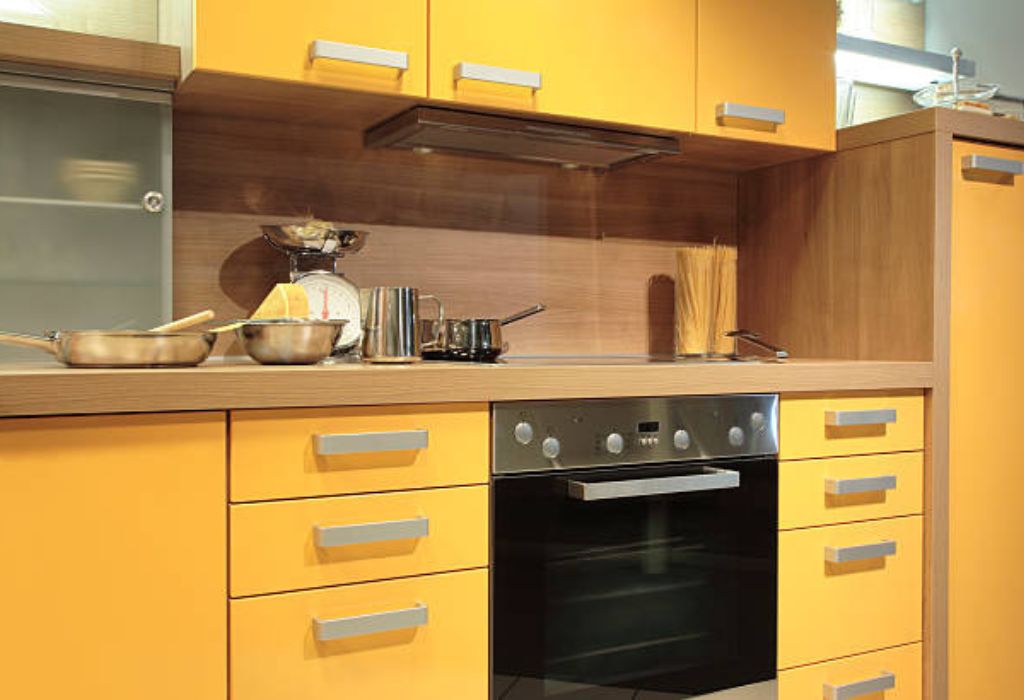
Black glossy ovens show fingerprints more than almost any other color. Skin oils become immediately visible under kitchen lighting. This requires frequent surface wiping.
Stainless steel also shows fingerprints, especially around handles. Smudge-resistant coatings reduce this problem but do not eliminate it fully. Regular cleaning is still needed.
White and cream ovens hide fingerprints far better. Light colors mask smudges and dust naturally. This makes them ideal for low-maintenance kitchens.
Matte finishes reduce fingerprint contrast on all color types. The lack of reflection softens the appearance of marks. This lowers daily cleaning effort.
Households with heavy cooking activity should prioritize easy-clean surfaces. Grease splatter shows faster on dark glossy surfaces. Light matte finishes remain cleaner-looking for longer.
Cleaning habits should influence oven color choice strongly. A beautiful color loses appeal quickly if it always looks dirty.
Oven Color and Its Effect on Kitchen Resale Value
Neutral oven colors provide the best resale flexibility. Stainless steel remains the top choice among most buyers. It fits both modern and traditional tastes.
Black ovens also attract buyers when paired correctly with cabinetry. They add a premium look in modern kitchens. However, they limit flexibility in traditional spaces.
White ovens suit farmhouse and classic kitchens well. They appeal to buyers seeking warm and bright kitchen environments. Trend-based bright colors reduce buyer pool.
Custom-colored ovens strongly reflect personal taste. While visually striking, they may scare away future buyers. Neutral resale value should always be considered.
Matching all major appliances improves resale perception. Mixed appliance colors reduce visual cohesion. Buyers often view mismatched colors as outdated.
If resale is a future concern, neutral oven color is always the safest option. Trend colors should only be used in permanent personal homes.
Which oven color gives best resale value?
Stainless steel usually gives the best resale value.
Do buyers prefer matching appliance colors?
Yes, matching appliances improve buyer appeal.
Is a black oven good for resale?
Yes, especially in modern kitchens.
Do colorful ovens reduce resale value?
Yes, bold colors may limit buyer interest.
Should I change oven color before selling a house?
Only if your current oven color is highly uncommon.
Final Checklist for Choosing the Right Oven Color
Start by identifying your kitchen design style. Modern, traditional, and farmhouse styles favor different color families. This sets the foundation for all other choices.
Next, evaluate cabinet, countertop, and backsplash colors. The oven must complement these dominant surfaces. Avoid choosing the oven color in isolation.
Consider kitchen size and natural lighting. Small or poorly lit kitchens benefit from lighter oven tones. Large bright kitchens can handle darker finishes.
Think about daily cleaning and fingerprint visibility. Glossy dark surfaces require more maintenance. Matte and light finishes need less frequent cleaning.
Finally, consider long-term resale plans. Neutral tones protect future value better than bold colors. Trend-based colors should be chosen carefully.
Using this checklist prevents impulsive selection. A methodical approach always leads to better long-term satisfaction.
Conclusion
Choosing the right oven color for your kitchen is a design decision that affects visual balance, maintenance effort, and long-term satisfaction. The oven interacts with cabinet colors, countertops, backsplashes, lighting, and overall kitchen size.
A well-selected color enhances harmony, while a poor choice can disrupt the entire kitchen aesthetic.
Modern kitchens favor stainless steel, black, and grey because of their clean and versatile appearance. Traditional and farmhouse kitchens benefit from white, cream, and warm-toned finishes.
Matte surfaces reduce fingerprint visibility and simplify maintenance, while glossy finishes offer higher visual shine with more cleaning effort.
For homeowners concerned about resale value, neutral oven colors remain the safest option. Stainless steel, soft grey, and white appeal to the widest buyer range.
By understanding style, lighting, maintenance, and future plans, anyone can confidently choose an oven color that stays timeless and functional for years.

I’m Emma J. Caldwell, the founder, lead writer, and home-cooking enthusiast behind KitchenGuideCo.com. With a background in culinary arts and over a decade of cooking experience in both professional and personal kitchens, I created this platform to demystify recipes, offer smart kitchen gadget reviews, and guide readers through meal prep with confidence and clarity.