Cooking with a slow cooker is awesome, but burnt food happens! If you’ve ever wondered how to clean burnt slow cooker, you’re definitely not alone. It’s a common cooking mishap, especially when you’re busy or new to using a slow cooker. Don’t worry, though; cleaning a burnt slow cooker doesn’t have to be a huge headache. This guide gives you easy-to-follow steps to get your slow cooker sparkling clean again, so you can get back to making delicious meals quickly.
Understanding Why Slow Cookers Burn Food
Slow cookers are fantastic for cooking, but sometimes things go wrong. Burning happens when food sticks to the bottom and sides and gets too hot. This often happens if there isn’t enough liquid in the cooker, if you cook something for too long, or if the food has a high sugar content. Also, the heating element in a slow cooker, which is typically located at the base, can cause uneven heating. This can lead to some areas cooking faster and potentially burning the food, especially in older models. When food burns, it can create a stubborn, black residue that’s hard to remove. This residue can also affect the taste of future meals if not cleaned properly.
Common Causes of Burnt Food in Slow Cookers
Several things contribute to burnt food. Recognising these helps prevent the problem in the first place. For instance, too little liquid is a major culprit. Without enough liquid, the food can dry out and burn. Overcooking is another factor; leaving a meal in the slow cooker for longer than necessary is often the cause. The type of food also matters. Foods with high sugar content, like some sauces or desserts, are more prone to burning. Also, the slow cooker model can be a factor. Some models heat more unevenly than others.
-
- Insufficient Liquid: The primary reason for food burning is a lack of moisture. Slow cookers rely on liquid to create steam and cook food evenly. If there’s not enough liquid, the food can dry out and stick to the bottom, leading to burning. Always ensure you add the recommended amount of liquid based on your recipe and the size of your slow cooker.
Think of it like boiling water. If all the water evaporates and the pot is still on the heat, the food will burn. The liquid acts as a buffer between the heat source and the food.
-
- Overcooking: Slow cookers are designed for long, slow cooking, but even they have limits. Overcooking can lead to the food drying out and burning. Always follow the cooking times specified in your recipe, and check the food for doneness, especially during the last hour.
Overcooking essentially removes all the moisture from the food. The longer the food cooks beyond the optimal time, the more likely it is to burn.
-
- High-Sugar Ingredients: Dishes with high sugar content, such as those that involve caramelizing ingredients or certain sauces, are more prone to burning. Sugar caramelizes and can stick to the bottom of the cooker very quickly.
Sugar, when heated, turns to caramel. This process happens very fast and burns easily. If your recipe uses a lot of sugar, you might need to adjust the cooking time or use a lower heat setting.
-
- Uneven Heating: Not all slow cookers heat evenly. Older or cheaper models might have hot spots where food is more likely to burn. Newer models often have better heat distribution.
Uneven heating creates hot spots that can scorch food, while other areas cook more slowly. This is a design factor of the slow cooker itself.
-
- Incorrect Temperature Setting: Using the wrong temperature setting can also lead to burning. If you use too high a temperature, the food might burn before it’s cooked through.
Different slow cookers have different heat settings. High is often too much for many recipes, and low might be too little. Find the sweet spot for your recipes.
Preventive Measures to Avoid Burning
Preventing burning is the best way to handle this. Firstly, always use the right amount of liquid. If a recipe says one cup of liquid, don’t use less, and consider adding more if you’re not sure. Secondly, pay attention to cooking times. Set a timer and check your food periodically. Thirdly, when using sugar-rich ingredients, monitor the cooking process closely. Use the “low” setting, if possible, and stir ingredients if the recipe says so. Finally, think about the cooker you are using. A newer, better model might be the solution.
-
- Follow Recipes Carefully: Adhere to the ingredient amounts and cooking times specified in your recipes. Recipes are designed with specific cooking durations and liquid ratios in mind.
Recipes are based on extensive testing and are made to give the best results. A small adjustment can ruin the dish.
-
- Use Enough Liquid: Always include the right amount of liquid, like water, broth, or sauce, to keep food from drying out.
Liquid creates steam to cook the food evenly. It also helps to prevent food from directly contacting the hot surface.
-
- Stir Regularly: Stirring food, especially during the initial stages of cooking, can help distribute heat evenly and prevent sticking.
Regular stirring ensures that no food is sticking to the bottom or sides of the slow cooker.
-
- Consider Using a Liner: Slow cooker liners, typically made of heat-resistant plastic, can create a barrier between the food and the cooker’s surface, preventing food from sticking.
Liners are a helpful way to avoid a mess in your slow cooker. Just make sure they are safe for your model.
-
- Choose the Right Cut of Meat: Select cuts of meat that are suitable for slow cooking. Tougher cuts with more fat and connective tissue often benefit from long, slow cooking, while leaner cuts may dry out and burn.
Fat and collagen break down over long cooking times, giving a tender result. Lean meat gets dry.
Effective Ways to Clean a Burnt Slow Cooker
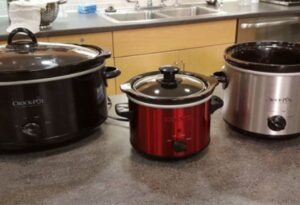
Now, let’s explore the best methods for how to clean burnt slow cooker. These techniques range from simple to slightly more involved, depending on how bad the burn is. Each method uses common household ingredients, so you can start right away. You might be surprised at how easy it is to get your slow cooker back to its original state. Remember to always unplug the slow cooker and let it cool before starting any cleaning process. Safety first!
Using Baking Soda and Water
Baking soda is a gentle, yet effective, abrasive cleaner that’s perfect for removing burnt food residue. This method works well for light to moderate burns. It’s safe for most slow cooker materials and won’t damage the non-stick surface if handled with care. The cleaning action comes from the slightly abrasive nature of baking soda combined with the power of hot water.
-
- Make a Baking Soda Paste: Mix baking soda with a little water to form a thick paste. The ratio should be about three parts baking soda to one part water, but you can adjust this to get the right consistency.
The paste consistency is ideal for sticking to the burnt areas and providing the abrasive action needed to lift the burnt food.
-
- Apply the Paste: Spread the paste generously over the burnt areas inside the slow cooker. Be sure to cover all the burnt spots and any stubborn residue.
Ensure all burnt areas are covered. This will maximize the effectiveness of the baking soda.
-
- Let It Sit: Allow the baking soda paste to sit for several hours, or even overnight, depending on how burnt the food is. This gives the baking soda time to soften the burnt residue.
The longer the paste sits, the more time it has to work. Overnight is the best, but a few hours can often do the trick.
-
- Scrub Gently: After letting it sit, use a non-abrasive sponge or cloth to gently scrub the surface. Avoid using steel wool or harsh scrubbers, as these can scratch the surface of your slow cooker.
A gentle scrubbing motion prevents damage while removing the softened burnt residue.
-
- Rinse and Dry: Rinse the slow cooker thoroughly with warm water to remove all traces of baking soda. Then, dry it completely.
Make sure you rinse until no more baking soda remains. This ensures the slow cooker is ready for use.
Using Vinegar and Water
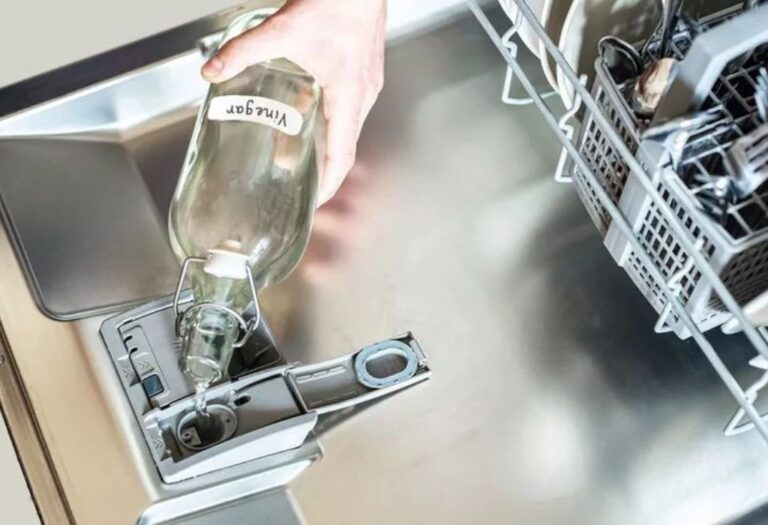
Vinegar is another excellent natural cleaner that is effective against burnt food. It is especially useful for removing stubborn stains and odors. The acidic nature of vinegar helps to break down burnt food, making it easier to remove. This method is safe for most slow cooker materials and is easy to do, often needing ingredients you already have at home. This method combines the acidic power of vinegar with the dissolving abilities of heat.
-
- Fill with Vinegar and Water: Fill the slow cooker with equal parts white vinegar and water. The amount will depend on the size of your slow cooker; you need enough to cover the burnt area.
Ensure the liquid level is sufficient to submerge the burnt residue to maximize the cleaning effect.
-
- Heat the Mixture: Turn on the slow cooker to the low setting and let the vinegar and water mixture simmer for 30–60 minutes. The heat helps to loosen the burnt food.
Heat helps to soften and dissolve the burnt food, making the removal process easier.
-
- Let It Cool: After simmering, turn off the slow cooker and let the mixture cool completely. It’s very important to let it cool before handling.
Cooling is essential for safety and prevents burns. It also gives the mixture more time to work.
-
- Scrub and Rinse: Once cool, drain the vinegar mixture. Use a non-abrasive sponge or cloth to scrub the burnt areas, which should now come off more easily. Rinse the slow cooker with warm water.
The scrubbing action helps to remove any remaining residue after the vinegar has done its work.
-
- Dry Thoroughly: Ensure your slow cooker is completely dry before storing it or using it again.
This will prevent mildew or mold growth, which can happen if moisture is trapped inside.
Using Dish Soap and Water
Dish soap is a gentle cleaning option, suitable for lighter burns. This method leverages the degreasing properties of dish soap to help remove the burnt food. It’s a simple, everyday solution that can be effective for routine cleaning or minor burns. The key is to create a soapy solution that can lift away the burnt residue. This method uses heat and soap to break down food.
-
- Fill with Water and Soap: Fill your slow cooker with warm water and add a few squirts of dish soap. The soap helps to cut through the grease and grime.
Warm water and soap together create a cleansing solution.
-
- Heat the Solution: Turn on the slow cooker to a low setting and let the soapy water heat up for 30–60 minutes. The heat helps the soap work more effectively.
Heat helps in the process of cutting through the grime, just like it does in a dishwasher.
-
- Cool and Scrub: Turn off the slow cooker and let the water cool down. Then, use a non-abrasive sponge or cloth to scrub the inside of the slow cooker.
Avoid using abrasive scrubbers, which can scratch the surface.
-
- Rinse and Dry: Rinse the slow cooker thoroughly to remove all traces of soap. Make sure to dry it completely.
Soap residue can leave a taste.
Using a Combination of Methods
Sometimes, a single method isn’t enough, especially with severe burns. Combining methods can yield better results. For instance, start with dish soap and water to loosen the surface grime. Then, move to baking soda or vinegar to tackle the tougher burnt areas. This layered approach allows you to address different types of residue. Using multiple cleaning agents boosts the effectiveness of each one. In this scenario, you’re not just cleaning; you’re using several solutions to remove the food.
-
- Start with Soapy Water: Begin by filling the slow cooker with warm, soapy water. Heat on low for 30 minutes, then let it cool.
This loosens the initial grime.
-
- Baking Soda Paste for Stubborn Areas: Make a baking soda paste and apply it to the most burnt parts. Let it sit for a few hours.
Baking soda provides abrasive power.
-
- Scrub and Rinse: Gently scrub the inside, then rinse with warm water.
Make sure the cooker is clear of residue.
-
- Vinegar Rinse for Odors: If odors persist, add equal parts of vinegar and water to the cooker. Heat on low for 30 minutes, then rinse again.
Vinegar removes any lingering smells.
-
- Final Dry: Ensure the slow cooker is completely dry.
This avoids mildew and mold.
Alternative Solutions and Considerations
Sometimes, the standard methods aren’t enough. Consider these strategies for especially tough situations. Also, it’s always important to know when to seek assistance or consider replacing the slow cooker. Knowing these additional methods can save time and frustration. While cleaning the slow cooker, it’s also important to think about safety and the life of your appliance.
Using Commercial Cleaners
Commercial cleaners, available at most stores, can be effective but require care. Always read the label and follow the instructions. Some cleaners might be too harsh for the materials in your slow cooker. Testing in a small, hidden area first can help. Proper ventilation is vital when using these products. Make sure to rinse thoroughly to avoid leaving any chemical residue. Remember, the cleaner’s strength should align with the severity of the burn.
-
- Read the Label: Before using any commercial cleaner, carefully read the product label. Check for warnings and specific instructions for use on slow cookers.
Follow the instructions because cleaning products are made of different ingredients.
-
- Test in a Hidden Area: Apply a small amount of the cleaner to an inconspicuous part of the slow cooker, such as the bottom exterior, to see if it causes any discoloration or damage.
This is a precaution to ensure the cleaner is safe for your cooker.
-
- Ventilate the Area: Work in a well-ventilated area to avoid inhaling harmful fumes. Open windows and doors, or use a fan.
Proper ventilation is a necessity.
-
- Rinse Thoroughly: Rinse the slow cooker multiple times with warm water to remove all traces of the cleaner. Any residue could affect the taste of your food.
Make sure all traces of the cleaner are gone.
-
- Dry Completely: Allow the slow cooker to air dry completely before using it again. Moisture can lead to mold or mildew growth.
Moisture could ruin your next meal.
When to Replace Your Slow Cooker
Sometimes, no amount of cleaning can fix a slow cooker. If the burning is consistently happening, or if the cooker is visibly damaged, it might be time to replace it. Also, if there are electrical issues, such as frayed cords or unusual odors, discontinue use. Safety is more important than salvaging a cooker. The cost of a new slow cooker often outweighs the potential risks. Recognizing these signs helps make the right choice.
-
- Persistent Burning: If your slow cooker frequently burns food, even after adjusting cooking times and liquid levels, there may be a problem with the heating element.
Consistent burning could signal a major defect.
-
- Visible Damage: Check for cracks in the ceramic insert, damage to the exterior, or any signs of wear and tear that could compromise its function.
Cracks can allow liquids to seep into the heating element.
-
- Electrical Issues: If you notice frayed cords, sparks, or unusual odors (like burning plastic), immediately unplug the slow cooker and consider replacing it.
Electrical issues can be very dangerous.
-
- Inefficient Heating: If the slow cooker isn’t heating properly, or if it takes longer than usual to cook food, it may be time for a replacement.
Efficiency loss usually means the appliance is past its prime.
-
- Consider the Cost: Weigh the cost of replacement against the cost of constant cleaning and potential repairs. In many cases, replacing the slow cooker is the more cost-effective choice.
A new cooker could be more energy efficient.
Safety Precautions
Cleaning a slow cooker safely involves simple, common-sense measures. Always unplug the appliance before cleaning, and allow it to cool completely. Never immerse the base unit in water, as it contains electrical components. Avoid using harsh chemicals or abrasive materials that could damage the cooker’s surface. These measures ensure your safety and protect your equipment. Always make sure safety is at the forefront.
-
- Unplug Before Cleaning: Always unplug the slow cooker from the power outlet before beginning any cleaning procedure. This prevents electrical shock.
The first step in safety is always to remove the power source.
-
- Let It Cool: Allow the slow cooker to cool completely before cleaning. This prevents burns.
Handling a hot cooker is a burn hazard.
-
- Avoid Immersion: Never immerse the base unit (the part with the heating element) in water. This can damage the electrical components.
The heating base can be damaged by water.
-
- Use Non-Abrasive Cleaners: Avoid harsh chemicals and abrasive materials, such as steel wool, which can scratch the surface of your slow cooker.
Abrasive materials can ruin the surface.
-
- Ensure Thorough Drying: After cleaning, make sure the slow cooker is completely dry before using or storing it. This prevents the growth of mold or mildew.
Dryness guarantees a clean, usable slow cooker.
Frequently Asked Questions
Question: Can I put the slow cooker insert in the dishwasher?
Answer: Yes, most slow cooker inserts are dishwasher-safe, but always check your manufacturer’s instructions to be certain. The base unit, which contains the electrical components, should never be put in the dishwasher.
Question: Can I use steel wool to clean a burnt slow cooker?
Answer: It’s generally not recommended to use steel wool, as it can scratch and damage the surface of your slow cooker. This can make it more difficult to clean in the future.
Question: How do I remove stubborn burnt food from the bottom of my slow cooker?
Answer: For stubborn burns, try a combination of methods. Start with a baking soda paste and let it sit for several hours. Then, use vinegar and water to simmer in the slow cooker before scrubbing again. Repeat if needed.
Question: Can I use bleach to clean a burnt slow cooker?
Answer: It’s not advisable to use bleach in your slow cooker. Bleach can leave behind harmful residue and affect the taste of your food. Always stick to food-safe cleaning methods.
Question: How often should I clean my slow cooker?
Answer: Clean your slow cooker after each use to prevent residue buildup and odors. Regular cleaning keeps your slow cooker working well and ensures your food tastes great.
Final Thoughts
Dealing with a burnt slow cooker can be frustrating, but now you have several effective ways to fix it. We’ve explored various techniques, from simple baking soda solutions to vinegar and dish soap methods, empowering you to address different levels of burns. Armed with this knowledge, you can confidently tackle burnt residue and keep your slow cooker in top shape. Remember that preventing burns in the first place, by using the right amounts of liquid and following recipe times, is equally as important. Armed with these techniques, you’re ready to explore many culinary adventures.

I’m Emma J. Caldwell, the founder, lead writer, and home-cooking enthusiast behind KitchenGuideCo.com. With a background in culinary arts and over a decade of cooking experience in both professional and personal kitchens, I created this platform to demystify recipes, offer smart kitchen gadget reviews, and guide readers through meal prep with confidence and clarity.