Many people wonder how to clean convection microwave because it’s a kitchen appliance that gets a lot of use! Food splatters, grease, and smells can build up over time, making it seem like a tough chore. Don’t worry, it doesn’t have to be hard. We’ll explore simple methods to get your microwave sparkling clean, and it’s easier than you might think. This guide will walk you through a straightforward, step-by-step approach to make your microwave shine. Let’s get started!
Key Takeaways
- You will learn effective and safe methods for cleaning your convection microwave.
- Discover the best cleaning supplies to use, avoiding harsh chemicals.
- Find out how to tackle stubborn food stains and burnt-on messes.
- Get tips on keeping your microwave clean and fresh after each use.
- Understand the importance of regular cleaning for appliance longevity.
- Learn troubleshooting solutions for common cleaning problems.
Why It’s Important to Clean Your Convection Microwave
Cleaning your convection microwave isn’t just about looks; it’s also about keeping it working well and making your food taste better. A clean microwave cooks food evenly and efficiently. Food particles and grease can cause uneven heating and might even lead to burning smells or potential fire hazards. Regular cleaning also helps extend the life of your appliance, saving you money in the long run. By keeping your microwave clean, you ensure your food is safe and you keep your kitchen fresh.
The Risks of a Dirty Microwave
A dirty microwave can harbor bacteria and lead to unpleasant odors. Built-up food debris creates an ideal environment for bacteria to multiply. This can contaminate food and make it unsafe to eat. Furthermore, a dirty microwave isn’t cooking your food properly. Food might heat unevenly, meaning some parts are overcooked while others are still cold. In severe cases, grease and food particles can ignite, becoming a fire hazard. Therefore, regular cleaning is vital for both hygiene and safety. A clean microwave contributes to a healthier cooking environment and prevents potential problems.
- Bacterial Growth: A warm, damp environment like a dirty microwave is perfect for bacteria, leading to potential health risks.
- Uneven Cooking: Food particles disrupt heat distribution, resulting in unevenly cooked food.
- Fire Hazard: Accumulated grease and food can ignite, posing a serious safety risk.
- Unpleasant Odors: Leftover food and spills emit foul odors, affecting the taste of your food.
The Science Behind Microwave Cleaning
Understanding the science helps us clean more effectively. Microwaves work by emitting electromagnetic waves that cause water molecules in food to vibrate, producing heat. Cleaning your microwave involves removing the residue that interferes with this process. Heat and steam are common cleaning methods. Heat can soften dried-on food, making it easier to wipe away, and steam loosens grime. Using safe cleaning solutions helps prevent damage to the appliance. Learning about the science of microwaves makes the cleaning process more effective and allows you to make informed decisions about your cleaning routine.
- Steam Cleaning: Steam loosens dried food particles by softening them with moisture.
- Heat Softening: Heat, applied without moisture, can soften hardened spills.
- Chemical Reactions: Cleaning agents use chemical reactions to break down grease and food residue.
- Preventing Damage: Using non-abrasive cleaners helps protect the microwave’s interior.
Basic Supplies Needed to Clean Your Convection Microwave
Gathering the right supplies makes cleaning easier. You don’t need expensive or special products. Most of the items are already in your kitchen. Things like baking soda, vinegar, and dish soap are all you’ll need. This approach is not only cost-effective but also safer than using harsh chemicals. Preparing your cleaning kit will help you get started with the cleaning process without any delays. Remember to keep these supplies in a place that’s easy to reach to make your cleaning routine easier.
Essential Cleaning Items
Here’s a basic list of items to prepare before you begin. You likely have most of these readily available. These are safe, effective, and environmentally friendly alternatives to harsh chemical cleaners. Using these items ensures your microwave is clean and safe to use with your food. Keep these things in a convenient location.
- Dish Soap: A mild dish soap to wash down the surfaces of your microwave.
- Vinegar: White vinegar works for cleaning and odor elimination.
- Water: Use tap water.
- Baking Soda: A mild abrasive that helps scrub away stubborn stains.
- Microfiber Cloths/Sponge: A soft cloth or sponge to wipe down the inside of the microwave.
Optional Cleaning Items
These optional items can make the process easier. They can help remove particularly tough stains or make the cleaning process a bit more pleasant. Not required, but they can be helpful if you have them. Having these extra items can turn a tough cleaning job into an easier one.
- Lemon Juice: Add lemon juice to the water to remove odors and leave a fresh scent.
- Spray Bottle: Handy for applying cleaning solutions evenly.
- Rubber Gloves: Protect your hands from cleaning solutions.
Step-by-Step Guide: How to Clean Convection Microwave
Cleaning your convection microwave can be a simple process when you break it down into easy steps. Following these instructions will help you clean your appliance quickly. No matter how much mess has built up, you’ll see that it’s easy to achieve a sparkling, clean microwave. This method is effective and safe. Get ready to enjoy a cleaner, fresher kitchen appliance.
Prepping Your Microwave
Before you begin the cleaning, prepare the microwave. This involves ensuring the microwave is safe to handle and making it ready for cleaning. These simple steps create a safer environment and makes it simpler to work. Taking these steps is essential for a good cleaning experience. Get ready to clean your convection microwave!
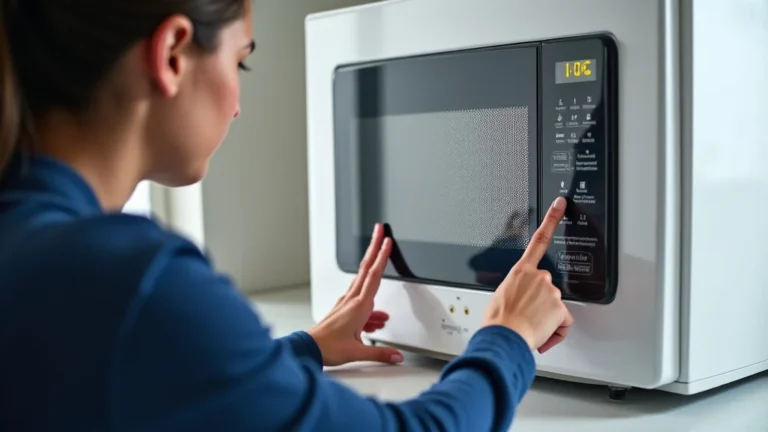
- Unplug the Microwave: Safety first. Unplug the appliance to avoid any electrical hazards. This is an important step to prevent any incidents.
- Remove the Turntable: Take out the glass turntable and the rotating ring. These parts can be cleaned separately.
- Wipe Down the Exterior: Use a damp cloth to wipe down the outside of the microwave, removing any dust or spills.
Cleaning the Interior with Vinegar and Water
This is a natural and effective way to clean the inside of your microwave. Vinegar is a great cleaning agent that cuts through grease. It also gets rid of odors. Steam from the hot solution helps loosen grime for easier removal. This method is safe, gentle, and leaves your microwave smelling clean. Your microwave will thank you for it!
- Mix the Solution: In a microwave-safe bowl, combine equal parts water and white vinegar.
- Microwave the Mixture: Place the bowl in the microwave and run it for 5-7 minutes, or until the solution boils and steams up the interior.
- Let It Sit: Let the microwave sit for a few minutes with the door closed to allow the steam to further loosen any dirt.
- Wipe Down the Interior: Open the door and carefully remove the hot bowl. Use a damp cloth or sponge to wipe down the inside of the microwave.
Cleaning Stubborn Stains and Baked-On Food
When you have tough stains, a little extra effort is necessary. Baked-on food can be tricky to remove, but with the right methods, you can get rid of it. This method provides extra scrubbing power to tackle stubborn spots. With these helpful tips, you can restore your microwave’s interior to its original condition. Get ready to say goodbye to tough messes!
- Baking Soda Paste: Make a paste of baking soda and water. Apply it to the tough stains.
- Let It Sit: Leave the paste on the stains for several minutes.
- Scrub Gently: Use a non-abrasive sponge or cloth to scrub the areas.
- Rinse and Wipe: Wipe down the interior again with a damp cloth to remove the paste and loosened debris.
Cleaning the Turntable and Rotating Ring
Cleaning the turntable and rotating ring is as important as cleaning the inside of the microwave. These parts often collect food spills and crumbs. Regular cleaning prevents odors and ensures the microwave functions correctly. Clean these components regularly to make sure you keep your microwave fresh. Let’s make sure these parts are clean!
- Wash with Soap and Water: Wash the turntable and the rotating ring with warm, soapy water.
- Scrub Away Debris: Use a sponge or soft brush to remove any stuck-on food particles.
- Rinse Thoroughly: Make sure to rinse off all the soap.
- Dry Completely: Dry the turntable and ring with a clean cloth before putting them back in the microwave.
Advanced Cleaning Techniques and Tips
These techniques help you get the best clean possible. They will address difficult messes and maintain your microwave. These advanced methods can help your microwave remain clean and functional. These tips will give you a well-maintained kitchen appliance!
Using Lemon or Citrus for Deodorizing and Cleaning
Lemon or citrus can be a fantastic way to both clean and freshen your microwave. The natural acidity helps cut through grease and removes odors. The fresh scent of citrus also leaves your microwave smelling great. This is a simple, pleasant, and effective approach. Your microwave will thank you.
- Lemon Solution: Squeeze lemon juice into a bowl of water.
- Microwave: Run the microwave with the solution for a few minutes.
- Wipe and Dry: Wipe down the interior with a clean cloth and dry thoroughly.
- Odor Elimination: Use lemon peels in the microwave for a day to absorb lingering odors.
Dealing with Burnt Food and Strong Odors
Dealing with burnt food and strong odors can be challenging. These methods help to eliminate lingering smells. These tips will help you eliminate stubborn odors. With a fresh-smelling microwave, you will enjoy using it for cooking!
- Baking Soda for Odor: Place a box of baking soda in the microwave to absorb odors.
- Activated Charcoal: Place a small bowl of activated charcoal.
- Vinegar for Tough Odors: Microwave a bowl of vinegar and water.
- Air Out: Leave the door open to air out the microwave.
Preventive Maintenance and Regular Cleaning Schedule
Regular maintenance is key to keeping your microwave clean. Establish a simple cleaning schedule. This will prevent messes from building up. Small actions create big benefits. Your microwave will always be ready for use, and you’ll save time and effort in the long run. Let’s make cleaning a regular part of your routine!
- Daily Wiping: After each use, wipe up spills to prevent them from drying.
- Weekly Deep Clean: Clean the inside thoroughly with vinegar or a commercial cleaner weekly.
- Turntable Maintenance: Wash the turntable and ring at least once a week.
- Ventilation: Ensure the microwave has proper ventilation.
Troubleshooting Common Cleaning Issues
Sometimes you might run into issues while cleaning. This section will help you solve those problems. Whether it’s stubborn stains or strong odors, you can find simple solutions. This will save you time and help you maintain your microwave. Get ready to clean those issues and restore your microwave to its former glory!
Stains That Won’t Come Off
Sometimes, stains are stubborn. Knowing how to handle these stains is important. Several approaches can help remove these stains. Here’s what you can do to tackle the issue effectively. Your microwave will be clean once again.
- Use a Paste: Mix baking soda with water to form a paste and apply to the stain.
- Let it Soak: Let the paste sit for a while.
- Gently Scrub: Use a non-abrasive scrub brush or pad.
- Repeat: Repeat if necessary.
Dealing with Lingering Odors
Lingering odors can be difficult to eliminate. These suggestions can help rid your microwave of foul smells. Your microwave will be fresher and ready for use. You will enjoy a clean-smelling appliance.
- Baking Soda: Place an open box of baking soda inside the microwave to absorb odors.
- Vinegar Solution: Heat a solution of water and vinegar to eliminate odors.
- Lemon or Citrus: Use lemon slices or citrus peels.
When to Call for Professional Help
Sometimes you might need professional assistance. A professional can solve issues. Knowing when to reach out saves time and prevents potential damage. With expert help, your microwave will be in good hands. This will help your appliance last!
- Electrical Issues: If you suspect any electrical problems.
- Severe Damage: If the interior is severely damaged.
- Unusual Noises: Strange noises can indicate a problem.
Frequently Asked Questions
Question: How often should I clean my convection microwave?
Answer: It’s best to wipe down your microwave after each use to remove spills. Give it a thorough cleaning with vinegar or a commercial cleaner once a week.
Question: Can I use harsh chemicals to clean my convection microwave?
Answer: It’s better to avoid harsh chemicals. They can damage the interior and might leave a residue. Stick with natural cleaners like vinegar and baking soda instead.
Question: Is it safe to put aluminum foil in a convection microwave?
Answer: You can’t put aluminum foil in a microwave with the microwave function. However, foil can sometimes be used in the convection mode if the manufacturer’s instructions allow it.
Question: How do I remove stubborn food stains from the inside of my microwave?
Answer: Make a paste of baking soda and water, apply it to the stains, let it sit, and then gently scrub it with a non-abrasive pad. Repeat if needed.
Question: What’s the best way to eliminate unpleasant odors from my microwave?
Answer: Try placing a bowl of vinegar and water inside the microwave and running it for a few minutes. Also, you can place an open box of baking soda inside to absorb odors.
Final Thoughts
Cleaning a convection microwave doesn’t have to be a big deal. With the right tools and a bit of effort, your microwave can be fresh and clean. Regular cleaning helps your appliance last longer and makes your food taste better. Keeping your microwave clean is good for your health and a more enjoyable cooking experience. By following the tips in this guide, you can easily maintain a clean and functioning microwave. So, gather your supplies, follow the steps, and give your microwave the care it deserves!

I’m Emma J. Caldwell, the founder, lead writer, and home-cooking enthusiast behind KitchenGuideCo.com. With a background in culinary arts and over a decade of cooking experience in both professional and personal kitchens, I created this platform to demystify recipes, offer smart kitchen gadget reviews, and guide readers through meal prep with confidence and clarity.