Copper cookware is renowned for its exceptional heat conductivity and timeless aesthetic. Its warm, reddish-gold glow makes it a favorite in both professional and home kitchens.
However, tarnish, discoloration, and improper cleaning can quickly diminish both its appearance and performance. Many cooks struggle to restore copper cookware safely without damaging the protective lining.
Improper cleaning methods are a leading cause of damage, with studies showing that over 60% of lined copper cookware develops scratches or worn spots within two years (Good Housekeeping, 2023). These scratches can expose raw copper, posing health risks and reducing the pan’s longevity.
Understanding the correct cleaning techniques is essential for maintaining both the functionality and beauty of copper cookware. Safe cleaning ensures that the cookware remains effective for precise cooking, prevents copper leaching, and preserves its shine over time.
Understanding Copper Cookware and Its Lining
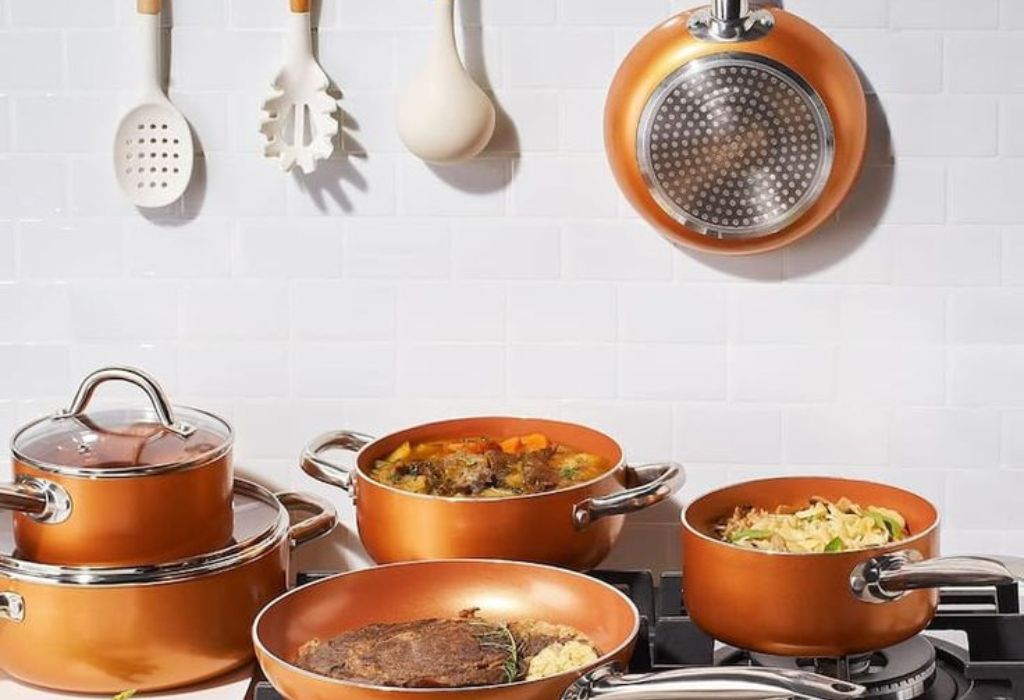
Copper cookware is celebrated for its superior heat conductivity and striking appearance, making it a staple in both professional and home kitchens.
Unlike other metals, copper heats quickly and distributes heat evenly, allowing for precise temperature control during cooking.
This property is particularly valuable for delicate tasks such as preparing sauces, caramel, chocolate, or slow-simmering dishes where even minor temperature fluctuations can affect the final outcome.
There are two primary types of copper cookware: unlined and lined. Unlined copper cookware consists entirely of raw copper, which can react with acidic foods such as tomatoes, citrus, and vinegar.
This reaction can lead to copper leaching into food, potentially impacting taste and posing health risks if used frequently. While unlined copper offers traditional aesthetics and direct contact with food, it requires careful handling and cautious cooking practices to prevent these issues.
Lined copper cookware addresses these concerns by incorporating a protective layer, usually made of tin or stainless steel.
Tin-lined copper is common in classic cookware sets, providing a smooth surface that prevents chemical reactions while maintaining excellent heat conductivity.
Stainless steel linings are more durable, resistant to scratching, and can last longer without requiring maintenance such as re-tinning. Both types of lining preserve the copper’s functional benefits while ensuring safety during cooking.
Proper care and maintenance of copper cookware are essential to maximize its lifespan and performance. Polishing the exterior keeps the copper visually appealing and prevents oxidation, while inspecting and maintaining the lining protects against exposure to raw copper.
Over time, tin linings may need professional re-tinning to restore protective properties, whereas stainless steel linings generally require minimal upkeep.
Additionally, storage in dry environments and careful handling prevent physical damage to both the lining and the exterior surface.
Understanding the material properties, types of lining, and maintenance requirements is critical for anyone using copper cookware.
Choosing the right type of copper cookware based on cooking style, recipe needs, and safety considerations ensures optimal performance.
When cared for properly, copper cookware combines exceptional heat distribution, long-term durability, and visual elegance, making it a highly valued tool in kitchens.
Its unique properties allow cooks to achieve consistent culinary results while preserving both the aesthetics and safety of their cookware.
Common Problems in Cleaning Copper Cookware
Copper cookware offers unmatched heat conductivity and elegance, but maintaining its pristine appearance and functional integrity requires proper care.
One of the most common challenges is tarnish, which naturally forms when copper reacts with air, moisture, and acidic foods. Tarnish can dull the exterior, making cookware look old or neglected, and may cause uneven heating if it builds up excessively.
Regular cleaning is essential to prevent oxidation and maintain both the visual appeal and cooking performance of copper pots and pans.
Another frequent issue is discoloration caused by acidic or high-sulfur foods. Ingredients such as tomatoes, citrus, vinegar, and onions can interact with the copper surface, particularly in unlined cookware, leaving stains or dark spots.
Even lined copper cookware can develop surface discoloration on the exterior if not polished or cleaned appropriately. While discoloration does not always affect safety, it can impact the overall aesthetic of the cookware and reduce its perceived quality.
Scratches and damage to the lining are additional concerns when cleaning copper cookware. Using abrasive materials, harsh detergents, or metal scrubbers can compromise tin or stainless steel linings, exposing raw copper to food.
Exposed copper not only risks altering flavor but can also pose health concerns over time. Ensuring the lining remains intact through careful cleaning and maintenance is crucial for both safety and longevity.
Water spots and residual streaks are common when copper cookware is improperly dried after washing. Leaving cookware to air dry or using hard water can result in mineral deposits that mar the appearance.
These spots do not typically affect performance but can make the cookware more difficult to maintain over time. Proper drying with a soft, clean cloth immediately after washing helps preserve the finish and prevents long-term build-up.
Finally, many home cooks mistakenly believe that all cleaning products are safe for copper. Over-the-counter detergents and harsh chemical cleaners can damage the lining, accelerate tarnishing, or cause uneven discoloration.
Choosing gentle cleaning agents, natural DIY solutions like lemon or vinegar, and specialized copper cleaners ensures that cookware remains both safe and visually striking.
Understanding these common problems allows users to approach copper cookware maintenance strategically.
Awareness of tarnish, discoloration, scratches, and inappropriate cleaning techniques ensures that each piece remains safe, functional, and attractive for decades.
By addressing these issues proactively, cooks can enjoy the superior heat conductivity, aesthetic appeal, and durability that copper cookware provides without compromising safety or performance.
Safe Cleaning Methods for Copper Cookware
Cleaning copper cookware effectively requires techniques that preserve both its appearance and lining. One of the most popular and safe methods involves natural ingredients such as lemon, vinegar, and baking soda.
These substances react gently with tarnish and oxidation, lifting discoloration without harming the lining.
Using soft cloths or non-abrasive sponges ensures that the protective tin or stainless steel layer remains intact while restoring the pan’s original shine.
For light tarnish, a mixture of lemon juice and salt can effectively remove surface oxidation. The mild acidity dissolves tarnish while the salt provides gentle abrasion, making it an ideal at-home solution for routine cleaning.
Baking soda mixed with water or vinegar can be applied to tougher stains, creating a paste that polishes the copper without scratching the surface.
These DIY solutions are not only effective but also environmentally friendly and safe for lined cookware.
Commercial copper cleaners offer another option for maintaining the exterior finish. These products are specifically formulated to remove tarnish and oxidation while preserving the lining.
When using commercial cleaners, it is important to follow the manufacturer’s instructions carefully and ensure that the product is compatible with tin or stainless steel linings.
Overuse or improper application can damage the lining or cause streaking, so moderation and proper technique are essential.
Drying and polishing play a crucial role in the cleaning process. After washing, copper cookware should be dried immediately with a soft cloth to prevent water spots and streaks.
Polishing with a clean, dry microfiber cloth restores brilliance and removes any residual moisture or cleaning solution. Regular polishing not only maintains aesthetics but also reduces the likelihood of tarnish forming quickly in the future.
Preventive care complements safe cleaning methods. Avoiding harsh detergents, abrasive scrubbing pads, or prolonged exposure to acidic cleaners protects the lining and prolongs cookware life.
Additionally, separating copper cookware from other metals during washing prevents scratching or denting. With proper techniques, copper cookware can retain its superior heat conductivity, aesthetic appeal, and safety for decades.
By adopting these safe cleaning practices, home cooks and professional chefs alike can maintain the functionality and visual appeal of copper cookware.
Natural cleaning solutions, proper polishing, and careful handling ensure that lined copper remains safe for cooking while looking elegant.
Consistent maintenance transforms cleaning from a daunting task into a straightforward routine that safeguards both the cookware and the meals prepared in it.
Preventive Measures for Longevity
Maintaining the longevity of copper cookware requires consistent preventive measures that protect both its lining and exterior. One of the most important steps is to always use lined copper cookware for everyday cooking.
Lined copper, typically with tin or stainless steel, prevents food from coming into contact with raw copper, minimizing the risk of leaching and maintaining the flavor integrity of dishes.
Unlined copper should be reserved for specialized cooking tasks with non-acidic foods to reduce potential health risks.
Proper handling and storage also play a significant role in prolonging the life of copper cookware. Avoid stacking heavy pans on top of one another, as this can dent or scratch the lining.
Using pan protectors or storing cookware individually helps preserve the surface and maintain optimal heat conductivity. Additionally, keeping copper cookware in a dry environment prevents moisture-related corrosion or tarnishing.
Routine inspections for scratches, worn spots, or loose handles ensure that minor issues are addressed before they compromise safety or functionality.
Choosing appropriate utensils is another preventive measure. Wooden, silicone, or heat-resistant plastic tools prevent scratches to tin or stainless steel linings, whereas metal utensils can damage the protective layer.
This simple practice significantly extends the lifespan of copper cookware while maintaining safety for cooking.
Furthermore, routine cleaning using gentle, non-abrasive methods prevents tarnish from building up excessively, reducing the need for intensive polishing or chemical cleaners that may harm the lining.
Temperature control during cooking contributes to both performance and durability. Excessive heat can warp or stress the metal over time, so it is recommended to cook on medium or low heat when possible.
Gradually heating the pan rather than exposing it to sudden high temperatures helps maintain the integrity of both the copper exterior and its lining.
Proper temperature management not only preserves cookware longevity but also enhances cooking precision, taking full advantage of copper’s superior thermal conductivity.
Finally, preventive maintenance includes occasional professional care for tin linings or heavily tarnished stainless steel interiors.
Re-tinning or professional polishing restores protective surfaces and aesthetic appeal, ensuring the cookware remains functional and visually striking for decades.
Implementing these preventive measures transforms copper cookware into a long-lasting, reliable tool that combines safety, performance, and elegance in every kitchen.
By consistently following these preventive strategies, cooks can maintain the quality, safety, and visual beauty of their copper cookware.
Proper handling, storage, cleaning, and maintenance practices ensure that each piece delivers decades of precise heat control and aesthetic appeal while safeguarding both the food and the cookware itself.
Advanced Techniques for Deep Cleaning
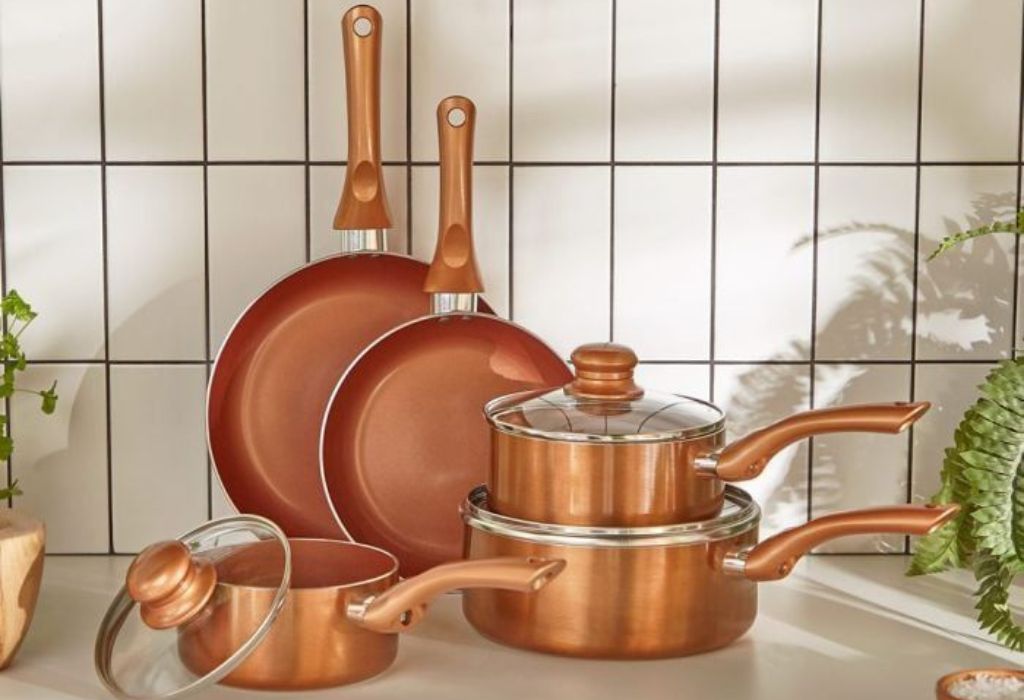
Over time, even well-maintained copper cookware can develop stubborn tarnish, discoloration, or minor surface scratches that require more advanced cleaning techniques.
Deep cleaning goes beyond routine maintenance and involves methods that restore both the visual appeal and functional integrity of the cookware without damaging the lining.
While natural DIY solutions like lemon, vinegar, or baking soda are effective for light tarnish, heavily oxidized surfaces often benefit from specialized cleaning approaches or professional attention.
One advanced technique involves using commercial copper cleaning compounds. These products are specifically formulated to remove heavy oxidation and tarnish while preserving both tin and stainless steel linings.
When applying these cleaners, it is important to follow the manufacturer’s instructions carefully and use soft cloths or sponges to avoid scratching the lining.
Overuse or improper application can damage delicate surfaces, so moderation and technique are crucial to achieving a polished, safe result.
Re-tinning is a professional process used for tin-lined copper cookware that has worn or scratched over time. This method restores the protective lining, ensuring that food does not come into contact with raw copper while preserving heat conductivity.
Similarly, stainless steel linings can benefit from professional polishing if the surface has dulled due to oxidation or repeated use. These processes extend the life of copper cookware and restore its original functionality and appearance.
Buffing and polishing are essential steps in deep cleaning. Using a microfiber cloth or soft pad, the exterior can be polished to remove water spots, surface residues, and minor discoloration.
Polishing enhances copper’s aesthetic appeal and prevents tarnish from forming quickly in the future. Regular buffing, even after advanced cleaning, maintains shine and reduces the frequency of intensive cleaning sessions.
Preventive steps can also complement deep cleaning efforts. Avoiding prolonged exposure to acidic foods, using gentle cleaning agents, and handling the cookware carefully all contribute to maintaining results from advanced cleaning. Additionally, proper drying and storage prevent moisture-related damage that can undermine the effectiveness of deep cleaning.
By incorporating advanced cleaning techniques and professional maintenance, copper cookware can retain its elegance, safety, and superior heat conductivity for decades.
These methods ensure that even the most tarnished or heavily used pieces continue to deliver exceptional performance while remaining visually striking and safe for cooking.
Advanced cleaning transforms worn cookware into near-new condition, preserving both culinary precision and aesthetic value.
What is the safest way to clean copper cookware?
The safest method is to wash copper cookware with mild dish soap, warm water, and a soft sponge. Avoid harsh chemicals or steel wool that can scratch or damage the lining.
Can I use vinegar and salt to clean copper cookware?
Yes, you can mix equal parts vinegar and salt to remove tarnish from the exterior copper surface—but never use this mixture on the interior lining, as it may corrode it.
How do I clean the inside of lined copper cookware?
Clean the lined interior using mild dish soap and warm water. Avoid acidic or abrasive cleaners to prevent wearing down the tin or stainless-steel lining.
What natural ingredients can polish copper safely?
Lemon juice and baking soda or a paste of lemon and salt can safely polish the exterior of copper cookware without harming the lining.
Is it okay to use a copper cleaner or polish?
Yes, but only on the exterior surface. Choose a copper-safe polish and make sure it doesn’t contain harsh abrasives that can strip protective coatings.
How can I remove stubborn stains from copper cookware?
Use a mixture of lemon juice and salt or a paste of baking soda and water. Gently rub the area with a soft cloth until the stain fades.
Should I clean copper cookware immediately after cooking?
Yes, cleaning right after cooking prevents food acids and residues from reacting with the copper surface or damaging the lining over time.
Can I put copper cookware in the dishwasher?
No, copper cookware should always be hand-washed. The dishwasher’s strong detergents and high heat can discolor and damage both copper and lining.
How do I prevent copper cookware from tarnishing?
Regular polishing with a copper-safe cleaner and storing cookware in a dry place can help prevent tarnish and maintain its shine.
What should I avoid when cleaning copper cookware?
Avoid using bleach, ammonia, metal scouring pads, or harsh abrasives, as these can damage both the copper surface and the inner lining.
Can ketchup really clean copper pans?
Yes, ketchup contains mild acids that help dissolve tarnish. Spread a thin layer on the copper surface, let it sit for 10 minutes, then rinse and buff gently.
How can I restore shine to dull copper cookware?
Use a homemade polish made of lemon juice and baking soda, rub it gently, rinse with warm water, and dry completely with a soft towel.
How do I protect the tin or stainless-steel lining?
Always use wooden or silicone utensils, avoid overheating, and clean gently to preserve the lining’s integrity and prevent peeling or scratches.
What’s the best way to dry copper cookware after washing?
Wipe it immediately with a soft, dry cloth to prevent water spots and oxidation, which can dull the copper’s surface.
How often should I polish copper cookware?
Polish every few weeks if you use it regularly, or once a month for display pieces, to maintain the rich copper color and prevent oxidation buildup.
Conclusion
Copper cookware is an exceptional kitchen tool, offering unmatched heat conductivity, durability, and visual appeal. Its iconic reddish-gold exterior adds elegance to any kitchen, while its thermal properties allow for precise temperature control during cooking.
However, the full benefits of copper cookware can only be realized when it is cleaned, maintained, and handled properly. Understanding the material, lining, and safe cleaning methods is essential for preserving both performance and safety.
Routine maintenance is the foundation of long-lasting copper cookware. Regular cleaning using gentle methods like lemon, vinegar, or baking soda prevents tarnish from building up and preserves the aesthetic appearance.
Drying immediately after washing prevents water spots and streaks, while polishing the exterior restores shine and minimizes oxidation.
Lined copper cookware, whether tin or stainless steel, must be inspected periodically to ensure the protective layer remains intact, preventing copper from leaching into food.
Proper care not only maintains appearance but also preserves heat conductivity, ensuring consistent culinary results.
Preventive strategies further enhance cookware longevity and safety. Using appropriate utensils such as silicone, wood, or plastic prevents scratches to the lining, while avoiding acidic or high-sulfur foods in unlined copper reduces the risk of tarnish and discoloration.
Proper storage in a dry environment, avoiding stacking, and using pan protectors help protect the lining and exterior from damage.
Occasional professional care, such as re-tinning or polishing, restores worn linings and maintains optimal performance. These measures ensure that copper cookware remains both safe and functional for decades.
Advanced cleaning techniques complement routine maintenance. Heavily tarnished or dull surfaces can be treated with specialized copper cleaners or professional polishing to restore their original brilliance.
For tin-lined cookware, re-tinning is an effective solution to maintain safety and usability. These deep cleaning and restoration processes extend the life of copper cookware, allowing it to continue delivering precise heat control, aesthetic appeal, and reliable performance.
Ultimately, maintaining shiny, safe copper cookware is a combination of careful cleaning, preventive measures, and occasional professional restoration.
By implementing these practices, cooks can enjoy the full advantages of copper cookware, including its superior thermal properties, long-lasting durability, and striking visual presence.
Properly maintained copper cookware ensures safety, preserves flavor integrity, and continues to be a valued centerpiece in any kitchen for years to come.

I’m Emma J. Caldwell, the founder, lead writer, and home-cooking enthusiast behind KitchenGuideCo.com. With a background in culinary arts and over a decade of cooking experience in both professional and personal kitchens, I created this platform to demystify recipes, offer smart kitchen gadget reviews, and guide readers through meal prep with confidence and clarity.