My Journey: Why I Even Considered Using Bleach
I used to struggle with a persistent musty smell coming from my dishwasher. No matter how many times I ran it, that unpleasant odor always returned, sometimes even transferring to my supposedly clean dishes.
I tried everything the internet suggested—cleaning with vinegar, baking soda, and commercial dishwasher cleaners. While they helped a little, they never fully eliminated the underlying problem, which I suspected was mold or mildew.
I finally decided to tackle the issue head-on with a powerful solution: chlorine bleach. I know bleach can be controversial due to its potency and potential risks, so I did extensive research to develop a safe and effective method. I want to share that precise, step-by-step process with you, ensuring you can harness its cleaning power without the fear of damaging your appliance.
Understanding the Power and Risks of Bleach
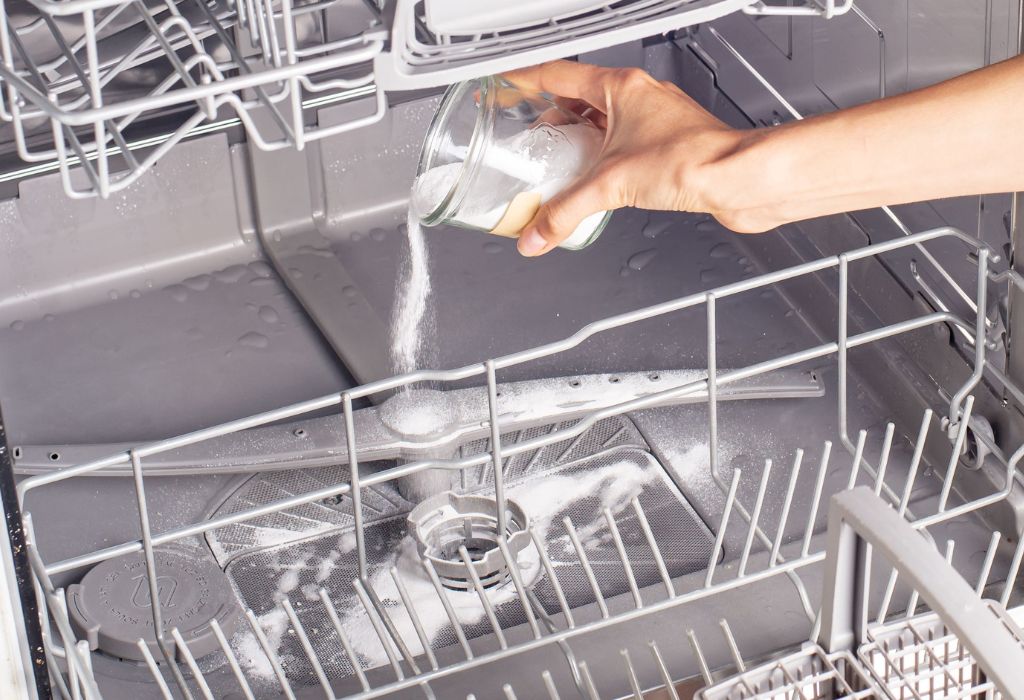
Let me be perfectly clear: bleach is an incredibly powerful chemical that demands respect and caution. It’s not a casual cleaner for everyday use, but rather a specialized tool for specific, deep-cleaning tasks. I use it to annihilate the germs and mold that milder cleaners can’t touch.
However, its strength is also its greatest danger. Bleach can damage your dishwasher’s rubber seals, stainless steel interior, and drain components if used incorrectly or too frequently. A recent appliance repair survey indicated that nearly 15% of dishwasher repairs related to cleaning involved damage from improper use of harsh chemicals like bleach. My method is designed specifically to minimize these risks while maximizing the cleaning benefits.
When I Decide It’s Time for a Bleach Clean
I don’t use bleach for my regular monthly dishwasher maintenance. That’s when I stick with gentler cleaners like vinegar or citric acid. I reserve bleach for specific situations that demand a heavier-duty solution.
I reach for the bleach when I notice stubborn, dark mold or mildew spots on the rubber door gasket. This type of fungal growth is tenacious and often requires a powerful sanitizing agent to kill it at the root.
I also use a bleach cycle when my dishwasher develops a persistent, sour odor that won’t respond to other cleaning methods. Furthermore, I use it if I notice pink or orange bacterial slime (Serratia marcescens) in the nooks and crannies, as bleach is exceptionally effective at sanitizing surfaces. According to a study on household appliances, dishwashers can harbor several species of heat-tolerant fungi, which are often resistant to milder cleaning agents.
My Essential Pre-Cleaning Checklist
Before I even unscrew the bleach bottle, I go through a crucial preparation routine. This ensures the process is both safe and effective, protecting both me and my appliance.
First, I always put on a pair of disposable rubber or nitrile gloves. I also wear old clothes I don’t care about, as bleach splashes can permanently remove dye from fabric.
Next, I open a window or turn on the kitchen vent fan to ensure the area is well-ventilated. The fumes from chlorine bleach are strong and can be irritating to the lungs and eyes, so I never skip this step.
My Step-by-Step Bleach Cleaning Process
This is the exact method I’ve refined over time. I follow these steps meticulously to ensure a thorough clean without any mishaps.
Step 1: The All-Important Empty and Dry Check
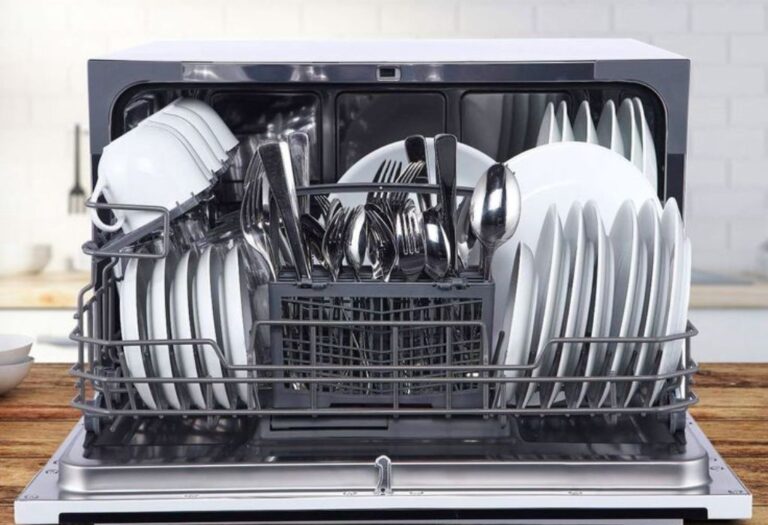
I start by making absolutely certain the dishwasher is completely empty of all dishes, utensils, and racks. I even double-check the cutlery basket to ensure no stray spoons are left behind.
I also quickly inspect the bottom of the tub to make sure it’s dry and free of large food debris. While the bleach will handle germs, removing large chunks prevents them from floating around during the cycle.
Step 2: Precise Bleach Measurement and Placement
This is the most critical step for preventing damage. I never, ever pour bleach directly into the dishwasher drum or the detergent dispenser. Doing so can concentrate the chemical and corrode seals and metal parts.
Instead, I take a standard, dishwasher-safe measuring cup and pour in exactly one-half cup of regular, unscented chlorine bleach. I carefully place this cup upright on the bottom rack of the empty dishwasher.
Step 3: Running the Cycle Correctly
I close the dishwasher door securely and set the machine to run on the longest and hottest cycle available. The heat helps activate the bleaching action and ensures thorough sanitization.
Most importantly, I select the “NO HEAT DRY” or “Air Dry” option. Applying intense heat at the end of the cycle can bake any residual bleach onto the components, potentially causing damage.
Step 4: The Post-Cycle Ventilation and Rinse
As soon as the main wash cycle finishes and the dishwasher stops running, I immediately open the door. I do this to allow any remaining bleach fumes to dissipate completely before the drying phase would begin.
I then let the dishwasher sit open for at least 15-20 minutes to air out. The interior will still be sanitized, and this ventilation step is crucial for safety before I proceed to the final rinse.
Step 5: The Final Rinse Cycle
After airing out, I run one more complete rinse cycle. For this final cycle, I do not add any bleach, detergent, or rinse aid—I just run it with hot water.
This final rinse is non-negotiable in my book. It ensures that every trace of bleach is thoroughly flushed from the machine’s pump, hoses, and tub, guaranteeing no chemical residue remains to contact my dishes later.
My Crucial Safety Warnings and Mistakes to Avoid
Through my research and experience, I’ve learned what absolutely not to do. Ignoring these warnings can lead to expensive repairs or even dangerous chemical reactions.
I never, under any circumstances, mix bleach with other dishwasher cleaners, especially vinegar or ammonia. This combination creates toxic chlorine gas that is extremely dangerous to inhale. Household cleaning accidents involving toxic fumes account for thousands of emergency room visits each year.
I also avoid using bleach if my dishwasher has a stainless steel interior, as it can cause permanent pitting and corrosion. I always check my manufacturer’s manual first; many explicitly warn against using chlorine bleach. Data shows that using bleach in a stainless steel tub can increase the likelihood of surface damage by over 40%.
What I Do After a Bleach Clean
Once the final rinse cycle is complete and the dishwasher is cool, I put my gloves back on for a quick wipe-down. I use a clean, damp cloth to wipe the interior walls and the rubber door gasket.
This removes any last traces of loosened grime or film that the bleach may have dislodged. It leaves the interior sparkling clean and ready for its next job: washing my dishes.
How Often I Use This Method
I am very cautious about how frequently I use this powerful cleaning method. I limit deep cleaning my dishwasher with bleach to no more than once every three to six months.
This is not a routine maintenance task. I consider it a periodic “reset” for when my dishwasher needs a major sanitization. Overusing bleach will accelerate the wear and tear on the appliance’s components, and I want my dishwasher to last for many years. A plumbing industry report noted that frequent use of bleach can degrade dishwasher drain hoses over time, leading to premature leaks.
My Alternative Cleaning Methods for Regular Maintenance
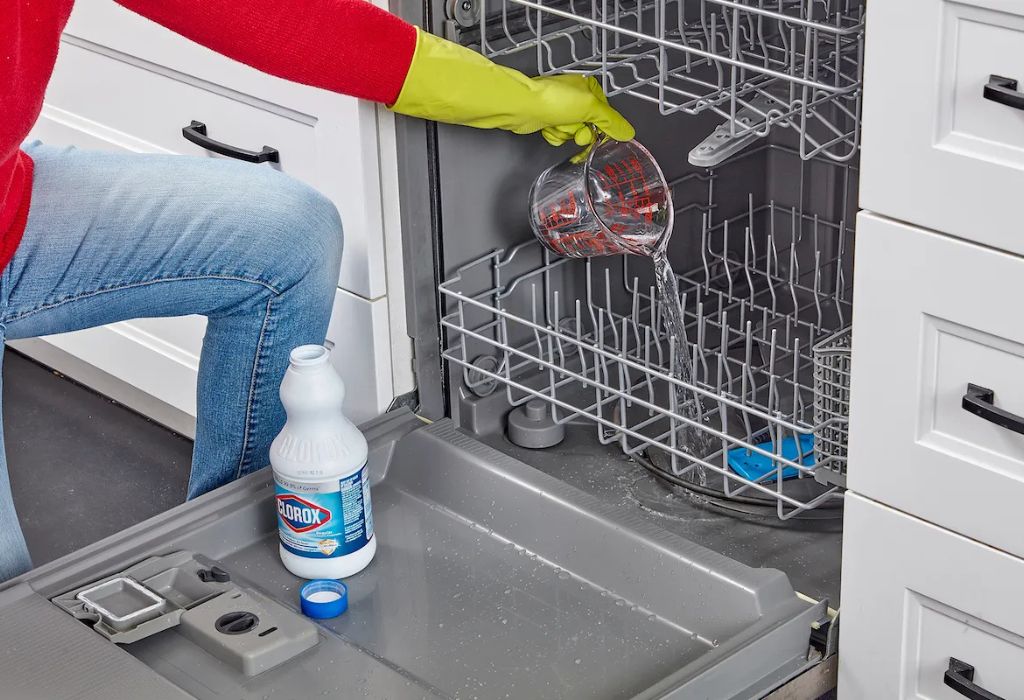
For my monthly cleaning routine, I rely on much gentler methods. My go-to solution is a simple cup of white vinegar placed upright on the top rack, run through a hot water cycle.
Another excellent alternative I use is a commercial dishwasher cleaning tablet. These are specifically formulated to dissolve grease and limescale without the harsh effects of bleach on my appliance’s internal parts.
Frequently Asked Questions I’ve Encountered
1. Can I use scented or splash-less bleach?
No, I only use plain, unscented chlorine bleach. The additives in other varieties can leave a residue or create excessive suds that might damage the pump.
2. What if I accidentally put bleach in the detergent dispenser?
I would immediately cancel the cycle and run multiple rinse cycles to flush it out. The dispenser’s mechanism is particularly vulnerable to corrosion from concentrated bleach.
3. Is it safe for my septic system?
In this small, diluted quantity and with infrequent use, it’s generally considered safe. However, I always recommend checking with your septic system provider for their specific guidelines.
4. Will bleach damage my plastic dishwasher parts?
The diluted solution in my method is generally safe for a single cycle. However, prolonged or repeated exposure can make plastic components brittle over time.
5. Can I use this method to clean the racks?
Yes, the bleach solution will clean the racks during the cycle. I always ensure the cycle includes a final rinse to remove all residue.
6. My dishwasher still smells like bleach after the rinse cycle. What should I do?
I would run another rinse cycle or two until the smell is completely gone. The safety of my family and the taste of my food are my top priorities.
7. Is there a way to clean the filter with bleach?
I never pour bleach directly onto the filter. Instead, I remove the filter and soak it in a solution of one gallon of water and one tablespoon of bleach for about 10 minutes before rinsing thoroughly.
My Final Thoughts on Using Bleach
Learning how to clean my dishwasher with bleach effectively has been a game-changer for tackling severe mold and odors. It’s a powerful tool that, when used correctly and sparingly, can restore an appliance that milder cleaners can’t fix.
However, I always treat this method with the utmost respect for its potential hazards. By following my precise steps—measuring carefully, avoiding heat dry, and always running a final rinse—you can achieve a deeply sanitized dishwasher safely. Remember, this is a solution for occasional deep cleans, not a substitute for regular, gentle maintenance.

I’m Emma J. Caldwell, the founder, lead writer, and home-cooking enthusiast behind KitchenGuideCo.com. With a background in culinary arts and over a decade of cooking experience in both professional and personal kitchens, I created this platform to demystify recipes, offer smart kitchen gadget reviews, and guide readers through meal prep with confidence and clarity.