When Sara turned on her electric oven to bake a birthday cake, she noticed smoke rising from the bottom tray.
The smell of burnt grease filled her kitchen, and she realized she had not cleaned the oven in months. Like many busy home cooks, cleaning the oven felt like a task that could always wait until tomorrow.
The next day she tried wiping the inside with a wet cloth, but the baked on residue did not budge. That is when she learned that electric ovens need proper cleaning methods to avoid damage and smoke.
A clean oven does not just look better, it heats more evenly and keeps food tasting fresh without unwanted odors.
In this guide, you will learn safe and effective ways to clean your electric oven at home. From natural solutions like baking soda to deep cleaning stubborn burnt spots, each step is explained clearly.
By the end, you will know exactly how to clean your oven without stress and keep it sparkling for months.
Why Regular Electric Oven Cleaning Matters
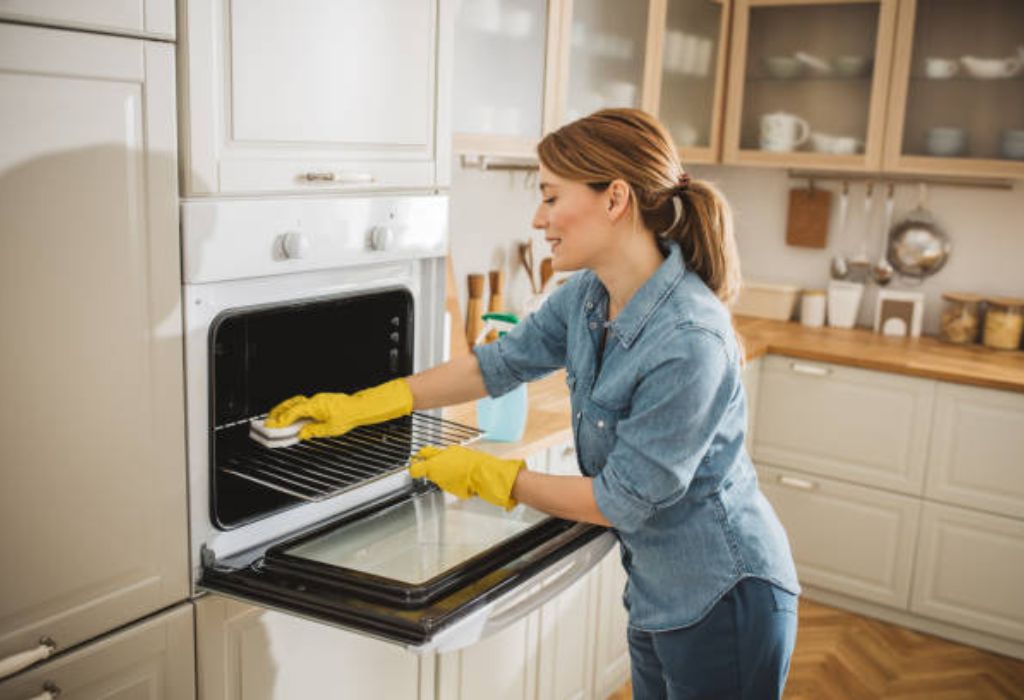
A clean electric oven helps maintain even heat distribution which improves cooking performance. Built up grease can block airflow and cause food to heat unevenly inside the cavity.
When residue burns repeatedly, it releases unpleasant smoke that affects flavor and indoor air quality.
Cleaning regularly also reduces fire risks because grease and food particles are highly flammable.
Small drips that fall onto the lower surface eventually become hardened and difficult to remove. Leaving buildup for too long may require aggressive scrubbing that damages the interior coating.
A dirty oven also forces the appliance to work harder which increases energy use over time. When heat sensors detect obstruction or soot, temperature regulation becomes unstable. Regular cleaning keeps the oven efficient and prevents sudden performance issues during important cooking moments.
Safety Precautions Before Cleaning an Electric Oven
Always turn off the oven and unplug it before starting the cleaning process. Even when the oven is switched off, residual heat may remain inside the cavity. Allowing the appliance to cool completely prevents accidental burns during scrubbing and wiping.
Remove all racks, trays, and thermometers before applying any cleaning solution. These accessories can be cleaned separately using warm water and mild soap. Avoid spraying liquid directly onto electrical components or heating elements to prevent short circuits.
Use gloves and proper ventilation especially when using commercial cleaners. Some products release fumes that may irritate the eyes and throat during application. Natural cleaning solutions are safer but still require airflow to dry thoroughly and avoid moisture buildup.
Can I clean the oven immediately after cooking?
No, you must wait until it cools completely to avoid burns and steam reactions.
Is it necessary to unplug an electric oven before cleaning?
Yes, unplugging adds an extra layer of safety when working near electrical parts.
Can I spray water directly inside the oven?
Avoid spraying water near heating elements or control panels to prevent damage.
Should I wear gloves while cleaning?
Gloves protect your skin from irritation and provide better grip while scrubbing.
Is ventilation important during oven cleaning?
Yes, opening windows helps remove moisture and fumes during drying.
Understanding Oven Parts and Interior Material
Most electric ovens have porcelain or enamel coated interiors that resist heat and scratches. These surfaces are durable but can still be damaged by harsh chemicals or metal tools. Using abrasive scrubbers may remove the protective layer and create permanent marks.
The heating elements are located either at the bottom, top, or in both areas for even cooking. They should never be soaked or scrubbed directly when cleaning by hand. Wiping gently with a damp cloth is recommended only when the elements are completely cool.
The oven door contains multiple layers of tempered glass that trap heat efficiently. Dirt can collect between the panels if not cleaned carefully around the edges. Understanding the materials helps you choose safe cleaning methods that preserve the appliance.
Natural Cleaning Methods Using Baking Soda and Vinegar
Baking soda is one of the safest and most effective natural cleaners for electric ovens. It breaks down grease without scratching the interior surface of the cavity. Mixing it with water creates a gentle paste that sticks well to vertical walls and stubborn spots.
Vinegar helps dissolve leftover baking soda and adds a deodorizing effect after the paste has dried. Spraying vinegar causes a foaming reaction that lifts residue from the surface. This method works without strong fumes and is safe for most oven materials.
For deeper cleaning, the paste can be left overnight before wiping it the next morning. Using warm water softens dried grease and reduces the need for excessive scrubbing force. Natural cleaning prevents chemical buildup and keeps food odors from lingering inside the oven.
Can baking soda damage the oven surface?
No, it is non abrasive and safe for most enamel and porcelain interiors.
How long should baking soda paste sit inside the oven?
Leaving it overnight gives the best results for stubborn residue.
Do I need to rinse with water after using vinegar?
Yes, wipe with a damp cloth to remove foam and leftover solution completely.
Can I use lemon juice instead of vinegar?
Yes, lemon works well for deodorizing but may be less strong on heavy grease.
Is this method safe for sensitive users?
Natural cleaning reduces fumes and is suitable for households avoiding chemicals.
How to Clean Electric Oven Racks and Trays
Oven racks collect grease and burnt food that becomes sticky and hard over time. Removing the racks before heating prevents residue from burning repeatedly during use. Placing racks in a large sink or bathtub makes scrubbing easier and more comfortable.
Soak the racks in warm water mixed with dish soap or mild detergent for several hours. This helps loosen hardened grease without damaging the metal coating on the surface. Using a soft brush removes residue from corners and tight spaces between the bars.
For stubborn stains, adding vinegar or baking soda enhances the cleaning strength. Avoid using steel wool because it may scratch the protective layer and cause rust. Drying the racks thoroughly before placing them back in the oven prevents moisture buildup inside.
Deep Cleaning Burnt Grease and Stubborn Stains
Burnt grease forms a thick layer when spills are repeatedly exposed to high heat. This buildup becomes harder to remove the longer it remains on the oven floor and walls. Applying a warm, damp cloth before cleaning softens residue and reduces scrubbing effort.
Commercial cleaners can be used only if the oven surface is compatible with chemical products. Reading the manufacturer’s manual prevents accidental damage to enamel or porcelain coating. Avoid bleach or ammonia because mixing them with heat can release harmful fumes.
Placing a heatproof dish with water inside the oven and running it on low temperature creates steam.
The moisture loosens dried particles and helps wipe them away more smoothly after cooling. Combining steam with gentle cleaning solutions delivers better results for deep cleaning.
Cleaning the Oven Door, Glass, and Rubber Seals
The oven door glass collects splatters that become visible when light shines through the window. Using abrasive tools can scratch the glass and reduce clarity permanently. A mixture of vinegar and water helps break down grease without damaging transparency.
Rubber seals around the door maintain heat inside the cavity while cooking. Scrubbing seals harshly may weaken the material and reduce insulation efficiency. Wiping gently with a damp cloth removes crumbs and prevents mold from developing in hidden areas.
If residue builds between inner glass panels, professional removal may be required for safe cleaning. Disassembling the door without proper tools can damage hinges or void the appliance warranty. Regular maintenance prevents heavy buildup and keeps the oven door looking clean.
Can I use a razor blade on the oven glass?
It is not recommended because it may scratch or weaken the glass surface.
How do I clean streaks from the oven window?
Using a microfiber cloth with vinegar helps remove streaks without residue.
Should I remove the door to clean it?
Removing the door is risky and should only be done if instructed by the manufacturer.
Can rubber seals be washed with soap?
Mild soap is safe but avoid soaking seals to prevent moisture damage.
Why does the glass look dirty from inside?
Grease can seep through vents and settle between panels over time.
How to Clean Electric Oven Heating Elements Safely
Heating elements should never be submerged in water or sprayed directly with liquid. Moisture can cause electrical malfunction and shorten the lifespan of the components. Always allow the elements to cool fully before any cleaning attempt.
Loose debris around the elements can be removed with a soft, dry brush. Avoid bending or applying pressure because these parts are delicate and may break easily. If burnt material is stuck underneath, lifting it gently with a damp cloth is the safest option.
Self-cleaning cycles should only be used if the manufacturer confirms compatibility with the oven model. Extremely high temperatures can cause older elements to warp or produce smoke. Understanding the limitations prevents accidental damage during maintenance.
Preventing Future Build Up and Odor Control Tips
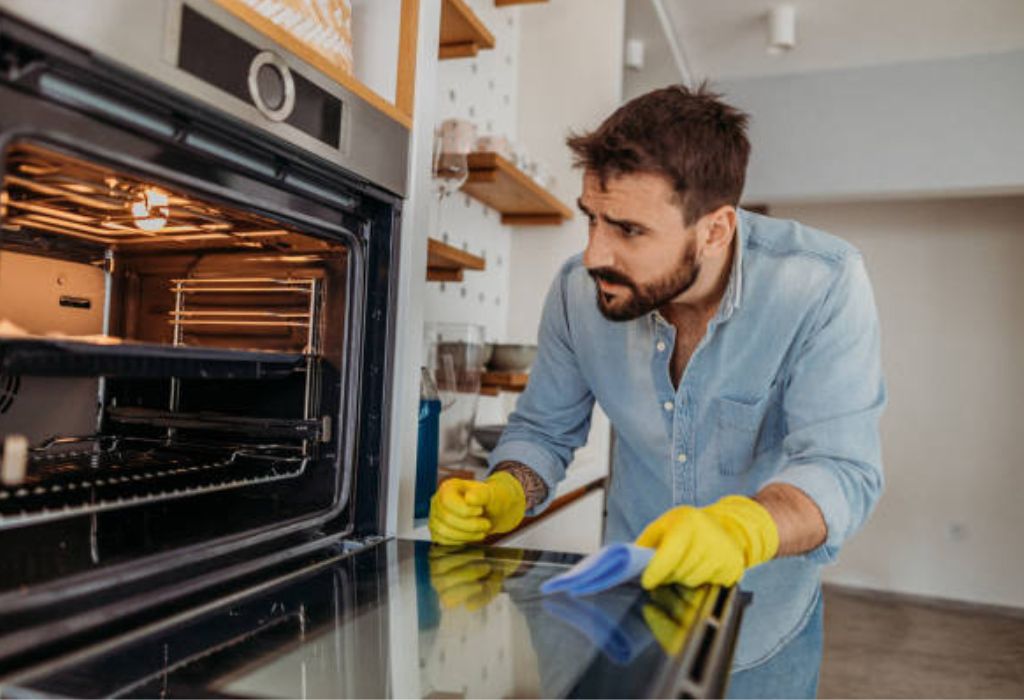
Lining the lower rack with a removable oven mat helps catch drips during cooking. These mats are heat resistant but should never touch the heating element directly. Removing spills immediately after cooling prevents hardened layers from forming.
Using covered dishes and roasting bags reduces splatter on the interior walls. Grease pops less when food contains lower moisture content or is placed in deeper trays. Simple adjustments in cooking habits significantly reduce long-term cleaning effort.
Ventilating the oven after cooking helps release steam and prevent trapped odors. Leaving the door slightly open during cooling allows moisture to escape safely without overheating. Consistent care keeps the oven smelling fresh and reduces smoke in future use.
Do oven mats replace regular cleaning?
No, they reduce spills but the oven still needs periodic cleaning.
Can I use aluminum foil on the oven floor?
It is unsafe because foil can melt and damage the interior coating.
Why does my oven smell even after cleaning?
Hidden residue under racks or elements may still be burning during use.
How often should I wipe spills?
Clean spills after the oven cools to prevent them from hardening.
Does leaving the door open damage the oven?
No, if done after cooking and only during cooling for ventilation.
Maintenance Schedule and When Professional Cleaning Is Needed
Light cleaning once a month prevents buildup and keeps the oven performing efficiently. Wiping interior surfaces regularly avoids burnt residue that becomes difficult to remove. Checking for crumbs under the heating element helps reduce smoke during preheating.
A deeper cleaning every three to six months suits households that cook frequently. Families who roast or bake often may need more frequent maintenance sessions. Tracking cleaning dates ensures the oven stays in good condition throughout the year.
Professional cleaning is recommended if burnt residue becomes too hard to remove safely. Technicians can disassemble components without damaging internal wiring or seals. Seeking expert help prevents accidental harm and prolongs the lifespan of the appliance.
How often should I deep clean my electric oven?
Every three to six months depending on cooking frequency.
Do self cleaning cycles replace manual cleaning?
No, they help but manual cleaning is still required for residue and racks.
When should I call a professional cleaner?
If stains are too stubborn or parts require safe disassembly.
Can frequent cleaning damage the oven?
Using gentle methods prevents wear and keeps the appliance safe.
Does a dirty oven affect cooking results?
Yes, buildup can cause uneven heating and unpleasant smoke.
Conclusion
Cleaning an electric oven becomes easier when you follow safe and consistent methods. Removing racks, using natural cleaners, and avoiding harsh tools protect the interior surface. Understanding each part of the oven helps prevent accidental damage during maintenance.
Regular care reduces energy waste, improves cooking performance, and keeps food tasting fresh. Small habits like wiping spills and ventilating after use prevent heavy buildup over time. Whether you clean monthly or seasonally, the right techniques make the process stress free.
If stains become too stubborn or require disassembly, seeking professional help ensures safety. A well maintained electric oven lasts longer and performs more efficiently throughout its lifespan. With the correct approach, your kitchen stays cleaner and cooking remains enjoyable every day.

I’m Emma J. Caldwell, the founder, lead writer, and home-cooking enthusiast behind KitchenGuideCo.com. With a background in culinary arts and over a decade of cooking experience in both professional and personal kitchens, I created this platform to demystify recipes, offer smart kitchen gadget reviews, and guide readers through meal prep with confidence and clarity.