A food processor is one of the most valuable appliances in any kitchen, helping chop vegetables, shred cheese, puree sauces, and prepare dough in seconds.
But after all that work, it often ends up covered in food residue, oily smudges, sticky stains, and stubborn odors that can build up over time.
Proper cleaning keeps the machine running smoothly, prevents bacterial growth, and ensures your food tastes fresh. Many people misunderstand how to clean each part safely, especially the sharp blades and the electrical base.
A food processor has multiple parts that require different cleaning methods. The bowl, lid, pusher, and blades can usually be washed with soapy water, but the base must never be submerged.
Despite this, many people make mistakes and end up damaging the machine. Understanding each component helps you clean without ruining any parts.
Cleaning a food processor thoroughly also improves its performance. When food residue dries on blades, they become less sharp and process ingredients unevenly.
When the bowl is not cleaned properly, odors linger and affect future recipes. Regular cleaning protects both the appliance and the flavor of your meals.
Food processors can also develop hidden buildup in crevices, especially around the handle, the blade shaft, and the locking mechanism. These areas are often overlooked, yet they collect bacteria quickly. Learning to clean them correctly increases hygiene in your kitchen.
Cleaning a food processor is simpler than it seems once you know the proper steps. With the right technique, you can remove dried food, oily films, stains, odors, and hidden residue in just a few minutes. This guide explains how to clean every part effectively without damaging the appliance.
Understanding the Parts of a Food Processor Before Cleaning
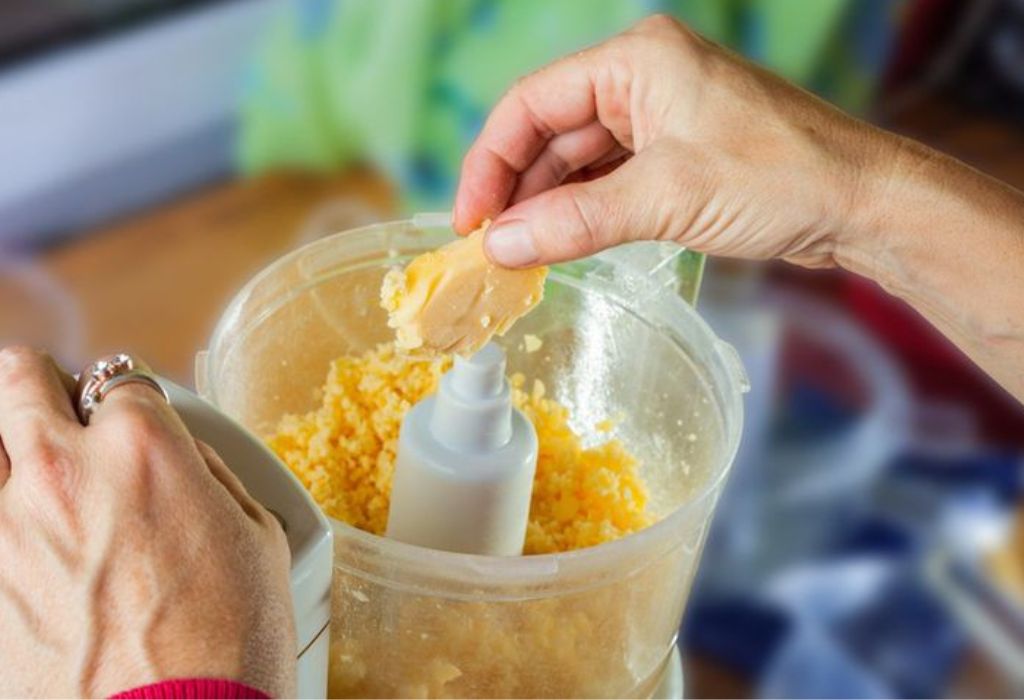
A food processor has several removable components that must be cleaned separately. The main parts include the bowl, lid, pusher, blades, shaft, and discs. Each piece requires a different cleaning method to ensure safety and effectiveness.
The removable bowl is usually dishwasher safe. It collects most of the food residue, so it needs regular cleaning. Some bowls stain easily and require extra care.
The lid contains locking mechanisms and vents. These can trap moisture and food particles over time. Cleaning them prevents mold and odor buildup.
Pushers are hollow or partially hollow. Food or liquid can become trapped inside. Not cleaning the pusher properly can cause hidden mold growth.
The blades are sharp and require careful handling. They accumulate sticky, oily residue from many types of food. Cleaning them preserves their sharpness and prevents dulling.
The discs used for slicing or shredding also need cleaning after every use. Food often gets stuck between the perforations. Cleaning prevents clogging and bacterial buildup.
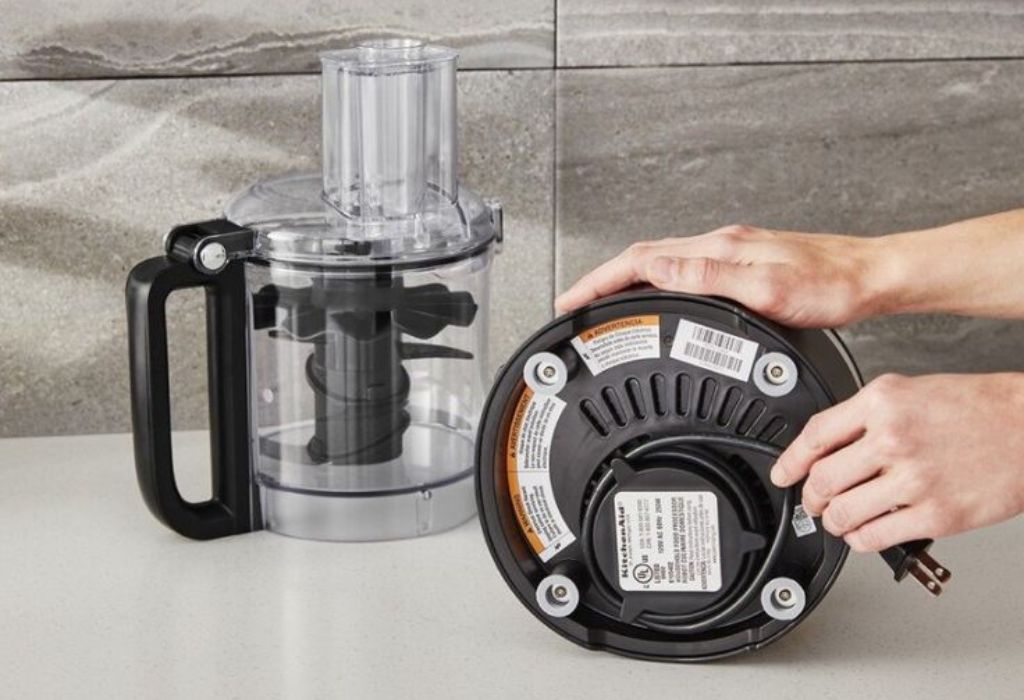
The base must never be submerged in water. It contains the motor and electrical components. Cleaning the base requires a different technique using damp cloths.
Understanding each part helps prevent mistakes. With proper handling, cleaning becomes safer and more effective. This knowledge prepares you for the next cleaning steps.
How to Clean the Food Processor Bowl Safely
The bowl collects the most food residue, so it requires thorough cleaning after each use. Start by rinsing it immediately to prevent food from hardening. This makes the rest of the cleaning process easier.
Wash the bowl with warm, soapy water using a soft sponge. Avoid abrasive scrubbers because they scratch the surface. Scratches can trap food particles and make cleaning harder.
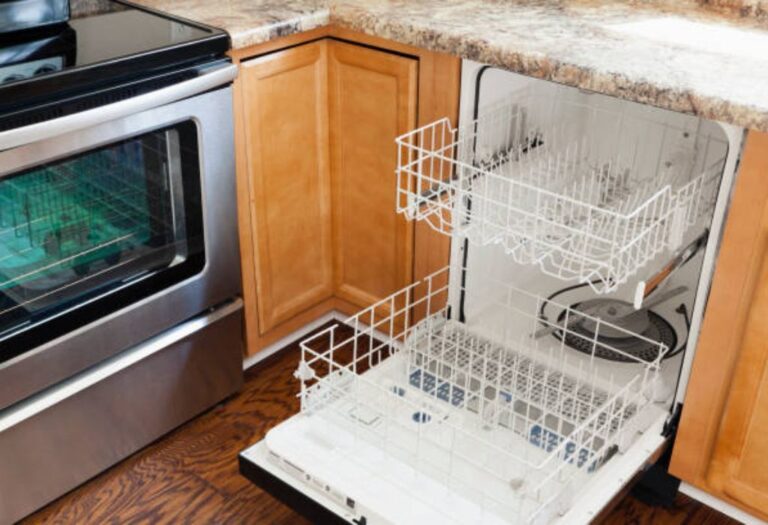
If the bowl is dishwasher safe, you can place it on the top rack. Using a dishwasher saves time and ensures deep cleaning. Always check the manufacturer’s guidelines first.
Remove sticky residue by soaking the bowl in warm water. Soaking loosens dried or hardened food. It also helps remove grease more easily.
Food processors sometimes stain from ingredients like tomato sauce or turmeric. For stains, scrub gently with baking soda paste. Baking soda helps lift stains without damaging plastic.
Rinse the bowl thoroughly after scrubbing. Soap residue can leave a film that affects food taste. Clean water ensures a fresh, odor free finish.
Dry the bowl completely before reassembling. Moisture trapped inside can lead to mold or unpleasant odors. A dry bowl also helps the processor lock properly during use.
How to Clean Food Processor Blades Without Damaging Them
Food processor blades are extremely sharp, so they must be handled carefully. Begin by rinsing them under warm water immediately after use. This prevents food from drying and sticking to the surface.
Wash the blades gently with a sponge or soft brush. Use warm soapy water to remove grease and residue. Avoid scrubbing aggressively to preserve sharpness.
Never use abrasive pads or steel wool on blades. These materials damage the metal and reduce cutting efficiency. They also create scratches that trap food.
If food is stuck between the blade edges, soak the blade for ten minutes. Soaking loosens stubborn residue. After soaking, use a brush to remove remaining debris.
Dry the blades thoroughly before storing. Moisture can cause rust or corrosion. Proper drying maintains blade longevity.
Be cautious when cleaning near the sharp edges. Hold blades by the center stem or dull sides only. This reduces the risk of cuts during cleaning.
Store blades separately or in protective covers. Keeping them safe prevents dulling and protects your hands during handling. This extends the life of your food processor.
How to Clean the Lid and Pusher Thoroughly
The food processor lid often collects splatters, moisture, and oils. Rinse it right away after removing it from the bowl. Early rinsing prevents buildup and odor formation.
Wash the lid with warm soapy water using a soft sponge. The locking grooves need extra attention. Food can become trapped inside these small crevices.
If the lid is dishwasher safe, place it securely on the top rack. This helps remove hidden residue. Always check the user manual to confirm dishwasher compatibility.
The pusher has hollow areas that can trap food or juice. Hold it under running water to clear any hidden residue. Cleaning the inside prevents mold growth.
Use a small brush to clean narrow parts of the lid and pusher. Brushes remove debris that a sponge cannot reach. This improves overall hygiene.
Rinse thoroughly to remove all soap residue. Soap trapped inside the pusher can leak into future recipes. Clean water ensures a neutral smell and taste.
Let the lid and pusher air dry completely. Moisture in small grooves causes odor or mold. A dry lid improves food safety in future uses.
How to Clean the Motor Base Safely Without Water Damage
The motor base must never be submerged in water. It contains electrical components that can be damaged by moisture. Only external cleaning is safe.
Unplug the food processor before cleaning the base. This prevents electrical accidents. Cleaning should always be done after the machine cools down.
Wipe the base with a damp cloth dipped in mild soapy water. Avoid soaking the cloth. Excess water can seep into the base.
Use a soft brush to clean around buttons and switches. These areas collect flour, spices, and crumbs. Cleaning them helps maintain smooth operation.
Stuck residue can be removed with a mixture of vinegar and water. Vinegar dissolves oily spots effectively. It also deodorizes the base.
Dry the base with a microfiber cloth to remove streaks. Shiny surfaces look cleaner when dried properly. This also prevents dust from sticking.
Inspect the bottom vents for dust. Use a dry brush or vacuum attachment to clear them. Clean vents help prevent overheating during use.
How to Remove Stubborn Food Residue From Crevices
Stubborn residue often hides in corners, handles, and small gaps. Begin by inspecting the food processor carefully. Identifying hidden areas improves cleaning results.
Use a soft brush to scrub tight spots. Brushes reach areas sponges cannot. They remove dried food without scratching the plastic.
To loosen hardened residue, soak removable parts in warm soapy water. Soaking helps dissolve tough food particles. It also makes brushing easier.
If residue remains, apply a baking soda paste. Baking soda lifts residue without damaging the material. Let the paste sit for several minutes before wiping.
Toothpicks or cotton swabs help clean narrow grooves. These tools reach the deepest crevices. They are especially useful for cleaning the handle and locking mechanism.
Rinse thoroughly after removing residue. Cleaning agents left behind can affect flavor. Fresh water ensures clean, safe surfaces.
Dry crevices using a towel or air dry method. Moisture trapped inside small areas may lead to mold. Drying preserves appliance cleanliness.
How to Remove Odors From a Food Processor
Food residue and strong ingredients often leave odors inside the bowl or lid. Begin by washing them with warm soapy water. This removes surface level smells.
To remove deeper odors, soak the bowl in a mixture of water and vinegar. Vinegar neutralizes strong smells like garlic and onions. Soak for fifteen minutes before rinsing.
Baking soda is another effective deodorizer. Sprinkle baking soda inside the bowl and let it sit. Rinse with warm water afterward for a fresh scent.
Lemon juice can help with strong odors. Rub cut lemons along the inside surfaces. Lemon fragrance refreshes the bowl instantly.
For lids and pushers, soak them in diluted lemon juice. This helps break down lingering smells. It also removes oil residue.
Avoid storing the food processor when wet. Moisture traps odors and causes bacteria growth. Always dry parts completely before putting them away.
Regular cleaning prevents odors from accumulating. With consistent care, your food processor stays fresh and odor free. This maintains better kitchen hygiene.
How to Clean Stains Caused by Ingredients Like Tomato or Turmeric
Tomato sauce, turmeric, and curry often leave stains on plastic bowls. Start by washing the bowl normally with warm soapy water. This removes fresh residue.
If stains remain, apply a baking soda paste. Baking soda gently lifts color without scratching. Let the paste sit before scrubbing with a soft sponge.
Vinegar can help lighten stains. Apply vinegar directly onto the stain and let it rest. Rinse thoroughly afterward to remove the smell.
Lemon juice is another natural stain remover. Lemon’s acidity helps brighten plastic surfaces. It works especially well on turmeric stains.
Place the bowl in the sunlight for a few hours after cleaning. UV light helps reduce plastic discoloration. This is a natural and chemical free method.
Avoid bleach on food processor bowls. Bleach can weaken plastic over time. It may also leave chemical residue behind.
Repeat stain treatments if needed. Some stains require multiple rounds. Over time, consistent cleaning reduces permanent discoloration.
How to Deep Clean a Food Processor After Heavy Use
Deep cleaning is necessary after processing oily, sticky, or heavily spiced ingredients. Begin by disassembling all removable parts. This ensures every surface receives attention.
Soak the bowl, lid, pusher, and blades in warm soapy water. Soaking dissolves stubborn grease. It prepares surfaces for thorough cleaning.
Scrub each part with a soft brush. Brushes reach corners and grooves effectively. This helps remove hidden debris.
Sanitize parts using water and vinegar mixture. Vinegar kills bacteria naturally. It also helps remove odors.
Rinse all parts under warm water. Rinsing removes leftover cleaning solution. This keeps your processor food safe.
Dry each part completely before reassembly. Moisture encourages mold growth. Drying ensures long term hygiene.
Wipe the base thoroughly and clean vents. Heavy use often causes dust buildup near the vents. Removing dust prevents overheating and prolongs life.
How to Keep Your Food Processor Clean Between Uses
Cleaning between uses prevents residue buildup. After each use, rinse the bowl immediately. Rinsing helps avoid dried food.
Wipe the base regularly to remove spills. Spills harden if left uncleaned. Wiping prevents sticky marks.
Store removable parts separately when possible. Proper air circulation keeps them dry. Dry parts resist odor formation.
Check the lid and pusher after every use. Food often sticks in the grooves. Quick cleaning stops mold growth.
Use a damp cloth to wipe blades carefully. Removing residue extends blade sharpness. This helps maintain performance.
Perform light cleaning even when preparing simple foods. Food particles build up easily. Preventative cleaning saves time later.
Regular maintenance keeps the food processor looking new. It also prolongs lifespan. Clean tools contribute to better cooking results.
Key Answers for Safe Food Processor Cleaning
Can I put all food processor parts in the dishwasher?
Most bowls, lids, and blades are dishwasher safe. Always check the manual. The base must never be washed in the dishwasher.
Can I soak the blades?
Yes, but avoid long soaking. Short soaks help loosen food. Prolonged soaking may dull the blade.
Why does my food processor smell bad?
Odors come from trapped food or moisture. Vinegar or lemon juice removes them. Regular cleaning prevents smells.
How do I remove garlic smell from the bowl?
Use baking soda or vinegar. Both neutralize strong odors. Rinse thoroughly after cleaning.
Can I bleach the bowl?
Avoid bleach because it damages plastic. Use baking soda or lemon instead. These are safer alternatives.
How often should I deep clean my food processor?
Deep clean after heavy use or once a week. Frequent cleaning maintains hygiene. Clean more often if using strong spices.
Can I wash the base under running water?
No, it contains electrical components. Use a damp cloth only. Keep water away from openings.
How do I remove turmeric stains?
Use baking soda paste or lemon juice. Place the bowl in sunlight afterward. Stains lighten gradually.
Is it safe to clean blades with my hands?
Yes, but be careful. Hold blades by dull edges only. Use a brush when possible for safety.
Why does food get stuck under the blade shaft?
Food collects due to tight spaces. Use a brush to clean underneath. Regular cleaning prevents buildup.
Conclusion
Cleaning a food processor properly keeps it running smoothly, prevents odors, and maintains food safety. Each part has its own cleaning method, from soaking the bowl to wiping the base. Understanding how to clean blades, lids, and pushers extends the life of the appliance.
Regular cleaning prevents buildup and protects performance. Deep cleaning removes stubborn stains and odors. It also ensures the machine works efficiently for every recipe.
A clean food processor produces better tasting food. Fresh ingredients remain uncontaminated by old residue. Clean tools lead to better cooking experiences.
Taking the time to clean each part thoroughly preserves the value of your appliance. With proper care, a food processor can last for many years. Consistent cleaning helps maintain hygiene and improve kitchen habits.

I’m Emma J. Caldwell, the founder, lead writer, and home-cooking enthusiast behind KitchenGuideCo.com. With a background in culinary arts and over a decade of cooking experience in both professional and personal kitchens, I created this platform to demystify recipes, offer smart kitchen gadget reviews, and guide readers through meal prep with confidence and clarity.