You open your dishwasher expecting crystal clear glasses, but instead, you find cloudy, dull cups covered with a white film. It’s a frustrating sight, especially when you’ve used the right detergent and rinse aid. That cloudy coating isn’t dirt or soap scum; it’s often a thin layer of dishwasher film caused by minerals and detergent residue building up over time.
Hard water is one of the biggest culprits behind this problem. As your dishwasher heats the water, calcium and magnesium form deposits that cling to the glass surface. Combine that with leftover detergent that doesn’t fully rinse away, and you end up with hazy, chalky glassware that looks old even when it’s perfectly clean.
The good news is that you don’t need to replace your glasses or use harsh chemicals to fix it. With a few common household items like white vinegar, baking soda, and lemon juice, you can safely remove the film and restore that perfect sparkle. These natural cleaners dissolve mineral buildup, cut through soap residue, and leave a streak free shine.
In this complete guide, you’ll learn how to clean glasses with dishwasher film step by step. You’ll also discover how to tell the difference between water film and permanent etching, what causes the buildup in the first place, and the best ways to prevent it from returning. By the end, your glassware will look new again, clear, shiny, and ready to impress guests at your next dinner.
What Causes Dishwasher Film on Glasses
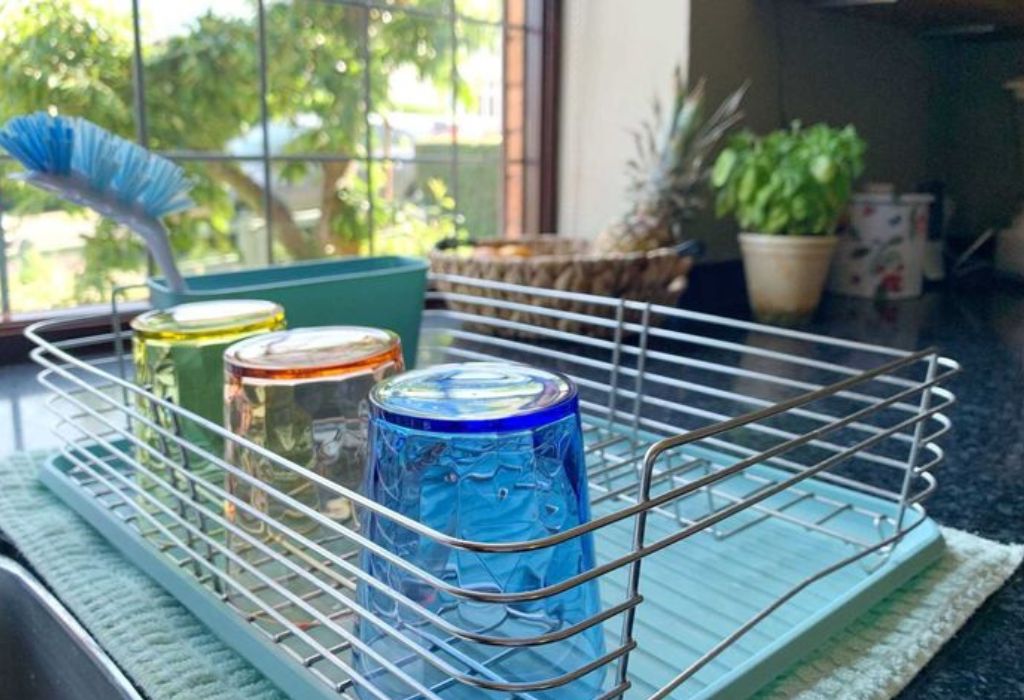
Understanding what causes dishwasher film is the first step to removing it for good. That cloudy residue you see after every wash isn’t random; it’s the result of a few simple but common reactions happening inside your dishwasher.
The main cause is hard water. Hard water contains high levels of minerals like calcium and magnesium. When the water heats up during a wash cycle, these minerals separate and stick to the surface of your glasses. Over time, they leave behind a chalky white coating that dulls the shine and makes the glass appear foggy.
Detergent buildup is another major factor. If too much detergent is used or if it doesn’t fully dissolve, the leftover soap forms a thin film that mixes with mineral deposits. This combination creates a hazy appearance that no amount of regular washing can remove. The hotter your dishwasher runs, the faster this residue hardens on the glass.
Low water pressure and skipped rinse aid also contribute to the problem. Without proper rinsing, detergent and mineral particles remain on the surface instead of being flushed away. This is especially common in homes with older dishwashers or untreated hard water.
It’s also important to know that not all cloudiness is removable film. Sometimes, the glass becomes permanently etched from harsh detergents or high heat. That’s why identifying whether it’s film or etching before cleaning is essential.
How to Identify If It’s Film or Etching
Before you start cleaning, it’s important to know what you’re dealing with. Not every cloudy mark on your glasses is caused by dishwasher film. Sometimes, the glass surface is permanently damaged by a process known as etching. Knowing the difference helps you avoid wasting time and effort on a fix that won’t work.
Dishwasher film usually forms as a thin, chalky layer sitting on top of the glass. You can test this easily by dipping a cloth in white vinegar and wiping one section of the glass. If the cloudy appearance fades or disappears, it means the problem is surface film. The vinegar dissolves mineral deposits and soap residue almost instantly, revealing the glass’s original shine.
Etching, on the other hand, is permanent. It occurs when high heat, harsh detergent, or overly soft water wears down the glass surface. If the cloudy area remains even after wiping with vinegar, it’s likely etched. You may also feel a slightly rough or frosted texture under your fingers instead of a smooth one.
Another quick test is to hold the glass up to bright light. If the cloudy areas show rainbow-like streaks or shimmer when moved, it’s usually film. If they appear dull, white, and embedded in the glass, etching is the culprit.
Once you confirm it’s film, you can safely move forward with cleaning methods that restore clarity. But if your glassware is etched, no cleaner can reverse it. In that case, prevention and careful dishwasher use are the best solutions for your next load.
Tools and Materials You’ll Need
Before you begin cleaning your glasses, make sure you have all the right tools and materials ready. Preparing everything in advance saves time and helps you complete the process more efficiently. The good news is that most of these items are simple household products you probably already have in your kitchen.
The most important cleaner you’ll need is white vinegar. It’s a natural acid that dissolves mineral deposits, hard-water stains, and soap residue effectively. Alongside vinegar, keep baking soda on hand. Baking soda acts as a mild abrasive that removes stubborn film without scratching your glassware.
You’ll also need a soft sponge or microfiber cloth to wipe the glasses gently. Avoid rough scrubbers or steel wool, as they can damage the glass surface permanently. A small bowl or sink basin is useful for soaking the glasses in a vinegar solution. If your film problem is severe, you can use a plastic bucket to soak multiple glasses at once.
For additional shine, a lemon can help. Its natural citric acid adds an extra boost to dissolve cloudy spots and leaves your glass smelling fresh. Keep a soft towel or lint-free cloth for drying and polishing once the cleaning is complete.
If you plan to maintain your dishwasher afterward, you might also want dishwasher cleaning tablets or a rinse aid to prevent future buildup. These are optional but effective for long-term results.
Gathering these simple materials ensures your cleaning process runs smoothly from start to finish. With vinegar, baking soda, and a little patience, you’ll have everything needed to restore your glasses to crystal-clear perfection.
Step-by-Step Guide on How to Clean Glasses With Dishwasher Film

Step 1: Prepare a Vinegar Bath
The first step to removing dishwasher film is creating a simple vinegar bath. Fill a sink or a large basin with equal parts warm water and white vinegar. The vinegar works as a natural acid that breaks down mineral deposits, detergent residue, and other buildup stuck to the surface of your glasses.
Place the cloudy glasses into the vinegar solution, making sure they are fully submerged. Let them soak for about 10 to 15 minutes. If the film is thick or has been there for a long time, you can leave them a bit longer to loosen the residue more effectively.
During the soaking process, gently swirl the glasses occasionally to help the vinegar reach every part of the surface. You’ll notice the film starting to lift away as the solution dissolves the minerals and soap layers.
Step 2: Gently Scrub and Rinse
After soaking, remove one glass at a time and use a soft sponge or microfiber cloth to gently wipe the surface. Focus on the areas where the film looks most visible. The residue should come off easily with light pressure, revealing a clearer, shinier surface underneath.
Once cleaned, rinse each glass thoroughly under warm running water to wash away the remaining vinegar and loosened buildup. Be sure no residue remains, as leftover vinegar can leave streaks once dry.
Step 3: Use Baking Soda for Stubborn Spots
Sometimes vinegar alone isn’t enough to remove heavy or long-standing dishwasher film. If you still see cloudy patches after soaking, it’s time to bring in baking soda. This gentle abrasive helps lift off any remaining residue without scratching the glass surface.
Start by creating a simple paste using two tablespoons of baking soda and a few drops of water. Stir until it forms a smooth, thick consistency. Dip a soft cloth or sponge into the paste and apply it to the cloudy areas of the glass. Rub gently in small circular motions until the film starts to disappear.
For best results, let the paste sit on the most stubborn spots for about five minutes before rinsing. Baking soda reacts with leftover vinegar traces to break down minerals even further. Once done, rinse each glass under warm running water to remove all traces of baking soda.
Step 4: Dry and Polish
After rinsing, it’s time to restore that sparkling shine. Use a soft microfiber cloth or lint-free towel to dry each glass carefully. Avoid air drying, as hard-water spots can form again if droplets remain on the surface.
For extra clarity, buff the glasses gently in circular motions while drying. This step not only removes moisture but also enhances shine by smoothing out the glass surface. You can even rub a tiny amount of white vinegar on a dry cloth for a final polish to achieve a crystal-clear finish.
Once completely dry, your glasses should look brand new again, free from cloudy residue and full of shine.
Alternative Cleaning Methods
If the vinegar and baking soda method doesn’t completely restore your glassware, there are several other effective cleaning options you can try. These alternative methods work well for stubborn dishwasher film and for ongoing maintenance to prevent the problem from returning.
One simple method is using lemon juice. The natural citric acid in lemons acts as a mild cleaner that dissolves mineral deposits while leaving a fresh scent. Squeeze a few lemons into a bowl of warm water and soak your glasses for 10 to 15 minutes. After soaking, wipe them gently with a soft sponge and rinse thoroughly for a clear, streak-free shine.
You can also use dishwasher cleaning tablets. Place one tablet in your dishwasher and run a hot empty cycle with no dishes inside. This helps clean internal buildup in spray arms, filters, and water lines that can contribute to cloudy glassware. Running this cycle once a month keeps both your dishwasher and glasses in top condition.
Another option is vinegar rinse cycles. Pour one cup of white vinegar into the bottom of your dishwasher and run it on the hottest setting without any dishes. This process removes grease, detergent residue, and mineral film from the entire machine, reducing future buildup on your glassware.
For severe cases, commercial dishwasher film removers are available. These products are formulated specifically to tackle hard-water stains, though they should be used sparingly and according to instructions.
Each of these methods can make a noticeable difference, but regular cleaning is what truly keeps your glasses sparkling. By combining natural and professional techniques, you can maintain long-lasting clarity and shine.
How to Prevent Dishwasher Film From Returning
Once you’ve cleaned away the film and restored your glasses to their original shine, the next goal is to keep them that way. Prevention is the key to ensuring your glassware stays crystal clear after every wash. With a few simple habits, you can stop film buildup before it starts.
The first and most effective step is to use rinse aid regularly. Rinse aids help water slide off your dishes and glasses smoothly, preventing droplets that cause spots and residue. Most modern dishwashers have a built-in dispenser for this purpose. Keeping it filled will make a big difference in how clean and shiny your glassware looks.
Another important tip is to use the correct amount of detergent. Too much soap creates excess suds, leaving behind residue that bonds with minerals in hard water. Check your dishwasher’s manual or detergent packaging for the recommended dose, and avoid guessing the amount.
Running your dishwasher on the hottest water setting helps dissolve detergent properly and ensures complete rinsing. If you live in an area with hard water, consider using a water softener or dishwasher salt to reduce mineral buildup. This small investment can prevent the chalky white film that forms over time.
It’s also a good idea to clean your dishwasher monthly. Run an empty hot cycle with a cup of vinegar in the bottom to flush out mineral deposits, grease, and detergent residue. Keeping the machine clean prevents the same buildup from reappearing on your glassware.
By following these preventive steps consistently, you’ll enjoy spotless, clear glasses after every wash and extend the life of both your glassware and your dishwasher.
Common Mistakes to Avoid
Even when you know how to clean glasses with dishwasher film, a few simple mistakes can make the problem worse or undo your hard work. Avoiding these common errors will keep your glassware looking shiny and new for a long time.
One of the biggest mistakes is using harsh or abrasive cleaners. It can be tempting to grab a scouring pad or strong chemical solution to remove stubborn residue, but these can scratch or permanently damage the glass surface. Always choose gentle cleaning materials like vinegar, baking soda, and microfiber cloths that protect your glass while still removing buildup effectively.
Another common issue is using too much detergent. Many people assume that extra soap means cleaner dishes, but the opposite is true. Excess detergent creates more residue that sticks to glasses and reacts with hard-water minerals, causing the cloudy film you’re trying to avoid. Use only the recommended amount for your dishwasher’s size and load.
Skipping rinse aid is another mistake. Without it, water droplets dry on the glass surface and leave behind minerals that quickly form visible spots. Rinse aid helps water sheet off the glass smoothly, preventing streaks and reducing residue.
Many homeowners also forget to clean their dishwasher regularly. If filters, spray arms, or the drain are dirty, mineral-rich water recirculates during each wash, depositing film on clean glassware. A monthly vinegar rinse keeps your machine in top shape and prevents buildup from returning.
By avoiding these common mistakes, you’ll save time, protect your glassware, and maintain long-lasting clarity. Gentle methods, proper detergent use, and consistent dishwasher care are the keys to keeping your glasses spotless and sparkling after every cycle.
When to Replace Cloudy or Etched Glasses
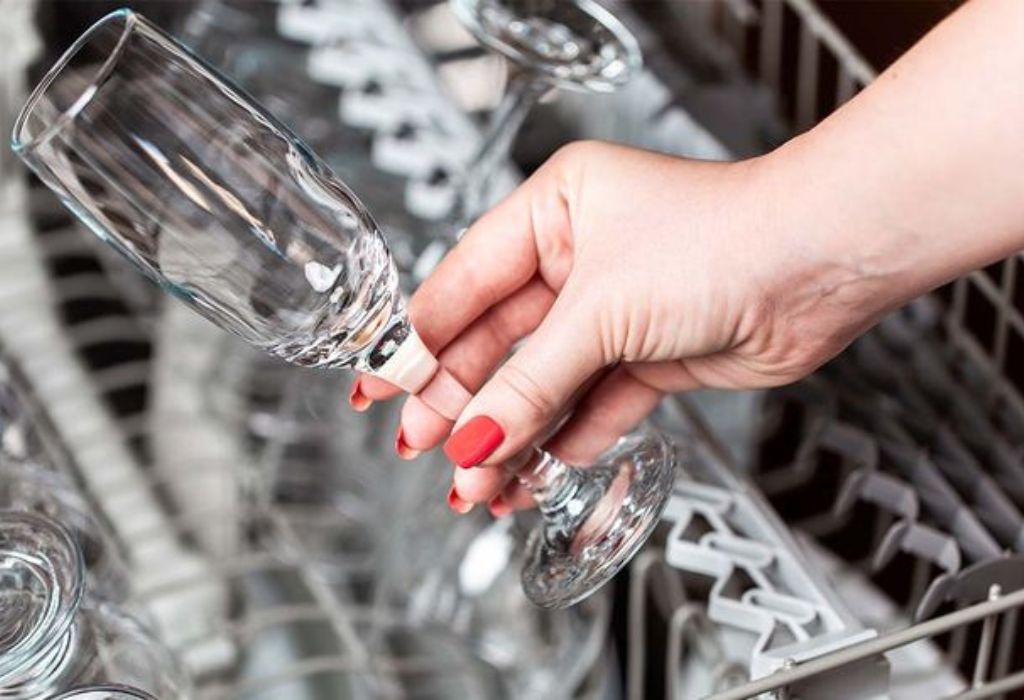
Sometimes, no matter how carefully you clean, certain glasses never regain their shine. This happens when the cloudy appearance isn’t from film but from etching. Etching is a permanent condition where the glass surface becomes worn or pitted, often due to harsh detergent, overly hot water, or years of exposure to hard minerals.
You can tell a glass is etched when the cloudiness does not disappear after cleaning or soaking in vinegar. Etched glasses often look dull and feel slightly rough to the touch instead of smooth. Unlike film, which sits on the surface, etching changes the texture of the glass itself, making it impossible to restore full clarity.
If most of your glassware shows these signs, it may be time to replace them. Older glasses, or cheaper types made from thinner material, are more likely to develop etching over time. Replacing them with dishwasher-safe or tempered glass can help prevent the same problem in the future.
To protect new glasses, use a gentle dishwasher detergent, limit high-heat drying cycles, and always include rinse aid to help water glide off. You can also alternate between hand washing and dishwashing to extend their lifespan.
While it may be disappointing to replace etched glasses, doing so ensures your tableware looks clean, bright, and professional. Clear glasses not only look better but also enhance your dining experience by letting you see drinks and reflections beautifully.
Replacing damaged glassware is a small but worthwhile step toward maintaining a spotless kitchen and preventing further frustration.
Frequently Asked Questions-how to clean glasses with dishwasher film
What causes dishwasher film on glasses?
Dishwasher film is usually caused by hard water minerals like calcium and magnesium mixing with leftover detergent. Over time, this combination leaves a cloudy or chalky coating on the glass surface.
How can I remove dishwasher film from glasses naturally?
Soak your glasses in a mixture of equal parts warm water and white vinegar for 10 to 15 minutes. Then, gently scrub with a soft sponge, rinse well, and dry with a lint-free cloth.
Can baking soda help clean cloudy glasses?
Yes, baking soda works as a gentle abrasive that removes stubborn film without scratching. Mix it with water to form a paste, rub gently on the glass, rinse thoroughly, and dry.
Is the cloudiness on glasses permanent?
Not always. If it disappears after wiping with vinegar, it’s just film. But if it stays, it’s likely etching, a permanent change in the glass surface caused by harsh detergent or high heat.
How often should I clean my dishwasher to prevent film?
Clean your dishwasher once a month using a hot cycle with a cup of vinegar in the bottom. This removes grease, detergent residue, and mineral buildup that can cause film on glasses.
What’s the best way to prevent cloudy glasses in the future?
Use rinse aid regularly, measure detergent properly, and clean your dishwasher monthly. If you have hard water, consider using dishwasher salt or a water softener.
Can I use lemon juice instead of vinegar?
Yes, lemon juice is a natural cleaner with citric acid that breaks down mineral deposits effectively. It also leaves your glasses smelling fresh and looking shiny.
Why do my glasses still look dull after cleaning?
If your glasses remain cloudy even after soaking in vinegar, the dullness may be from etching rather than film. Etching is irreversible, and replacing the glassware is the only solution.
Should I hand wash glasses instead of using the dishwasher?
Occasional hand washing helps preserve glass clarity, especially for delicate or thin glassware. However, using rinse aid and mild detergent in the dishwasher is safe for most glass types.
Can dishwasher cleaner tablets help remove film?
Yes, running an empty hot cycle with a dishwasher cleaner tablet removes buildup inside the machine, preventing residue from transferring onto your glassware.
Does hard water make dishwasher film worse?
Absolutely. Hard water contains more minerals that stick to glass surfaces. Installing a water softener or using dishwasher salt can greatly reduce the chances of cloudy buildup.
What type of detergent should I use to avoid film?
Choose a high-quality, low-phosphate detergent and avoid using too much. Liquid or gel detergents dissolve faster and are less likely to leave residue compared to powdered ones.
Conclusion
Nothing is more frustrating than opening your dishwasher to find cloudy, dull glasses instead of the crystal-clear shine you expect. Fortunately, knowing how to clean glasses with dishwasher film can bring them back to life quickly and safely using simple household products like vinegar, baking soda, and lemon juice.
The key to success is understanding what you are dealing with. Most cloudy residue is caused by mineral buildup or detergent film, both of which can be easily removed. However, if the dullness remains even after cleaning, it’s likely due to etching, which is a permanent surface change. Learning to identify the difference saves time and ensures you use the right approach every time.
Once your glasses are spotless again, prevention becomes the real goal. Regular dishwasher maintenance, proper detergent use, and consistent use of rinse aid all help prevent film from returning. A monthly vinegar rinse cycle also keeps your dishwasher fresh and reduces mineral deposits inside the machine.
It’s amazing how small habits can make such a big difference. Taking just a few minutes each month to maintain your dishwasher ensures your glasses stay brilliant, your appliance lasts longer, and your water stays cleaner. Clear glassware doesn’t just look better; it reflects the care and attention you give to your kitchen.
So, the next time you notice cloudy glasses after a wash, don’t toss them aside. Follow these simple steps, let vinegar and baking soda do their magic, and watch your glassware shine again. With regular care, your glasses will remain as clear as the day you bought them, ready to sparkle after every wash.

I’m Emma J. Caldwell, the founder, lead writer, and home-cooking enthusiast behind KitchenGuideCo.com. With a background in culinary arts and over a decade of cooking experience in both professional and personal kitchens, I created this platform to demystify recipes, offer smart kitchen gadget reviews, and guide readers through meal prep with confidence and clarity.