That favorite baseball cap you never want to be without has seen better days. It’s covered in sweat stains from summer afternoons and has developed a less-than-fresh odor.
The thought of hand-washing it seems tedious and time-consuming. Throwing it in the washing machine, however, feels like a surefire way to ruin its perfect shape.
You are faced with a common dilemma for hat lovers everywhere. How do you effectively clean a structured hat without destroying it in the process?
What if we told you one of the easiest and most effective cleaning tools was already in your kitchen? Believe it or not, your dishwasher can be the secret to restoring your cherished headwear.
This comprehensive guide will walk you through exactly how to clean hats in the dishwasher safely. We will cover which materials are safe, provide a foolproof step-by-step method, and reveal crucial drying tips.
You will learn how to banish grime and odors without compromising your hat’s structure. Let’s dive in and bring your favorite cap back to life.
Is It Really Safe to Wash a Hat in the Dishwasher?

The short answer is a cautious “yes,” but this method requires specific conditions. It is not a universal solution for every type of hat in your collection.
The key to success lies in understanding your hat’s material and structure. A dishwasher provides a gentle, contained wash cycle that can be ideal for certain sturdy caps.
This appliance cleans using targeted water jets and mild heat, which is less abrasive than a washing machine’s agitator. The top rack, in particular, offers a safe zone away from the intense bottom-heating element.
However, the heat and water can be disastrous for delicate materials like wool or structured hats with stiffeners. Always verifying your hat’s composition is the most critical first step before proceeding.
Which Hats Are Dishwasher-Safe? A Material Guide
Not all hats can survive a journey through your dishwasher’s cleaning cycle. The material your hat is made from is the single most important factor determining its dishwasher safety.
Using the wrong cleaning method can permanently destroy your favorite headwear’s shape and color. Always begin by checking the manufacturer’s care label inside the hat before proceeding.
Hats You CAN Wash in the Dishwasher
Structured cotton or polyester baseball caps are the best candidates for dishwasher cleaning. Their durable fabric and firm brims can typically withstand a gentle cycle without losing shape.
Modern synthetic materials like nylon and polyester blends often handle dishwasher cleaning well. These fabrics are designed to be durable and colorfast against water and mild detergents.
Some synthetic straw and paper braid hats may survive a gentle dishwasher cycle. However, you must always check the manufacturer’s specific care instructions first.
Hats You Should NEVER Wash in the Dishwasher
Never place wool or natural felt hats in the dishwasher under any circumstances. The combination of water, heat, and agitation will cause severe shrinking and felting.
Leather, suede, and any hats with non-fabric decorations should be kept away from dishwashers. Water will ruin these materials beyond repair.
Vintage hats and those with cardboard or paper interior structure will be destroyed instantly. The water will dissolve any internal stiffening materials completely.
Hats with permanent folds, intricate shaping, or glued components cannot handle dishwasher conditions. The heat and moisture will compromise their structural integrity permanently.
Pre-Cleaning Checklist: Getting Your Hat Ready
Always begin by checking the manufacturer’s care label inside the hat first. This simple step can prevent irreversible damage to your favorite headwear.
Perform a thorough visual inspection of the entire hat before proceeding. Look for any loose threads, weak seams, or pre-existing damage that could worsen during cleaning.
Test the hat’s colorfastness by dabbing a small, hidden area with a damp white cloth. If any color transfers onto the cloth, do not proceed with dishwasher cleaning.
Use a soft-bristled brush to remove any surface dirt or loose debris. This preliminary step prevents loose grime from circulating in the dishwasher.
Ensure any adjustable straps or metal closures are securely fastened. This prevents them from snagging on the dishwasher rack during the cycle.
Check for any non-fabric elements like pins, patches, or decorative elements. Remove them if possible, as they may not be dishwasher-safe.
How to Clean Hats in the Dishwasher: The 5-Step Method
Follow this detailed method carefully to ensure optimal cleaning results. Proper technique is crucial for maintaining your hat’s shape and structure.
Step 1: Secure the Hat on the Top Rack
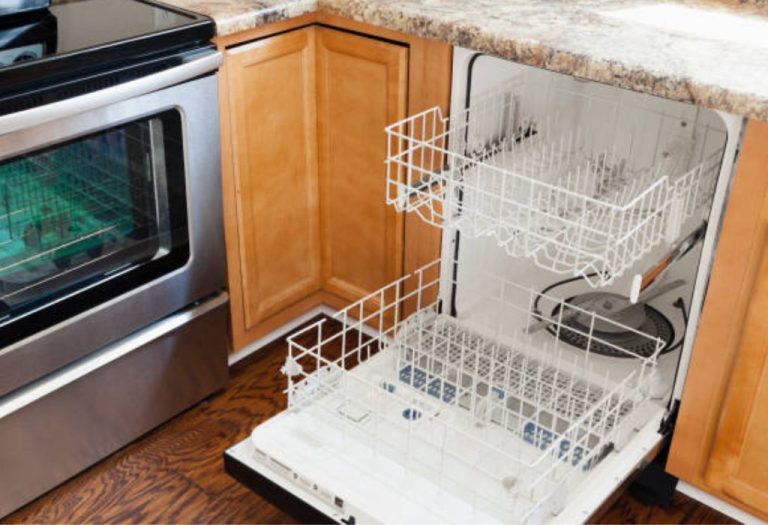
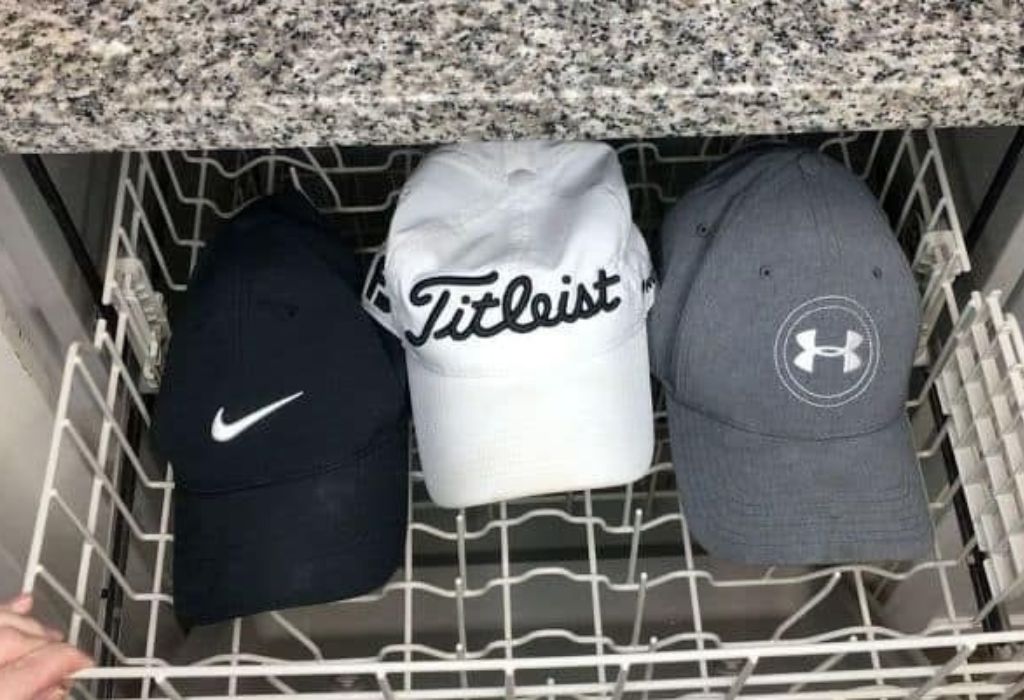
Always place your hat on the top rack of the empty dishwasher. This position keeps it furthest from the heating element and powerful spray jets.
Use a specially designed hat cage or form to maintain its structure during the cycle. If you don’t have one, you can carefully nestle the hat between the rack tines, ensuring the brim maintains its shape.
Step 2: Add a Small Amount of Detergent
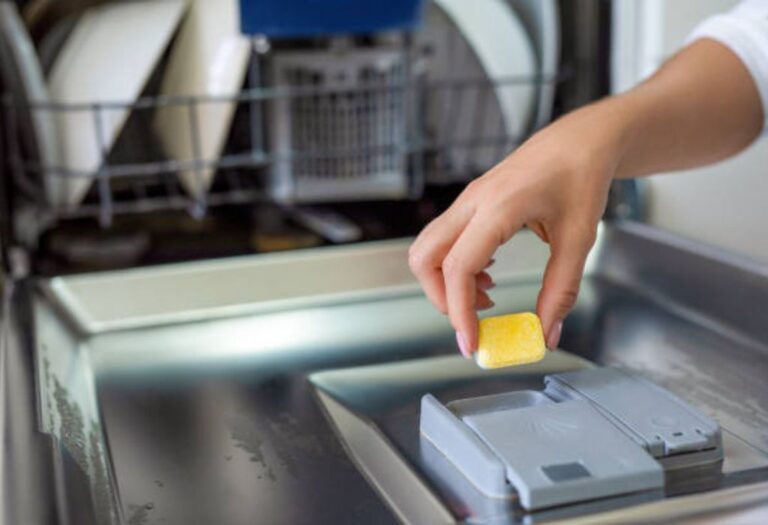
Use only a small amount of mild, powder, or pod dishwasher detergent. Approximately one tablespoon is typically sufficient for cleaning a single hat.
Crucially avoid using liquid dish soap or laundry detergent in this process. These products create excessive suds that can damage your dishwasher and leave residue on your hat.
Step 3: Select the Correct Dishwasher Settings
Select a gentle, cool, or cold water cycle for the washing process. These settings provide effective cleaning without exposing the hat to harsh conditions.
You must select the “NO HEAT DRY” or “Air Dry” option to complete the cycle. This prevents warping and shrinkage that would occur with standard heat drying.
Step 4: The Post-Wash Inspection and Reshaping
Remove the hat immediately once the cycle completes to assess its condition. Prompt action allows you to address any shape issues while the material is still pliable.
Gently reshape the brim and crown with your hands while the hat remains damp. Pay special attention to restoring the original contours and curves of the hat.
Step 5: The Right Way to Air Dry Your Hat
Allow the hat to air dry completely in a well-ventilated area away from direct heat. Never place it in a clothes dryer or use a hair dryer to speed up the process.
For baseball caps, stuff the crown with a clean towel or use a specialized hat form during drying. This technique helps maintain the hat’s structure and prevents shrinkage as it dries.
Alternative Hat Cleaning Methods for Delicate Materials
Some hats require gentler cleaning methods than even a dishwasher’s delicate cycle can provide. Understanding these alternatives will help you preserve your most delicate headwear.
The Hand-Washing Method for Wool and Delicate Hats
Fill a clean sink or basin with cool water and add a small amount of mild detergent. Wool-specific detergents like Woolite are ideal for preserving natural fibers.
Gently swish the hat through the water, paying special attention to stained areas. Never scrub or wring the material, as this can cause felting or misshaping.
Rinse thoroughly with cool, running water until all soap residue disappears. Gently press the hat against the sink to remove excess water without twisting.
Roll the damp hat in a clean, absorbent towel to remove additional moisture. Then place it on a hat form or can to air dry, reshaping it as needed.
Spot Cleaning for Minor Stains and Dust
For small, localized stains, create a mild cleaning solution with cool water and dish soap. Use a soft-bristled toothbrush to gently work the solution into the stain.
Always work from the outside of the stain toward the center to prevent spreading. Blot frequently with a clean cloth to lift the stain from the material.
For dust on felt or straw hats, use a lint roller or packing tape. Gently dabbing with the sticky surface will lift particles without pushing them deeper into the material.
A soft-bristled clothes brush can also effectively remove surface dust and lint. Always brush in the direction of the nap or weave to avoid damaging the material.
FAQs About Washing Hats in the Dishwasher
Will the dishwasher ruin the bill of my baseball cap?
No, if properly secured in a hat cage on the top rack, the bill will maintain its shape. The key is using the no-heat dry setting to prevent any warping from heat exposure.
Can I wash multiple hats at once in the dishwasher?
Yes, you can wash 2-3 hats simultaneously if your dishwasher has sufficient space. Ensure they are not touching and each has its own secure position on the top rack.
Should I put the hat on the top or bottom rack?
Always use the top rack exclusively for washing hats. The bottom rack is too close to the heating element and receives more direct, forceful water spray.
What is a hat cage, and do I need one?
A hat cage is a plastic form designed to protect your hat’s shape during washing. While not absolutely mandatory, it’s highly recommended for optimal results with structured caps.
Can I use vinegar instead of detergent?
White vinegar can be used in the rinse cycle to eliminate odors, but it shouldn’t replace detergent for cleaning. Use about 1/4 cup in a separate rinse cycle for best results.
My hat came out with a white residue. What happened?
This is detergent residue from using too much soap or the wrong type of detergent. Rewash the hat using no detergent to rinse out the residue completely.
How often should I wash my hats this way?
Limit dishwasher cleaning to once every few months or only when visibly soiled. Frequent washing will accelerate normal wear and tear on any hat.
Can I wash a hat with a leather or suede strap?
No, you should never wash leather or suede components in the dishwasher. Remove the strap if possible, or choose an alternative cleaning method.
What if my hat has an adjustable plastic strap?
Most plastic straps are dishwasher-safe, but secure them completely before washing. This prevents them from snapping around during the cycle.
Will embroidery or logos be damaged?
Quality embroidery typically withstands dishwasher cleaning without issues. However, cheaply printed logos might crack or peel over time.
Can I add other items to the load with my hat?
It’s best to run the dishwasher empty except for the hat. Adding dishes could lead to detergent spots or physical damage to your hat.
What water temperature is safest?
Always use the cool or cold water setting for washing hats. Hot water can cause colors to bleed and certain materials to shrink.
How do I prevent color fading?
Washing inside a hat cage and using cold water helps minimize color fading. Also, always air dry away from direct sunlight.
My hat shrank slightly – can I fix this?
You can try gently stretching the damp hat over a hat form or can. However, significant shrinkage is usually permanent with natural fibers.
Is this method safe for vintage hats?
No, vintage hats should always be hand-washed or professionally cleaned. Their materials are often more fragile and susceptible to damage.
Conclusion
Learning how to clean hats in the dishwasher provides an excellent solution for refreshing sturdy caps and baseball hats. This method can effectively extend the life of your favorite headwear when performed correctly.
Always remember that this technique works best for structured, synthetic materials like polyester and cotton blends. More delicate materials require gentler hand-washing or professional cleaning methods.
The key to success lies in proper preparation and using the right dishwasher settings. Securing your hat’s shape and avoiding heat during drying are non-negotiable steps.
By following the guidelines in this article, you can confidently maintain your hat collection. Your headwear will remain fresh, clean, and perfectly shaped for years to come.
Make hat maintenance a regular part of your cleaning routine. This simple habit will ensure your caps always look their best when you wear them.

I’m Emma J. Caldwell, the founder, lead writer, and home-cooking enthusiast behind KitchenGuideCo.com. With a background in culinary arts and over a decade of cooking experience in both professional and personal kitchens, I created this platform to demystify recipes, offer smart kitchen gadget reviews, and guide readers through meal prep with confidence and clarity.