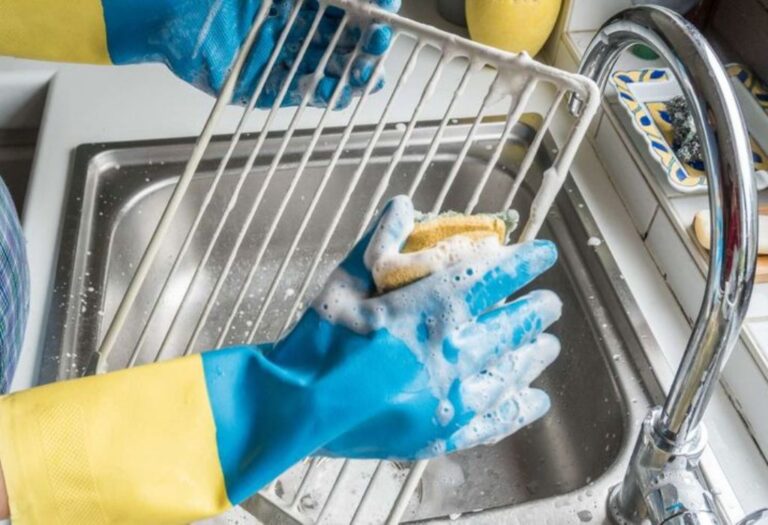
Getting into juicing is awesome, but the thought of cleaning up can seem like a real chore! The biggest hurdle for many people is figuring out how to clean juicer daily quickly and completely. This can be tricky, especially with all the different parts and leftover pulp. Don’t worry, though! It doesn’t have to be a headache. This guide breaks down the whole process into easy-to-follow steps, so you can enjoy fresh juice without dreading the cleanup. You will see how simple it is!
Key Takeaways
- Knowing how to clean juicer daily keeps your juicer in top condition.
- You’ll learn the steps needed to clean different juicer types.
- Discover the best tools and cleaning solutions to use.
- Learn common mistakes to avoid during the cleaning process.
- Find out how to clean those hard-to-reach spots efficiently.
- Gain tips for maintaining your juicer for the long haul.
Why Cleaning Your Juicer Matters
Regular maintenance is important for everything. If you skip cleaning, your juicer can get all sorts of things growing inside it, like bacteria and mold. This is a big health risk! Also, old pulp and juice can dry up and make the parts harder to clean. This can cause the machine to work less efficiently and impact the quality of the juice you make. Consistent cleaning prevents this and guarantees that your juice will always be delicious and healthy.
The Benefits of Cleanliness
- Improved Juice Quality: A clean juicer delivers better-tasting juice. Old pulp can affect the flavor.
- Extended Juicer Lifespan: Taking care of your juicer can help it work for a longer time. Regular cleaning keeps parts from getting damaged, and protects the motor.
- Reduced Risk of Health Issues: Cleaning stops the growth of bacteria and mold. This is important for your health and well-being.
- More Efficient Operation: The juicer will function at its best. Dried pulp or residue can clog the juicer and make it less efficient.
Cleanliness keeps the juice tasting fresh and pure. It also helps to prevent cross-contamination of flavors, so you can taste each ingredient.
Regular maintenance of appliances is beneficial. By removing pulp and fruit pieces, you reduce wear and tear. This helps you to save money in the long run.
Mold and bacteria can grow quickly in a dirty juicer. Regular cleaning prevents health risks from contaminants in the juice. This is really important to keep you and your family safe.
Clean parts allow the juicer to operate smoothly. This means it extracts more juice from fruits and vegetables. You get the most out of your ingredients and save money.
How to Clean Juicer Daily: Step-by-Step Guide
Cleaning your juicer might seem hard, but it’s really not! It’s important to know the right methods for your juicer type, to keep it clean and working well. Following a step-by-step guide can make it super easy. It also makes the process quicker, and helps you form a good habit. Here’s a basic guide.
Pre-Cleaning Preparation
- Unplug the Juicer: This is the first and most important step to prevent accidents. Safety should always come first.
- Disassemble the Parts: Take apart all the removable parts of the juicer. This includes the feeding chute, blades, strainer, pulp container, and juice container.
- Gather Your Supplies: Collect warm water, dish soap, a cleaning brush, and a soft cloth or sponge. These are the basic supplies to clean the juicer.
Before you even think about cleaning, make sure your juicer is unplugged. This removes any risk of electric shock. This is an important part of the cleaning routine.
Carefully take the parts off the juicer. Place them on the countertop or in the sink, ready for cleaning. This is the first important step, and ensures all areas of the juicer can be reached.
Having everything ready saves time and ensures a smooth cleaning. Prepare your supplies so you have everything ready for each step. This makes the process much more efficient.
The Cleaning Process
- Rinse Immediately: After juicing, rinse all parts under warm water. This removes loose pulp and juice residue.
- Wash with Soap and Water: Use warm water and dish soap to clean each part individually. Use the cleaning brush to scrub off any pulp or residue.
- Clean the Base (if necessary): Wipe down the juicer base with a damp cloth if there are any spills. Never immerse the base in water.
- Rinse Thoroughly: Rinse each part of the juicer with clean water. Make sure all soap is removed to prevent it from affecting the taste of future juice.
- Dry Completely: Use a soft cloth to dry all parts of the juicer before reassembling. This prevents water spots and helps to keep the parts in good condition.
The best time to clean is right after juicing. This prevents residue from drying and sticking to the parts. It makes your work much easier.
Wash each part with soap and water to remove any leftover bits. Pay attention to the strainer and blades, as these parts can trap food. You can use a soft brush or sponge to assist.
Some juicers are very sensitive to water. If you get juice on the base, just wipe it down with a damp cloth. Never put it under running water to prevent damage.
It’s important to remove all the soap because it can change the taste of your juices. Rinse thoroughly to ensure no soap residue is left on the parts.
Drying the parts stops water spots and helps prevent rust. Make sure the parts are totally dry before putting them back together. Then, the juicer will be ready for the next use.
Dealing with Stubborn Residue
- Soaking: If you have stuck-on pulp, soak the parts in warm, soapy water for 15-30 minutes. This will help to loosen any stuck pieces.
- Special Brushes: Use cleaning brushes to get into tight spaces and remove hard-to-reach residue. These brushes are great for the strainer and blades.
- Baking Soda Paste: Make a paste of baking soda and water. Apply this to stained areas and let it sit for a few minutes before scrubbing. Baking soda is a safe and effective cleaner.
Soaking helps to soften any dried-on residue. This can save you time and effort when you are scrubbing. Don’t leave parts soaking for too long, as they can be damaged.
Different brushes can help clean these spots. Make sure you use a brush that is made for juicers to avoid scratching the parts.
Baking soda is a great cleaning option and a good way to remove stains and stubborn residue. Make the paste and apply it to areas that need extra attention.
Juicer Types and Cleaning Tips
The type of juicer you have matters when it comes to cleaning. Different juicers have different designs and parts. Understanding the steps for your specific machine will help you keep it clean and extend its life. Here’s a look at common juicer types and their cleaning needs.
Centrifugal Juicers
Centrifugal juicers are popular and easy to use. They extract juice quickly using a spinning blade. They typically have a few parts, which make them easy to clean. Regular care and cleaning will keep them working well for you.
- Quick Rinse: Rinse parts immediately after use. This helps to remove loose pulp before it dries.
- Dish Soap: Wash parts with warm, soapy water, using a brush for the strainer. This keeps parts of the juicer fresh and prevents any bacteria build-up.
- Dry Thoroughly: Dry all parts completely before reassembling. This stops water spots and helps prevent any rust from forming.
Rinsing is a simple first step that helps prevent pulp from sticking to the parts. Running water immediately after juicing makes the cleaning process easier.
Use a brush to clean the strainer. Pay attention to the blades where the pulp tends to collect. Washing removes any trapped food particles and keeps your juicer sanitary.
Make sure the parts are dry before putting them back together. This ensures your juicer stays in good condition and prevents any potential damage.
Masticating (Slow) Juicers
Masticating juicers use a slow-squeezing method to extract juice. This process extracts more nutrients. These juicers have more parts than centrifugal juicers, so cleaning can be a bit more involved. With the right techniques, cleaning is still easy.
- Disassemble Carefully: Take apart the parts, paying attention to the auger and screen. Careful disassembly helps prevent damage to the juicer parts.
- Soaking: Soak parts in warm, soapy water to loosen pulp. This helps get rid of any residue that can be difficult to remove.
- Brush and Rinse: Use brushes to clean all parts, paying attention to the auger and screen. Make sure you get all residue out.
Take care when taking the juicer apart, especially the auger, as these are critical to the function of the machine. Taking care while disassembling will prevent any damage.
Soaking the parts can loosen the pulp. This makes it easier to remove residue. Try soaking for about 15-20 minutes, then scrub.
Use small brushes to remove any pulp trapped in the screen. Rinse everything well to remove soap residue. Ensure all parts are thoroughly clean for the best juicing experience.
Twin Gear Juicers
Twin gear juicers use two gears to extract juice. They extract a lot of nutrients. The parts of these juicers are different, and cleaning involves a more detailed process.
- Disassembly: Take apart all parts, including the gears and housing. This is a bit different from other types of juicers.
- Scrub the Gears: Use a brush to clean the gears. You may need a brush to get between the gears and remove pulp.
- Rinse and Dry: Rinse everything, and dry all the parts completely before putting them back together. Ensure that the juicer is ready for its next use.
The gears are the main part that extracts juice, so you need to be careful with them. Take care when disassembling to prevent any damage to the gears.
Getting in between the gears is important, so ensure you have the right brushes to do that. Make sure you are scrubbing the gears to remove any pulp.
Ensure that all parts are totally dry to stop the growth of bacteria and prevent any damage to the juicer. This helps the juicer work efficiently.
Common Mistakes to Avoid
Knowing what not to do when cleaning a juicer can be just as important. Some mistakes can damage your juicer or make it harder to clean. It’s helpful to know what to avoid. These simple tips can help protect your juicer.
Incorrect Cleaning Methods
- Harsh Detergents: Avoid using harsh chemicals or abrasive cleaners. These can scratch or damage the plastic parts.
- Dishwasher Usage: Check your juicer’s manual for dishwasher safety. Some parts are not dishwasher-safe.
- Immersing the Base: Never put the juicer base under water. Water can damage the electrical components.
Harsh cleaners can scratch your juicer and affect its look. Use mild soap to keep your juicer in good condition.
Some parts can warp or get damaged in the dishwasher. Check your manual to make sure which parts can go in the dishwasher.
The base of a juicer has sensitive electronics. Keep it dry to prevent damage. Wipe it down with a damp cloth instead.
Neglecting Key Cleaning Steps
- Delaying Cleaning: Clean your juicer as soon as possible after juicing. Dried pulp is hard to get rid of.
- Skipping Rinsing: Rinsing the parts before washing is helpful. This removes loose pulp.
- Not Drying Completely: Drying all parts well prevents mold and rust. This maintains the quality of the juicer.
Cleaning right after use prevents the residue from drying. It makes your work much easier. It saves time and effort.
Rinsing prevents the pulp from sticking. This simple step can make the washing process easier. It removes pulp quickly.
Drying stops any build-up and keeps your juicer in good shape. It keeps everything clean and helps prevent any rust.
Efficient Cleaning Techniques
Cleaning your juicer can be faster and easier with the right techniques. You can make it a quick part of your daily routine with a few easy tips. These tips will help you clean your juicer properly.
Quick Cleaning Tips
- Immediate Rinse: Rinse all parts immediately after each use. This stops pulp from drying and sticking.
- Pre-Soaking: For stubborn residue, soak the parts in warm, soapy water before washing. Soaking can loosen dried pulp and residue.
- Organized Supplies: Keep cleaning supplies near your juicer. This saves time and ensures a quick cleanup.
Rinsing keeps pulp from drying on the parts. It makes your work much easier. It’s a key part of quick cleaning.
Soaking helps soften any dried-on residue. It makes scrubbing easier. Try soaking for about 15-20 minutes.
Having everything ready helps make the process smoother. Get your supplies ready before you start to juice.
Maintaining Cleanliness
- Regular Deep Cleans: Besides daily cleaning, do a deep clean weekly. This removes any build-up and keeps your juicer hygienic.
- Proper Storage: Store your juicer parts in a dry place after cleaning. This keeps the parts ready for their next use.
- Follow the Manual: Always read and follow your juicer’s instructions. This helps ensure proper cleaning.
Deep cleaning is a must for your juicer. This will keep your juicer in great shape. Take apart all the parts for this cleaning.
Dry storage prevents mold and keeps your juicer safe. You’ll ensure your juicer is ready for its next use. It also keeps parts in good condition.
Each juicer is a bit different. Your manual has great information, so review it to see what you need to do.
Troubleshooting Common Juicer Cleaning Problems
Sometimes, you might run into problems when you are cleaning your juicer. If you know how to handle these issues, cleaning will be easier. Some of the problems are simple to fix and get you juicing again fast.
Dealing with Stubborn Stains and Odors
- Vinegar Solution: For tough stains, use a vinegar and water solution. Vinegar can help remove stains and odors.
- Baking Soda: Baking soda is great for getting rid of smells. It also helps to absorb odors and keep your juicer fresh.
- Citrus Rinds: Rub citrus rinds to remove odors. Citrus is a natural deodorizer and can leave a fresh scent.
Vinegar is a safe and effective way to clean and disinfect your juicer. Mix vinegar with water to make a cleaning solution.
Baking soda can help to get rid of any lingering smells in the juicer. Make a paste of baking soda and water and use it to scrub parts.
Citrus rinds are a fresh way to keep your juicer smelling great. Rub citrus rinds to clean and deodorize at the same time.
Juicer Cleaning Frequency
A consistent cleaning schedule keeps your juicer in its best condition. If you want to use the juicer more, you have to think about how often to clean it. Proper cleaning habits help maintain juicer performance.
- Daily Cleaning: Rinse and clean parts after each use. This is helpful to keep everything fresh and working properly.
- Weekly Deep Cleans: Once a week, take apart the juicer and clean all parts thoroughly. This helps remove any build-up and keeps your juicer working well.
- As Needed: If you notice stains or odors, clean the juicer immediately. Address any problems right away.
You should clean your juicer every time you use it. This prevents pulp from sticking and helps to prevent build-up.
A weekly deep clean is important for keeping your juicer hygienic. You can take apart the parts for detailed cleaning.
When you see problems like stains or odors, address them right away. This will prevent build-up and ensure your juicer stays in good condition.
Frequently Asked Questions
Question: How often should I clean my juicer?
Answer: Clean your juicer right after each use. A deep clean once a week will remove any buildup.
Question: Can I put all the juicer parts in the dishwasher?
Answer: Check your juicer’s manual. Some parts are dishwasher-safe, while others need to be hand-washed.
Question: What’s the best way to remove pulp from the strainer?
Answer: Use a small cleaning brush to gently scrub the strainer. Soaking can help loosen pulp.
Question: How do I get rid of bad smells in my juicer?
Answer: Use baking soda paste or a vinegar solution to clean and deodorize. You can also rub citrus rinds on the parts.
Question: Is it okay to use harsh chemicals to clean my juicer?
Answer: No, avoid harsh chemicals or abrasive cleaners. Use mild dish soap and warm water.
Final Thoughts
So, you see? Learning how to clean juicer daily doesn’t have to be a big deal. With the right steps, you can keep your juicer clean, working well, and giving you fresh juice every day. It all starts with rinsing the parts right after you finish juicing. Use a brush to remove any stubborn bits, and then let everything dry before putting it back together. Remember to check your juicer’s manual for its care instructions.
Make cleaning a part of your daily routine. This guarantees that your juicer will always be ready to make your favorite juices. Enjoy your healthy habits, and you’ll see your juicer last for a long time. Now, go make some juice and make cleaning easy!

I’m Emma J. Caldwell, the founder, lead writer, and home-cooking enthusiast behind KitchenGuideCo.com. With a background in culinary arts and over a decade of cooking experience in both professional and personal kitchens, I created this platform to demystify recipes, offer smart kitchen gadget reviews, and guide readers through meal prep with confidence and clarity.