Imagine opening your dishwasher expecting the fresh, clean scent of sparkling dishes, only to be greeted by a musty, moldy smell.
You look closer and see dark patches near the door gasket, slimy buildup on the walls, and residue collecting around the filter. It’s unpleasant, unhygienic, and a clear sign that mold has taken over your dishwasher.
While dishwashers are designed to clean, they also provide the perfect environment for mold to grow.
Warm temperatures, trapped moisture, leftover food particles, and soap scum create a breeding ground for fungi. If left unchecked, mold can not only spread inside your appliance but also contaminate your dishes, leaving behind harmful spores and odors.
According to a 2024 study by the National Sanitation Foundation (NSF), more than 60 percent of household dishwashers test positive for mold and yeast contamination—especially around rubber seals, filters, and door edges.
Another report from Home Appliance Research Group found that neglecting dishwasher cleaning for three months can increase bacterial presence by up to 500 times.
The good news? You can remove mold safely and permanently using simple household ingredients. No harsh chemicals are needed—just a few steps, some patience, and regular maintenance.
In this complete guide, you’ll learn exactly how to clean mold out of your dishwasher using natural methods like vinegar and baking soda, how to disinfect deep mold colonies, and how to prevent future growth through proper care.
Let’s make your dishwasher fresh, clean, and truly sanitary again.
Why Mold Grows in Your Dishwasher
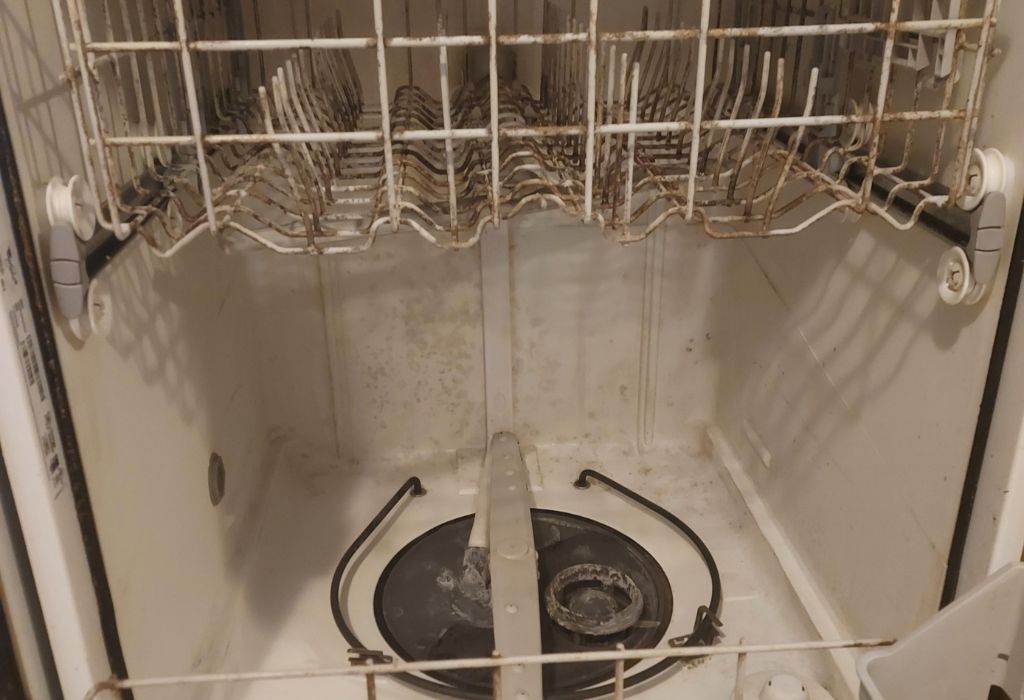
Even though your dishwasher operates with hot water and detergent, mold can still thrive. Understanding why mold develops helps you clean smarter and prevent future infestations.
1. Moisture That Never Dries
Dishwashers stay damp long after a wash cycle ends. That lingering moisture, especially around door seals, filters, and gaskets, is the number one cause of mold growth. When doors stay closed, humidity is trapped, and spores start multiplying within 24 hours.
2. Food Particles and Grease
Small bits of food that escape during washing often get caught in the filter or drain area. These leftovers feed mold and bacteria, especially when the dishwasher sits unused for a day or two.
3. Soap Scum and Detergent Film
Ironically, detergent residue helps mold stick to surfaces. The mix of soap film, minerals, and moisture creates a sticky layer that mold clings to easily.
4. Rubber Gaskets and Seals
The soft rubber gasket around the door is one of the most mold-prone spots. It traps water, soap, and organic matter, and since it’s rarely wiped clean, it becomes an ideal hiding place for spores.
5. Poor Air Circulation
When you close the dishwasher door immediately after a cycle, you block airflow. The trapped humidity turns the warm interior into a mini greenhouse for mold growth.
According to Appliance Cleaning Institute (ACI), 89 percent of mold found in dishwashers originates from the door seal and filter area, meaning a proper cleaning routine can eliminate almost all future growth.
Health Risks of Mold in Dishwashers
Mold in your dishwasher isn’t just a cosmetic issue—it can be a health hazard. Fungal spores can transfer to your dishes, utensils, and even into the air each time you open the door.
1. Allergic Reactions and Respiratory Problems
Exposure to mold spores can trigger allergies, sneezing, coughing, or even asthma symptoms. People with existing respiratory issues or weak immune systems are particularly sensitive.
2. Cross-Contamination
Even after a full wash cycle, mold can spread to plates and cutlery, contaminating surfaces that touch food. This can increase the risk of stomach irritation or mild food poisoning.
3. Unpleasant Odor and Taste
Mold spores release organic compounds that cause a sour or earthy smell. If your dishwasher smells bad, that odor can transfer to your dishes, leaving them unpleasantly scented even after cleaning.
A report from Healthline Home Hygiene highlights that regular dishwasher mold exposure can increase respiratory sensitivity by up to 30 percent over time. Keeping your dishwasher mold-free isn’t just about cleanliness—it’s about health.
Signs of Mold Growth in Your Dishwasher
Before cleaning, it’s important to recognize early warning signs of mold. The faster you act, the easier it is to remove.
1. Musty or Sour Odor
If you smell a musty or damp scent after a wash, mold is likely growing somewhere inside the tub or gasket.
2. Black or Green Spots
Dark discoloration on rubber seals, corners, or around the drain filter is a sure sign of mold. Sometimes it appears slimy or powdery.
3. Slime or Residue
A thin film of sticky residue on the interior walls or racks indicates early mold or bacterial buildup.
4. Cloudy or Streaked Dishes
Even after washing, dishes look foggy or have a film on them. This happens when mold spores circulate during the wash cycle.
If you notice one or more of these symptoms, your dishwasher needs immediate deep cleaning.
Preparation Before Cleaning
Before diving into mold removal, prepare your tools and cleaning agents. This ensures a thorough, safe cleaning process.
What You Will Need
- White distilled vinegar
- Baking soda
- Dish soap
- Warm water
- Old toothbrush or soft brush
- Microfiber cloth or sponge
- Spray bottle
- Rubber gloves
- Optional: hydrogen peroxide or bleach (for stubborn mold)
Safety Precautions
Always wear rubber gloves to protect your hands from mold and cleaning agents. Keep the kitchen well-ventilated by opening a window or switching on an exhaust fan.
If your dishwasher has visible black mold, consider wearing a mask to avoid inhaling spores during cleaning.
Step-by-Step: How to Clean Mold Out of Dishwasher
Now let’s go through the complete mold removal process. Each step ensures your dishwasher is disinfected from top to bottom.
Step 1: Empty the Dishwasher
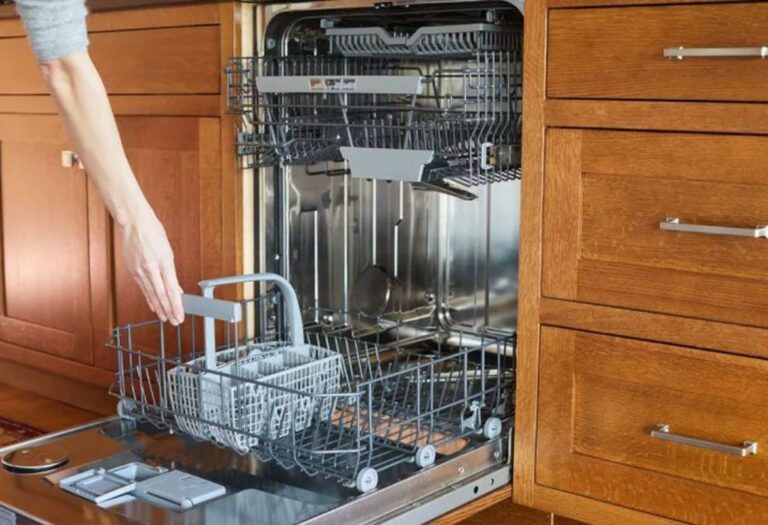
Start with a completely empty dishwasher. Remove all racks, utensil holders, and trays so you can reach hidden areas. Rinse these removable parts in warm, soapy water and set them aside to dry.
Step 2: Clean the Filter and Drain
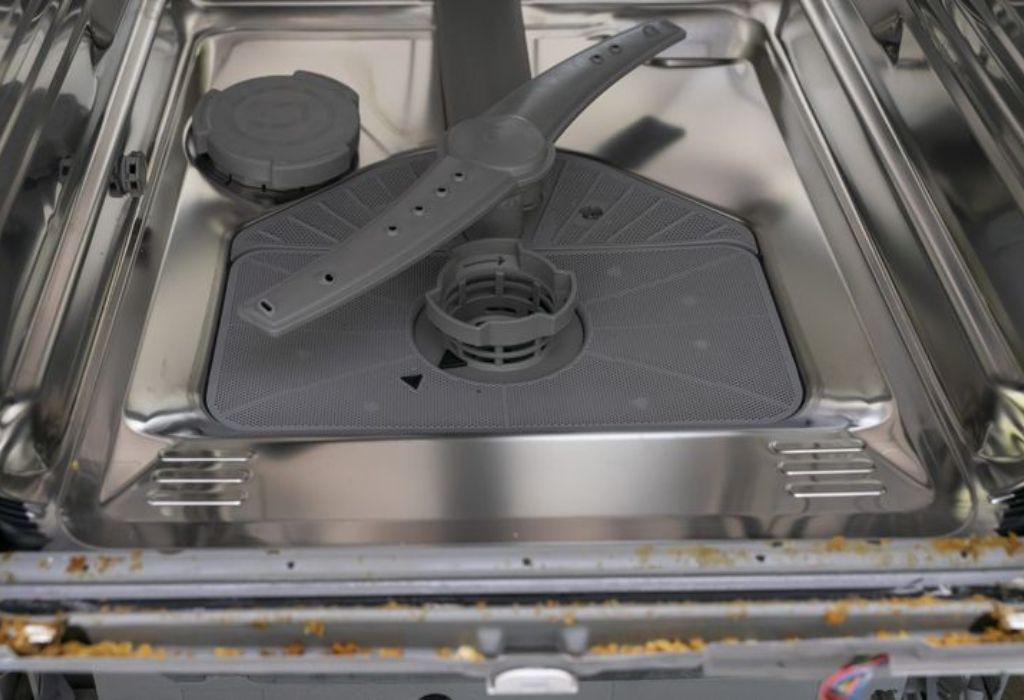
Remove the dishwasher filter (usually located at the bottom center). Rinse it under warm running water, then scrub gently with a toothbrush dipped in soapy water.
If you see black or slimy buildup, soak the filter in a bowl of vinegar and water for 15 minutes, then rinse again.
Use the brush to clean around the drain area where food often collects. Mold spores thrive here, so scrub until no residue remains.
Step 3: Wipe Down Rubber Seals and Gasket
Mix equal parts white vinegar and warm water in a spray bottle. Spray generously around the rubber door seal and along the inner edges.
Let it sit for 10 minutes to dissolve mold and loosen residue. Then, use a toothbrush or cloth to scrub every crevice, paying attention to folds where mold hides.
For heavy mold, dip your brush in a mix of baking soda and vinegar paste and scrub again until clean.
Wipe the area dry with a clean microfiber cloth.
Step 4: Clean the Interior Walls
Spray the entire interior, including the door, walls, and corners, with your vinegar-water mix. Let it sit for five minutes, then scrub using a sponge or soft brush.
This removes film, grease, and mold colonies that cling to the stainless steel or plastic surfaces.
If your dishwasher has strong black mold, apply hydrogen peroxide (3 percent) on a cloth and wipe affected areas. It safely kills mold spores without toxic fumes.
Step 5: Run a Hot Vinegar Cycle
Place a cup of white vinegar in a dishwasher-safe bowl on the top rack.
Run a hot water cycle without detergent. The steam from vinegar kills mold spores, deodorizes, and disinfects the entire interior.
Once the cycle finishes, leave the door slightly open for at least 30 minutes to let the inside dry completely.
Step 6: Run a Baking Soda Rinse Cycle
After the vinegar cycle, sprinkle one cup of baking soda across the bottom of the dishwasher.
Run a short, hot rinse cycle. Baking soda neutralizes odors, brightens surfaces, and removes any leftover vinegar smell.
When the cycle ends, open the door and let the dishwasher air dry naturally.
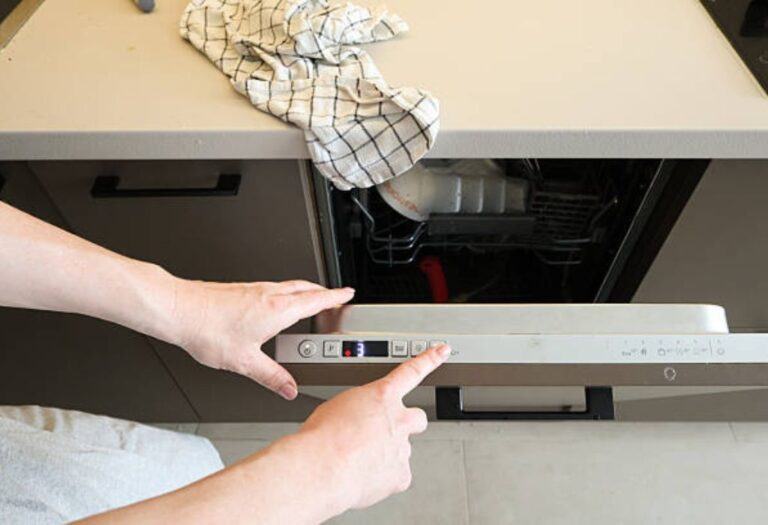
Step 7: Clean Exterior Surfaces and Buttons
Use a soft cloth dipped in vinegar-water solution to wipe the control panel, handle, and outer surfaces.
Avoid spraying directly on buttons to prevent moisture damage. This keeps the exterior clean and mold-free as well.
Step 8: Dry Completely
Once the entire process is finished, leave the door open overnight or at least for a few hours.
Mold cannot grow in dry conditions, so proper ventilation is crucial. You can also wipe any remaining moisture from seals and corners with a dry towel.
How to Remove Stubborn or Black Mold
If your dishwasher has heavy black mold that doesn’t come off with vinegar and baking soda, you can use stronger disinfectants.
Option 1: Hydrogen Peroxide
Hydrogen peroxide (3 percent solution) is safe for stainless steel and rubber parts. Spray directly on affected areas, let it sit for 15 minutes, then scrub and rinse thoroughly.
Option 2: Bleach Solution (for Plastic Interiors Only)
If your dishwasher interior is plastic, mix one cup of bleach with one gallon of water. Wipe moldy surfaces with a cloth dipped in the solution.
Never use bleach in stainless steel dishwashers, as it can cause corrosion and permanent damage.
After cleaning, run an empty rinse cycle to flush out any leftover bleach.
Preventing Mold from Coming Back
The best way to stop mold from returning is to keep your dishwasher clean, dry, and ventilated.
1. Leave the Door Open After Each Cycle
Always keep the door slightly ajar after every wash. This allows humidity to escape and air to circulate, preventing moisture buildup.
2. Clean the Filter Regularly
Rinse your filter weekly and deep-clean it monthly. A clean filter prevents trapped food from feeding mold.
3. Wipe Down Seals and Gaskets
Once a week, wipe the rubber door seal with a vinegar-dampened cloth. Focus on the folds where water collects.
4. Run a Hot Vinegar Cycle Monthly
A monthly vinegar cycle helps kill bacteria, remove limescale, and prevent mold from forming again.
5. Use the Dishwasher Frequently
If your dishwasher stays unused for long periods, stagnant water encourages mold. Run at least one rinse cycle weekly even if it’s empty.
6. Use the Heated Dry Setting
When available, use the heated dry option instead of air dry. It removes excess moisture and reduces humidity inside the tub.
7. Check for Leaks
Inspect around the bottom edges and seals regularly. Even small leaks can keep the area damp and invite mold growth.
8. Replace Worn Door Gaskets
If your rubber gasket is cracked, loose, or mold-stained beyond repair, replace it. This is one of the most effective ways to eliminate recurring mold.
Expert Tips for Long-Term Dishwasher Hygiene
- Use vinegar instead of harsh chemicals. It is safe, natural, and effective for both cleaning and deodorizing.
- Never mix bleach with vinegar. The combination creates toxic fumes.
- Use dishwasher-safe cleaner tablets once every two months to maintain freshness if you prefer commercial options.
- Clean around vents and spray arms. These often go unnoticed but collect hidden grime that supports mold.
- Check the drain hose. If it’s partially clogged, standing water can remain inside, creating ideal mold conditions.
- Keep the interior dry. After every wash, towel-dry the edges and seals to remove moisture trapped in folds.
FAQs About Cleaning Mold from Dishwashers
1. Is mold in my dishwasher dangerous?
Yes. Mold releases spores that can cause allergic reactions, coughing, and unpleasant odors. Cleaning it thoroughly prevents these health risks.
2. Can I use vinegar and baking soda together?
No. Use them separately. Vinegar breaks down mold, and baking soda neutralizes odor afterward.
3. How long does it take to remove mold completely?
A deep clean with vinegar, baking soda, and proper drying typically removes mold in one day.
4. How do I keep mold from growing again?
Leave the door open after each cycle, clean the filter monthly, and wipe down seals regularly.
5. Can I use hydrogen peroxide instead of bleach?
Yes. Hydrogen peroxide is safer, non-toxic, and works well for stainless steel interiors.
6. Why does my dishwasher smell even after cleaning?
The drain hose or filter might still hold debris. Remove, rinse, and clean both areas again to eliminate hidden buildup.
Conclusion
Your dishwasher should be the cleanest appliance in your kitchen, not the one spreading mold spores. With regular care and a few simple steps, you can eliminate mold completely and prevent it from ever returning.
Cleaning with vinegar, baking soda, and hot water disinfects naturally while being safe for your family and the environment. Combined with weekly maintenance and good airflow, these methods will keep your dishwasher odor-free, sparkling, and hygienic all year round.
Take 30 minutes this week to inspect your machine. If you notice dark spots or musty smells, follow this guide to bring your dishwasher back to life. Once cleaned, it will not only look better but also run more efficiently, giving you perfectly clean dishes every time.

I’m Emma J. Caldwell, the founder, lead writer, and home-cooking enthusiast behind KitchenGuideCo.com. With a background in culinary arts and over a decade of cooking experience in both professional and personal kitchens, I created this platform to demystify recipes, offer smart kitchen gadget reviews, and guide readers through meal prep with confidence and clarity.