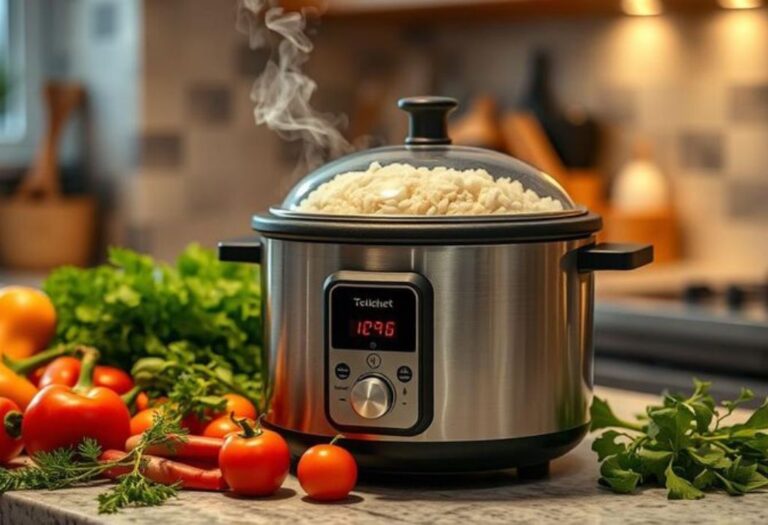
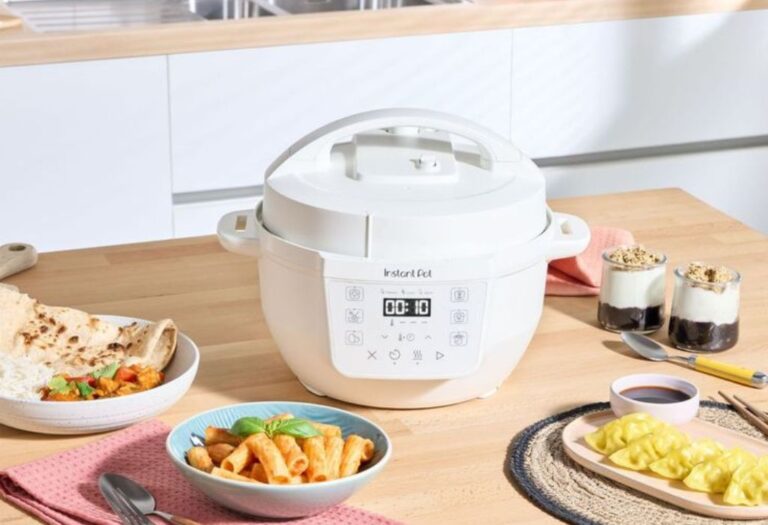
If you’ve ever cooked rice, you know the struggle: a sticky, stubborn mess at the bottom of your pot! That’s why figuring out how to clean nonstick rice cooker pot is something many home cooks find difficult. Don’t worry, though! It’s much easier than you think. This guide will show you how, step-by-step, to keep your rice cooker pot sparkling. Let’s get started and make your life easier.
What Makes Cleaning a Rice Cooker Pot Tricky?
Rice, especially when it’s cooked, has a natural tendency to stick. This can be extra frustrating if you’re not sure about the best way to care for your pot. Plus, the nonstick coating is delicate, so you need to be careful to avoid damaging it. Many people are unsure of which tools or cleaning solutions are safe to use.
The good news is that with the right approach and equipment, cleaning your nonstick rice cooker pot doesn’t have to be a hassle. Learning the right techniques will not only keep your pot clean but also extend its life and ensure it continues to cook perfect rice. We’ll explore some common mistakes and how to avoid them as we go through this process.
Common Cleaning Mistakes
-
Overuse of abrasive cleaners: Many household cleaning products contain harsh chemicals or abrasive particles that can scratch the nonstick coating. These scratches can lead to rice sticking, making it even harder to clean and potentially releasing harmful chemicals into your food.
Always opt for gentle, non-abrasive cleaners specifically designed for nonstick cookware, such as mild dish soap or a dedicated cleaner. Remember to avoid steel wool, scouring pads, and harsh scrubbing motions.
-
Using metal utensils: Metal utensils, like spoons or spatulas, can easily scratch the nonstick surface. These scratches make the pot less effective at preventing food from sticking, and damage the coating over time.
Instead, use wooden, silicone, or plastic utensils. These materials are gentle on the nonstick surface and won’t cause scratches.
-
Improper drying: Leaving the pot to air dry can lead to water spots and mineral buildup, making it look less clean. Additionally, a damp environment can encourage the growth of bacteria or mold.
After washing, make sure you dry the pot thoroughly with a soft cloth. You can also allow it to air dry for a short period and then gently wipe away any remaining moisture. This will help maintain its cleanliness and performance.
The Importance of a Clean Pot
-
Consistent cooking performance: A clean pot ensures your rice cooks evenly every time. Food residue can affect how heat is distributed, leading to unevenly cooked rice.
A clean pot allows for consistent heat transfer, making sure your rice cooks perfectly every time. This will lead to better tasting rice and less waste.
-
Prolonged lifespan of the pot: Proper cleaning and care of the nonstick coating can significantly extend its lifespan. Neglecting cleaning can damage the coating, causing it to peel or wear down more quickly.
By taking care of your rice cooker pot, you can prevent damage and avoid the need for premature replacements.
-
Maintaining food safety: Food residue can harbor bacteria and lead to unpleasant odors. A clean pot ensures that your rice is cooked in a safe and sanitary environment.
Regular and thorough cleaning practices will help prevent bacteria buildup, keeping your meals safe and delicious. Remember to wash your pot after each use.
Step-by-Step Guide to Cleaning Your Pot
Cleaning your nonstick rice cooker pot doesn’t have to be a chore. With the correct process, you can keep your pot in great shape, ensuring your rice cooks perfectly every time. Remember to always unplug your rice cooker and let the pot cool down before beginning.
Following these simple steps will help you maintain your pot’s nonstick surface, extend its lifespan, and ensure your rice tastes as good as possible.
Step 1: Cool Down and Empty the Pot
-
Allow the pot to cool: Before you start cleaning, always let the pot cool down completely. This prevents any potential burns and makes it easier to handle.
Hot surfaces can be dangerous. Give the pot enough time to cool before you touch it, as you’ll get better results when the pot is at room temperature. This also helps prevent warping due to sudden temperature changes.
-
Remove any remaining rice: Scrape out any leftover rice. Use a non-metallic spatula or spoon. Don’t worry if some rice sticks, that’s normal and we’ll deal with it in the next steps.
Make sure to remove as much of the food as possible before washing. This makes the cleaning process much easier and helps prevent the buildup of food residue. You can discard the rice or save it for leftovers.
Step 2: Washing and Rinsing
-
Use warm water and dish soap: Fill the pot with warm water and add a small amount of mild dish soap. Avoid harsh detergents or abrasive cleaners, as these can damage the nonstick coating.
Warm water and mild dish soap are gentle yet effective at removing food residue and grease. Using the right kind of soap is important. Always choose a dish soap that’s safe for nonstick surfaces. The right soap will do a better job and keep your pot protected.
-
Gently scrub the pot: Use a soft sponge or a non-abrasive dishcloth to clean the pot’s interior and exterior. If there are any stubborn rice pieces, soak the pot for a few minutes before scrubbing.
A soft sponge will help lift any food residue without scratching the delicate surface. For tough spots, let the pot soak in soapy water for a bit to loosen the stuck-on rice. Avoid using steel wool or scouring pads, as they will scratch the nonstick coating and make it less effective.
-
Rinse thoroughly: Rinse the pot under running water until all soap residue is removed. Make sure to rinse the inside and outside of the pot completely to remove any traces of soap.
Make sure no soap is left behind, as it can affect the taste of your next batch of rice. Properly rinsing the pot is key to achieving a spotless clean. Leaving soap residue can also make your rice taste strange.
Step 3: Drying and Maintenance
-
Dry the pot completely: After rinsing, dry the pot with a soft, clean cloth. Make sure that there’s no water left, as this can lead to water spots or mineral buildup.
Drying the pot thoroughly helps prevent water spots and mineral buildup, and it ensures your pot is ready for its next use. A completely dry pot also prevents the growth of mold or bacteria, making it safer to use.
-
Avoid abrasive tools: Use only non-abrasive tools to clean your rice cooker. These tools won’t damage the nonstick coating.
Using the right tools is the key to preventing scratches and ensuring your rice cooker lasts. Stay away from steel wool and scouring pads, which can scratch the coating. If you use the right tools, you will keep your rice cooker in better shape.
-
Store properly: Store the pot in a dry place. This helps maintain the coating’s condition and prevents the growth of mold or bacteria.
Proper storage is important for the longevity of your pot. Avoid stacking other items on top of it, which could scratch the nonstick surface. Storing it in a dry place also reduces the risk of moisture buildup, which can affect the coating.
Addressing Stubborn Stains and Residue
Even with the best cleaning practices, stubborn stains or burnt-on rice can happen. Fortunately, there are several methods you can use to deal with these tough spots without damaging the nonstick surface. Patience and the right approach are key here.
Knowing how to deal with stubborn stains will help you keep your pot in top shape, making cooking easier and extending its lifespan.
Using Baking Soda for Tough Stains
-
Create a baking soda paste: Mix baking soda with water to make a paste. The paste should be thick enough to stick to the pot’s surface.
Baking soda is a gentle, natural abrasive that can effectively remove stains without scratching the nonstick coating. The paste consistency is important; make it thick enough to stay on the stains.
-
Apply the paste to stains: Gently apply the paste to the stained areas and let it sit for about 10–15 minutes.
The baking soda will work to break down the stains. Give it enough time to act, but avoid leaving it on for too long, as this could dry and become difficult to remove.
-
Scrub gently and rinse: Use a soft sponge or cloth to gently scrub the stained areas. Rinse the pot thoroughly with warm water until all traces of baking soda are gone.
Scrub gently in circular motions to avoid scratching the nonstick surface. Rinsing thoroughly ensures that all baking soda residue is removed.
Vinegar Solution for Difficult Residue
-
Combine vinegar and water: Mix equal parts of white vinegar and water in the pot. White vinegar is a natural cleaner that is effective at removing stains and odors.
The acidic properties of vinegar help to dissolve tough residue and break down stains. Using a mixture of vinegar and water ensures the solution is not too harsh.
-
Heat the solution (optional): You can gently heat the vinegar-water solution on the stovetop over low heat. Bring it to a simmer and let it sit for a few minutes. Make sure you don’t boil the solution.
Heating the solution can enhance its cleaning action, helping to loosen stubborn residue. Use low heat to prevent damage to the pot or the nonstick surface.
-
Scrub and rinse: After letting the solution cool down, scrub the pot with a soft sponge or cloth. Rinse thoroughly with warm water.
Scrubbing gently removes any remaining residue. Make sure to rinse thoroughly to get rid of the vinegar smell.
Alternative Cleaning Methods and Materials
There are other options to keep your rice cooker pot clean, especially if you have sensitive nonstick coatings. Some simple household materials, along with some specialized cleaners, can make cleaning easier and safer.
Exploring alternative cleaning methods and materials will enable you to find what works best for your specific pot and preferences, ensuring your pot stays clean.
Using Lemon Juice
-
Create a lemon juice solution: Mix lemon juice with water in your pot. Lemon juice is a natural cleaner and deodorizer.
Lemon juice is a mild acid that can help break down stains and neutralize odors without damaging the nonstick surface. It also leaves a fresh, clean scent.
-
Soak and scrub: Let the solution sit for about 15–20 minutes, then scrub with a soft sponge. Lemon juice’s acidity can break down stains.
The soaking time allows the lemon juice to do its work. Gentle scrubbing helps to remove any remaining residue.
-
Rinse thoroughly: Rinse the pot completely with warm water. This removes any lemon juice residue.
Thorough rinsing is important. Leftover lemon juice could affect the taste of your next batch of rice.
Commercial Nonstick Cookware Cleaners
-
Choose the correct cleaner: Look for cleaners specifically made for nonstick cookware. These are designed to be gentle on the surface while effectively removing food residue.
Specialized cleaners are formulated to safely and effectively clean nonstick surfaces. Make sure to choose one that is designed for your specific type of cookware.
-
Follow instructions: Read and follow the instructions on the cleaner. This guarantees the best results.
Following the directions on the product label is important. This ensures you’re using the cleaner correctly and safely.
-
Rinse thoroughly: Rinse the pot very well after use, as with other methods. Remove all cleaner residue.
Rinsing thoroughly is essential. Any remaining cleaner can affect your food.
Preventive Measures for Easy Cleaning
Preventative steps can greatly simplify cleaning and extend the life of your nonstick rice cooker pot. By adopting these methods, you can minimize the effort required to keep your pot in good shape. Simple practices can make a huge difference.
Implementing preventive measures will keep your pot cleaner and require less effort when cleaning.
Rinsing Immediately After Use
-
Rinse promptly: Rinse the pot immediately after removing the rice. This prevents food from sticking and drying.
Rinsing the pot soon after use can prevent food from drying and sticking to the surface. It will also help prevent buildup.
-
Remove large food particles: Remove any large pieces of food or rice that are left. This ensures nothing dries on the surface.
Removing larger pieces of food before washing will make cleaning much easier and faster. This will prevent any hard to remove residue.
-
Use warm water: Rinse the pot with warm water. This is effective in removing residue.
Warm water helps to loosen food residue, making it easier to wash. Cold water can cause the food to set and stick to the surface.
Using the Right Utensils
-
Use the correct utensils: Always use non-metallic utensils. This protects the nonstick surface from scratches.
Using the right utensils is important to keep the nonstick surface in good shape. Always avoid metal utensils.
-
Wooden utensils: Wooden spoons and spatulas are great options for stirring and serving rice. They are soft and won’t scratch the surface.
Wooden utensils are a great choice as they are gentle on the nonstick surface. They work well for stirring rice without causing damage.
-
Silicone utensils: Silicone spatulas and spoons are also a great choice. They are heat-resistant and won’t scratch the surface.
Silicone utensils are another safe choice. They are heat-resistant and easy to clean, making them ideal for rice cookers.
Frequently Asked Questions
Question: Can I put my rice cooker pot in the dishwasher?
Answer: It’s generally not advised. While some pots might be labeled as dishwasher-safe, hand washing is usually recommended. The high heat and harsh detergents can damage the nonstick coating over time.
Question: What should I do if my rice is burnt at the bottom of the pot?
Answer: First, let the pot cool. Then, try soaking it in warm, soapy water for a while. You can use baking soda paste or a vinegar solution for stubborn burnt areas.
Question: Is it safe to use steel wool on my rice cooker pot?
Answer: No, it’s not safe. Steel wool is too abrasive and will scratch the nonstick coating. This damage can make the pot less effective and shorten its lifespan.
Question: Can I use harsh chemicals to clean the pot?
Answer: Avoid using harsh chemicals. Stick to mild dish soap or cleaners designed for nonstick cookware. Harsh chemicals can harm the nonstick surface.
Question: How often should I clean my rice cooker pot?
Answer: It’s best to clean your pot after each use. This will prevent food residue from building up and will help keep your pot in good condition for a longer time.
Final Thoughts
Keeping your rice cooker pot clean is essential for ensuring your rice cooks perfectly every time. You have now explored the best ways to clean a nonstick rice cooker pot, from the basic steps to addressing those tough stains. With warm water and mild soap, a soft sponge, and a bit of patience, you can maintain your pot’s nonstick surface, extend its life, and cook delicious rice.
Remember to avoid abrasive cleaners and metal utensils. By using the right tools and methods, cleaning your rice cooker pot can be easy. Practice these techniques regularly, and you’ll find that keeping your pot clean becomes a quick and simple part of your cooking routine. Enjoy your perfectly cooked rice!

I’m Emma J. Caldwell, the founder, lead writer, and home-cooking enthusiast behind KitchenGuideCo.com. With a background in culinary arts and over a decade of cooking experience in both professional and personal kitchens, I created this platform to demystify recipes, offer smart kitchen gadget reviews, and guide readers through meal prep with confidence and clarity.