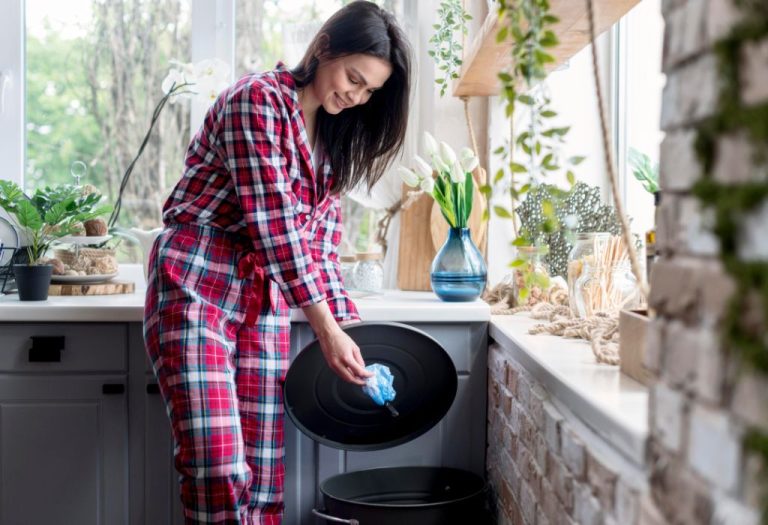
The oven hums quietly after a long day of cooking, but behind that warm glow hides a familiar kitchen frustration. Thick grease, dark stains, and stubborn carbon buildup cling tightly to oven racks, making every cleaning attempt feel exhausting.
Many people postpone cleaning them for months, not because they forget, but because they fear the time, effort, and damage harsh scrubbing might cause.
Over time, grease does not simply sit on oven racks. High heat repeatedly bakes it into the metal, turning soft residue into rock-hard carbon deposits.
Every roast, spill, and splatter adds another layer that normal wiping can no longer touch. When left untreated, these layers begin to smoke, release burnt odors, and even affect the taste of food being cooked.
Cleaning oven racks is not just about appearance. It directly impacts kitchen hygiene, airflow inside the oven, and even cooking safety. The right cleaning method makes a massive difference between effortless maintenance and hours of frustrating scrubbing.
This guide explains how to clean oven racks safely and effectively using both natural and commercial methods. Each technique focuses on removing tough buildup without damaging rack coatings or causing rust, so your oven stays clean, safe, and fully functional for years.
Why Oven Racks Get So Dirty and Stubborn
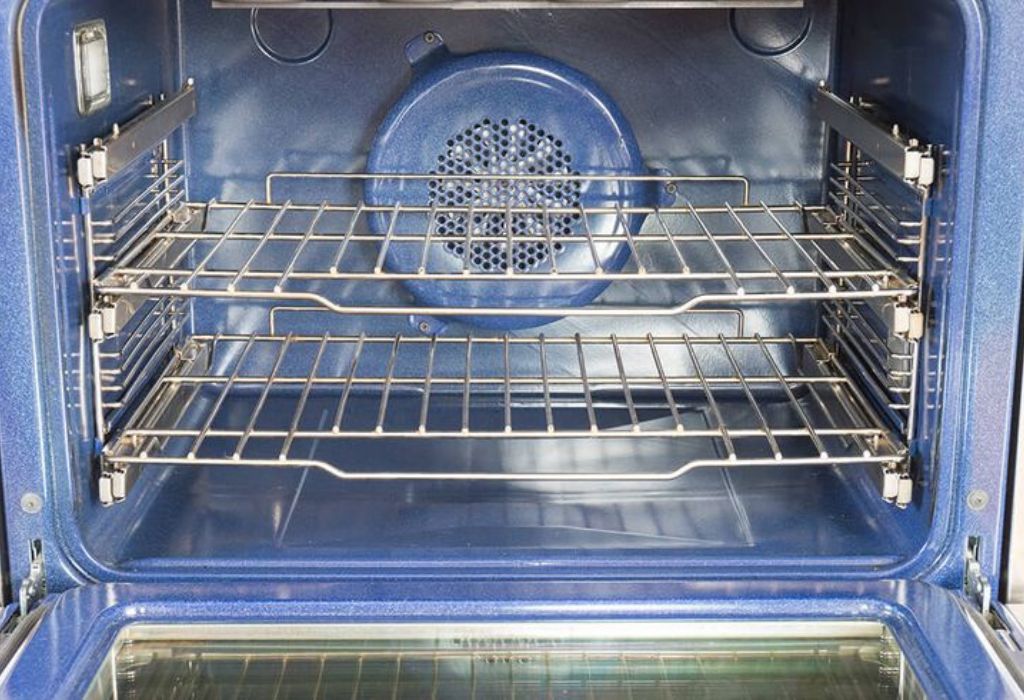
Oven racks are exposed to extreme heat, grease vapors, and food splatters every time the oven is used. These substances do not simply sit on the surface.
Over time, high temperatures cause them to bake onto the metal, forming thick, carbonized layers that become extremely difficult to remove.
Grease behaves differently under heat than most people realize. When it melts, it spreads easily across the rack surface. As the oven cools, that grease hardens again. With every cooking cycle, more grease accumulates and hardens onto the same spots.
Sugary spills make the situation even worse. Sugar caramelizes at high heat and forms sticky, glue-like patches. These sticky areas trap more dirt and grease, accelerating buildup far faster than normal cooking residue.
Over time, these layers turn into baked-on carbon. Carbon deposits are not just dirty looking. They are chemically bonded to the metal surface. That is why normal wiping or quick rinsing never works once the racks reach this stage.
Broiling and roasting are the biggest contributors to rack contamination. These cooking methods release heavy fat vapors that rise and condense directly on rack bars. Regular baking causes contamination too, but at a slower pace.
Once carbon buildup becomes thick enough, it also affects oven airflow and heat distribution. Dirty racks can interfere with even cooking and even cause smoke during high-temperature use. Keeping racks clean is not only cosmetic, it is functional and safety-related.
Can dirty oven racks affect food taste?
Yes, old grease and carbon residue release burnt odors during cooking. These odors easily transfer unwanted flavors into food.
How often should oven racks be cleaned?
For regular home use, every 1 to 2 months is ideal. Heavy oven users may need to clean them more frequently.
Is it normal for oven racks to turn black over time?
Yes, baked-on grease and carbon naturally darken with repeated heating. This is common in all ovens.
Do self-cleaning ovens properly clean oven racks?
No, most manufacturers recommend removing racks before using self-cleaning mode because the extreme heat damages rack coatings.
Can dirty racks cause smoke in the kitchen?
Yes, old grease burns at high temperatures and often produces heavy smoke, especially during broiling.
Basic Soap and Hot Water Cleaning Method
The soap and hot water method is the safest and most commonly recommended way to clean oven racks. It works best for light to moderate grease buildup and is suitable for routine maintenance. This method does not require any harsh chemicals.
First, remove the oven racks and place them in a bathtub, large sink, or plastic storage tub. Lay down old towels to protect porcelain or acrylic surfaces from scratches. This also helps prevent metal marks.
Fill the tub with very hot water. Add a generous amount of grease-cutting dish soap. Make sure the racks are fully submerged in the soapy water.
Allow the racks to soak for at least two to four hours. For heavier grease, overnight soaking works even better. The hot water softens hardened grease and loosens baked-on residue.
After soaking, scrub the racks using a nylon brush, sponge, or soft scouring pad. Most grease should come off with moderate effort. Stubborn spots may need repeated scrubbing.
Once clean, rinse thoroughly with clean water to remove any soap residue. Dry the racks immediately using a towel. This prevents water spots and reduces rust risk.
This method should be used regularly to prevent heavy buildup. When used consistently, it prevents the need for stronger chemical cleaners later.
Baking Soda and Vinegar Deep Cleaning Method
Baking soda and vinegar provide a powerful natural cleaning combination. This method works extremely well for racks that have not been cleaned for months. It removes thick grease and carbon residue without corrosive chemicals.
Start by placing the racks in a bathtub or large plastic bin. Sprinkle a thick layer of baking soda over the entire surface of each rack. Make sure heavily soiled areas receive extra coverage.
Slowly pour vinegar over the baking soda. The fizzing reaction you see is breaking down grease and loosening carbon deposits. This reaction drives the cleaning action deep into the surface pores.
Let the racks soak in this mixture for at least four to six hours. For extremely dirty racks, overnight soaking is recommended. The longer the soak, the easier the scrubbing process becomes.
After soaking, scrub the racks using a stiff nylon brush or sponge. The residue should lift away far more easily than before. Some stubborn carbon spots may require a second application.
Rinse the racks thoroughly with warm water to remove all residue. Dry them completely using clean towels before returning them to the oven.
This method is highly effective and environmentally friendly. It is one of the best deep-cleaning solutions for heavily neglected oven racks.
Ammonia Fume Method for Extreme Grease
The ammonia fume method is one of the strongest ways to clean extremely dirty oven racks. Instead of scrubbing directly, it uses chemical fumes to dissolve grease at a molecular level. This makes it suitable for the worst buildup cases.
To begin, place each oven rack inside a heavy-duty plastic garbage bag. Add a small bowl or cup with household ammonia inside the bag. Do not spill the ammonia directly on the rack.
Seal the bag tightly so that fumes cannot escape. Place the sealed bags outdoors or in a very well-ventilated area. Never perform this method inside closed living spaces.
Let the racks sit for 8 to 12 hours. During this time, ammonia fumes break down grease and carbon without physical abrasion. The residue becomes loose and slippery.
After soaking, carefully open the bag while wearing gloves. Most of the grease will wipe off with little effort. Use a sponge to remove any remaining residue.
Rinse thoroughly with large amounts of water and dry completely. The strong ammonia smell disappears after proper rinsing and air drying.
This method should only be used occasionally. Repeated ammonia exposure is not recommended for health and environmental reasons.
Using Commercial Oven Cleaners Safely
Commercial oven cleaners are designed for fast and aggressive grease removal. These products contain strong alkaline chemicals that dissolve carbonized residue quickly. They are extremely effective but require strict safety precautions.
Always wear gloves before handling commercial cleaners. Work in a well-ventilated area or outside whenever possible. Never inhale the fumes directly.
Spray the cleaner evenly across the rack surface according to the product instructions. Allow it to sit for the recommended time, usually between 10 and 30 minutes. Do not exceed the recommended exposure time.
After soaking, scrub the racks with a nylon brush or sponge. The grease should release easily. Rinse thoroughly with large amounts of water.
It is critical to remove all chemical residue. Any leftover cleaner can continue corroding the metal surface after cleaning. Dry the racks immediately.
Commercial cleaners should be reserved for extreme grease cases. Routine cleaning should rely on gentler natural methods to preserve rack coatings.
Are commercial oven cleaners safe for all oven racks?
No, many cleaners damage chrome and special coatings. Always check rack material before use.
Should gloves always be worn when using these cleaners?
Yes, these products can burn skin on contact due to high alkalinity.
Can cleaner fumes be harmful?
Yes, inhaling fumes can irritate lungs and eyes. Proper ventilation is mandatory.
Is it safe to use oven cleaner inside the bathroom tub?
Only with excellent ventilation. Outdoor use is always safer.
Can leftover cleaner affect future cooking?
Yes, chemical residue can contaminate food vapors during later baking sessions.
Can You Clean Oven Racks in the Dishwasher
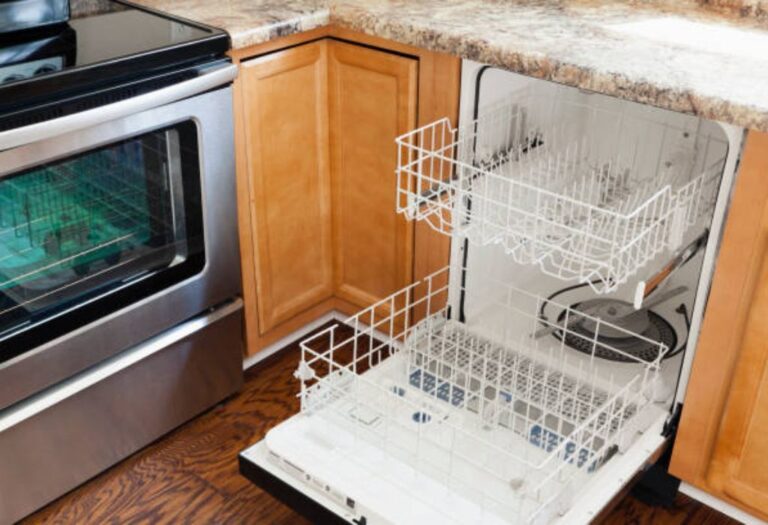
Many people wonder whether oven racks can simply be placed inside a dishwasher for easy cleaning. While some modern racks are labeled as dishwasher safe, most traditional oven racks are not designed for frequent dishwasher use. The harsh detergent and high water pressure can gradually damage protective coatings.
Dishwasher detergents are much stronger than regular dish soap. These chemicals strip grease effectively but also remove the thin protective layer on metal racks. Once this layer is damaged, the rack becomes far more vulnerable to rust.
High heat during the dishwasher drying cycle also contributes to surface wear. Repeated exposure can cause discoloration and weakening of rack joints. Over time, this reduces the structural strength of the racks.
Large oven racks often do not fit properly inside most dishwashers. Forcing them into the lower rack can bend spray arms or scratch the dishwasher interior. This can cause damage to both appliances at once.
If a manufacturer specifically confirms dishwasher safety, racks should be placed on the bottom level only. Heat-dry options should be disabled to reduce surface stress. Even then, dishwasher cleaning should be used sparingly.
Hand cleaning remains the safest long-term method for preserving rack quality. Dishwashers offer convenience, but they significantly shorten rack lifespan if used repeatedly.
Preventing Rust and Surface Damage After Cleaning
Rust prevention begins immediately after the cleaning process ends. Moisture left on the rack surface causes oxidation to start almost instantly. That is why proper drying is not optional.
Towel drying should be done thoroughly, especially around joints and welded areas. These hidden areas trap water easily. Air drying alone is often not enough to stop corrosion.
Applying a very light coat of cooking oil after deep cleaning forms a protective moisture barrier. This thin film prevents oxygen and water from making direct contact with bare metal. It also improves sliding performance inside the oven.
Avoid using steel brushes or metal scouring pads during cleaning. These tools scratch the protective coating off the rack. Scratches become permanent rust starting points.
Humidity plays a major role in rust formation during storage. If spare racks are stored in damp environments, they begin rusting without being used. Dry storage conditions are just as important as proper cleaning.
Preventive care after cleaning dramatically extends the usable life of oven racks. Most rack damage happens after cleaning, not during cooking.
Common Mistakes That Ruin Oven Racks
One of the most damaging mistakes is using steel wool or metal scrapers aggressively. These tools remove not only grease but also the protective finish. Once the finish is gone, rust becomes unavoidable.
Leaving oven racks inside during the self-cleaning cycle is another critical error. The extreme heat of self-cleaning burns off protective coatings and warps the metal structure. Many racks never fit properly again afterward.
Mixing cleaning chemicals is extremely dangerous. Combining ammonia and bleach produces toxic chlorine gas. This mistake can cause serious respiratory injury or worse.
Failing to rinse commercial cleaners thoroughly leaves corrosive residue on the racks. This residue continues breaking down the metal over time. The damage appears slowly but permanently.
Storing racks while they are still wet leads directly to rust formation. Moisture trapped at joints spreads oxidation quickly. Once rust starts, it spreads under the coating invisibly.
Avoiding these mistakes is just as important as choosing the right cleaning method. Most permanent rack damage happens due to improper handling, not dirt itself.
Can steel wool permanently ruin oven racks?
Yes, steel wool removes protective coatings and exposes bare metal, which leads to fast rust formation.
Is it safe to leave racks inside during self-cleaning mode?
No, the intense heat damages rack finish and weakens the metal structure permanently.
Why is mixing cleaning chemicals dangerous?
Chemical reactions can release highly toxic gases that are dangerous to inhale even in small amounts.
What happens if oven cleaner is not rinsed completely?
Leftover chemicals continue corroding the metal and reduce rack lifespan dramatically.
Does storing racks wet always cause rust?
Yes, moisture trapped in joints and corners almost always leads to oxidation over time.
Alternative Natural Cleaning Hacks for Oven Racks
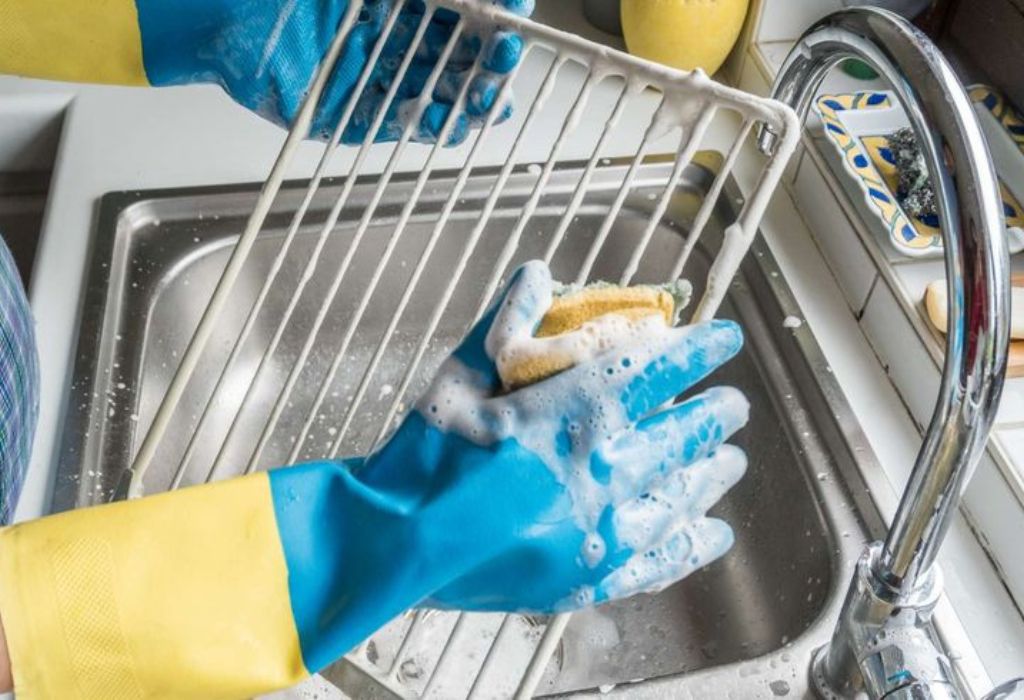
Lemon and salt cleaning is a popular natural method for light grease removal. Lemon’s natural acidity breaks down grease while salt provides mild abrasion. This method works best for maintenance cleaning.
Cream of tartar mixed with hydrogen peroxide creates a powerful paste for carbon spots. This paste clings to the rack surface and breaks down stubborn grime with minimal scrubbing. It is highly effective yet gentle.
Borax dissolved in warm water also works as a degreaser. It cuts through grease quickly and rinses away easily. This is useful for people who prefer chemical-free cleaning.
Steam cleaning in a sealed bathroom environment can loosen moderate grime. Hot running water fills the room with steam, softening grease. Scrubbing afterward becomes easier.
Dish soap with baking soda paste remains one of the easiest multipurpose solutions. It balances grease cutting power and surface safety. This combination is effective without damaging coatings.
Natural hacks work best when used regularly. They prevent heavy buildup and reduce reliance on harsh chemical cleaners.
Long-Term Rack Maintenance and Storage Tips
Regular light cleaning is the most important maintenance habit. Wiping racks after major spills prevents grease from baking permanently onto the metal. This small habit reduces cleaning effort dramatically.
Avoid sliding racks aggressively when loaded with heavy cookware. Excess pressure bends rack rails and weakens support joints. Gentle movement prevents long-term warping.
Rotating rack positions occasionally helps distribute heat exposure evenly. This slows down uneven discoloration and wear in one single area. Balanced usage improves metal stability.
Never overload racks beyond recommended weight limits. Excess weight causes gradual sagging. Once sagging begins, it becomes difficult to reverse.
If storing spare racks, always wrap them in dry cloth and keep them in a low-humidity area. This protects against oxidation during storage. Long-term dryness is the best rust prevention.
Consistent maintenance ensures racks perform smoothly for many years. Proper care prevents expensive replacements and preserves oven cooking performance.
Conclusion
Cleaning oven racks is not just about appearance. It directly affects cooking performance, safety, and air quality inside the kitchen. Built-up grease and carbon can cause smoke, fire risk, and unpleasant food odors during high-temperature cooking.
Routine soap and water cleaning is ideal for maintenance. Baking soda and vinegar serve as powerful natural deep-cleaning options. Ammonia fumes and commercial cleaners should only be used for extreme contamination with proper safety precautions.
Post-cleaning care is just as important as the cleaning process itself. Drying thoroughly, adding light oil protection, and storing properly prevent rust and surface damage. Avoiding common mistakes like steel wool, self-cleaning exposure, and chemical mixing protects rack lifespan.
With the right cleaning schedule and careful handling, oven racks can remain smooth, rust-free, and fully functional for many years. Consistency is the true secret to effortless oven rack maintenance.

I’m Emma J. Caldwell, the founder, lead writer, and home-cooking enthusiast behind KitchenGuideCo.com. With a background in culinary arts and over a decade of cooking experience in both professional and personal kitchens, I created this platform to demystify recipes, offer smart kitchen gadget reviews, and guide readers through meal prep with confidence and clarity.