You open your oven after a long baking session, only to find the racks coated with stubborn grease and burnt-on grime. Scrubbing them feels like an endless battle — and no cleaner seems to make a difference. But then you come across a surprising cleaning hack online: using a dishwasher tablet to clean oven racks at home. It sounds too good to be true, right?
This simple trick has become a favorite among home cooks and cleaning enthusiasts because it combines power, convenience, and affordability. Dishwasher tablets are packed with concentrated cleaning agents that dissolve tough grease and food residue — the very same culprits that make your oven racks look dull and sticky. When used the right way, they can restore your racks’ shine without hours of scrubbing or expensive chemicals.
However, not everyone gets the same sparkling results. Many people try this hack incorrectly — soaking for too long, using boiling water, or scrubbing with abrasive tools that damage the metal finish. The secret lies in understanding how dishwasher tablets actually work, how to use them safely, and how to avoid the mistakes that can ruin your racks or your tub.
In this guide, you’ll learn step-by-step how to clean oven racks with dishwasher tablets at home — plus some clever alternatives, eco-friendly cleaning methods, and expert tips for maintaining that just-like-new shine. Whether you’re dealing with light grease or years of burnt residue, this method will help you get your oven racks spotless again with minimal effort and zero stress.
Why Dishwasher Tablets Work for Cleaning Oven Racks
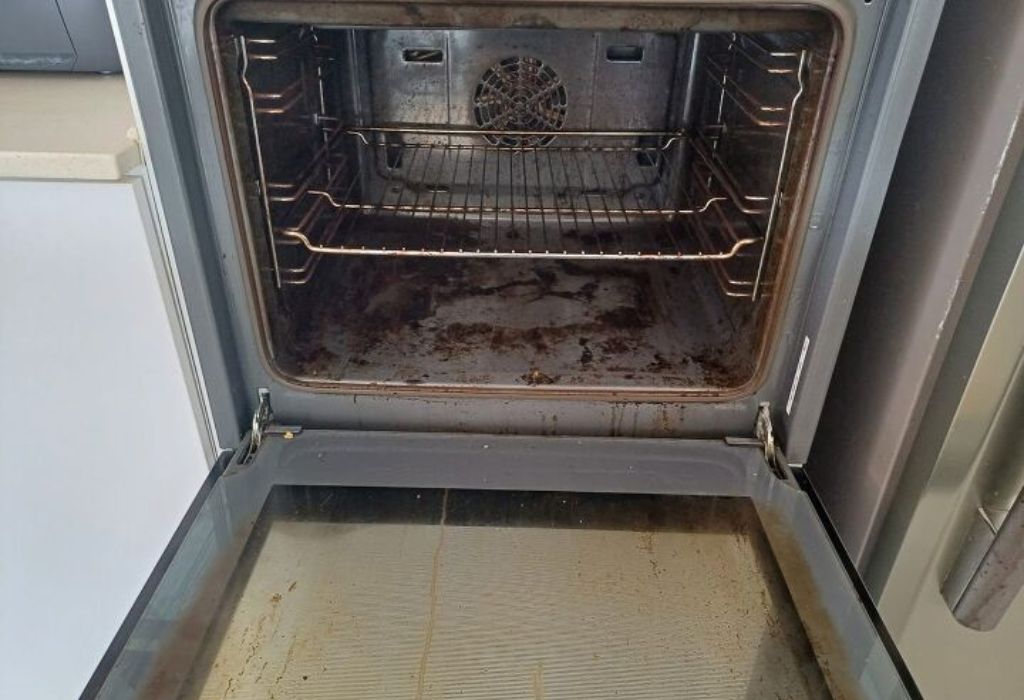
Dishwasher tablets are tiny powerhouses of cleaning chemistry. Each one contains a concentrated mix of enzymes, surfactants, and degreasers that break down tough food particles, oils, and baked-on grease — the same substances coating your oven racks. When dissolved in hot water, these ingredients create an alkaline solution that softens grime and lifts it away from metal surfaces with minimal scrubbing.
Unlike regular dish soap or detergents, dishwasher tablets are formulated for high heat and heavy residue, which makes them perfect for tackling grease and carbon buildup inside ovens. They’re also mild enough not to corrode stainless steel, as long as you don’t soak the racks for too long or use tablets containing bleach.
The reason they work so well lies in their enzymatic action. These enzymes attack organic residue (like burnt oils and food splatters), while oxygen-based agents loosen stains and neutralize odors. Together, they restore the racks’ natural shine — all without the hard elbow grease that traditional oven cleaners require.
However, it’s important to note that this hack works best for stainless steel or chrome-plated oven racks. Coated or enamel racks may react differently, so always test on a small area first.
Do dishwasher tablets really work on oven racks?
Yes, they dissolve grease, fat, and burnt residue effectively, restoring shine without harsh scrubbing.
Are all dishwasher tablets safe for oven racks?
Most are, but choose tablets without bleach, colorants, or fragrance to avoid staining or corrosion.
Can I use the tablet directly on oven racks?
Yes, slightly wet the tablet and gently rub it on burnt spots for targeted cleaning.
Will dishwasher tablets damage chrome racks?
No, not if you rinse them thoroughly and avoid soaking for longer than a few hours.
Why do dishwasher tablets outperform dish soap?
They’re engineered to break down grease at high heat with stronger degreasing compounds than regular detergents.
What You’ll Need Before You Start
Before diving into the cleaning process, it’s important to gather everything you’ll need. Preparation not only makes the job easier but also ensures that your oven racks and bathtub stay protected throughout the process. The key is to create a safe, efficient setup so you can focus on letting the dishwasher tablets do the hard work.
You’ll need two to three dishwasher tablets, depending on how large or dirty your racks are. Choose tablets without bleach, colorants, or added fragrance to avoid corrosion or staining. You’ll also need a large tub or bathtub, preferably lined with an old towel to prevent scratching. Fill it later with hot water — not boiling, as extreme heat can warp the metal.
Make sure you have rubber gloves to protect your hands from both the heat and the alkaline detergent. A soft sponge or cloth will help you gently scrub off loosened grime after soaking. Finally, prepare an old towel or microfiber cloth for drying once you’re done rinsing.
Having everything ready in advance keeps the process smooth and safe, ensuring your oven racks come out sparkling without damage.
Can I clean oven racks in the kitchen sink instead?
Yes, if your sink is large enough to submerge the racks completely in hot water.
Is it necessary to wear gloves while cleaning?
Yes, to protect your skin from the heat and alkaline detergent found in dishwasher tablets.
Can I use liquid dishwasher detergent instead of tablets?
You can, but tablets provide a stronger and more controlled concentration for deep cleaning.
Do I need special tools for scrubbing?
No, a non-abrasive sponge or old dishcloth works best to avoid scratching the metal finish.
Should I wipe off heavy grease before soaking?
Yes, removing excess grease first helps the tablets work faster and more effectively.
Step-by-Step: How to Clean Oven Racks with Dishwasher Tablet at Home
Cleaning oven racks with dishwasher tablets is incredibly simple — the key is patience, not force. The soaking process allows the powerful ingredients in the tablet to dissolve layers of grease and grime without damaging the metal. Follow these easy steps to get your racks spotless at home.
Step 1: Remove and Prepare the Racks
Take the racks out of the oven and shake off any loose crumbs or burnt bits. If you’re using a bathtub, line the bottom with an old towel or cloth. This prevents scratches and keeps the racks slightly lifted so the detergent can reach all surfaces.
Step 2: Fill the Tub with Hot Water
Fill the tub or container with hot water until the racks are completely submerged. Avoid boiling water — it can warp the metal coating. Hot tap water is perfect for dissolving the detergent efficiently.
Step 3: Add Dishwasher Tablets
Drop in two or three dishwasher tablets, depending on the size of the tub. Allow them to dissolve completely before soaking the racks. The water should turn slightly cloudy as the detergent activates.
Step 4: Soak and Wait
Let the racks soak for two to four hours. During this time, the dishwasher tablet will break down burnt-on grease and loosen grime. For heavily stained racks, you can extend the soak up to eight hours, but avoid overnight soaking to prevent discoloration.
Step 5: Scrub, Rinse, and Dry
After soaking, use a sponge or soft cloth to gently scrub away loosened residue. Rinse the racks thoroughly with warm water, then dry them completely using a towel or soft cloth. Once dry, reinstall them in your oven — they should look almost new.
Can I leave oven racks soaking overnight?
Yes, but don’t exceed eight hours, as prolonged soaking can dull or discolor the metal.
Should I crush the dishwasher tablets before adding them?
You can if you want faster dissolving, but it’s not necessary — they dissolve easily in hot water.
What if my racks don’t fit in the bathtub?
Soak one half at a time, or use a large plastic storage bin as an alternative.
Do I need to scrub hard after soaking?
No, the detergent softens grease, so most grime will wipe off with minimal effort.
Can I reuse the same water for another set of racks?
Yes, as long as the water is still warm and not heavily greasy or dirty.
Alternative Dishwasher Tablet Cleaning Methods
If you don’t have a bathtub or want faster results, there are several other ways to clean oven racks using dishwasher tablets. These methods work just as well and can be adjusted based on your available space or the level of grease buildup.
1. Boiling-Water Bucket Method
For smaller oven racks, fill a large bucket or basin with boiling water and drop in one or two dishwasher tablets. Once dissolved, place the racks inside and soak for 30–45 minutes. The high heat activates the detergent quickly, breaking down grease faster. Just be cautious — always wear gloves and handle hot water carefully.
2. Direct Scrub Method
If you’re short on time, wet a dishwasher tablet slightly and use it like a sponge to scrub the greasy areas directly. This method works well for spot cleaning or when you don’t have space to soak the racks. Rinse immediately afterward to remove any detergent film.
3. Plastic Bag Soak Method
Place your racks in a large, heavy-duty garbage bag. Add hot water and two tablets, then carefully seal the bag. Let it sit for two to three hours on a flat surface. The enclosed heat and detergent steam will dissolve grease evenly. After soaking, drain and rinse thoroughly.
4. Oven-Liner Method
For burnt or sticky patches, place a damp dishwasher tablet directly on the stain inside your oven or on the rack. Let it sit for 15–20 minutes, then wipe with a warm, damp cloth. This works great for spot-treating tough residue.
These alternatives are effective, space-saving, and perfect for small kitchens or renters who can’t use their bathtub for cleaning.
Can I use these methods on enamel-coated oven racks?
No, these racks have a delicate surface that can be damaged by strong detergents.
Will scrubbing with a tablet scratch metal racks?
Not if you keep the tablet damp and avoid applying excessive pressure.
Can I use the dissolved tablet water to clean oven glass?
Yes, it’s great for removing grease from glass oven doors — just rinse well afterward.
Can dishwasher tablets clean the oven cavity too?
They can dissolve surface grease, but for deep cleaning, use products made for oven interiors.
Is it safe to use dishwasher tablets in self-cleaning ovens?
No, self-cleaning ovens don’t need chemical cleaners and may get damaged if exposed to them.
Common Mistakes to Avoid When Cleaning Oven Racks
Using dishwasher tablets is a simple and effective cleaning hack, but it’s easy to make small mistakes that can reduce results or even damage your racks. Understanding what not to do can save you from unnecessary frustration and ensure your oven racks come out shiny and spotless every time.
One of the biggest mistakes is using boiling water. While hot water is necessary to activate the cleaning agents, boiling water can warp or discolor your oven racks, especially if they have a chrome or protective coating. Stick to very hot tap water instead.
Another common error is soaking the racks too long. Leaving them submerged overnight or for more than eight hours can weaken the metal’s finish. If you prefer deep soaking, check the racks every few hours and rinse once the grime loosens.
Avoid scrubbing with metal brushes or scouring pads, as they can leave scratches that trap grease later. A soft sponge or cloth works best for removing loosened residue. Also, never use bleach-based dishwasher tablets, as the chlorine can corrode metal and dull the shine.
Finally, always rinse thoroughly after soaking. Residual detergent left behind can burn off during oven use, releasing unpleasant smells or fumes. Proper rinsing ensures your racks are not only clean but also safe for future cooking.
Can dishwasher tablets discolor oven racks?
Yes, leaving racks in hot water too long or using bleach-based tablets can cause dullness or discoloration.
Why do my racks look cloudy after cleaning?
A thin detergent film may remain; wiping with vinegar and a microfiber cloth restores shine.
Can I dry my oven racks inside the oven?
Yes, set the oven to low heat (around 150°F) for 10–15 minutes to dry completely.
Will bleach tablets damage my oven racks?
Yes, bleach corrodes metal and should never be used for cleaning oven racks.
How can I prevent grease buildup after cleaning?
Wipe the racks after each cooking session and deep clean them every six to eight weeks.
Bonus Section: How to Clean Oven Racks Without a Bathtub
If you don’t have a bathtub or large basin, don’t worry — there are several other effective ways to clean oven racks using dishwasher tablets right at home. Whether you live in an apartment or just want a more space-efficient method, these alternatives deliver the same sparkling results without the mess.
1. Garbage Bag Method
Place your oven racks inside a large, heavy-duty garbage bag. Add two dishwasher tablets and pour in about half a gallon of hot water. Carefully seal the bag and lay it flat on your kitchen floor or outside on a protected surface. Let it sit for two to three hours while the detergent works its magic. When done, pour out the water safely, rinse the racks thoroughly, and dry them completely.
2. Large Plastic Bin Method
Use a large plastic storage bin as a substitute for a tub. Fill it with hot water, add two tablets, and submerge your oven racks. Cover the bin with its lid to trap steam — this speeds up the cleaning process and enhances detergent action.
3. Outdoor Cleaning Method
If the weather’s nice, take your racks outside. Use a garden hose and a bucket of hot water mixed with two crushed dishwasher tablets. Pour the mixture over the racks, let it sit for 30–60 minutes, and rinse thoroughly with clean water.
These space-friendly methods are just as effective as the traditional soaking process and are perfect for those who don’t want to use their bathtub for cleaning.
Can I clean oven racks outside?
Yes, outdoor cleaning is safe as long as you rinse the racks thoroughly after using detergent.
Will the garbage bag method damage my racks?
No, it’s safe if the bag is sealed properly and not exposed to direct sunlight or extreme heat.
How much water should I add when using the bag method?
Add just enough to submerge the racks halfway so the tablets dissolve completely.
Can I use boiling water for these methods?
Avoid boiling water; use very hot tap water to prevent warping or discoloration.
Should I rinse the racks after outdoor cleaning?
Always rinse thoroughly to remove detergent residue and restore a spotless finish.
Bonus Section: Eco-Friendly Ways to Clean Oven Racks
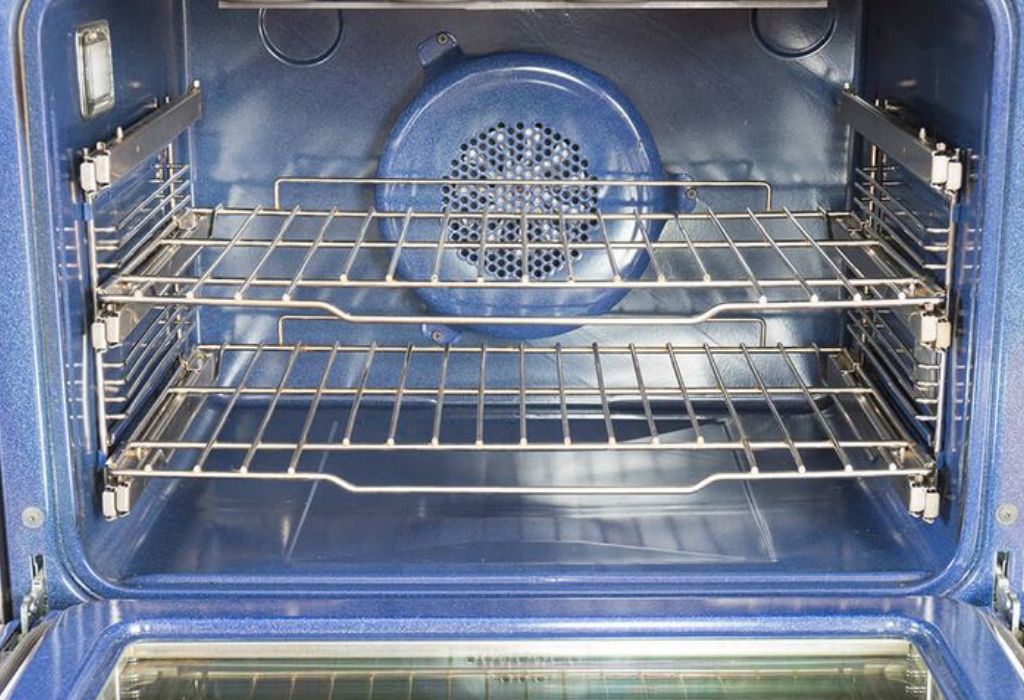
If you prefer natural cleaning methods or want to reduce chemical use in your home, there are several eco-friendly ways to clean oven racks effectively. These gentle methods use ingredients you likely already have in your kitchen — and they’re just as efficient at removing grease, burnt residue, and stains without harsh chemicals.
1. Baking Soda and Vinegar Soak
Lay your oven racks in a large bin or tub and sprinkle them generously with baking soda. Then pour hot water and add two cups of white vinegar. The mixture will fizz as it breaks down grease and softens burnt residue. Let the racks soak for two to four hours before wiping clean with a sponge.
2. Lemon and Salt Scrub
For quick touch-ups, sprinkle coarse salt on a cut lemon and rub it directly on greasy spots. The lemon’s acidity dissolves residue while the salt provides natural abrasion. Rinse thoroughly afterward to remove any stickiness.
3. Baking Soda Paste Method
Mix three parts baking soda with one part water to form a paste. Spread it evenly over the oven racks and let it sit for 6–8 hours or overnight. In the morning, rinse with warm water for sparkling results.
These eco-friendly options are non-toxic, budget-friendly, and safe for both stainless steel and chrome racks. They also leave behind a naturally fresh scent — no chemical fumes required.
Can vinegar replace dishwasher tablets for cleaning?
Yes, vinegar is an excellent natural substitute that cuts through grease safely and effectively.
Does baking soda really remove burnt-on residue?
Yes, its mild abrasiveness lifts carbon buildup without scratching metal surfaces.
Are natural methods safe for enamel-coated racks?
Absolutely, they’re gentle and non-corrosive, perfect for delicate surfaces.
How long should I soak racks in vinegar?
At least two to three hours, or longer for heavily burnt grime.
Can I mix lemon juice with baking soda for extra cleaning power?
Yes, combining them creates a foaming action that enhances grease removal naturally.
Final Results and Aftercare Tips
Once your oven racks are fully cleaned, you’ll immediately notice the difference — no more sticky residue, dull metal, or stubborn burnt spots. They should look shiny, smooth, and grease-free, reflecting light just like when they were new. However, maintaining that sparkle takes just a bit of simple aftercare.
After rinsing and drying, inspect your racks carefully. If you notice any lingering dull spots, a quick polish with vinegar and a soft cloth can restore their shine. Avoid air drying, as leftover water droplets can leave spots or cause minor rusting on older racks. Instead, towel-dry them completely or place them in a warm oven (set to about 150°F) for 10–15 minutes to remove moisture.
To keep your oven racks clean longer, line the bottom of your oven with a sheet of aluminum foil or a reusable oven liner to catch drips and spills. After each cooking session, wipe the racks lightly with a damp cloth while they’re still slightly warm. Regular maintenance prevents heavy buildup, so you won’t need deep cleaning as often.
Lastly, repeat the dishwasher tablet cleaning or a vinegar soak every 6–8 weeks, depending on how often you cook. A few minutes of care each month will save you hours of scrubbing later and keep your oven looking pristine year-round.
How do I keep oven racks shiny after cleaning?
Wipe them down with vinegar or a bit of olive oil on a cloth to restore their luster and prevent dullness.
Can I clean oven racks in a dishwasher instead?
It’s not recommended; they can be too large and may scratch your dishwasher’s interior.
Should I reinstall oven racks while still wet?
No, always dry them completely to prevent rust or streaking.
Can I use this same method on grill racks?
Yes, the dishwasher tablet soak works great for barbecue and toaster oven racks too.
How often should I deep clean oven racks?
Every 6–8 weeks is ideal, or more often if you bake frequently or roast greasy foods.
Conclusion
The dishwasher tablet method isn’t just a viral cleaning hack — it works because it combines heat, alkalinity, and powerful grease-cutting chemistry in one simple process. The tablets dissolve and release enzymes and degreasers that target the same baked-on grime you find on dishes, which happens to be almost identical to what coats your oven racks. When paired with hot water and soaking time, these ingredients lift away stubborn residue with little effort.
Unlike harsh commercial oven cleaners that can leave strong fumes or damage coatings, dishwasher tablets offer a gentler yet effective solution that’s safe for most stainless steel and chrome racks. The secret is in the soaking — letting the detergent do the work while you relax. Add a quick rinse and dry, and you’ll have racks that look brand new without endless scrubbing.
Regularly cleaning your oven racks using this technique keeps your oven smelling fresh and functioning efficiently. Whether you use this method occasionally or combine it with natural cleaners like vinegar or baking soda, the result is the same — a sparkling, spotless oven that feels effortless to maintain.
So next time grease builds up after baking or roasting, skip the heavy chemicals. A couple of dishwasher tablets and some hot water are all you need to bring back that polished shine — quickly, safely, and effectively.
How often should I clean my oven racks with this method?
Every 6–8 weeks works best for maintaining a grease-free and shiny finish.
Can I use this method on other oven accessories?
Yes, it works well for trays, drip pans, and even removable oven grates.
What makes dishwasher tablets so effective on oven grease?
They contain surfactants and enzymes that dissolve baked-on oils and carbon residue.
Should I combine this method with commercial oven cleaners?
No, mixing chemicals can create fumes or react negatively — use one method at a time.
What’s the biggest advantage of using dishwasher tablets?
They save time, require minimal effort, and deliver professional-level cleaning results safely.

I’m Emma J. Caldwell, the founder, lead writer, and home-cooking enthusiast behind KitchenGuideCo.com. With a background in culinary arts and over a decade of cooking experience in both professional and personal kitchens, I created this platform to demystify recipes, offer smart kitchen gadget reviews, and guide readers through meal prep with confidence and clarity.