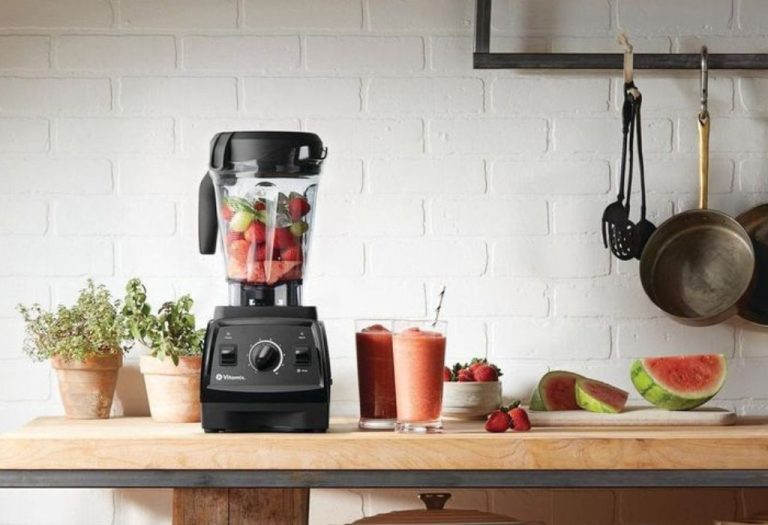
If you’re squeezing fresh juice at home, you’re probably wondering how to clean plastic juicer jar properly. It’s a common challenge! Juicer jars can get stained or hold onto pulp, making cleaning seem tricky. But don’t worry, it’s easier than you think. This guide will walk you through a simple, step-by-step process to keep your juicer jar sparkling clean. Ready to get started?
Understanding Why Cleaning Your Juicer Jar Is Important
Keeping your juicer jar spotless isn’t just about appearances; it’s a key part of maintaining the quality of your juice and the longevity of your juicer. Food particles and residue that remain after juicing can become a breeding ground for bacteria and mold. This not only affects the taste of your juice but can also pose health risks. Regular cleaning prevents this buildup and ensures that your juicer jar remains a safe and sanitary environment for preparing your favorite beverages. Avoiding this buildup will allow you to continue enjoying freshly squeezed juices.
The Problems of Neglecting Juicer Jar Hygiene
Ignoring the cleaning needs of your juicer jar can lead to several problems. Dried-on pulp and stains not only look unappealing but also make future cleaning tasks harder. Over time, these residues can cause unpleasant odors that transfer to your juice, ruining its taste and nutritional value. Furthermore, the buildup of bacteria and mold can cause you to fall ill. Regular cleaning of your plastic juicer jar helps maintain its original transparency and function. It also extends the lifespan of your juicer by preventing damage caused by stubborn buildup.
- Odor Issues: Bacteria and old food particles can produce foul smells, especially in a warm environment. This can quickly spoil your juice.
- Health Hazards: Mold and bacteria can form on dirty surfaces. They can grow unseen, and contaminate your juice with harmful germs.
- Difficulty in Cleaning: The longer you wait to clean the jar, the more difficult it will become. Dried pulp is very difficult to remove.
If you have any food particles stuck on the inside, those particles can start emitting unpleasant smells. These odors will transfer to your next juice, changing its overall flavor. This makes your juices less appetizing and also less healthy to drink. Regular cleaning will keep odors away.
The inside of your plastic juicer jar can become a perfect place for mold and bacteria to grow. These can cause some health problems. Regular cleaning practices will make sure your juice is safe for you to drink. So you don’t have to worry about drinking something that might be harmful.
If you put off cleaning your juicer jar, the juice pulp will dry and become more difficult to remove. This will require more time and effort to clean, and you might need extra tools. Routine cleaning will prevent this problem and allow you to clean the juicer jar easily.
The Best Practices for Immediate Cleaning
The best way to keep your juicer jar in top condition is to clean it immediately after each use. This immediate action prevents food particles from drying and sticking to the plastic. Rinsing the jar with warm water right away removes most of the pulp and residue, making the cleaning process much easier later on. A quick rinse will keep your jar fresh, but a regular process is the best.
- Rinse Immediately After Use: Pour warm water into the jar and swish it around to remove loose particles. This is the first and most important step to prevent residue buildup.
- Use Warm Water: Warm water is more effective at removing oils and sticky substances compared to cold water. Avoid using hot water, as it can potentially warp some types of plastic.
- Avoid Harsh Chemicals: Steer clear of harsh chemicals or abrasive scrubbers, which can scratch the plastic and reduce its lifespan. Stick to gentle soap and soft sponges.
It’s best to rinse the jar immediately after juicing. Pour some warm water in the jar and move the water around to remove loose particles. You can do this quickly, which can save time in your overall process.
Warm water works the best to remove residue from the jar. It is effective at removing oils and other things from the surface. You do not want to use hot water, since it can possibly damage the juicer.
Do not use any harsh chemicals, as they can damage the plastic. Make sure to use gentle soap and a soft sponge. This will ensure your juicer jar remains intact and functioning as it should.
Step-by-Step Guide on How to Clean Plastic Juicer Jar
Cleaning your juicer jar doesn’t require complex methods or specialized tools. Following these simple steps will ensure your jar is sparkling clean every time. The key is to be consistent and to take action after each juice session to prevent buildup. By following these steps, you’ll ensure that you have a clean jar every time you prepare juice.
Gathering Your Cleaning Supplies
Before you begin, gather all the necessary supplies to make the cleaning process easier and more efficient. The right tools can make the job much faster. Ensuring you have everything ready prevents interruptions and helps you to stay focused on the task at hand. Keep these items near your juicer for easy access, which encourages you to clean immediately after each use. This simple act of preparation makes the entire process more streamlined and less of a chore.
- Dish Soap: Choose a gentle, non-abrasive dish soap.
- Warm Water: Have a source of warm (not hot) water available.
- Soft Sponge or Cloth: Use a soft sponge or cloth to scrub the jar.
- Small Brush (Optional): A small brush can help reach tight areas.
Select a dish soap that is gentle and won’t damage the plastic. Harsh soaps can be too abrasive and might cause some damage. When choosing dish soap, look for one that is good for the environment.
Warm water helps remove residue more effectively than cold water. It loosens the food particles, making it easier to wash away. Avoid hot water, which could potentially warp the plastic of the juicer jar.
Use a non-abrasive sponge or cloth to clean your juicer jar. These materials will help you to remove all of the pulp and stains without damaging the plastic. Be sure to select a sponge that will work for your juicer jar.
If you want a deeper cleaning, you can get a small brush. It can help you reach the tight areas. These are also very useful if you have a model with a narrow neck.
The Cleaning Process
Now that you have your cleaning supplies ready, you can start the process of cleaning your plastic juicer jar. This method will keep your juicer jar clean. The whole process should only take a few minutes if you do it right after juicing.
- Rinse the Jar: Start by rinsing the jar under warm water to remove any loose pulp or food particles.
- Apply Soap: Squirt a small amount of dish soap into the jar.
- Scrub the Jar: Use a soft sponge or cloth to scrub the inside of the jar. Pay special attention to any areas where pulp might be stuck.
- Rinse Thoroughly: Rinse the jar under warm water until all traces of soap are gone.
- Dry the Jar: Allow the jar to air dry, or dry it with a clean towel.
The first step to cleaning your juicer jar is to rinse it off with warm water. This will remove any loose particles that remain. Doing this step will make it easier to clean the rest of the jar.
You can use any of the gentle dish soaps you have to clean your juicer jar. Use just a small amount, to ensure it doesn’t cause any problems.
Once you put the soap into the jar, then you can use the sponge to scrub the inside of it. Make sure you get all the stains and pulp on the inside. You can use a small brush to reach the areas you can’t access with a sponge.
Make sure you rinse the jar under warm water. Keep rinsing it until all the soap is gone. This will help make sure there is no soap residue left on the jar.
The final step is to make sure your juicer jar is fully dry. You can either air-dry it or use a clean towel to dry it. Make sure it is fully dry before putting it back together.
Dealing With Stubborn Stains and Buildup
Sometimes, despite your best efforts, stains and residue can build up, especially if you juice frequently or let the jar sit for a while before cleaning. These stains can be difficult to remove, but several strategies can help restore your juicer jar to its original condition. Addressing these stubborn spots will require some extra steps.
Using Baking Soda for a Deep Clean
Baking soda is a fantastic natural cleaner that is effective, safe, and inexpensive. Its mild abrasive properties can gently remove stains without damaging the plastic. The process is straightforward, and the results can be remarkable, leaving your jar clean and fresh. Remember to rinse thoroughly after using baking soda to remove any residue.
- Make a Paste: Mix baking soda with a small amount of water to create a paste.
- Apply the Paste: Apply the paste to the stained areas inside the jar.
- Gently Scrub: Use a soft cloth or sponge to gently scrub the paste onto the stains.
- Rinse Well: Rinse the jar thoroughly with warm water to remove all the baking soda.
Baking soda paste works well to clean plastic juicer jars. You can mix the baking soda with a small amount of water to create the paste. This paste will make the stains and residue easier to remove.
Once the paste is made, you can apply it to the spots that have been stained. Try to cover the stains with the paste for the best results. You will want to let it sit for a few minutes to get the best results.
Use a soft cloth or sponge to scrub the paste onto the stains. You want to make sure you get all the stains, and remove the paste once you are done.
After you scrub all the stains, you can rinse the jar with warm water. Make sure to rinse off all of the baking soda. Then you can dry it and use it again.
Vinegar for Sanitizing
Vinegar is a natural disinfectant. It is great for removing odors and sanitizing your juicer jar. Vinegar’s mild acidity helps break down residues and eliminate bacteria, making it an excellent choice for a deeper clean. This method is especially helpful if your jar has developed any unpleasant smells.
- Mix Vinegar and Water: Create a solution of equal parts white vinegar and warm water.
- Soak the Jar: Pour the solution into the jar and let it soak for about 30 minutes.
- Scrub and Rinse: Scrub the jar with a sponge and rinse thoroughly with warm water.
Mix equal parts of white vinegar and warm water to create your solution. Use this solution for your cleaning needs.
Once you make the solution, you can pour it into the jar. Let it soak for about 30 minutes. This will allow the vinegar to do its job and remove all the particles.
Use the sponge to scrub the jar. Then rinse it off with warm water. Your jar should be nice and clean again.
Troubleshooting Common Cleaning Problems
Even with the right methods, you might encounter issues such as lingering odors or persistent stains. Knowing how to address these specific problems ensures that your juicer jar remains clean and functional. Addressing these problems immediately will stop them from causing further issues.
- Lingering Odors: If odors persist, try soaking the jar in a baking soda and water solution overnight.
- Persistent Stains: For stubborn stains, repeat the baking soda paste or vinegar soak, extending the soaking time.
- Plastic Discoloration: Regular cleaning and avoiding direct sunlight can help prevent discoloration. If it occurs, it’s usually cosmetic and doesn’t affect the juicer’s function.
If you’re still having issues with odor, you can soak it in baking soda and water overnight. This is the best way to get rid of any bad odors.
If you have stubborn stains, you can repeat the process and make sure you leave it soaking longer. This should help get rid of those tough stains.
To avoid plastic discoloration, make sure you’re cleaning your juicer jar regularly. You also want to avoid direct sunlight, as this can discolor the plastic. If discoloration happens, it shouldn’t affect how your juicer works.
Preventing Future Cleaning Challenges
While knowing how to clean your juicer jar is important, taking steps to prevent future cleaning issues makes the process much easier. By making some adjustments to how you use and care for your juicer, you can significantly reduce the effort required for maintenance. Consistency is the key to maintaining a clean juicer jar.
Pre-Juicing Preparation
Preparing your ingredients before juicing can also help to minimize cleaning issues. This approach can minimize the amount of residue left in the jar. Following this method will make the cleaning process easier.
- Pre-Cut Ingredients: Cut fruits and vegetables into manageable sizes to reduce pulp buildup.
- Remove Pits and Large Seeds: Remove any pits or large seeds to prevent them from breaking down and creating extra residue.
Before you juice, cut all of your fruits and vegetables into smaller sizes. This helps to reduce any pulp buildup. It will also help your juicer to work better.
Removing the pits and large seeds will make it easier to clean. It will prevent extra residue buildup. Your juicer will work more efficiently.
Proper Juicer Use and Care
The way you use your juicer also impacts how easy it is to clean. Using your juicer correctly will help to prevent cleaning issues. You will be able to enjoy your juice more if you make these changes.
- Feed Slowly: Avoid overloading the juicer, feeding ingredients in small amounts.
- Follow Instructions: Always follow the manufacturer’s guidelines for juicing.
- Regular Inspections: Check the juicer for damage or wear after each use.
You want to avoid overloading the juicer. Feed your ingredients slowly. Doing this will keep your juicer functioning at its best, and will keep your jar from getting dirty.
Make sure you read the instructions that came with your juicer. Following these guidelines will keep your juicer running for a long time.
After each use, inspect your juicer to make sure there is no damage. Doing this can make your juicer last longer. This will ensure your juicer is operating at its best.
Storage Considerations
How you store your juicer jar can also influence its cleanliness and longevity. Proper storage will help ensure that your juicer jar remains clean and ready for use. These simple storage tips will help prevent any future cleaning problems.
- Dry Thoroughly: Always ensure the jar is completely dry before storing to prevent mold and mildew.
- Proper Airflow: Store the jar in a well-ventilated area to prevent odors and moisture buildup.
- Protective Placement: Keep the jar away from direct sunlight and extreme temperatures to prevent damage.
You want to make sure your juicer jar is dry before you put it away. This helps to avoid mold and mildew from growing. Doing this step will allow your jar to remain clean for your next use.
Storing the jar in a place with a lot of airflow will help. This prevents moisture buildup, and will prevent any bad odors. So when you use your juicer again, the jar will be fresh and clean.
Keep your juicer jar away from direct sunlight, and extreme temperatures. Doing this will prevent any damage to your juicer jar.
Advanced Cleaning Techniques
Sometimes, more challenging stains may require more specialized techniques. These methods may not be necessary for regular cleaning. However, if you are struggling with stubborn stains, these advanced cleaning techniques will help.
Dealing with Tough Stains
Occasionally, you will have to deal with stains that don’t easily come off. These tips will help you tackle the toughest stains. They will ensure your jar is spotless.
- Hydrogen Peroxide: Use a solution of hydrogen peroxide and water for persistent stains.
- Dishwasher: If your juicer jar is dishwasher-safe, use this method for a deeper clean.
- Specialized Cleaners: Consider commercial juicer jar cleaners for stubborn issues.
If you’re still dealing with tough stains, then you can use hydrogen peroxide. You can mix it with water to get rid of those persistent stains. It may take some time, but it should work.
If your juicer jar can be put in the dishwasher, you can use that. This is a good way to give your juicer jar a deeper clean. Be sure to look at the instructions to make sure your juicer is dishwasher-safe.
If all else fails, there are commercial cleaners made to clean your juicer jar. These cleaners are designed to remove difficult stains and residue. Always follow the instructions when using these cleaners.
Deep Cleaning Methods
For a thorough cleaning, you can try some of these methods. These techniques will give your juicer jar a deep clean. This is especially good if you use your juicer a lot.
- Boiling Water: Carefully pour boiling water into the jar, let it sit, then scrub and rinse.
- Oven Cleaning: Check if your jar is oven-safe, and if so, use oven cleaning methods.
Carefully pour boiling water into your juicer jar. Let the boiling water sit for a while, and then scrub the jar. Rinse it after scrubbing it. Your juicer should be very clean.
Be sure that your jar is oven-safe. Then you can use the oven cleaning methods. This will depend on the materials, and is not a common practice.
Frequently Asked Questions
Question: Can I put my plastic juicer jar in the dishwasher?
Answer: Check your juicer’s manual for dishwasher-safe instructions. Some plastic jars are dishwasher safe, while others may warp or become damaged.
Question: What’s the best way to remove stains from my juicer jar?
Answer: A baking soda paste or a vinegar soak are effective natural methods for removing stains. Make a paste of baking soda and water or use a solution of white vinegar and water.
Question: How often should I clean my juicer jar?
Answer: Clean your juicer jar immediately after each use to prevent residue buildup and make cleaning easier. If you juice frequently, you may want to do a deeper clean weekly.
Question: Can I use bleach to clean my juicer jar?
Answer: Avoid using bleach, as it can damage the plastic and leave behind harmful residues. Instead, stick to gentle soaps, baking soda, and vinegar.
Question: How do I remove lingering odors from my juicer jar?
Answer: Soak the jar in a baking soda and water solution overnight. Rinse thoroughly afterward to remove any remaining odors.
Final Thoughts
Knowing how to clean plastic juicer jar properly is essential for anyone who enjoys fresh juice at home. It protects both the cleanliness and the safety of your juice. The process is simple: rinse immediately after use, use a gentle soap and soft sponge, and address any stubborn stains with natural cleaners like baking soda or vinegar. By incorporating these steps into your routine, you can keep your juicer jar in excellent condition. Remember, a little effort after each use goes a long way. So, next time you’re juicing, embrace these simple steps to enjoy the freshness and benefits of your favorite juices without the worry of a messy cleanup. Keep your juicer clean, and enjoy your delicious, healthy drinks!

I’m Emma J. Caldwell, the founder, lead writer, and home-cooking enthusiast behind KitchenGuideCo.com. With a background in culinary arts and over a decade of cooking experience in both professional and personal kitchens, I created this platform to demystify recipes, offer smart kitchen gadget reviews, and guide readers through meal prep with confidence and clarity.