If you love rice, you probably use a rice cooker! One common question is how to clean rice cooker heating plate. This can seem tricky at first, especially if you’ve never done it before. Don’t worry! It’s easier than you think. This guide will walk you through simple, step-by-step instructions to keep your rice cooker in tip-top shape. We’ll explore why cleaning is essential and what you’ll need. Let’s get started and keep your rice cooker cooking perfectly!
Why Keeping Your Rice Cooker Clean Matters
Your rice cooker is a hardworking appliance. It steams, it simmers, and it keeps your rice warm. Over time, rice particles, water spills, and food splatters can accumulate on the heating plate. This buildup can affect how well your cooker works, causing uneven heating, burnt rice, or even affecting the taste. Regular cleaning ensures your cooker functions efficiently and extends its lifespan. Neglecting cleaning can lead to more significant problems down the line, requiring more effort and potentially causing your rice cooker to fail. A clean cooker also prevents the growth of mold or bacteria, making your meals safer and tastier.
The Risks of a Dirty Heating Plate
A dirty heating plate presents a few problems. It’s not just about appearances. First, uneven heating is a common issue. Rice might cook inconsistently, with some parts undercooked and others burnt. Second, a dirty surface can make the cooker less efficient, using more energy to get the job done. Third, food particles can start to burn and stick, leading to a strange smell and possibly affecting the taste of your rice. The accumulation of food residue can provide a breeding ground for bacteria or mold, which is not good for your health. Prevent these issues by knowing how to clean your rice cooker heating plate.
- Uneven Cooking: Food particles on the plate create hot spots, causing some areas of rice to burn while others remain uncooked.
- Reduced Efficiency: A dirty plate requires more energy to heat up effectively, wasting power.
- Bad Odors and Taste: Burnt food residue can transfer off-flavors and odors to the rice.
- Hygiene Concerns: Food debris can attract bacteria and mold, potentially impacting health.
- Shorter Lifespan: Neglecting cleaning can damage the heating element and other components.
What You Need for the Job
Fortunately, you don’t need fancy tools to clean your rice cooker. You likely have everything you need in your kitchen. Gathering the right materials beforehand makes the cleaning process much easier and quicker. You don’t want to start, only to find you’re missing something essential. Preparation is key to a smooth and effective cleaning session. Most of the items are readily available and affordable. The important thing is to use gentle cleaning methods to avoid damaging the heating plate.
- Warm Water: For rinsing and softening any stuck-on food.
- Mild Dish Soap: Provides cleaning power without harsh chemicals.
- Soft Sponge or Cloth: To gently scrub the heating plate and other surfaces.
- Paper Towels or a Clean Towel: For drying all parts thoroughly.
- Optional: White Vinegar: To help remove stubborn stains or mineral buildup.
- Optional: Baking Soda: For more difficult stains.
How to Clean Rice Cooker Heating Plate Step-by-Step
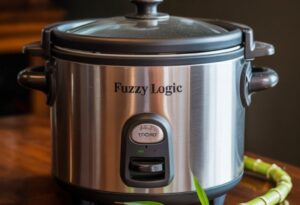
Now, let’s get into the step-by-step process of cleaning your rice cooker. This is the core of what you came here for. Following these instructions will help you clean your appliance safely and make the task less daunting. Remember, patience and gentle cleaning are the keys to success. Don’t rush; take your time. You’ll be surprised at how easy it is to maintain a clean and efficient rice cooker.
Step 1: Unplug and Cool Down
Safety first! Before you do anything, unplug your rice cooker from the power source. This prevents any risk of electrical shock. Wait until the appliance has completely cooled down. This step is often overlooked but important to your safety. The heating plate gets very hot during operation, and touching it while hot can cause burns. Give it at least 30 minutes to an hour to cool, or even longer if it’s been running for a long time. Once the cooker is cool, you can safely begin the cleaning process.
Step 2: Prepare Your Cleaning Solution
Next, prepare your cleaning solution. In a small bowl or container, mix warm water with a few drops of mild dish soap. Avoid using harsh chemicals or abrasive cleaners, as these can damage the non-stick coating of the inner pot or the heating plate itself. The goal is to create a gentle cleaning agent that will effectively remove any food residue. If you have any stubborn stains or mineral buildup, you can add a small amount of white vinegar to the solution. Baking soda can also be used as a paste for difficult spots. A balanced cleaning solution makes the cleaning process easier and more effective.
Step 3: Wipe the Heating Plate
Dip your soft sponge or cloth into the soapy water. Gently wring out any excess water. Wipe the heating plate in circular motions to remove any loose food particles. Be careful not to use excessive pressure, which could damage the surface. If you encounter any stuck-on food, let the soapy water sit on the area for a few minutes to soften it. For extra stubborn stains, you can carefully use a baking soda paste. Rinse the sponge or cloth frequently in clean water to remove any dislodged food. This step focuses on removing the dirt and debris. Always prioritize gentleness to keep your cooker in great shape.
Step 4: Clean the Exterior and Lid
While you’re at it, it’s also a good idea to clean the exterior of the rice cooker and the lid. Use the same soapy water and a clean cloth to wipe down the exterior surfaces. Pay attention to the areas around the buttons and any vents, where food splatters can accumulate. Remove the lid (if it’s removable) and wash it separately with soap and water. Rinse the lid thoroughly and let it air dry completely. This step ensures that your entire rice cooker is clean. Cleaning the whole cooker helps prevent odors and keeps your kitchen hygienic.
Step 5: Rinse and Dry Thoroughly
Rinse your sponge or cloth thoroughly under clean water to remove all traces of soap. Wipe the heating plate again to remove any soap residue. Use a clean, dry paper towel or a soft towel to dry the heating plate completely. Make sure there is no moisture left, as this can lead to rust or corrosion. Pay special attention to the edges and any crevices. Ensure all parts are completely dry before reassembling the rice cooker. Careful drying will keep your cooker in excellent condition for a long time. Proper drying prevents the growth of mold or mildew.
Troubleshooting Common Cleaning Issues
Even with the best care, you might encounter some challenges when cleaning your rice cooker. These problems are common, and there are easy solutions. Knowing how to handle these issues will save you time and frustration. Let’s tackle some of the problems that commonly appear when cleaning your appliance. These tricks will help you maintain your cooker in peak condition, from removing hard water stains to dealing with stubborn food residue. Let’s explore these common cleaning challenges.
Dealing With Stubborn Food Stains
Sometimes, food residue can be particularly stubborn and difficult to remove. If regular cleaning doesn’t get rid of it, try the following methods. Create a paste of baking soda and water, and apply it to the stain. Let it sit for a few minutes, then gently scrub with a soft sponge or cloth. For tougher stains, you can also try soaking the heating plate with warm, soapy water for a longer period. Avoid using abrasive scrubbers or steel wool, as they can damage the surface of the heating plate. Patience and a little extra effort usually do the trick.
- Baking Soda Paste: Mix baking soda with water to create a paste. Apply it to the stain, let it sit, then gently scrub.
- Soaking: Soak the heating plate with warm, soapy water for a longer period to loosen stubborn stains.
- Avoid Abrasives: Stay away from scrubbers or steel wool. They can scratch the surface.
- Vinegar Solution: For tougher stains, use a small amount of vinegar mixed in with soapy water.
- Gentle Scrubbing: Always use a soft sponge or cloth to prevent scratches.
Removing Hard Water Stains
Hard water can leave mineral deposits on the heating plate, causing white or light-colored stains. These stains aren’t harmful, but they can affect the performance of your rice cooker. To remove hard water stains, you can use a solution of white vinegar and water. Soak a soft cloth in the vinegar solution and gently wipe the heating plate. Let the solution sit for a few minutes to dissolve the mineral deposits. Rinse thoroughly with clean water, and then dry the plate completely. Regular cleaning with vinegar can prevent the buildup of hard water stains.
Cleaning the Inner Pot
The inner pot also needs cleaning after each use. Remove the pot from the cooker and wash it with warm, soapy water. Use a soft sponge or cloth to prevent scratching the non-stick coating. Rinse the pot thoroughly to remove all traces of soap. If food has stuck to the bottom of the pot, soak it in warm, soapy water for a while before cleaning. Always dry the pot completely before placing it back in the rice cooker. Maintaining a clean inner pot will help ensure your rice cooks evenly and tastes great.
Tips for Maintaining a Clean Rice Cooker
Keeping your rice cooker clean doesn’t have to be a major chore. A few simple habits can make a big difference in maintaining its cleanliness and prolonging its lifespan. These tips will help you avoid major cleaning problems in the first place. You can keep your rice cooker in top-notch condition by incorporating these small habits into your regular routine. Prevention is easier than cure. These tips will make keeping your appliance clean a breeze.
Regular Cleaning Frequency
How often should you clean your rice cooker? Ideally, you should wipe down the heating plate after each use to remove any spills or food particles. It’s a quick process that prevents buildup. Deep cleaning the heating plate and other parts of the rice cooker should be done more thoroughly, perhaps once a week or every few uses, depending on how often you cook rice. The goal is to keep it fresh and prevent the accumulation of food residue. The more often you use your rice cooker, the more often you should give it a quick cleaning.
Proper Rice Preparation
The way you prepare your rice can affect how clean your cooker stays. Rinse your rice before cooking to remove excess starch. This reduces the chance of rice sticking to the heating plate. Avoid overfilling the pot with water, which can cause boil-over and splatter. Be careful when scooping rice out to prevent scratching the heating plate. Following these steps can help keep the cooker cleaner, making cleaning easier. These extra steps can help minimize spills and food residue.
Using the Right Utensils
Use only the plastic or wooden serving spoon that came with your rice cooker. Using metal utensils can scratch the non-stick coating of the inner pot and the heating plate. Avoid sharp objects or abrasive materials. Using the correct tools is important for the life of your cooker. A scratched surface can be difficult to clean and may affect the cooker’s performance. Choosing the right utensils will protect the appliance. This extends the lifespan of your appliance.
Frequently Asked Questions
Question: How often should I clean the heating plate?
Answer: Wipe the heating plate after each use. Give it a more thorough cleaning weekly or as needed.
Question: Can I use harsh chemicals to clean the heating plate?
Answer: No. Harsh chemicals can damage the surface of the heating plate. Use mild dish soap and water.
Question: What if I have stubborn stains on the heating plate?
Answer: Try a baking soda paste or soak the plate in warm, soapy water for a while.
Question: Should I unplug the rice cooker before cleaning?
Answer: Absolutely. Always unplug the rice cooker and let it cool down before cleaning.
Question: What can I use to dry the heating plate?
Answer: Use a clean, dry paper towel or soft towel to dry the heating plate completely.
Final Thoughts
Learning how to clean rice cooker heating plate is a valuable skill for any rice lover. You’ve now learned the key steps, from unplugging and cooling down, preparing your cleaning solution, and gentle wiping to thorough rinsing and drying. Remember, regular cleaning with mild soap and water, combined with proper usage habits, will keep your appliance working at its best. Taking these steps is an important part of making delicious rice. Don’t be afraid to clean your cooker; it’s a simple process that guarantees perfect rice every time. Keep your appliance in great shape, and enjoy perfectly cooked rice for years to come!

I’m Emma J. Caldwell, the founder, lead writer, and home-cooking enthusiast behind KitchenGuideCo.com. With a background in culinary arts and over a decade of cooking experience in both professional and personal kitchens, I created this platform to demystify recipes, offer smart kitchen gadget reviews, and guide readers through meal prep with confidence and clarity.