If you’re wondering how to clean rice cooker lid, you’re in good company! It’s a common question, especially for those new to cooking rice. Food splatters and steam can quickly make the lid a sticky mess. Cleaning this part can seem tricky at first, as it’s often made of different materials and has detachable parts. But don’t worry! This guide will provide simple, step-by-step instructions to get your rice cooker lid spotless. We’ll start with the basics, making it easy to keep your appliance in top shape. Ready to get started?
Understanding Your Rice Cooker Lid
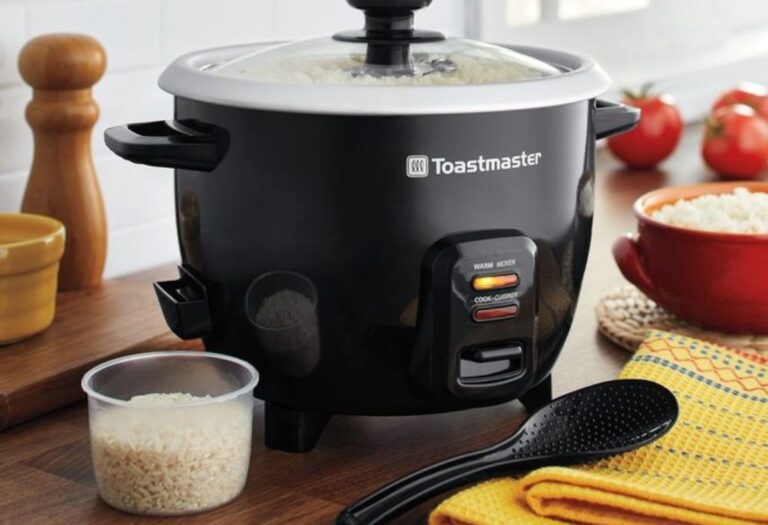
Before exploring the cleaning process, it’s vital to familiarize yourself with your rice cooker lid. Lids are typically made of plastic or stainless steel, and may have a detachable inner lid, vent, and steam release components. These components collect condensation and food particles during the cooking process. Over time, these residues can harden, forming a sticky layer that can affect performance and potentially harbor bacteria. Ignoring lid cleaning could also impact the taste of your rice, as old food particles may contaminate the steam. Different rice cooker models may have varying lid designs, but the fundamental cleaning principles remain consistent. Knowing the parts will help you maintain your appliance.
Examining the Components
A typical rice cooker lid can have several parts, each requiring specific attention during cleaning. The primary component is the outer lid, which often houses the steam vent. The inner lid, often detachable, is the part that directly contacts steam and condensation. Steam vents help regulate the pressure and release excess steam during cooking, and these also need special attention. Many lids also feature a rubber gasket or seal, that helps create a tight fit and prevent steam from escaping. Knowing the parts and how they fit is key to avoiding damage during cleaning. Inspecting your rice cooker regularly will help spot any potential issues before they become major problems, preserving the lifespan of your appliance.
- Outer Lid: The main structure of the lid, often made of plastic or stainless steel, protecting the inner components. The outer lid should be wiped with a damp cloth after each use to remove any splatters.
- Inner Lid: Usually detachable, designed to capture condensation. This part should be washed more frequently, as it’s directly exposed to steam and food particles.
- Steam Vent: A small opening where steam escapes. It should be cleaned regularly to prevent clogs that affect cooking efficiency.
- Gasket/Seal: A rubber or silicone ring that creates a tight seal. This part helps prevent leaks. Check regularly for wear and tear, as this part might need to be replaced.
Material Matters
The material of your rice cooker lid dictates the cleaning methods you should use. Plastic lids are common and usually easy to clean, but are vulnerable to high heat. Stainless steel lids are more durable and can withstand higher temperatures. However, they may show water spots. Always check your rice cooker’s manual for specific instructions regarding the lid material, because it might not be suitable for the cleaning methods described in this article. Using the wrong cleaning agents or tools can scratch or damage the surface, reducing the lifespan of your lid and potentially affecting the taste and safety of your cooked rice. Knowing the materials helps you choose the safest and most effective cleaning approach.
- Plastic Lids: Generally safe to clean with soap and water, avoid abrasive cleaners or excessive heat.
- Stainless Steel Lids: More durable. You can clean these with a wider range of cleaners and use slightly warmer water, but avoid abrasive pads.
- Glass Lids: Often found on some rice cookers. These are sturdy but may crack if subjected to extreme temperature changes. Clean gently with soap and water.
Detachable vs. Non-Detachable Lids
Some rice cooker lids are fully detachable, while others are fixed to the appliance. A detachable lid makes the cleaning process easier because you can take the entire lid to the sink. You can immerse it in soapy water, making it easier to reach every corner. Non-detachable lids require you to clean them while they are still attached to the appliance. This can be a bit more challenging, as you need to be careful not to get water inside the appliance itself. Understanding which type you have will inform your cleaning approach. No matter the type, regular cleaning will help to maintain your rice cooker’s performance.
- Detachable Lids: These are easier to clean. Remove the lid and wash it thoroughly in the sink. This design makes it easier to clean every nook and cranny.
- Non-Detachable Lids: Cleaning a fixed lid requires more care. You need to wipe it down carefully, being careful not to spill water into the cooker’s electrical parts.
The Step-by-Step Guide on How to Clean Rice Cooker Lid
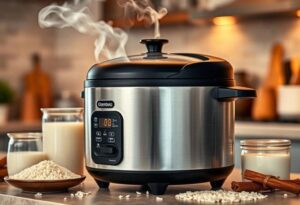
Cleaning your rice cooker lid might seem complex, but it’s a straightforward process when broken down into simple steps. This guide provides a detailed approach to efficiently clean your rice cooker lid. Regular cleaning will keep your appliance working at its best. Follow these steps to maintain a clean and functioning rice cooker. These practices will prevent the buildup of residue that can affect the quality of your rice and keep your kitchen appliances operating at their maximum level. This also ensures your food is safe and tastes great.
Gather Your Supplies
Before starting, gather the right tools and supplies. Having everything ready saves time and ensures a smooth cleaning process. The right tools also help prevent damage to your rice cooker. These simple items are easily accessible. Keeping these on hand will make the cleaning process quick and easy. This preparation is a small step, that greatly enhances the effectiveness of cleaning.
- Mild Dish Soap: Provides the cleaning power needed to remove food residue.
- Warm Water: Crucial for loosening food particles and rinsing the lid.
- Soft Sponge or Cloth: For gentle scrubbing without scratching the surface.
- Small Brush (Optional): Useful for cleaning tight spaces and vents.
- Clean Towel: For drying the lid.
Disassembly and Initial Rinse
Begin by unplugging your rice cooker and allowing it to cool. Detach any removable parts of the lid. If the inner lid is removable, take it out. This initial step helps to prepare the lid for cleaning by making all surfaces accessible. This also gives the appliance time to cool, preventing burns. Detaching the removable components ensures a more thorough cleaning process, allowing you to reach every crevice. Remember to consult your owner’s manual for specific instructions related to your rice cooker model. This is an essential safety precaution.
- Unplug and Cool: Always unplug the rice cooker and let it cool completely. This is a safety precaution.
- Detach Removable Parts: Take apart any detachable components of the lid, such as the inner lid and steam vent, following your user’s instructions.
- Initial Rinse: Rinse all lid components under warm running water to remove loose food particles.
Washing and Scrubbing
Use a mild dish soap and a soft sponge to wash the lid parts thoroughly. Avoid harsh chemicals or abrasive materials that can damage the surface. Be sure to scrub the inner and outer surfaces, removing any sticky residue. Pay extra attention to the steam vent and any crevices where food might accumulate. After washing, rinse all components thoroughly to remove all traces of soap. Thorough rinsing is vital to avoid soap residue, which could affect the taste of your cooked rice. This step ensures that all food particles are removed. This will also help keep the rice cooker hygienic.
- Apply Soap: Apply a small amount of mild dish soap to a soft sponge or cloth.
- Scrub Gently: Gently scrub all parts of the lid, including the inner lid, steam vent, and outer surfaces. Focus on areas where food buildup is common.
- Rinse Thoroughly: Rinse all components under running water until all soap residue is removed.
Drying and Reassembly
Once all parts are washed and rinsed, it’s time to dry them. Use a clean towel to dry each component thoroughly. This prevents water spots and helps prevent mold and mildew growth. Ensure every part is completely dry before reassembling the lid. Reassembling the lid while it is wet can trap moisture, which is never advisable. After reassembly, you can use your rice cooker safely. Proper drying is crucial for the longevity of your rice cooker. Thoroughly drying your rice cooker components is as important as the cleaning process.
- Dry All Components: Use a clean towel to dry each part of the lid completely.
- Reassemble the Lid: Reassemble all parts of the lid, ensuring everything fits securely.
- Final Check: Check the lid and all parts to make sure they are properly assembled and ready for use.
Advanced Cleaning Techniques
While the basic steps are sufficient for regular cleaning, there are techniques that can tackle tougher stains and improve the overall cleanliness of your rice cooker lid. These techniques are particularly beneficial for dealing with stubborn food residues and ensuring long-term maintenance of the appliance. You should always consult your rice cooker’s manual for recommendations. It is important to prevent scratches and damage. These advanced techniques provide methods for dealing with stubborn stains.
Dealing with Stubborn Stains
Occasionally, food residue may stick stubbornly to the lid, requiring extra effort to remove. For these situations, a paste of baking soda and water can be effective. Apply the paste to the affected areas, let it sit for a few minutes, and then gently scrub with a soft brush. For heavily stained steam vents, a cotton swab dipped in vinegar might help loosen the residue. Always rinse thoroughly after using any cleaning agents. This method is effective for tough stains. These techniques offer strategies for addressing persistent food stains.
- Baking Soda Paste: Mix baking soda and water to create a paste. Apply to the stained areas and let sit for 10-15 minutes, then scrub.
- Vinegar for Steam Vents: Dip a cotton swab in white vinegar and use it to clean the steam vent openings. Rinse thoroughly.
- Avoid Abrasives: Avoid using abrasive scrubbers or steel wool, as these can damage the lid’s surface.
Cleaning the Gasket or Seal
The gasket or seal on your rice cooker lid forms a tight seal to prevent steam leaks. It’s important to inspect the gasket regularly. Food particles and debris can accumulate around it, reducing its effectiveness. Carefully remove the gasket if possible, wash it with warm, soapy water, and rinse thoroughly. Always make sure the gasket is completely dry before re-inserting it. Proper maintenance helps to maintain the appliance’s performance and prevent damage. This step is key to preserving the appliance’s efficiency. Regular cleaning keeps your rice cooker operating effectively.
- Inspect Regularly: Check the gasket for wear, cracks, or any signs of damage.
- Remove and Wash: If detachable, carefully remove the gasket. Wash it with warm, soapy water.
- Dry and Reinstall: Ensure the gasket is completely dry before re-installing it into the lid.
Deep Cleaning Tips
For a more thorough clean, consider a deep cleaning session once a month. This can involve disassembling the lid completely and soaking the parts in a mixture of warm water and a small amount of dish soap for about 15-20 minutes. This allows the soap to penetrate any stubborn residue. After soaking, scrub each part thoroughly, rinse, and dry completely. This method helps to remove any lingering odors or build-up that may affect your cooking. This deep cleaning procedure provides a comprehensive approach to maintain the cleanliness. This method ensures that the rice cooker operates at its best.
- Disassemble Completely: Remove all detachable components.
- Soak in Soapy Water: Soak the lid components in warm, soapy water for 15-20 minutes.
- Scrub and Rinse: Scrub thoroughly and rinse all parts until clean.
Maintaining Your Rice Cooker Lid for Long Life
Proper maintenance of your rice cooker lid will prolong its lifespan. Consistent cleaning practices help prevent the accumulation of residue and potential damage. Routine care prevents issues such as performance issues. These practices save you time and preserve the appliance’s overall performance. It can also help maintain the safety and hygiene of your appliance. Regular upkeep is vital for extending the appliance’s life.
Regular Cleaning Schedule
Establish a regular cleaning schedule to maintain the hygiene and functionality of your rice cooker lid. After each use, wipe down the outer lid with a damp cloth to remove any splatters or spills. Wash the inner lid and steam vent after each use. A thorough deep cleaning should be performed at least once a month. Consistency is important, and you should set reminders. This will help you keep up with cleaning efforts. Regular cleaning ensures your rice cooker runs efficiently and keeps your rice tasting great. This schedule ensures that your appliance stays in good working condition.
- After Each Use: Wipe down the outer lid with a damp cloth.
- After Every Use: Wash the inner lid and steam vent.
- Monthly: Perform a deep clean of all lid components.
Preventive Measures
You can take preventative measures to minimize the need for extensive cleaning. When cooking, avoid overfilling the rice cooker to prevent spills. Also, let the rice cooker cool down before cleaning to prevent steam. If the lid has removable parts, consider removing them before cooking to further limit food splatters. These preventative measures can substantially reduce the buildup of food particles. These methods are simple and save time. Regular actions save cleaning time and improve the life of the appliance.
- Avoid Overfilling: Do not overfill the rice cooker to prevent spills.
- Let it Cool: Allow the rice cooker to cool before cleaning.
- Use a Liner (Optional): Consider using a liner to reduce splatters and ease cleaning.
Recognizing Signs of Wear and Tear
Regular inspection is essential for spotting signs of wear and tear, that may affect performance. Regularly check the gasket and the inner lid for cracks, warping, or other damage. Replace these components immediately if any damage is noticed. Pay attention to how the rice cooker is cooking. Any changes in performance, like steam leaks or uneven cooking, can indicate that cleaning is necessary. This will also help you determine whether any parts need replacing. Timely replacement and intervention prevent further damage and help maintain peak performance.
- Check the Gasket: Look for cracks or deterioration.
- Inspect the Inner Lid: Look for any signs of warping or damage.
- Monitor Performance: Pay attention to changes in cooking performance.
Frequently Asked Questions
Question: How often should I clean my rice cooker lid?
Answer: Clean the outer lid after each use. Wash the inner lid and steam vent after each use. A deep clean is needed at least once a month.
Question: Can I put my rice cooker lid in the dishwasher?
Answer: It depends on your model. Check your rice cooker’s manual. Some lids and inner components are dishwasher-safe, while others are not.
Question: What should I do if my rice cooker lid smells bad?
Answer: A bad smell indicates food buildup. Try a deep clean. Soak the lid parts in soapy water, then scrub and rinse them thoroughly. Ensure all parts are dry before reassembling.
Question: How can I remove hard water stains from my rice cooker lid?
Answer: Mix equal parts of white vinegar and water. Use a soft cloth to wipe down the lid with the solution, and then rinse with clean water.
Question: Is it safe to use abrasive cleaners on my rice cooker lid?
Answer: No, avoid abrasive cleaners, as they can scratch the surface of your lid. Use mild dish soap and a soft sponge or cloth instead.
Final Thoughts
Knowing how to clean rice cooker lid is important to maintain your appliance and cooking quality. By following the simple steps outlined, you can easily keep the lid spotless and ensure your rice always tastes great. Remember to gather your supplies, disassemble the lid, wash all the components, and then reassemble them. Regular cleaning, along with a few advanced techniques, will help you deal with any stubborn stains and prolong the lifespan of your appliance. Don’t forget to check your owner’s manual for specific instructions regarding your model. With consistent care, your rice cooker will continue to provide delicious, perfectly cooked rice for years. Now, enjoy your rice, knowing that your appliance is clean and ready for your next meal!

I’m Emma J. Caldwell, the founder, lead writer, and home-cooking enthusiast behind KitchenGuideCo.com. With a background in culinary arts and over a decade of cooking experience in both professional and personal kitchens, I created this platform to demystify recipes, offer smart kitchen gadget reviews, and guide readers through meal prep with confidence and clarity.