Casseroles are one of the most comforting and dependable dishes you can cook in the oven. They combine flavors, textures, and ingredients into a single warming meal that’s perfect for family dinners, holidays, potlucks, or weekly meal prep.
But while casseroles seem simple, just mix and bake, they actually rely on a precise balance of heat, moisture, layering, and cooking technique.
Anyone who has ever pulled out a casserole with burnt edges, a watery middle, or undercooked pasta knows how easily things can go wrong.
The beauty of an oven-baked casserole lies in slow, even heating. As the casserole cooks, ingredients release moisture, starches thicken, cheese melts, sauces reduce, and proteins tenderize.
Each layer interacts with heat differently, and oven temperature determines how these layers cook together. A well-baked casserole emerges with bubbling edges, a perfectly set center, caramelized surface, and deep, blended flavors.
Understanding how to cook casseroles properly in the oven means understanding how heat travels through thick mixtures, how different ingredients respond to temperature, and how cookware affects the final result.
Once these fundamentals are clear, casseroles become one of the easiest and most rewarding oven dishes you can prepare.
Choosing the Right Ingredients for Oven-Baked Casseroles
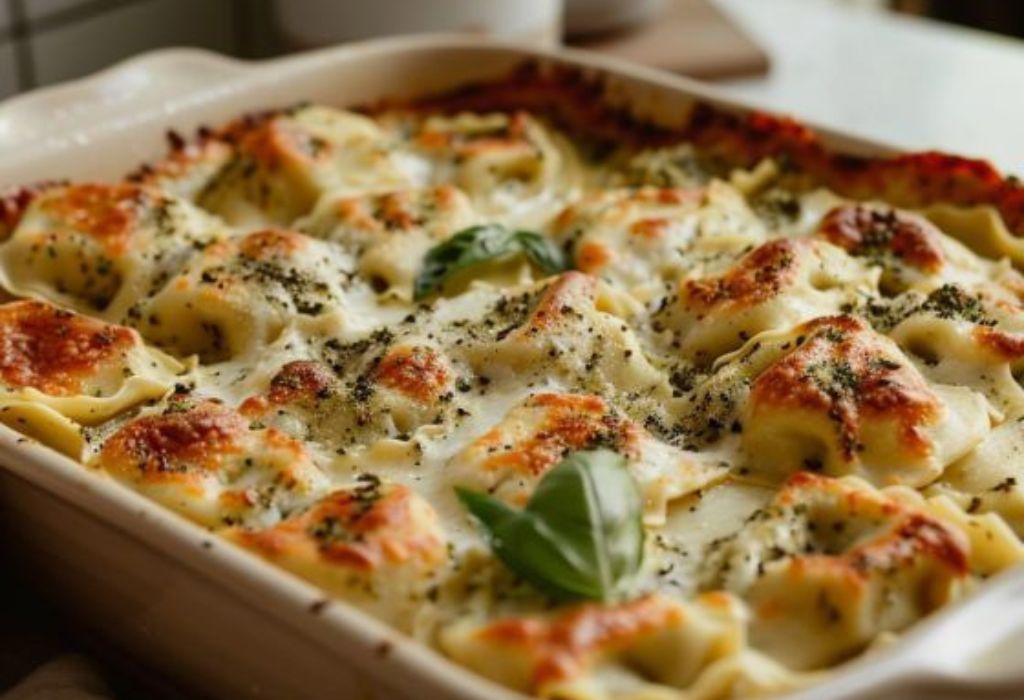
Casseroles are built on a foundation of starch, protein, vegetables, sauce, and topping. Each ingredient category plays a specific role in structure and flavor.
Starches
These act as the base that absorbs moisture and thickens the casserole. Common options include:
- Pasta
- Rice
- Potatoes
- Quinoa
- Bread cubes
Starches expand as they absorb liquid. Undercooked starches become gritty and chewy. Overcooked starches break apart and turn mushy. Knowing whether to pre-cook your starch is key for oven success.
Proteins
Meats and seafood provide flavor and structure. Most casseroles use:
- Chicken
- Ground beef
- Sausage
- Tuna
- Beans
Raw meats must be cooked before baking unless the recipe is specifically designed for raw-to-oven transition.
Vegetables
Vegetables release moisture as they bake. High-water vegetables like zucchini or mushrooms require pre-sautéing to prevent soggy casseroles.
Sauces
The sauce binds everything together. Proper sauce consistency prevents the casserole from drying out or becoming loose and watery. Sauces may be:
- Cream-based
- Tomato-based
- Broth-based
- Cheese-based
Toppings
These create caramelization and texture. Popular toppings include:
- Bread crumbs
- Shredded cheese
- Crushed crackers
- Crispy onions
Choosing the right ingredient combination determines whether the casserole bakes evenly and achieves rich, layered flavor.
Selecting the Best Casserole Dish for Oven Use
The type of baking dish you choose affects how evenly the casserole cooks. Each material conducts heat differently.
Ceramic Dishes
- Provide gentle, even heating
- Retain heat well
- Ideal for cheese-heavy or creamy casseroles
- Best for avoiding burnt edges
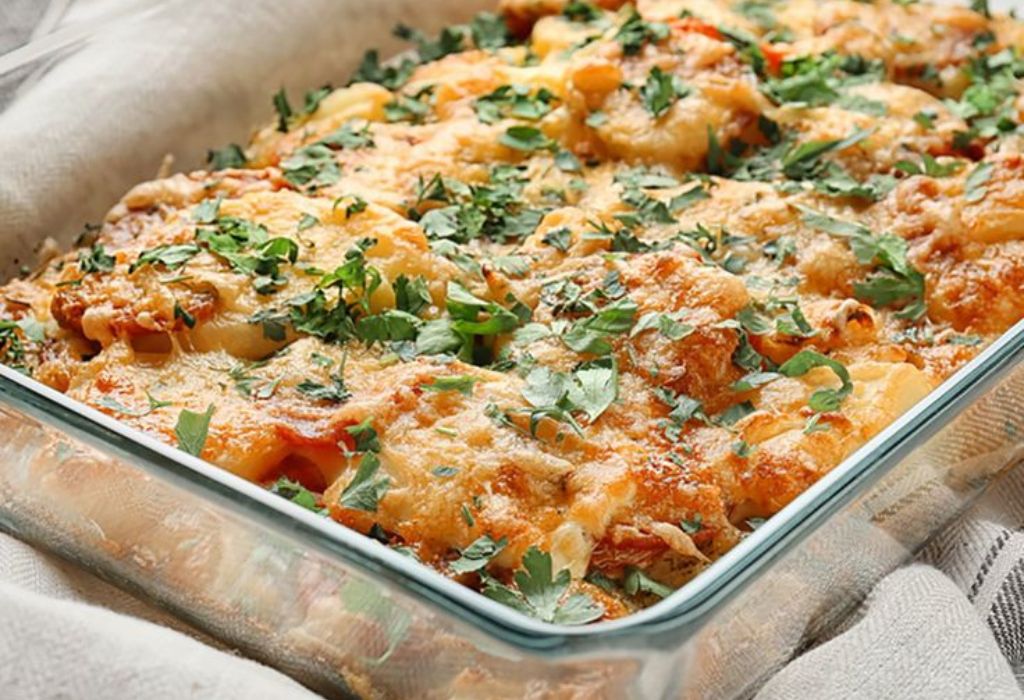
Glass Dishes
- Heat slowly but retain temperature
- Excellent for consistent baking
- Make it easy to monitor browning through the sides
- Best for layered casseroles and lasagna
Metal Pans
- Heat quickly and brown well
- Can overcook edges if used incorrectly
- Best for casseroles requiring a crisp top
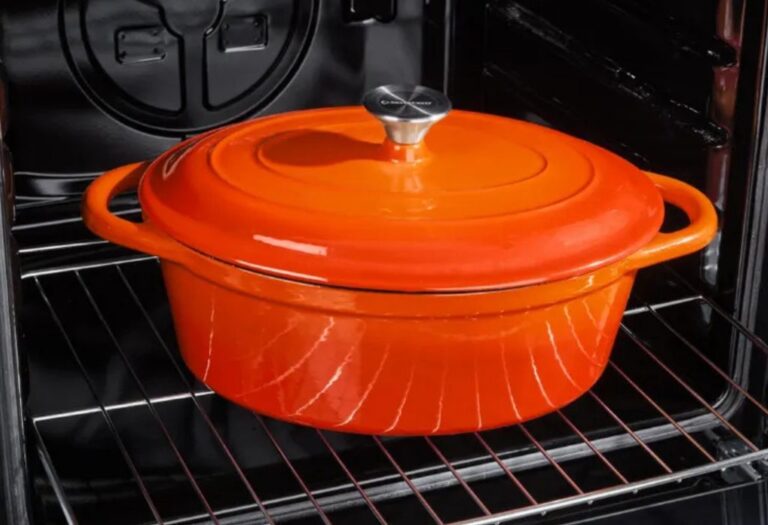
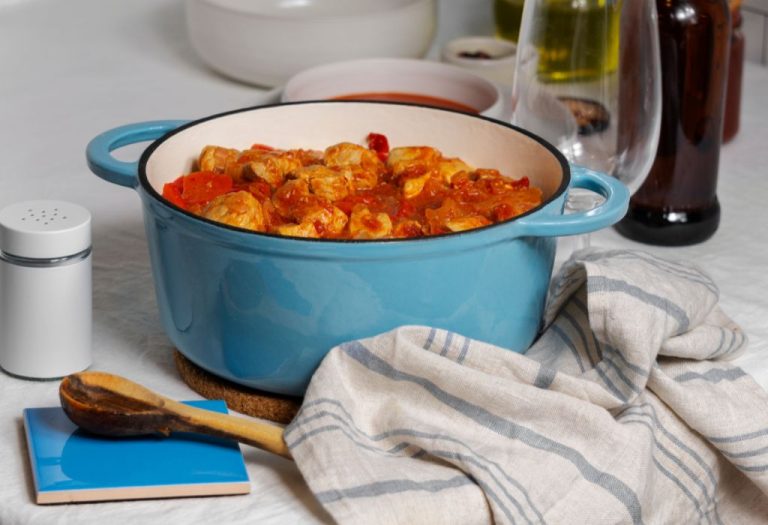
Cast Iron
- Heavy, excellent heat retention
- Perfect for deep, hearty casseroles
- Creates great browning
Dish depth also matters. Shallow dishes promote caramelization and fast baking. Deep dishes produce moist, slow-cooked casseroles.
Prepping Ingredients the Right Way Before Baking
Proper preparation ensures even cooking and prevents common casserole failures.
Precooking Proteins
Raw meats release water and fat as they cook. If not browned beforehand, this extra moisture can make casseroles oily or watery. Browning also adds flavor through the Maillard reaction.
Par-Cooking Pasta or Rice
Most casseroles require pasta cooked to very firm al dente because it will continue cooking in the oven. Rice can be partially cooked or added raw if enough liquid is included.
Pre-Sautéing Vegetables
High-moisture vegetables shrink significantly as they cook. Pre-sautéing reduces water content and deepens flavor.
Preparing the Sauce
A sauce that is too thin will cause runny casseroles. A sauce too thick will dry out. The ideal consistency is slightly loose before baking—it will tighten as starches absorb moisture.
Proper prep ensures texture is consistent from corner to center.
Building the Perfect Layered Casserole
Layering determines how heat moves through the casserole and how flavors blend. Most casseroles follow this structure:
- Base starch layer (pasta, rice, potatoes)
- Protein layer
- Vegetable layer
- Sauce layer poured evenly
- Topping layer (cheese, crumbs, etc.)
Key layering tips:
- Spread ingredients evenly to prevent hot spots.
- Add sauce between layers to avoid dryness.
- Place cheese on top only during the last 10–15 minutes unless browning is desired.
- Press layers lightly to eliminate air pockets.
- Ensure at least ½ inch of space at the top to prevent bubbling overflow.
Proper layering ensures every part of the casserole bakes evenly from top to bottom.
Best Oven Temperatures for Casserole Baking
Most casseroles bake perfectly between 350°F and 400°F depending on ingredients, moisture level, and pan depth.
350°F
Ideal for:
- Creamy casseroles
- Cheese-heavy dishes
- Dense or deep layers
- Pasta casseroles
This temperature cooks gently and prevents curdling or burning.
375°F
Ideal for:
- Balanced casseroles with meat + vegetables
- Medium moisture
- Slight top browning
400°F
Ideal for:
- Crisp, browned tops
- Shallow casseroles
- Vegetable-forward casseroles
- Dishes with high moisture that need fast reduction
Lower temperatures produce creamy, slow-baked textures. Higher temperatures produce crisp edges and browned toppings.
How Long to Cook Casseroles in the Oven
Most casseroles bake in 30 to 60 minutes depending on depth and ingredients.
Shallow casseroles (1–2 inches deep)
30–40 minutes at 375°F–400°F
Medium casseroles (2–3 inches deep)
40–50 minutes at 350°F–375°F
Deep casseroles (3 inches or deeper)
55–75 minutes at 350°F
Signs the casserole is done:
- Bubbling edges
- Internal temperature reaches 165°F for casseroles with meat
- Cheese on top is melted and golden
- Center is set and no longer liquid
Time depends more on depth and moisture than on recipe type.
Covering vs. Uncovering: When to Use Foil or a Lid
Covering the casserole controls moisture and browning.
Cover the Casserole When You Want:
- Soft, creamy texture
- Prevented drying
- Slow, moist cooking
- Even heating
Cover for at least half the bake time.
Uncover the Casserole When You Want:
- Browned top
- Crispy edges
- Reduced liquid
Uncover during the last 10–20 minutes.
A well-cooked casserole often uses a cover + uncover method to balance tenderness and texture.
How to Control Moisture in Oven-Baked Casseroles
Moisture control is the single most important factor that determines whether a casserole turns out perfectly creamy or disappointingly soggy. Every ingredient releases liquid as it heats.
Vegetables release water, meats release fat and juice, starches absorb liquid, and sauces thicken through evaporation. The balance between all of these determines the final texture.
High-moisture vegetables such as mushrooms, zucchini, spinach, tomatoes, and frozen vegetables should always be pre-cooked or drained before layering into a casserole.
If they go in raw, they release large amounts of water during baking and flood the sauce. Frozen vegetables must be fully thawed and squeezed dry.
Sauce thickness before baking also matters. A sauce that looks perfect on the stove often becomes too thin in the oven once water releases from other ingredients.
The correct sauce for casseroles should be slightly thicker than final desired consistency because it will loosen as the casserole heats, then tighten again as starches absorb moisture.
Covering the casserole during the first half of baking traps steam and keeps moisture inside. Uncovering during the final stage allows excess liquid to evaporate and the top to brown. This two-stage moisture control is the secret behind casseroles that are creamy but not watery.
How to Prevent a Soggy Casserole
A soggy casserole is usually caused by too much liquid, undercooked starch, or insufficient evaporation during baking. Prevention starts with ingredient control.
Always par-cook pasta or rice to firm texture. Fully cooked pasta absorbs less sauce and releases starch that can make the dish gummy. Under-cooked pasta absorbs liquid properly and finishes cooking in the oven.
Never add raw watery vegetables without sautéing. Mushrooms alone can release half a cup of liquid in a single pan. Spinach can release even more. Sautéing drives off excess moisture before the ingredients are layered.
Do not overload the casserole with sauce. Many home cooks assume extra sauce will make the dish creamier, but it usually creates soup instead. The correct ratio allows starches to absorb liquid while still remaining moist.
Finally, always uncover the casserole during the last 10–20 minutes of baking. This evaporation step is essential. Without it, moisture remains trapped and the casserole never fully sets.
How to Prevent a Dry Casserole
Dry casseroles happen when moisture evaporates too quickly or when starch absorbs more liquid than expected. This is common with rice casseroles, potato casseroles, and lean meat dishes.
Covering the casserole with foil during the first half of baking is the easiest protection against dryness. The trapped steam keeps the internal temperature stable and prevents premature moisture loss.
Lean proteins such as chicken breast and turkey should always be combined with generous sauce. These meats contain little internal fat and dry out quickly under oven heat.
If a casserole begins to look dry near the edges before the center is done, loosely tenting with foil quickly restores moisture balance. A small splash of warm broth poured along the edge can rescue an overly dry casserole during baking.
Choosing the right pan also prevents dryness. Glass and ceramic retain moisture better than metal. Shallow metal pans evaporate liquid quickly and are more likely to produce dry results without careful timing.
Best Oven Rack Placement for Baking Casseroles
Rack placement controls how evenly the casserole bakes and how the top browns.
The middle rack is the ideal position for most casseroles because it receives balanced heat from both top and bottom elements. This ensures the casserole heats evenly through the center without burning on the bottom or scorching the top.
The lower rack increases bottom heat and is useful for casseroles that need extra bottom browning, such as potato-based dishes. However, this position increases the risk of scorched bases.
The upper rack should be used only during the last few minutes if the top needs extra browning. Cooking a casserole entirely on the top rack often causes the surface to burn while the center remains undercooked.
Large ovens with multiple trays require rotating the dish halfway through cooking. Even modern ovens develop slight left-to-right heat differences. Rotation prevents one side from finishing faster than the other.
Convection vs Conventional Oven for Casseroles
Convection ovens circulate hot air with a fan, while conventional ovens rely on natural heat movement. This difference directly affects casserole baking.
In conventional ovens, casseroles bake slowly and evenly but may develop hot spots near the back or bottom element.
In convection ovens, heat transfers faster and more uniformly. This produces faster baking and improved top browning. However, convection can dry casseroles if used incorrectly.
When using convection, always reduce the temperature by 20°F to 25°F. For example, a casserole that bakes at 375°F in a conventional oven should bake at about 350°F under convection.
Convection is excellent for casseroles with crispy toppings such as bread crumbs or shredded cheese. It produces golden, evenly browned surfaces without extended bake times.
For very creamy casseroles, convection can be used only during the final browning stage to avoid drying out the interior.
How to Reheat Casseroles Without Drying Them Out
Reheating casseroles requires moisture preservation and gentle heat. High temperatures cause edges to dry out long before the center warms.
The ideal reheating range is 300°F to 325°F. At this range, the casserole warms evenly without bubbling aggressively.
Covering with foil is essential. This traps moisture and prevents surface dehydration. Remove foil for the final few minutes if the top needs refreshing.
Adding a few tablespoons of broth, milk, or sauce around the edges restores moisture and prevents dryness during reheating.
Microwaves reheat casseroles quickly but unevenly. Oven reheating remains the best method for maintaining original texture and flavor.
Freezing and Make-Ahead Casseroles for Oven Cooking
Casseroles are ideal for meal prep because most freeze and reheat extremely well. Best candidates include:
- Pasta casseroles
- Rice casseroles
- Lasagna-style dishes
- Meat and vegetable bakes
Avoid freezing casseroles with raw potatoes, cream-heavy sauces, or delicate cheeses, as they may become grainy after thawing.
For best results, assemble the casserole fully but do not bake it. Wrap tightly with plastic wrap and foil. Freeze for up to three months. Thaw in the refrigerator overnight before baking.
Frozen casseroles can be baked directly from frozen at 350°F, but require 30–45 extra minutes and must remain covered for most of the bake time.
Troubleshooting Common Casserole Problems
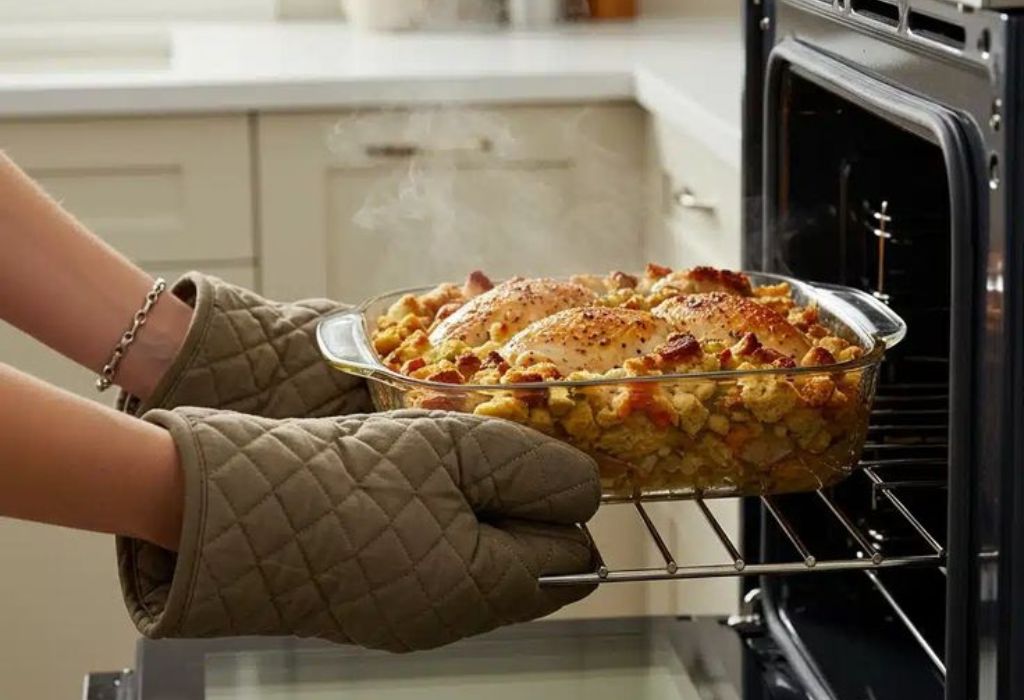
If the casserole is runny, too much liquid was used or evaporation time was insufficient. Uncover earlier and allow reduction.
If the casserole is dry, it lacked sauce or evaporated too quickly. Use foil longer and add liquid when needed.
If the casserole is burnt on top but raw in the middle, temperature was too high or pan was too shallow.
If the casserole overflows, the dish was overfilled or lacked headspace for bubbling.
If the casserole has uneven texture, ingredients were not evenly layered or oven heat was unbalanced.
Casserole Cooking Problems & Solutions FAQs
What is the best oven temperature for baking casseroles?
The best temperature for most casseroles is between 350°F and 375°F, depending on moisture level and dish depth.
Should casseroles be covered when baking?
Yes, casseroles should usually be covered for the first half of baking to retain moisture, then uncovered to allow browning.
How do I know when a casserole is fully cooked?
A casserole is done when it is bubbling at the edges, the center is set, and the internal temperature reaches 165°F for meat dishes.
Why does my casserole turn out watery?
Watery casseroles are caused by excess sauce, raw high-moisture vegetables, or not baking uncovered long enough to evaporate liquid.
Why is my casserole dry after baking?
Dry casseroles usually result from too little sauce, baking uncovered too long, or using lean meats without enough moisture.
Can I bake a frozen casserole directly in the oven?
Yes, but it must be covered and baked at 350°F for an additional 30–45 minutes beyond normal cooking time.
Which oven rack is best for baking casseroles?
The middle rack is best because it provides balanced heat from both top and bottom for even cooking.
Do casseroles bake faster in a convection oven?
Yes, convection ovens cook faster and more evenly. Reduce the temperature by 20°F to prevent drying out.
Should pasta be cooked before adding to a casserole?
Yes, pasta should be cooked to very firm al dente so it finishes cooking perfectly in the oven.
How do I reheat casseroles without drying them out?
Reheat at 300°F–325°F while covered with foil and add a little liquid if needed to maintain moisture.
Conclusion
Cooking casseroles in the oven is both an art and a science. While casseroles appear simple, their success depends on precise control of temperature, moisture, layering, and timing.
Each ingredient behaves differently under heat. Starches absorb liquid, proteins tighten, vegetables release water, sauces thicken, and toppings brown.
When these processes are balanced correctly, the result is a casserole that is creamy inside, beautifully browned on top, and evenly cooked from edge to center.
The most reliable baking range for casseroles is between 350°F and 375°F, with deeper and creamier dishes favoring lower temperatures and drier casseroles tolerating higher heat.
Covering the dish during early baking preserves moisture, while uncovering near the end creates texture and color. Proper rack placement ensures even heating, and convection baking can enhance browning when used carefully.
By mastering moisture control, correct oven temperature, proper prep, and thoughtful layering, casseroles become one of the most dependable and versatile oven meals.
Once these fundamentals are understood, perfectly baked casseroles are no longer a matter of luck but a repeatable, confident cooking skill.

I’m Emma J. Caldwell, the founder, lead writer, and home-cooking enthusiast behind KitchenGuideCo.com. With a background in culinary arts and over a decade of cooking experience in both professional and personal kitchens, I created this platform to demystify recipes, offer smart kitchen gadget reviews, and guide readers through meal prep with confidence and clarity.