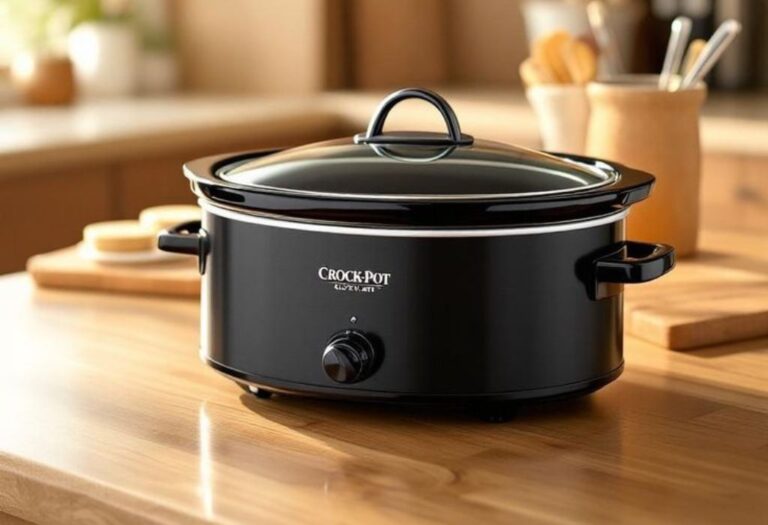
Cooking is usually fun, but figuring out how to cook eggs in rice cooker can be a bit tricky for beginners. You might worry about ending up with rubbery eggs or a messy appliance. But don’t worry! This is a super easy method. We’re going to break down the steps to cook perfect eggs right in your rice cooker, helping you enjoy a quick and tasty breakfast or snack. You’ll soon see how simple it is!
Choosing the Right Method for Your Rice Cooker
There are a few simple methods you can use to prepare eggs using your rice cooker. It really depends on the type of eggs you like and the model of rice cooker you have. You can steam, boil, or even poach eggs in a rice cooker. Each method has its own set of instructions and produces slightly different results. Think about whether you like hard-boiled, soft-boiled, or poached eggs best. Then, you can try different approaches. This will help you identify the easiest and tastiest way to cook eggs for you and your family.
Steaming Eggs in Your Rice Cooker
Steaming eggs is a good way to get consistent results. This method is great if you like your eggs fully cooked. Steaming ensures the eggs cook evenly. You don’t need to be concerned about the water level or the cooking time as much as you would with boiling. If you prefer hard-boiled eggs for salads or a quick snack, steaming is probably the best method. This method helps to preserve the natural flavor and nutrients of the eggs. It is a straightforward process, making it perfect for novice cooks or those who like a simple breakfast.
- How to Prepare: First, place a steamer basket or a rack inside your rice cooker. This keeps the eggs above the water. If you don’t have a rack, you can use a small plate.
- Adding Water: Pour about one to two cups of water into the rice cooker, enough to create steam. The water shouldn’t touch the eggs directly.
- Placing the Eggs: Gently put the eggs in the steamer basket or on the rack. Arrange them so they’re not touching. This will help them cook evenly.
- Cooking Time: Close the lid and turn on your rice cooker. The cooking time will vary depending on your cooker, but it’s typically around 15-20 minutes for hard-boiled eggs.
Boiling Eggs in Your Rice Cooker
Boiling eggs in a rice cooker is a convenient option, particularly if you’re making a big batch. It is important to monitor the cooking time to ensure you get the desired consistency. The result can vary slightly depending on your rice cooker and the altitude you’re at. So, it’s a good idea to experiment a little to determine the right timing for perfect eggs. Boiling eggs in this manner simplifies the usual stovetop process, making it a viable option for people living in dorms or smaller places without fully equipped kitchens.
- Filling the Cooker: Place your eggs in the rice cooker. Carefully pour water into the cooker until the eggs are completely covered by an inch or two of water.
- Starting the Cooker: Turn on the rice cooker and set it to the “cook” setting.
- Cooking Time: For soft-boiled eggs, cook for about 5-7 minutes. For hard-boiled eggs, cook for about 12-15 minutes. The timing depends on your cooker and desired doneness.
- Cooling the Eggs: Once done, immediately remove the eggs and put them into an ice bath for a few minutes. This stops the cooking process and makes them easy to peel.
Poaching Eggs in Your Rice Cooker
Poaching eggs in a rice cooker lets you enjoy eggs with runny yolks without needing a stovetop. It is a simple way to create a classic breakfast dish, especially if you have limited kitchen space or equipment. The rice cooker’s even heating helps cook the whites while leaving the yolk runny. The poached eggs will come out similar to how they would if cooked using the classic stovetop method. This is great for making eggs Benedict or simply serving eggs with toast and seasoning. This technique is easier than traditional poaching, making it an excellent option for beginners.
- Adding Water: Pour about two inches of water into the rice cooker. Add a splash of white vinegar. This helps the egg whites set.
- Breaking the Eggs: Crack each egg carefully into the water. Try to keep the yolk intact.
- Cooking Time: Close the lid and turn on your rice cooker. Cook the eggs for approximately 3-5 minutes, depending on how runny you like the yolks.
- Removing the Eggs: Use a slotted spoon to gently take out the poached eggs.
Materials and Equipment You’ll Need

Preparing to cook eggs in your rice cooker doesn’t need many supplies. Just a few basic items are sufficient to make delicious eggs every time. Gathering your supplies beforehand will make the entire process simpler. You will enjoy a fast and easy breakfast or snack. Many of these items you probably already have at home. This keeps things simple and easy.
Essential Supplies
- Fresh Eggs: Start with fresh eggs. Check the expiration date. Fresh eggs will cook better and taste better.
- Rice Cooker: Make sure your rice cooker is clean and ready. It’s the most important item on the list!
- Water: You’ll need water for steaming or boiling the eggs.
- Optional Vinegar: A splash of vinegar can help the egg whites set firmly if you are poaching eggs.
Handy Tools
- Steamer Basket or Rack: If you’re steaming, you’ll need a steamer basket or rack. This will keep the eggs from directly touching the water.
- Slotted Spoon: This is helpful for taking the eggs out of the cooker if you poach or boil.
- Ice Bath (Optional): For boiled eggs, an ice bath is helpful to stop the cooking and make peeling easier.
- Timer: A kitchen timer is a good idea to keep track of the cooking time for perfect results.
Step-by-Step Instructions: Steaming Eggs
Let’s explore how to prepare steamed eggs in your rice cooker. This method is one of the simplest. It is easy to follow, making it excellent for beginners. The steps are simple, from preparing the cooker to serving. You’ll find it’s a great way to make consistently delicious eggs. It is a quick and easy way to enjoy a tasty meal.
- Prepare the Rice Cooker: Place the steamer basket or rack inside the rice cooker. Ensure it’s clean and ready to go. If you do not have a steamer basket or rack, you can use a small plate.
- Add Water: Pour about 1-2 cups of water into the bottom of the rice cooker. Make sure the water does not touch the steamer basket or rack.
- Place the Eggs: Put the eggs gently into the steamer basket or on the rack. Ensure the eggs are not touching each other for even cooking.
- Start Cooking: Close the lid of the rice cooker and turn it on. The cooking time will change depending on your rice cooker and the type of egg you desire.
- Wait and Check: For hard-boiled eggs, cook for about 15-20 minutes. Check the eggs after this time to make sure they’re cooked the way you like them.
- Cool and Serve: Once the cooking is complete, turn off the rice cooker and carefully take out the eggs. For boiled eggs, place them in an ice bath immediately after removing them to stop the cooking process. You can then peel the eggs and enjoy them.
Step-by-Step Instructions: Boiling Eggs
Boiling eggs in a rice cooker is a simple and effective method. Here’s a step-by-step guide to get perfect results. The method is great if you want to make a batch of eggs without using a stovetop. Remember to adapt the cooking time based on your preference for soft, medium, or hard-boiled eggs. You’ll be able to enjoy your eggs as a simple snack or part of a bigger meal.
- Place Eggs in the Cooker: Put the eggs in the rice cooker. Ensure they are clean and free of cracks.
- Add Water: Pour enough water into the rice cooker to fully cover the eggs. Add about an inch or two of water above the eggs.
- Start Cooking: Turn on your rice cooker to the “cook” setting.
- Cook for the Right Time: For soft-boiled eggs, cook for about 5-7 minutes. For hard-boiled eggs, cook for about 12-15 minutes.
- Cool the Eggs: When the cooking is finished, immediately remove the eggs and put them in an ice bath for a few minutes. This stops the cooking and makes the eggs easy to peel.
- Peel and Serve: After cooling, peel the eggs and serve them. You can use them in salads, as snacks, or as part of a meal.
Step-by-Step Instructions: Poaching Eggs
Poaching eggs in a rice cooker is a great way to enjoy eggs with runny yolks. It is a simple technique that does not require a stovetop. With a few easy steps, you can create poached eggs that are perfect for breakfast or brunch. The cooker helps cook the whites while leaving the yolk runny. The instructions here offer the clearest directions so you can make your own poached eggs.
- Add Water and Vinegar: Pour about two inches of water into the rice cooker. Then add a splash of white vinegar. The vinegar helps the egg whites to set better.
- Crack the Eggs: Break each egg carefully into the water. Ensure that you don’t break the yolks. The key is to keep the yolk intact.
- Cook the Eggs: Close the lid of the rice cooker and turn it on. Cook for approximately 3-5 minutes, depending on how runny you like your yolks.
- Remove the Eggs: Use a slotted spoon to carefully take the poached eggs out of the water.
- Serve Immediately: Serve the poached eggs with toast, on top of avocado, or with other dishes.
Safety and Tips for Success
Cooking eggs in a rice cooker is mostly safe, but keeping a few safety precautions in mind helps ensure your well-being. Following these tips helps you prepare your eggs properly while maintaining the life of your appliances. These small steps can make a big difference.
Safety Precautions
- Check the Cooker: Make sure your rice cooker is clean and in good working condition before you start.
- Avoid Overfilling: Don’t fill the rice cooker with too much water. Follow the instructions for each method to prevent spills.
- Supervise Cooking: Stay near the rice cooker while the eggs are cooking, especially for the first time you try a method.
- Handle Hot Items: Use caution when touching the rice cooker and taking out the eggs. Use oven mitts or a towel.
- Unplug the Cooker: When you’re done cooking and the rice cooker is cooled down, unplug it to prevent electrical hazards.
Tips for Perfect Eggs
- Use Fresh Eggs: Fresher eggs typically cook better and peel more easily. Check the expiration date.
- Experiment with Time: Cooking times can vary, so you might need to try a few times to get the perfect results.
- Ice Bath for Boiling: For boiled eggs, using an ice bath stops the cooking process and makes the eggs easier to peel.
- Add Vinegar When Poaching: A splash of vinegar helps the egg whites set when you’re poaching.
- Adjust to Altitude: At high altitudes, cooking times might need to be adjusted.
Common Problems and Troubleshooting
Sometimes, things don’t go exactly as planned. But don’t worry! Here’s how to troubleshoot some common problems when you learn how to cook eggs in rice cooker. With a little practice, you can easily fix these issues and enjoy your eggs every time. Some simple adjustments can help you avoid these mistakes.
Eggs Are Overcooked (Rubbery)
This happens when the eggs cook for too long. If your eggs come out rubbery, try these tips. This problem is usually easy to fix. Overcooked eggs are often a common issue when starting, so it is important to troubleshoot this.
- Reduce Cooking Time: Try a shorter cooking time. Start with 12 minutes for hard-boiled eggs and see if you get better results.
- Use an Ice Bath: After cooking, immediately put the eggs in an ice bath.
- Check Your Cooker: The cooking power of rice cookers can vary. If your cooker seems to cook very fast, adjust the time.
Eggs Are Under-cooked
If your eggs are not cooked enough, adjust the cooking time. The cooking time for boiled eggs can change depending on your preferences. Soft-boiled eggs will need less time than hard-boiled ones. Finding the right timing is important.
- Increase Cooking Time: Add a few minutes to the cooking time.
- Make Sure the Cooker is On: Sometimes, the cooker might not be set properly. Check to ensure the “cook” setting is on.
- Check the Water Level: Make sure there is enough water in the cooker.
Eggs Are Hard to Peel
Getting hard-boiled eggs that are easy to peel can be difficult. Fresh eggs often make it harder to peel. However, there are a few simple methods you can use to make the process easier. Even if the eggs do not peel perfectly, there are ways to fix this. It is important to know the steps to get the perfect eggs.
- Use Older Eggs: Eggs that have been in the fridge for a week or so often peel easier.
- Ice Bath: After cooking, put the eggs in an ice bath right away.
- Gentle Peeling: Peel the eggs gently under running water.
Rice Cooker Egg Recipes and Variations
Once you’ve mastered the basic methods of cooking eggs in a rice cooker, you can explore fun variations. You can modify your eggs with different ingredients. This adds flavor and variety to your meals. Adding a simple twist can turn a basic breakfast into something special. These easy modifications will help you customize your meals.
Simple Egg Salad
Transform your hard-boiled eggs into a tasty egg salad. It’s a quick lunch or snack. The flavor is great, and it requires only a few ingredients. You can customize the recipe to your taste. You will find that it is an easy and delicious dish that everyone can enjoy.
- Hard-boil the eggs in your rice cooker.
- Let the eggs cool and peel them.
- Chop the eggs into small pieces.
- Combine the eggs with mayonnaise, mustard, salt, and pepper.
- Mix well and serve on bread or crackers.
Spicy Eggs
If you like a kick, these eggs are great. You can add your favorite spices and a little heat. This is a very easy way to add flavor and spice to your eggs. It is a great way to add some excitement to your meals. You can experiment with different spice combinations to create your own unique version.
- Prepare hard-boiled eggs using your rice cooker.
- Once cool, peel and cut the eggs.
- Sprinkle with chili powder, cayenne pepper, and salt.
- Serve as a simple snack or part of a larger dish.
Avocado Toast with Poached Egg
This is a quick brunch or breakfast. The soft yolk from the poached egg and creamy avocado is a good flavor combination. This recipe is simple and very effective. This makes for a quick and fun meal to enjoy.
- Poach an egg in your rice cooker.
- Toast a slice of bread.
- Mash some avocado on the toast.
- Top with the poached egg and season with salt and pepper.
Comparison of Cooking Methods
Each cooking method has pros and cons. When deciding how to cook eggs in a rice cooker, it’s helpful to consider the qualities of each method. Comparing these methods helps you pick the best one. There are also a lot of variations you can choose from.
| Method | Pros | Cons |
|---|---|---|
| Steaming | Even cooking, simple | Requires a rack or steamer basket, less versatile |
| Boiling | Easy, good for batches | Can be less precise, eggs can crack |
| Poaching | Runny yolks, no stovetop needed | Requires more attention to detail, may take practice |
Real-Life Examples and Case Studies
Practical examples of cooking eggs in a rice cooker can help you see the possibilities. Here are some real-life situations. The examples show how people use their rice cookers for different cooking needs. These case studies will show you the real benefits of rice cooker cooking.
- Case Study 1: The Busy Student A college student with limited time and a small dorm room. They used their rice cooker to steam eggs. This provided a quick and easy breakfast or snack. They cooked eggs consistently without needing a stovetop or microwave.
- Case Study 2: The Family Breakfast A family that had a busy morning routine. They utilized their rice cooker to boil a batch of eggs on the weekend. They prepared hard-boiled eggs for the week ahead, making their meal preparation faster. This made it simpler for them to enjoy breakfast.
- Case Study 3: The Traveler Someone who travels frequently and stays in hotels with limited kitchen facilities. They used their rice cooker to poach eggs for a simple and satisfying breakfast. This allowed them to enjoy freshly made eggs while on the road.
According to a survey, approximately 68% of households in the United States own a rice cooker. This popular kitchen appliance offers versatility beyond just cooking rice, as it can be used for various recipes. Cooking eggs is a practical, quick, and easy way to use your rice cooker.
Frequently Asked Questions
Question: Can I cook different amounts of eggs in the rice cooker?
Answer: Yes, you can cook just one egg or multiple eggs, depending on your rice cooker’s capacity.
Question: Do I need to poke holes in the eggs before cooking?
Answer: No, it’s not necessary to poke holes in the eggs when cooking them in a rice cooker.
Question: How do I clean the rice cooker after cooking eggs?
Answer: Simply unplug the rice cooker and wash the inner pot and accessories with soap and water.
Question: Can I add seasonings to the eggs while cooking?
Answer: You can add seasonings like salt and pepper after the eggs are cooked.
Question: What is the best method to get the eggs out without cracking them?
Answer: Use a slotted spoon to carefully remove the eggs after they’re cooked, especially if poaching.
Final Thoughts
Figuring out how to cook eggs in rice cooker opens up a world of simple, fast, and delicious possibilities. From steaming to boiling and even poaching, you have multiple ways to prepare your eggs to your tastes. Remember, all you require are your rice cooker, eggs, and water. By following the simple instructions, you can cook perfect eggs, whether you desire hard-boiled for a quick snack or a poached egg for a fancy brunch. Don’t be afraid to experiment with different cooking times and methods to discover what works best for you and your rice cooker. Armed with these tips, you can enjoy perfectly cooked eggs with ease, improving your breakfasts and meals with minimal effort. Happy cooking!

I’m Emma J. Caldwell, the founder, lead writer, and home-cooking enthusiast behind KitchenGuideCo.com. With a background in culinary arts and over a decade of cooking experience in both professional and personal kitchens, I created this platform to demystify recipes, offer smart kitchen gadget reviews, and guide readers through meal prep with confidence and clarity.