The kitchen feels warmer as the oven slowly heats, and the frozen meal that once seemed like a quick backup now starts to look like a real dinner option.
Many people place frozen food directly into the oven without thinking about timing or temperature, only to find cold centers, soggy coatings, or burnt edges.
The difference between disappointing results and a crisp, evenly heated meal usually depends on a few small decisions made before the food ever reaches the rack.
Cooking frozen food in the oven allows heat to surround the meal from all sides instead of rushing moisture out the way microwaves do. When the temperature is correct, the outside becomes crisp while the inside warms slowly and safely without over-drying.
Rushing the process or skipping preheating traps steam inside the food, preventing browning and leaving the center unevenly cooked.
Once home cooks understand how oven heat behaves, frozen meals become far more reliable and enjoyable.
Simple adjustments to rack position, cookware choice, and cooking time create restaurant-style texture even from frozen products. With the right approach, frozen food turns into a convenient and satisfying meal instead of a compromise.
Why Oven Cooking Works Better for Frozen Foods
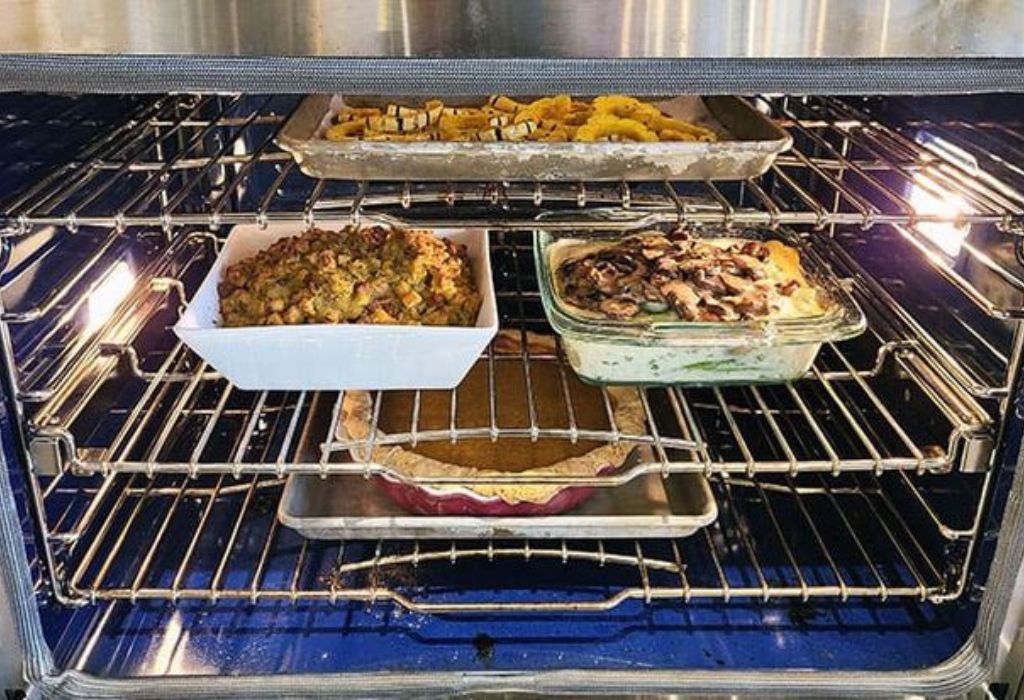
Oven heat surrounds frozen food evenly, allowing the exterior to crisp while the interior warms slowly. This balance prevents soggy texture and avoids overheating delicate ingredients during cooking.
Microwaves heat unevenly and often leave cold spots because they rely on moisture instead of air circulation.
Frozen foods release moisture as they heat, and the oven evaporates this gradually to improve texture.
Breaded items benefit from dry heat because the coating becomes crisp instead of rubbery. Using the oven also preserves shape and structure better than steam-based reheating methods.
Many frozen foods are designed specifically for oven baking with coatings and oils that activate at high temperatures. These ingredients need steady heat to brown properly and deliver intended flavor. Skipping the oven often changes taste and reduces quality.
Cooking in the oven also reduces the risk of unsafe temperature zones where bacteria can survive. Slow or uneven heating may keep the center below recommended levels for too long. Proper oven cooking ensures heat reaches safe temperatures throughout the food.
Large or thick frozen meals benefit from oven heating because air reaches all sides. Microwaves struggle with deep dishes and layered foods like lasagna. The oven provides consistent results without needing mid-way rearranging.
Understanding why the oven works better helps home cooks stop relying on guesswork. Once the heating process becomes predictable, frozen meals come out with better taste and texture. Oven cooking turns convenience food into a more enjoyable mealtime option.
Ideal Oven Temperatures for Frozen Food
Most frozen foods cook between three hundred fifty and four hundred twenty five degrees depending on type and coating.
Breaded items often require higher heat to activate oils and create crisp texture. Lower temperatures may warm the inside but leave the exterior pale and soft.
Package instructions are tested for safety and texture, so they should always be followed for timing and temperature. Adjustments are sometimes needed if ovens run hotter or cooler than expected. Using an oven thermometer helps confirm accuracy and avoid undercooking.
Thicker items like frozen chicken breasts require longer cooking even at higher temperatures. Baking too quickly may brown the outside before the center reaches safe internal levels. Slowing the heat slightly prevents drying and ensures even doneness.
Vegetables and pastries respond differently because moisture levels vary. High heat can over-brown delicate items before they finish cooking inside. Choosing the right temperature maintains flavor and prevents burning.
Some frozen foods allow multiple temperature options based on desired texture. Higher heat creates crispier results, while lower heat offers softer finishes. Understanding these differences gives home cooks more control.
Can I cook all frozen foods at four hundred degrees?
Most frozen foods bake well at four hundred degrees but delicate items may require lower temperatures to prevent burning.
Why do some packages recommend three hundred seventy five degrees?
Manufacturers test products to balance internal cooking and surface browning at safe and reliable temperatures.
Is higher heat always better for crispiness?
Higher heat improves crisping but can dry food if timing is not adjusted or items are too thick.
Should I adjust temperature for convection?
Convection settings usually need a twenty-five degree reduction to prevent over-browning.
Can frozen food be cooked at a lower temperature for longer?
It is possible but may affect texture and increase time in unsafe temperature ranges.
Should You Thaw Frozen Food Before Baking?
Many frozen foods are designed to cook directly from frozen without thawing to maintain structure. Thawing breaded items often leads to soggy coating because moisture absorbs into the surface. Baking from frozen keeps the exterior crisp and evenly cooked.
Some items require thawing for even heating, especially thick meats or large casseroles. Cooking these from frozen may extend baking time beyond safe limits. Thawing in the refrigerator ensures gradual and safe temperature changes.
Thawing affects cooking time because partially thawed foods heat faster than fully frozen ones. Adjusting time based on thawing level prevents overcooking edges while waiting for the center to finish. Monitoring texture helps avoid dryness.
Moisture release differs depending on whether food is thawed. Frozen surfaces release steam gradually, improving crisping. Thawed items may release water immediately and soften when baked.
Understanding which foods benefit from thawing reduces mistakes and frustration. Knowing proper method improves both safety and flavor. Once familiar, decisions about thawing become simple and consistent.
Should chicken be thawed before baking?
Large chicken pieces should be thawed for safety but small frozen portions can bake longer at proper temperature.
Can frozen vegetables go straight into the oven?
Yes most frozen vegetables can roast directly from frozen but require higher heat for proper browning.
Do frozen casseroles need thawing first?
Thick casseroles bake more evenly when thawed because frozen centers may take too long to reach safe temperature.
Will thawing breaded foods ruin texture?
Yes thawing absorbs moisture into the coating and often prevents crispness during baking.
Is countertop thawing safe?
No thawing at room temperature increases bacterial growth and should always be avoided.
How to Preheat and Prepare the Oven Properly
Preheating the oven ensures frozen food begins cooking immediately instead of slowly warming.
Waiting for the preheat signal is not always enough because racks and walls may still be below target temperature. Allowing extra time creates consistent heating throughout the chamber.
Rack placement affects how heat reaches frozen food during cooking. Using the middle rack provides balanced heat and prevents burning the bottom layer. Lower racks increase crisping but may over-brown delicate items.
Lining the tray with parchment helps prevent sticking without trapping moisture. Foil can reflect heat and soften the underside of breaded foods. Choosing the right liner improves texture and cleanup.
Avoiding overcrowding gives hot air space to circulate. When trays are packed closely, steam becomes trapped and prevents crisping. Spacing pieces apart improves browning and even heating.
Opening the oven door repeatedly causes heat loss and extends cooking time. Checking food through the window maintains stable temperature. Reducing door openings leads to more predictable results.
Proper preparation makes frozen food cooking faster and more efficient. Once the oven is ready, the rest of the process becomes smooth and reliable. Preheating creates the foundation for successful baking.
Best Baking Methods for Different Frozen Foods
Breaded foods like fish sticks and nuggets improve with higher heat and open spacing. Elevated racks allow heat to reach the underside and reduce sogginess. Spraying lightly with oil can enhance browning without deep frying.
Frozen vegetables roast well when spread in a single layer. Excess moisture should be avoided by skipping covered pans and reducing added liquids. Higher heat caramelizes edges and improves flavor.
Pizzas require preheating and direct placement on a stone or middle rack for firm crust. Baking on a cold tray delays crisping and softens the center. Rotating once may help even browning.
Casseroles and lasagnas cook slower because of thickness and moisture. Covering with foil during the first stage prevents drying, and uncovering later allows browning. Using a thermometer ensures safe internal temperature.
Pastries and baked goods need careful timing to prevent over-browning. Keeping them on parchment allows steam release and even puff. Lower heat creates balanced texture without burnt edges.
Different foods respond differently to oven heat because moisture and structure vary. Understanding these methods improves outcome without changing ingredients. Choosing the right approach makes frozen meals taste freshly prepared.
Can I put frozen fries directly on the rack?
No frozen fries should be placed on a tray to prevent dripping and ensure even crisping.
Should casseroles be covered the whole time?
Covering prevents drying early but removing foil later allows browning and reduces excess moisture.
Do frozen pizzas need a baking stone?
A stone improves crust texture but pizzas can still bake well on a preheated middle rack.
Can I roast frozen vegetables without thawing?
Yes roasting from frozen works well at high heat but requires spreading in a single layer for caramelization.
Why do breaded foods get soggy in the oven?
Crowding traps steam and prevents crisping so spacing pieces apart improves texture.
Using Trays, Pans, and Liners for Better Results
Choosing the right tray helps control how heat reaches frozen food inside the oven. A dark metal baking sheet absorbs heat quickly and produces a crisp exterior faster than shiny pans. Glass and ceramic dishes heat slowly which may extend cooking time and soften breaded coatings.
Using a wire rack on top of a baking sheet lifts frozen food and allows air to circulate underneath.
This prevents steam from getting trapped and keeps the bottom from becoming soggy during baking. Elevated cooking works especially well for nuggets, fries, and breaded fish.
Parchment paper prevents sticking without trapping excess moisture beneath the food. Foil reflects heat and can soften crusts unless perforated to release steam through small openings. Understanding how liners affect airflow helps improve texture without changing temperature.
Some frozen foods release oil as they bake which can pool on flat trays. Tilting the sheet slightly or using ridged pans allows fat to drain away from the surface. Reducing contact with oils keeps coatings crisp and prevents greasy results.
Avoid overcrowding trays because tightly packed food steams instead of browning. Leaving space between pieces lets hot air reach every side and speeds moisture evaporation. Even simple spacing adjustments improve browning and overall texture.
Rotating trays midway through baking ensures even exposure to heat zones inside the oven. Most home ovens have hot spots that brown food faster on one side. Turning the tray balances color and crispness without increasing time.
Proper tray and liner selection supports consistent results across different frozen foods. Once the right setup becomes familiar, baking feels easier and more predictable. Using cookware correctly enhances texture and improves flavor with minimal effort.
How to Prevent Soggy or Dry Frozen Food
Sogginess often happens when steam becomes trapped beneath frozen food during baking. Allowing space around each piece helps moisture escape instead of condensing against the surface. Using elevated racks also reduces direct contact with pooled liquids.
Dryness occurs when frozen food bakes too long after moisture has already evaporated. Monitoring timing prevents overcooking, especially with thin breaded items that finish quickly. Lowering the temperature slightly may help retain internal moisture without affecting crispiness.
Preheating the oven fully prevents frozen food from warming slowly and releasing moisture into the coating. When heat hits immediately the exterior crisps before steam rises through the breading. Starting in a cold oven almost guarantees soft results.
Adding oil sparingly improves browning but too much causes grease buildup and soggy texture. A light spray creates crispness without overwhelming the surface. Oil should never pool beneath the food during baking.
Flipping food at the right time helps both sides cook evenly and prevents moisture from settling underneath. Turning halfway works for most items but delicate pastries should remain untouched. Rotation avoids one-sided browning and uneven texture.
Avoid baking frozen food in covered pans unless the instructions require it. Lids trap steam and prevent evaporation which softens the exterior. Uncovered baking provides dry heat that supports crisp surfaces.
Understanding how moisture behaves in the oven allows home cooks to correct sogginess or dryness easily. Small adjustments in spacing, heat, and timing make frozen food consistently better. Once these habits become routine results improve automatically.
Why does frozen food turn soggy in the oven?
Crowding traps steam and prevents moisture from evaporating which softens the exterior instead of crisping it.
Does spraying oil help make frozen food crispy?
A light oil coating improves browning but too much causes grease pooling and soggy texture during baking.
Why does food become dry in the oven?
Overbaking or baking at overly high temperature can evaporate internal moisture before the center finishes heating.
Should frozen food be covered while baking?
Covering traps moisture and usually prevents crisping so most frozen foods should bake uncovered unless instructed.
Does flipping frozen food prevent sogginess?
Flipping helps both sides release steam and brown evenly which reduces moisture buildup underneath.
Checking Doneness and Internal Temperature
Using a food thermometer ensures frozen items reach safe internal temperatures before serving. Poultry products must reach one hundred sixty five degrees to eliminate harmful bacteria. Thick foods may appear browned outside while remaining undercooked in the center.
Cutting into the thickest part of the food helps verify texture and moisture levels. Juices should run clear without any frozen or cold spots near the middle. If the center feels cool the food requires more baking time.
Stirring or repositioning layered foods like lasagna ensures consistent heating. Dense meals take longer because heat must travel through multiple layers. Covering initially and uncovering later allows the center to warm without burning the surface.
Checking earlier than package time prevents overcooking and dryness. Oven performance varies so relying only on printed timing may not match real conditions. Visual cues combined with thermometer readings provide the most accurate results.
Resting food briefly after baking allows heat to distribute evenly throughout. Carryover cooking continues for a few minutes which completes internal heating. Cutting too soon may release steam and reduce final temperature.
Monitoring doneness improves both safety and eating quality. Once checking methods become routine frozen meals turn out reliably cooked every time. Confidence replaces guesswork and reduces the chance of serving undercooked food.
Safety Tips When Cooking Frozen Food in the Oven
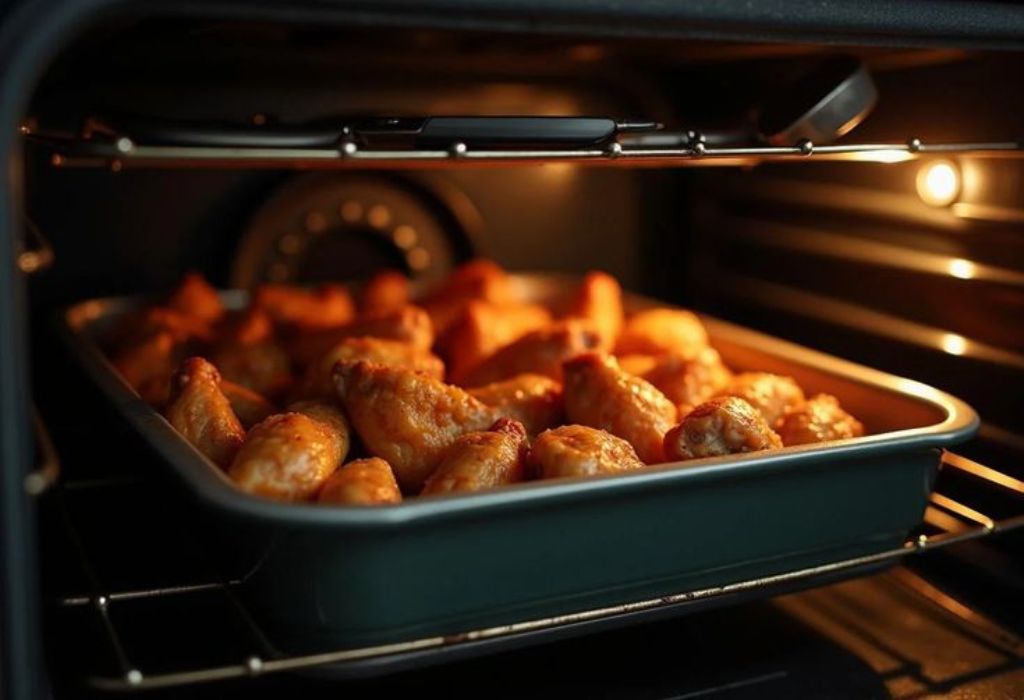
Always follow package instructions because manufacturers test their products for safe heating. Ignoring guidelines may lead to unsafe internal temperatures or texture problems. Proper timing ensures harmful bacteria do not survive in the food.
Avoid thawing frozen food on the countertop because room temperature encourages bacterial growth. Thawing should only occur in the refrigerator when required. Cooking straight from frozen is safer for most packaged items.
Use oven-safe cookware to prevent cracking or warping at high heat. Glass dishes not labeled for thermal shock may shatter when exposed to sudden temperature changes. Metal pans handle direct heat more reliably.
Keep flammable items away from the oven exterior during high-temperature baking. Storing towels or plastic on top risks accidental ignition. Maintaining clear space improves safety and reduces overheating.
Handling hot trays carefully prevents burns when checking or rotating food. Using long oven mitts and stable surfaces reduces the chance of accidental spills. Safety tools make the process smoother and more controlled.
Regular oven cleaning reduces smoke caused by burnt residue during high heat. Grease buildup can ignite or create strong odors when reheating frozen foods. Maintenance supports safer and more efficient cooking.
Following safety practices ensures frozen meals heat properly without risk. Once precautions become habit oven cooking remains convenient and dependable. Safety is as important as texture when preparing frozen food.
Storage, Leftovers, and Reheating Best Practices
Cooling leftovers quickly prevents bacteria from growing while food remains warm. Dividing large portions into smaller containers speeds cooling and improves safety. Food should enter the refrigerator within two hours of baking.
Storing leftovers in airtight containers preserves moisture and prevents freezer burn. Removing excess air reduces ice crystals when freezing cooked food. Labeling containers helps track storage time for safe use.
Reheating frozen leftovers in the oven restores texture better than microwaving. Using moderate heat warms food evenly without drying the exterior. Covering loosely with foil prevents burning while retaining moisture.
Checking internal temperature ensures reheated food reaches safe levels. Most leftovers must reach one hundred sixty five degrees before serving. Stirring or rotating midway helps maintain even heating.
Avoid reheating breaded items in the microwave because coatings soften quickly. Oven reheating restores crispness and improves flavor. Placing on a rack prevents soggy bottoms.
Understanding storage and reheating practices helps extend meal quality beyond the first serving. Once these steps become routine leftovers stay safe and enjoyable. Proper handling completes the cooking process from freezer to table.
Conclusion
Cooking frozen food in the oven transforms convenience meals into crisp, evenly heated dishes with far better texture than microwave reheating. Preheating, spacing, and choosing the right cookware allow heat to reach the food properly instead of trapping moisture.
Once the oven environment is prepared correctly, frozen food cooks predictably and without soggy or undercooked results.
Different food types require slight adjustments in temperature, timing, and rack placement to reach their best texture. Breaded items need dry heat and airflow while casseroles benefit from gradual heating and foil management.
Understanding how frozen foods respond inside the oven helps home cooks achieve consistent results across every meal.
With proper safety, storage, and reheating practices, frozen food remains both convenient and enjoyable. Following package guidelines, checking internal temperature, and maintaining oven cleanliness ensure reliable performance.
Mastering these steps turns frozen meals into a dependable option for busy days without sacrificing quality.

I’m Emma J. Caldwell, the founder, lead writer, and home-cooking enthusiast behind KitchenGuideCo.com. With a background in culinary arts and over a decade of cooking experience in both professional and personal kitchens, I created this platform to demystify recipes, offer smart kitchen gadget reviews, and guide readers through meal prep with confidence and clarity.