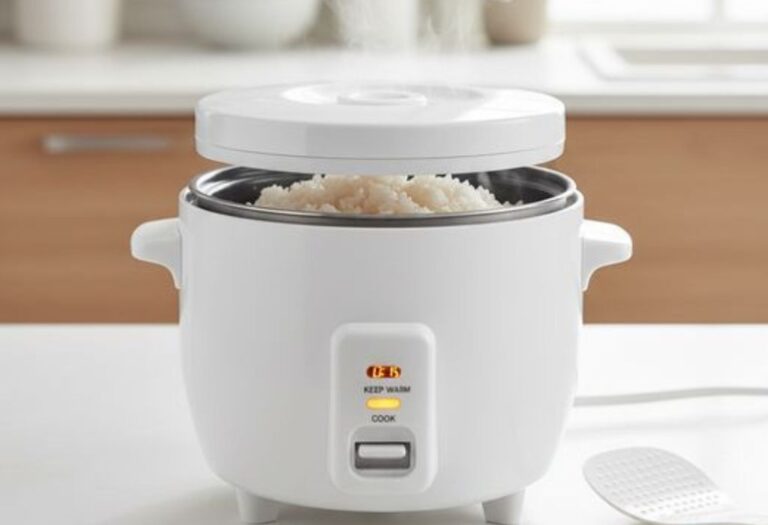
If you’ve ever cooked rice, you know a rice cooker is a kitchen helper. But, how to deep clean rice cooker can seem like a mystery! It’s easy to get rice stuck on the bottom, or not know where to start. Don’t worry, many people find this a common challenge, especially at first. This post will show you, step by step, how to get your rice cooker super clean. We’ll explore everything from basic cleaning to those tough spots. Let’s get started!
What You Need to Begin: Cleaning Essentials
Before you begin, gather your supplies. You’ll need a few common items to clean your rice cooker properly and safely. Having these on hand makes the process smoother and more efficient. It also helps prevent any scratches or damage to your appliance. Make sure you unplug your rice cooker and let it cool completely before beginning this process. This not only keeps you safe but also helps in effective cleaning.
Gathering Your Supplies
The right cleaning tools are key to a successful clean. Using the wrong items might damage your cooker. Here’s what you will need:
- Dish Soap: A small amount of gentle dish soap is sufficient. Avoid soaps that are too harsh, as they could leave residue or affect the non-stick coating. Consider using a soap with natural ingredients to avoid any strong scents lingering in the cooker.This is essential for removing grease and food particles.
- Warm Water: You will need warm water for rinsing and cleaning. The warmth helps to loosen stuck-on food. Avoid using hot water that could potentially damage the internal parts of the cooker.Warm water works best for cleaning.
- Soft Sponge or Cloth: A soft sponge or a microfiber cloth is crucial. These are gentle enough to clean without scratching the cooker’s surface. Avoid using abrasive scrub pads, as they can damage the non-stick coating.Use a non-abrasive sponge to clean.
- Baking Soda (Optional): Baking soda is a great, natural cleaner that helps remove stubborn stains and odors. It’s a mild abrasive, so it is safe to use. Always use it with water to create a paste.Baking soda can help with tough stains.
- White Vinegar (Optional): White vinegar helps to dissolve mineral deposits and deodorize. It’s effective for removing lingering smells. Use it in diluted form to avoid damage to the cooker.Vinegar is good for getting rid of smells.
- Toothbrush (Optional): An old toothbrush is useful for cleaning small crevices and hard-to-reach areas. Make sure it’s clean and doesn’t have stiff bristles. This can help you remove food particles that are hard to get to.A toothbrush can clean hard-to-reach spots.
- Paper Towels or a Clean Towel: For drying all the parts thoroughly after cleaning. A clean towel ensures that there is no dirt left behind. Make sure everything is completely dry before reassembling.Make sure everything is dry.
Taking Apart the Rice Cooker for Cleaning
Before you begin the cleaning process, you need to disassemble your rice cooker. This involves removing the inner pot, the lid, and any removable parts. Carefully read your rice cooker’s manual for specific instructions. Proper disassembly is important to make sure you clean all parts thoroughly and correctly. Incorrect disassembly can cause damage or issues when reassembling your appliance. Following the right steps ensures your rice cooker performs at its best, and your food tastes great!
Inner Pot and Lid Removal
Start by removing the inner pot. Most pots lift straight out. Be careful as the pot may be hot if the cooker has been used recently. Then, remove the lid. Some lids detach easily, while others are hinged. If the lid is removable, detach it to clean it separately. Refer to your cooker’s manual for detailed instructions, if needed. This step makes sure you can clean all parts thoroughly.
- Inner Pot: Always take out the inner pot first. These pots usually have a non-stick coating, which needs gentle handling. Don’t use abrasive cleaners or scrubbers on this part. A soft sponge and dish soap are the best choices.The inner pot is where the rice cooks and is always removed for cleaning.
- Lid: Check if your rice cooker’s lid comes off. The lid often traps steam and splatters. Detachable lids are easier to clean than ones attached to the cooker. If it doesn’t come off, you can still clean the outer parts with a damp cloth.Cleaning the lid helps to remove any stuck food or stains.
- Steam Vent and Other Removable Parts: Some cookers have removable steam vents or condensation collectors. These parts should be detached and cleaned regularly to prevent buildup. The steam vent is especially important, as it helps regulate the steam pressure during cooking.Cleaning these parts is important for hygiene and maintaining the cooker’s performance.
Detaching and Cleaning Other Parts
After you have removed the main parts, it’s time to find other removable components. Most rice cookers have extra pieces like steam vents and condensation collectors. Some might also have detachable power cords for easier cleaning. Cleaning these parts is often overlooked, but they can be a hiding spot for rice and other food particles. Look closely at your cooker and take apart any pieces you can safely remove. Clean them carefully before putting the cooker back together. Don’t forget to dry everything well before reassembling your cooker.
- Steam Vent: The steam vent helps to release steam during cooking. It is a key part that often gets clogged with rice and food. You can usually remove it and wash it with soap and water. Use a toothbrush to scrub out any trapped bits of food.The steam vent should be cleaned to get rid of food buildup.
- Condensation Collector: Many rice cookers have a small container to collect condensation. This part should be emptied and cleaned after each use. Neglecting this part can lead to mold and unpleasant odors.Emptying and cleaning the condensation collector avoids mold and odors.
- Power Cord (if removable): If your rice cooker’s power cord detaches, it’s a good idea to clean it. Unplug the cord, and wipe it down with a damp cloth. Make sure the cord is completely dry before plugging it back in to avoid electrical hazards.Cleaning the power cord helps keep your cooker safe.
The Step-by-Step Guide for Deep Cleaning
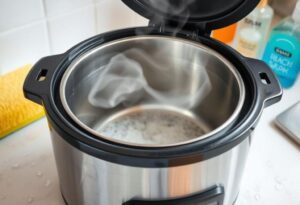
Now that you have all the parts removed, you’re ready to start cleaning. This involves cleaning the inner pot, lid, and other removable pieces. Then you will clean the heating plate and the exterior of the cooker. Each part needs a different cleaning approach, and here’s how to do it in an easy to follow process. Carefully follow these steps to make sure your rice cooker is perfectly clean and ready for your next meal. Don’t worry, it’s easier than it sounds!
Cleaning the Inner Pot
The inner pot is where the rice cooks, so keeping it clean is a must. The coating on the inner pot can be easily damaged, so it is important to use the correct tools. Don’t use anything too abrasive. Cleaning the inner pot after each use helps to stop food from sticking and makes cleaning easier over time. Regular cleaning maintains the pot’s non-stick properties and helps your rice cook evenly. A clean pot also means your rice will taste better, without any lingering flavors from past meals.
- Rinse with Warm Water: Start by rinsing the inner pot with warm water. This gets rid of any loose food particles. Make sure you don’t use hot water, which could damage the coating.Rinsing removes any loose food particles.
- Wash with Soap and Sponge: Apply a small amount of dish soap to a soft sponge. Gently scrub the pot. Pay close attention to any areas where rice might have stuck. Be gentle to protect the non-stick surface.Gently scrub the pot with soap and water.
- Rinse and Dry: Rinse the pot thoroughly to get rid of all the soap. Make sure there is no soap residue left, as it can affect how the rice cooks. Dry the pot completely with a clean towel or allow it to air dry before putting it back.Rinse and dry the pot.
Lid and Removable Components Cleaning
Next, clean the lid and any other detachable parts. These areas can often trap steam, splatters, and food particles. Regularly cleaning the lid and removable components is important for hygiene and to stop buildup. This also prevents unpleasant odors and ensures that your cooker runs efficiently. It’s often helpful to soak these parts in warm, soapy water to loosen any hardened food. Inspect all the parts for food residue and scrub them to make sure they are completely clean. Make sure the parts are fully dry before you put them back into the cooker. This makes sure that there is no risk of mold or bacteria forming.
- Wash the Lid: Wash the lid with warm, soapy water. Use a soft sponge or cloth to get rid of any food particles. Pay close attention to areas where steam vents are located. If the lid has any rubber seals, make sure you clean those carefully.Clean the lid with warm, soapy water.
- Clean the Steam Vent: The steam vent is a spot where food particles can build up. Remove the vent and wash it with soap and warm water. Use a toothbrush to get into any small spaces. Make sure the vent is completely clean to help the cooker work properly.Clean the steam vent.
- Clean the Condensation Collector: Empty and clean the condensation collector after each use. Rinse it with water and soap. Make sure it’s completely dry before you put it back. This helps stop the buildup of mold.Clean the condensation collector.
Cleaning the Heating Plate and Exterior
After cleaning the inner parts, it’s time to focus on the cooker’s base. This includes the heating plate, where the inner pot sits, and the exterior of the cooker. The heating plate is important for cooking rice properly. It’s also easy for food to build up on the heating plate. The exterior of the cooker also needs cleaning to keep it looking nice and free of food spills. Make sure you keep water away from any electrical parts to avoid any electrical hazards. Cleaning the heating plate and exterior frequently will help your cooker stay in top condition.
- Heating Plate Cleaning: Wipe the heating plate gently with a damp cloth or sponge. Make sure the heating plate is clean and free of any debris. Never use abrasive cleaners or scrub pads, as they could scratch the surface. If there are stuck-on bits, you can try using a little dish soap and warm water.Wipe the heating plate.
- Exterior Wiping: Use a damp cloth to wipe down the exterior of the rice cooker. Get rid of any spills or smudges on the cooker. Use a gentle cleaner for tougher stains. Never submerge the cooker in water or get water inside the electrical components.Wipe down the exterior of the cooker.
- Drying all Components: Before putting your rice cooker back together, make sure all parts are completely dry. This helps stop mold from growing and also ensures your cooker runs safely. Use a soft towel or allow everything to air dry.Dry all components.
Special Cleaning Situations: Dealing With Tough Stains
Sometimes, despite your best efforts, you might encounter tough stains and food buildup. This can happen if you accidentally burn rice or if food gets stuck and hardens. In these cases, regular cleaning methods might not work. But don’t worry, there are solutions to help you get your cooker clean. You can use some simple, safe methods to remove those stubborn stains. Here are some of the ways you can use common household items to clean your rice cooker. Try these methods carefully, and always follow the safety instructions.
Using Baking Soda for Stains
Baking soda is a great natural cleaner for removing stubborn stains and odors. It is a gentle abrasive that will not damage the surface of your rice cooker. Baking soda is great for the inner pot and other non-coated parts. It helps get rid of baked-on food or any discoloration. It is very versatile. You can also use it to remove any unpleasant smells lingering in your cooker. When cleaning with baking soda, make sure to rinse the area well and dry it thoroughly. This will help to keep your rice cooker clean and fresh.
- Make a Paste: Mix baking soda with a little warm water to make a paste. The consistency should be thick enough to stay on the stained areas. Don’t add too much water. You want the paste to cling to the surface.Make a paste with baking soda and water.
- Apply and Let Sit: Apply the paste to the stained areas. Let it sit for about 15-20 minutes. This allows the baking soda to do its work. Avoid letting it dry completely.Let the paste sit on the stains.
- Scrub and Rinse: Gently scrub the stained areas with a soft sponge or cloth. Rinse thoroughly with warm water. Make sure you remove all of the baking soda. Dry the area well.Scrub and rinse thoroughly.
Vinegar for Odor and Mineral Deposits
Vinegar is a natural deodorizer and can help to get rid of mineral deposits. It is a good choice if your rice cooker has unpleasant odors or if you have hard water. Vinegar is also great for getting rid of any mineral deposits left behind by hard water. It also helps to eliminate any lingering smells that the rice might have caused. It is recommended to use diluted white vinegar to prevent damage. Remember to always rinse thoroughly and dry all parts after using vinegar. This will keep your rice cooker fresh and in good condition.
- Vinegar Solution: Mix equal parts white vinegar and water in the inner pot. You can also use this solution for the lid and removable parts. This solution helps to loosen mineral deposits and remove odors.Mix equal parts vinegar and water.
- Soak or Boil: You can soak the parts in the vinegar solution for about 30 minutes, or you can boil the solution in the inner pot (make sure all parts are safe for this). Boiling helps to remove stubborn deposits. Always supervise boiling to prevent any accidents.Soak or boil the parts with the solution.
- Rinse and Dry: Rinse all parts thoroughly with warm water after using vinegar. Make sure there is no vinegar residue. Dry all the components completely before you reassemble the cooker.Rinse and dry all components.
How Often Should You Clean Your Rice Cooker?
Cleaning your rice cooker regularly is key to keeping it working well and getting the best results when cooking. You can keep your rice cooker clean and free of problems by following a simple cleaning schedule. This cleaning schedule will also help to keep your rice tasting fresh. Different parts require different cleaning intervals. A good cleaning schedule can extend the life of your cooker. Here’s a suggested cleaning frequency to keep your appliance in top shape.
Daily Cleaning
Daily cleaning is all about good habits. After each use, you can maintain cleanliness with minimal effort. This routine ensures that food does not build up. It helps keep your cooker working well. By quickly wiping the cooker down after each use, you can avoid tougher cleaning jobs down the line. It’s only a few minutes, but it makes a big difference in maintaining your appliance.
- Inner Pot: Rinse the inner pot and wipe it with a soft sponge to get rid of any food residue after each use. Regular rinsing helps stop food from sticking.Rinse the inner pot after each use.
- Lid and Steam Vent: Wipe the lid and clean the steam vent after each use. Make sure you remove any condensation. This prevents any buildup and bad smells.Clean the lid and steam vent after each use.
- Condensation Collector: Empty and rinse the condensation collector every time you use the rice cooker. Make sure it is completely dry. This avoids mold growth.Empty and rinse the condensation collector every time.
Weekly and Monthly Cleaning
Weekly and monthly cleaning go beyond the basics. These cleanings keep your rice cooker in top condition and get rid of any stubborn buildup. You’ll want to take a closer look at all the parts. This lets you inspect them for wear and tear. Use deeper cleaning methods like baking soda or vinegar if needed. Monthly cleaning may require a more thorough disassembly of your rice cooker. Following these simple steps will help to extend the lifespan of your appliance.
- Heating Plate: Wipe down the heating plate weekly to remove any food particles. This prevents the rice from burning or sticking. Make sure the heating plate is free of any buildup.Wipe the heating plate weekly.
- Thorough Cleaning (Monthly): Every month, perform a more in-depth cleaning of all components. This includes cleaning the inner pot, lid, steam vent, and condensation collector. You can use baking soda or vinegar for tough stains. Check the power cord to make sure that it’s clean and in good working condition.Perform a thorough cleaning monthly.
- Exterior Cleaning: Clean the exterior of the rice cooker weekly, or whenever needed. Use a damp cloth to get rid of spills or smudges. Make sure no water gets into the electrical components. This helps keep the appliance in good condition.Clean the exterior weekly.
Safety Precautions While Cleaning Your Rice Cooker
It is important to remember safety when cleaning your rice cooker. This means unplugging the cooker before cleaning and avoiding water near any electrical parts. Always use gentle cleaning tools and products. These steps help prevent accidents and make sure your appliance stays in top shape. By following these basic safety measures, you can ensure a safe and effective cleaning experience. If you take the time to follow these tips, your rice cooker will last for many years.
Electrical Safety First
Electrical safety is the most important thing. You will need to make sure that you do not damage your appliance or hurt yourself when cleaning it. Never submerge the rice cooker or any of its electrical components in water. Always unplug the rice cooker and let it cool before cleaning. Make sure your hands are dry before handling the power cord or the appliance itself. Following these precautions makes sure your cleaning process is safe and your rice cooker is protected from damage.
- Unplug Before Cleaning: Always unplug the rice cooker and let it cool completely before you start cleaning. This protects you from electrical shock and makes it safer to handle the appliance. Never try to clean the rice cooker while it’s still plugged in.Unplug and cool the cooker.
- Avoid Water Near Electrical Parts: Do not get any water into the electrical components of the rice cooker. This includes the heating element and any other electrical parts. Use a damp cloth to clean the exterior of the cooker, but don’t let water get inside.Keep water away from electrical parts.
- Dry Hands and Surfaces: Make sure your hands are dry before you touch the power cord or the rice cooker. Make sure all surfaces are dry before you plug the cooker back in. This will help prevent electrical shock.Ensure dry hands and surfaces.
Gentle Cleaning Methods
When cleaning a rice cooker, it’s key to use the right tools and products. Using harsh or abrasive cleaners can damage the non-stick surface. Always choose mild cleaners like dish soap and gentle sponges. You can also use other cleaning methods such as baking soda or vinegar. This will help you protect the coating and the components of your appliance. Use only soft cloths or sponges when wiping. Be careful to prevent any scratches. Gentle cleaning helps your rice cooker last longer and perform better.
- Use Soft Sponges and Cloths: Always use a soft sponge or cloth to clean the inner pot, lid, and other parts. Avoid abrasive scrub pads, as they can scratch the non-stick coating. You can scratch the surface of the non-stick coating and reduce its effectiveness.Use soft sponges and cloths.
- Avoid Abrasive Cleaners: Do not use abrasive cleaners or scouring pads. These cleaners can damage the non-stick coating and the surface of your rice cooker. Use gentle dish soap and other mild cleaners.Avoid abrasive cleaners.
- Rinse Thoroughly: Rinse all parts of the rice cooker thoroughly to remove any soap residue. Soap residue can affect how the rice cooks and may leave behind an unpleasant taste. Make sure everything is clean.Rinse thoroughly.
Troubleshooting Common Issues During Cleaning
Even with careful cleaning, you might run into some problems. Sometimes, rice can stick to the bottom, or you might notice stubborn stains. It is important to know how to solve these problems to keep your cooker in top shape. Knowing how to handle these issues can save you time and trouble. It also extends the life of your appliance. Here are some of the most common issues you might face during cleaning. They come with tips on how to solve them.
Dealing with Stuck-On Rice
Getting rid of stuck-on rice can be a challenge. It often happens at the bottom of the inner pot. You can use several methods to remove stuck-on rice. You want to avoid damaging the non-stick coating. You can soak the pot in warm, soapy water to help soften the rice. Then you can use a soft sponge to gently scrub it. You can also try using a baking soda paste. These methods help to loosen the rice. Make sure not to use anything too abrasive. This will help you get rid of stuck-on rice while protecting the pot’s surface.
- Soaking the Pot: Fill the inner pot with warm, soapy water and let it soak for about 30 minutes. The warm water helps to loosen the stuck-on rice. This will make it easier to remove the rice. Soaking makes cleaning much simpler.Soak the pot in warm, soapy water.
- Using a Soft Sponge: After soaking, use a soft sponge to gently scrub the pot. Avoid using abrasive pads. If the rice is still stuck, you can use baking soda paste.Use a soft sponge to scrub.
- Baking Soda Paste: Make a paste of baking soda and water and apply it to the stuck-on rice. Let it sit for a few minutes and then gently scrub with a soft sponge. Rinse well. This is good to remove persistent rice residue.Use baking soda paste on tough spots.
Addressing Persistent Odors
Sometimes, your rice cooker may have unpleasant smells. These smells can be caused by food buildup or moisture. Lingering odors can make your rice taste bad. To get rid of these odors, you can use several simple methods. You can use white vinegar or baking soda. They are good at eliminating smells. Following these steps can refresh your rice cooker. This will ensure that your rice always tastes great.
- Vinegar Solution: Fill the inner pot with a mixture of equal parts white vinegar and water. Boil the solution (if it’s safe for your appliance) or soak the parts in the solution for about 30 minutes. This will help to remove odors.Use vinegar and water to remove odors.
- Baking Soda Paste: You can apply a baking soda paste to the inner pot and let it sit for a while. Then, rinse it thoroughly. Baking soda can absorb bad smells. It will leave your rice cooker smelling fresh.Use baking soda paste for odors.
- Air Drying: After cleaning, let all parts of your rice cooker air dry. This is very important. Air drying helps get rid of moisture. Moisture is a common cause of odors.Allow all parts to air dry completely.
Frequently Asked Questions
Question: Can I put the inner pot in the dishwasher?
Answer: It’s generally best to avoid putting the inner pot in the dishwasher, as the high heat and harsh detergents can damage the non-stick coating. It’s better to hand wash the pot with warm, soapy water and a soft sponge to keep it in good condition.
Question: What if I accidentally burn rice in my rice cooker?
Answer: If you burn rice, let the pot cool completely. Then, soak it in warm, soapy water to loosen the burnt rice. You can use a baking soda paste to scrub away any stubborn residue. Be careful not to damage the pot’s coating while cleaning.
Question: How can I clean the heating plate?
Answer: The heating plate can be wiped clean with a damp cloth or sponge. Be sure the rice cooker is unplugged and has cooled down. Avoid using any abrasive cleaners or scrubbing pads that could scratch the surface. If there’s stuck-on food, gently wipe it away.
Question: Is it safe to use vinegar to clean my rice cooker?
Answer: Yes, vinegar is generally safe to use for cleaning. However, it’s best to dilute it with water to prevent any potential damage to the cooker. Make sure to rinse all parts thoroughly after using vinegar to remove any residue.
Question: How often should I replace my rice cooker?
Answer: With proper care and cleaning, a rice cooker can last for several years. Replace it if it shows signs of wear and tear, or if it stops cooking rice properly. Regular maintenance and careful use can help extend the life of your appliance.
Final Thoughts
Now you know the secrets of how to deep clean rice cooker! You have the knowledge and tools needed to keep your appliance in excellent shape. We’ve explored everything from gathering supplies and taking the cooker apart to handling tough stains. You can keep your cooker working well for years by following the cleaning steps. Remember to clean the inner pot, lid, and other parts regularly. Always prioritize safety. Cleaning your rice cooker is easier than you might have thought. Keep your rice cooker clean and enjoy perfectly cooked rice every time! Now, go ahead and keep your kitchen sparkling, one rice cooker at a time!

I’m Emma J. Caldwell, the founder, lead writer, and home-cooking enthusiast behind KitchenGuideCo.com. With a background in culinary arts and over a decade of cooking experience in both professional and personal kitchens, I created this platform to demystify recipes, offer smart kitchen gadget reviews, and guide readers through meal prep with confidence and clarity.