Getting into the habit of cleaning your juicer can seem tricky at first. Many people find it a chore, and they wonder if they’re doing it right. Keeping your juicer clean is important for both its performance and your health, but knowing how to deep wash juicer weekly doesn’t have to be hard. Don’t worry, it’s easier than you think! This guide will break down the process step by step, making sure your juicer stays in tip-top shape. We’ll explore everything you need to know to clean and maintain your juicer like a pro. Let’s get started!
Key Takeaways
- Regular cleaning prevents the growth of mold and bacteria in your juicer.
- Dismantling your juicer carefully is key for effective cleaning.
- The right tools, like brushes, help reach all the nooks and crannies.
- Using warm, soapy water is the standard way to wash juicer parts.
- Deep cleaning eliminates stubborn stains and buildup.
- Proper drying prevents mold and keeps your juicer running well.
Why Weekly Juicer Cleaning Matters
Using a juicer is a great way to enjoy fresh, healthy beverages. However, without proper care, your juicer can become a breeding ground for bacteria, mold, and even unpleasant odors. This buildup not only affects the taste of your juices but can also pose potential health risks. Regular, consistent cleaning ensures that your juicer remains sanitary and functions at its best. Weekly deep washing is ideal for keeping your juicer hygienic and improving its lifespan. It also means your juices will taste fresher, and you’ll avoid any unwanted aftertastes or health hazards.
The Health Benefits of a Clean Juicer
The core benefit of keeping your juicer clean is the health boost it gives you. Think of all the fresh fruits and vegetables you’re putting through it! If the juicer isn’t clean, you might accidentally ingest bacteria or mold. Regular washing eliminates these concerns. A clean juicer leads to better tasting juice. It also helps preserve the nutrients in your drinks, as buildup can interfere with the juicing process. This way, you enjoy the full nutritional advantages of your fresh juices every time. Washing your juicer regularly ensures that you are getting the full health benefits.
- Reduced Risk of Contamination: Regularly washing eliminates bacteria, mold, and other harmful elements. This prevents any potential health risks.
- Improved Juice Quality: A clean juicer extracts better tasting juice. No lingering flavors from old residue.
- Enhanced Nutrient Retention: Keeping the juicer clean helps preserve the vitamins, minerals, and enzymes.
- Prolonged Juicer Life: Frequent washing keeps the juicer parts functioning smoothly. This extends its overall lifespan.
Consider the science behind it. When food particles remain in contact with moisture, they quickly start to decompose. This environment fosters the rapid growth of bacteria and mold. These microorganisms can contaminate subsequent batches of juice. Scientific studies have shown that improper cleaning of kitchen appliances like juicers can lead to the spread of foodborne illnesses. Regular, consistent cleaning is a crucial component in maintaining the overall health and safety of your juicing routine.
The Importance of Preventative Maintenance
Preventative maintenance is the key to extending the life of your juicer. Think of it like changing the oil in your car. Regular cleaning prevents long-term problems. It avoids costly repairs and ensures that your juicer performs at its peak. Failing to wash your juicer regularly can lead to a build-up of food particles. This buildup can corrode the parts, reducing the efficiency of the juicer. This means it may not be able to extract as much juice from your fruits and vegetables. By taking a few moments each week to thoroughly clean your juicer, you’re investing in its durability and your enjoyment of fresh juices.
- Preventing Clogs and Blockages: Regular washing prevents buildup that clogs screens or other parts. This maintains the smooth operation of the juicer.
- Reducing Wear and Tear: Cleaning prevents abrasion from food particles and preserves the juicer components.
- Avoiding Corrosion: Removing acidic residue helps prevent corrosion. This enhances the lifespan of the juicer.
- Maintaining Juicing Efficiency: A clean juicer extracts juice more efficiently. This ensures you get the most out of your produce.
The core concept is this: a small amount of effort, consistently applied, can result in significant benefits. For example, a study showed that juicers washed at least once a week lasted up to 50% longer. They also worked more effectively than those cleaned less frequently. Prioritizing preventive maintenance doesn’t just save time. It also increases the value you get from your juicer.
Essential Supplies for Washing Your Juicer
Before you begin the washing process, it’s important to gather the right supplies. This will make your weekly juicer cleaning easier and more effective. You’ll need items that can effectively remove residue while being safe for your juicer components. With the right tools and materials at your fingertips, you’ll be able to keep your juicer clean and ready to use in no time. This way you’ll not only save time but also ensure your juicer lasts longer and performs at its best.
The Basic Cleaning Arsenal
To start, you’ll need warm water and some mild dish soap. Avoid harsh chemicals that could damage the juicer parts. Also, you’ll want a soft-bristled brush. This helps you reach into tight corners and remove stuck-on residue. A sponge or cloth is useful for wiping down larger surfaces. A drying rack is also helpful to make sure everything dries completely. Also, consider having a small container. You can use it to soak the smaller parts. Having all these items ready will help ensure a thorough and safe cleaning process.
- Warm Water: Essential for rinsing away soap and loosening debris.
- Mild Dish Soap: Gentle enough for your juicer’s components.
- Soft-Bristled Brush: Helps reach tight spots and remove stubborn residue.
- Sponge or Cleaning Cloth: For wiping down larger surfaces.
- Drying Rack: Ensures parts dry completely.
The right tools can significantly affect the ease and effectiveness of washing. For example, a soft-bristled brush is far better than a wire brush. Wire brushes can scratch the surfaces of your juicer components, leading to potential damage. Similarly, the use of mild dish soap is crucial. Strong chemicals can degrade the plastic parts of your juicer. They can also leach into your juice. This can make the juice unhealthy. You can also damage the motor or internal components by putting them in the dishwasher. Taking the time to assemble the correct supplies guarantees a more convenient and productive cleaning experience. It also prevents any potential damage to your juicer.
Advanced Cleaning Aids
Beyond the basics, you might consider some advanced cleaning aids for those extra-tough spots. For example, a bottle brush can be great for cleaning narrow spouts or the inside of the juicer chamber. A small, pointed tool can remove stuck-on pulp without scratching the components. Using a food-safe descaling solution periodically can help remove mineral buildup, especially if you have hard water. These extra tools are especially useful for deep cleaning. They make sure you reach every nook and cranny. They also make the process more efficient and thorough. This adds another level of cleanliness to your juicer.
- Bottle Brush: Great for cleaning narrow spouts or juicer chambers.
- Small, Pointed Tool: Helps remove pulp from hard-to-reach areas.
- Food-Safe Descaling Solution: Removes mineral buildup from hard water.
- Microfiber Cloth: Perfect for wiping down surfaces without leaving streaks.
- Citrus Juicer Brush: This can be used to remove the fibrous pulp from the screen.
Let’s consider a real-life example. A person who juices frequently may find that pulp builds up in the screen. This reduces the juicer’s efficiency. By using a citrus juicer brush, they can effectively clean the screen and maintain optimal performance. Similarly, a descaling solution can improve the efficiency of a juicer. It does this by removing mineral deposits that can interfere with the juicing process. The use of advanced cleaning aids is not just about aesthetics. It is also about improving the functionality and durability of your juicer. It’s also about the safety and purity of the juice you create.
Step-by-Step Guide to Washing Your Juicer
The goal is to provide a complete guide to help you wash your juicer effectively. This detailed guide breaks down the washing process step by step. Each phase is easy to follow. We’ll show you how to properly disassemble the juicer, clean each part, and reassemble it safely. Following these steps will ensure your juicer is sparkling clean. This will maintain its performance and extend its lifespan. With a consistent cleaning routine, you’ll enjoy fresh, delicious, and healthy juices with ease and confidence.
Disassembly and Preparation
Start by unplugging the juicer to ensure safety. Then, disassemble the juicer according to the manufacturer’s instructions. Usually, this means removing the various parts like the feeding chute, juicing screen, pulp container, and the motor base. Remember to take photos if you think you’ll have difficulty putting it back together. Once disassembled, rinse all the parts under running water to remove any loose food particles. Separate the components to focus on each part individually. This allows you to effectively clean every area. Proper disassembly is important to make sure you get all the parts. It also allows you to clean them thoroughly.
- Unplug and Disassemble: Ensure safety and easy access to all parts.
- Rinse All Parts: Remove loose food particles before washing.
- Separate Components: This makes cleaning each part more targeted.
- Read the User Manual: It has special instructions for your specific model.
- Take Pictures: It helps with reassembly.
Here’s an example: imagine you’ve just finished juicing a batch of carrots. Small pieces of carrot pulp and juice may stick to the juicer parts. By rinsing everything immediately, you prevent the pulp from drying and hardening, which would make it harder to remove later. Similarly, taking pictures can be helpful for models with many different parts. This step makes sure you can put everything back together properly. Following these steps is crucial for a complete and effective cleaning procedure. It also ensures the safety and longevity of your juicer.
Washing the Juicer Parts
Now, it’s time to wash each part of the juicer. Start by filling your sink or a large container with warm water and a few drops of mild dish soap. Submerge the parts in the soapy water and use your soft-bristled brush or sponge to scrub away any residue. Pay special attention to the juicing screen. This part is prone to clogging. Use a small brush to get into the tiny holes. Make sure you get rid of all the pulp. For the motor base, wipe it down with a damp cloth; do not submerge it in water. Rinse each part thoroughly with clean water, ensuring all soap is gone. This is where your cleaning skills will really make a difference.
- Soapy Water: Use warm water and mild soap to wash all components.
- Juicing Screen: Scrub the juicing screen to remove all pulp.
- Motor Base: Wipe the base with a damp cloth, avoid submerging it.
- Rinse Thoroughly: Make sure to rinse off all the soap.
- Spot Check: Check parts to make sure they are clean.
Think about the juicing screen. This component is key for extracting juice. It can get clogged with bits of fruit and vegetable fibers. If this screen isn’t washed thoroughly, you’ll notice a reduction in the juicer’s effectiveness. Imagine juicing spinach, a leafy green that can leave a lot of fibers behind. By using the right brush, you can quickly remove these fibers and maintain the screen’s efficiency. Always remember to rinse the parts very well. This prevents soap residue from affecting the taste of your juices. Doing this ensures your juicer continues to deliver optimal performance.
Drying and Reassembly
The final step is to dry and reassemble your juicer. This is as important as the washing process. After rinsing each part, place them on a drying rack or allow them to air dry completely. Make sure all parts are completely dry before you put the juicer together again. Any moisture left on the parts can promote mold and bacteria growth. Once dry, reassemble the juicer by following the manufacturer’s instructions. This step is important to ensure your juicer is ready for its next use. A thorough drying process protects the juicer, and it ensures the quality of your juice.
- Air Dry or Rack Dry: Allow all parts to dry completely.
- Check for Moisture: Make sure no water is left on the parts.
- Reassemble: Put the juicer back together according to instructions.
- Test Run: Run the juicer with water to check that it works.
- Store Properly: Store the juicer in a clean, dry location.
Here’s a scenario: Suppose you live in a warm, humid environment. You wash your juicer and quickly reassemble it without allowing it to dry properly. After a few days, you may notice mold growth on some parts. This can cause health problems. By allowing all the components to dry thoroughly, you remove all potential sources of bacteria or mold. The habit of drying all parts guarantees that the juicer will remain clean. It will be ready and safe for the next time you use it. Reassembly is also very important. Make sure each part fits well. This protects the juicer’s motor and other components. It also protects your health.
Addressing Common Juicer Cleaning Problems
Even with the best efforts, there are times when problems arise during the cleaning process. Knowing how to handle these challenges can save you time and frustration. From tough stains to stubborn odors, there are effective solutions to keep your juicer in top condition. This detailed section will explore common problems, providing practical advice on how to deal with them. You’ll also learn the best methods to solve these issues. This will help you maintain a clean and reliable juicer for all your juicing needs.
Dealing with Stains and Buildup
Sometimes, despite your best efforts, stains and buildup can occur. Certain fruits and vegetables, like beets and carrots, can leave stubborn stains on the juicer parts. To get rid of these, you can soak the stained parts in a solution of baking soda and water. This is an effective, natural stain remover. For tougher buildup, a paste made of baking soda and water can be applied directly to the stain. Let it sit for a while before scrubbing with a brush. Always avoid abrasive cleaners, as they can damage your juicer. The goal is to remove the stains. You want to restore your juicer to its pristine condition. This will help your juicer stay clean.
- Baking Soda and Water Soak: A natural solution for removing stains.
- Baking Soda Paste: Direct application for stubborn buildup.
- Avoid Abrasive Cleaners: They can harm the juicer parts.
- Vinegar for Tough Stains: Soak parts in diluted vinegar for a while.
- Repeat as Needed: Do this until stains and buildup are gone.
Consider a case study: A person used their juicer to make beetroot juice. After washing, the red stain remained. However, they soaked the parts in a baking soda and water solution overnight. The next day, the stains had almost completely disappeared. This demonstrates the effectiveness of natural cleaning agents in getting rid of those difficult stains. For even harder stains, using diluted vinegar can be a helpful step. Always test the cleaner on a small, hidden area of the part first. This will make sure it does not damage the material. Remember, patience and repeated efforts can often resolve the most challenging stain and buildup issues. This will keep your juicer clean.
Eliminating Odors and Preventing Mold
Unpleasant odors and mold growth can make your juicer less than pleasant to use. The best way to prevent mold is to make sure all parts are completely dry before reassembling the juicer. If odors persist, you can try soaking the parts in a solution of water and vinegar. Vinegar is a natural disinfectant. It can help eliminate unwanted smells. Mold can be tricky. It can grow in the parts that are difficult to reach. If you see mold, take apart the juicer and carefully clean all the parts with a mixture of warm water and a mild dish soap. Make sure to rinse the parts well and dry them completely. This can eliminate mold and stop the odors.
- Thorough Drying: Dry all parts to prevent mold.
- Vinegar Solution: Soak parts to remove odors.
- Inspect Regularly: Check for mold growth.
- Disassemble and Wash: Clean all parts to eliminate mold.
- Store in a Dry Place: Keep the juicer in a dry location.
For example, if you notice a musty smell coming from your juicer, this could be a sign of mold. If you find any mold, it is vital to disassemble and carefully wash every part. Use the vinegar solution and thoroughly dry each component. This step prevents the spread of the mold spores. Then, make sure the juicer is stored in a dry, well-ventilated area. In addition, consider running the juicer with water and lemon. This will also help to clean the machine and reduce odors. The combination of these steps helps keep your juicer free from unpleasant odors. It also prevents the growth of mold and keeps the juicer clean.
Troubleshooting Difficult Cleaning Situations
Sometimes you’ll face issues that need extra steps. For example, if you have hard water, mineral deposits can build up inside your juicer. This can interfere with its performance. To deal with this, you can use a food-safe descaling solution. Soak the affected parts, following the product instructions. For parts that have difficult-to-reach areas, a bottle brush or a thin, pointed tool can be helpful. They can help remove stubborn residue. Remember to always consult the manufacturer’s guide for any special instructions. These guidelines can address any issue that you may face. Knowing these tricks will make cleaning easier.
- Hard Water Deposits: Use descaling solutions.
- Difficult-to-Reach Areas: Use specialized tools like bottle brushes.
- Consult the Manual: Find special cleaning directions.
- Deep Cleaning as Needed: Follow any specific advice.
- Repeat for Best Results: Try several cleaning sessions.
Suppose you have hard water and live in an area where limescale buildup is common. After some time, you may find that the performance of your juicer is not as good as it used to be. Using a descaling solution regularly helps remove these mineral deposits. It can restore the juicer to its original level of performance. This will help maintain efficiency. If you’re washing a juicer with narrow spouts and crevices, a bottle brush is invaluable. This tool allows you to thoroughly clean those hard-to-reach spaces. You can guarantee that your juicer is fully cleaned and functioning at its best. It also helps to prevent future cleaning challenges. Cleaning becomes much easier with the right approach.
Integrating Weekly Cleaning into Your Routine
The key to effective juicer cleaning is making it a habit. By integrating this practice into your weekly routine, you’ll be able to keep your juicer in good shape. With a little planning and consistency, washing your juicer will become a normal part of your weekly activities. This is not a time-consuming chore, but rather a small, manageable task. It helps keep your juicer running well. It also ensures you get the most out of it. This will also enhance your juicing experience. Let’s look at how you can make this a smooth and easy process.
Creating a Juicer Cleaning Schedule
Set a specific time each week for washing your juicer. This could be on the same day you do your other kitchen chores. Schedule it for a time when you are most likely to have some free time. If you juice frequently, you may need to clean it more than once a week. Think of cleaning your juicer as a small, consistent task. With some planning, you’ll find that it integrates seamlessly into your life. The idea is to create a habit that is easy to follow. This will guarantee that your juicer stays clean. It also guarantees that your juices are fresh and healthy.
- Choose a Day and Time: Choose a specific day.
- Schedule Reminders: Set reminders on your phone.
- Make it a Habit: Wash the juicer after using it.
- Pair with Other Chores: Clean it while doing other kitchen chores.
- Adjust as Needed: Modify your schedule as needed.
Here’s an example: If you typically do your grocery shopping and meal prep on Sundays, this could also be a great day to wash your juicer. You might add it to your post-meal prep routine. Once you have established this routine, it will become an automatic part of your week. This consistency means you will not miss cleaning. It also assures your juicer stays clean. If you find your schedule is inconsistent, you can create new habits. You can also move the cleaning routine. Adjust your cleaning routine to match your schedule and lifestyle.
Tips for Easy and Efficient Cleaning
To make the cleaning process quick and easy, there are a few extra tips you can use. Rinse the juicer parts immediately after use. This keeps the food from drying and sticking. Place a small container of soapy water next to your juicer. This is where you can quickly soak parts while you’re still juicing. Keep all your cleaning supplies in one place. This way, you can easily access them. By following these suggestions, you’ll be able to make the process more efficient. Washing will feel much less like a chore.
- Rinse Immediately: Rinse parts after juicing.
- Soapy Water: Place a container of soapy water nearby.
- Organize Supplies: Keep cleaning supplies in one place.
- Clean as You Go: Clean some parts while juicing.
- Enlist Help: Ask someone to help if needed.
Imagine you often make a green juice for breakfast. You can make it much simpler by immediately rinsing the juicer parts as soon as you are done. While the machine is still in use, you can wash certain parts. You can soak the parts for a few minutes while you are drinking your juice. This means the cleaning process will not take much time. It will not be as difficult. If you follow these tips, cleaning will become faster and easier. You’ll make juicing a smooth and enjoyable part of your day. It will keep your juicer running perfectly.
Frequently Asked Questions
Question: How often should I wash my juicer?
Answer: For optimal cleanliness and performance, it is best to wash your juicer thoroughly after each use and deep wash it weekly.
Question: What’s the best way to clean the juicing screen?
Answer: Use a soft-bristled brush to scrub the juicing screen thoroughly, paying attention to the small holes to remove all pulp and residue.
Question: Can I put my juicer parts in the dishwasher?
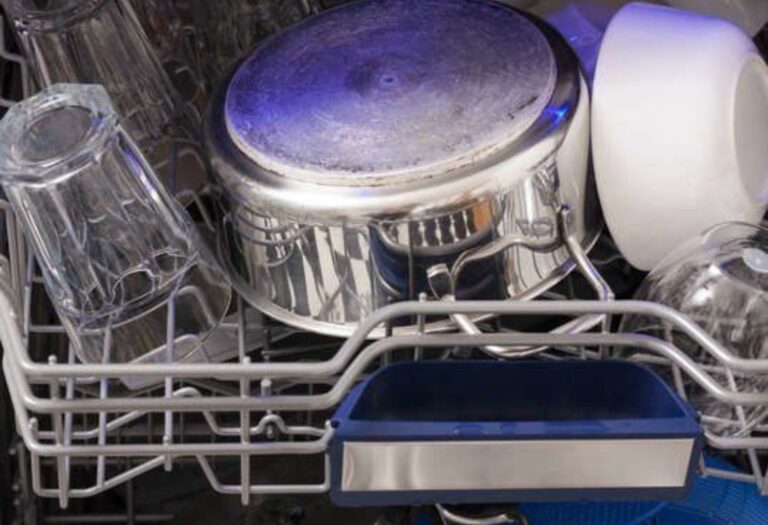
Answer: Check your juicer’s manual. Some parts may be dishwasher safe, but it’s often better to hand wash them to preserve their lifespan.
Question: How do I remove stains from my juicer?
Answer: Soak stained parts in a solution of baking soda and water or use a baking soda paste on stubborn stains, avoiding abrasive cleaners.
Question: What if I have hard water?
Answer: If you have hard water, use a food-safe descaling solution to remove mineral buildup that can affect your juicer’s performance.
Final Thoughts
Now you have a solid guide for keeping your juicer clean and running great! By washing your juicer weekly, you’re not just ensuring your drinks taste better. You’re also promoting your own health by stopping the growth of harmful bacteria and mold. It’s really about taking small, easy steps each week to protect your investment and maintain a healthy lifestyle. Now, go ahead and make juicing a fun and effortless part of your life. Make sure to gather all the supplies you need and set a consistent schedule. You’ll soon see how simple it is to keep your juicer in perfect condition. Don’t delay—get started right now and enjoy fresh, delicious juices every single day!

I’m Emma J. Caldwell, the founder, lead writer, and home-cooking enthusiast behind KitchenGuideCo.com. With a background in culinary arts and over a decade of cooking experience in both professional and personal kitchens, I created this platform to demystify recipes, offer smart kitchen gadget reviews, and guide readers through meal prep with confidence and clarity.