Cooking dinner can be tricky, especially when you forget to take the chicken out of the freezer! Many people wonder how to defrost chicken in microwave, and it can seem difficult. Don’t worry, it’s easier than you think! We’ll explain the simple steps, making the process safe and fast. Get ready to learn the best method for thawing chicken quickly so you can enjoy your meal without unnecessary delays. What you should do is to learn how to do it correctly and safely; you won’t have any problems.
Key Takeaways
- Learn the safest way to thaw chicken in your microwave.
- Discover how to prevent uneven cooking and potential health risks.
- Find out how long it takes to defrost chicken and what settings to use.
- Get tips on cooking chicken immediately after defrosting.
- Avoid common mistakes to ensure your chicken is safe to eat.
- Understand the importance of immediate cooking after defrosting.
Why Knowing How to Defrost Chicken in Microwave Is Important
Knowing how to safely defrost chicken is essential for anyone who cooks at home. Improper thawing can lead to bacterial growth, like Salmonella and Campylobacter, which can cause food poisoning. These bacteria thrive at room temperature, making it important to defrost chicken quickly and in a way that minimizes time spent in the “danger zone” (temperatures between 40°F and 140°F or 4°C and 60°C). By learning the correct microwave method, you can keep your chicken safe to eat, save time, and enjoy delicious, home-cooked meals without worry.
Understanding the Risks
The main risk when thawing chicken is bacterial growth. Bacteria multiply rapidly at room temperature. When chicken sits out too long, bacteria like Salmonella can multiply to dangerous levels, causing food poisoning. To prevent this, it’s important to use a method that keeps the chicken cold while thawing, such as the microwave. Always cook chicken immediately after defrosting to kill any bacteria that may be present.
- Bacteria Growth: Chicken is a perfect place for bacteria to grow.
- Uneven Thawing: Parts of the chicken might thaw faster than others.
- Cross-Contamination: Bacteria can spread to other surfaces.
Raw chicken can contain harmful bacteria like Salmonella and Campylobacter. When chicken sits at room temperature or even in the fridge for too long, these bacteria can multiply quickly. The longer the chicken stays in the “danger zone” (between 40°F and 140°F or 4°C and 60°C), the more bacteria can grow, increasing the risk of getting sick. Proper thawing methods, such as using a microwave, minimize the time the chicken spends in this zone.
Uneven thawing can lead to problems when you cook the chicken. The outside might cook while the inside is still frozen. This isn’t just about how the chicken tastes; it’s also about safety. Under-cooked chicken can still have bacteria that make you sick. Using a method like the microwave’s defrost setting helps thaw the chicken more evenly, reducing this risk.
When handling raw chicken, bacteria can easily spread to other surfaces in your kitchen. This is called cross-contamination. If you’re not careful, you might spread bacteria to your countertops, cutting boards, or other foods. Make sure to clean all surfaces and utensils that touch raw chicken immediately with hot, soapy water to prevent cross-contamination.
The Correct Way to Defrost Chicken in Microwave
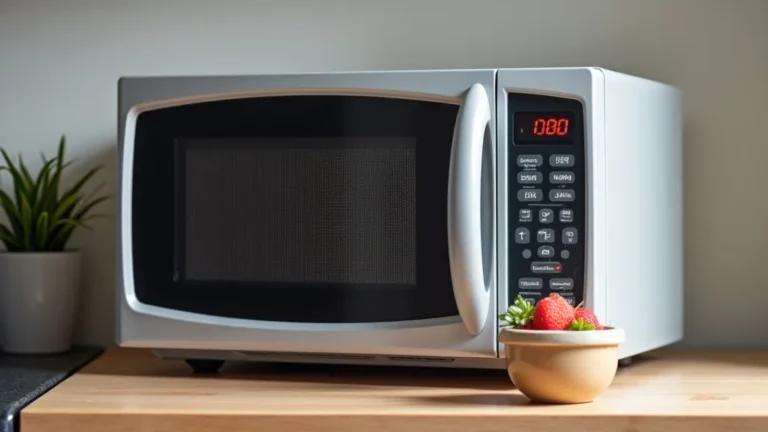
The best way to how to defrost chicken in microwave is to follow a few simple steps. The key is to use the “defrost” setting on your microwave. This setting uses lower power to thaw the chicken more slowly and evenly. Remember that microwaves can vary, so you might need to adjust the time based on your specific appliance. Also, it’s really important to cook the chicken right after thawing it to prevent the growth of bacteria.
Step-by-Step Instructions
To safely and effectively defrost chicken, follow these easy steps: Take the chicken out of its packaging, place it on a microwave-safe plate, and use the defrost setting on your microwave. Most microwaves have a dedicated defrost setting. If yours doesn’t, use 30% to 50% power. Turn the chicken over halfway through the process to ensure even thawing. After defrosting, cook the chicken immediately to prevent bacterial growth.
- Prepare the Chicken: Take the chicken out of its packaging. Remove any wrapping and place the chicken on a microwave-safe plate. This helps catch any juices as it thaws.
- Select the Defrost Setting: Choose the “defrost” setting on your microwave. This setting uses a lower power level to thaw the chicken more gently.
- Set the Time: Begin with 2-3 minutes per pound (450g) of chicken, checking and flipping halfway. This helps thaw the chicken evenly.
- Check and Flip: Open the microwave halfway through the defrosting time and flip the chicken. This ensures even thawing.
- Check for Doneness: The chicken should be pliable and not frozen, but still cool to the touch. It should not be cooked at all.
- Cook Immediately: Cook the chicken right away after defrosting to kill bacteria.
Before you start, make sure to remove all packaging from the chicken. This includes any plastic wrap, absorbent pads, or other materials that may come with it. These materials aren’t safe to microwave and can melt or release harmful chemicals. Placing the chicken on a microwave-safe plate also helps to collect any liquid released during defrosting, preventing a mess in your microwave.
The “defrost” setting on a microwave is designed to thaw food slowly. This helps to prevent the chicken from starting to cook on the outside while the inside is still frozen. If your microwave doesn’t have a specific defrost setting, you can use a lower power level, typically around 30% to 50%. This will achieve a similar result, ensuring the chicken thaws evenly.
The amount of time it takes to defrost chicken in a microwave depends on the weight of the chicken and the power of your microwave. As a general guide, start with about 2-3 minutes per pound (450g) of chicken. It’s really important to check the chicken frequently during the process. After the initial time, open the microwave and check the chicken. Flip the chicken over and continue defrosting in short intervals, checking often until it’s fully thawed. This prevents cooking on the edges.
Even thawing is super important to ensure that the chicken thaws correctly. Open the microwave after about half of the estimated defrosting time. Carefully flip the chicken over. This allows the other side to thaw and prevents one side from cooking while the other is still frozen. Check to see how the chicken is thawing. If any areas are starting to cook, you might need to adjust the defrost time.
The goal is to get the chicken thawed but not cooked. You can check the chicken by touching it. It should be soft and flexible, not hard or icy. There should be no cooked parts. If any part of the chicken feels warm or appears cooked, it’s been microwaved too long. If the chicken still has ice crystals, it needs more time. Once it’s thawed, cook the chicken immediately.
Once you’ve defrosted the chicken, the next and most important step is to cook it. Don’t leave the defrosted chicken at room temperature. This is where bacteria can grow. Cook the chicken right away to ensure it’s safe to eat. Whether you’re baking, grilling, or frying, make sure the chicken is cooked to an internal temperature of 165°F (74°C) to kill any harmful bacteria.
Troubleshooting Common Issues
Sometimes, things don’t go perfectly. If you find your chicken is partially cooked, use shorter defrost times or lower power settings. If the chicken isn’t thawing evenly, ensure it’s placed on a microwave-safe plate and is flipped halfway through the process. Always cook the chicken immediately after defrosting, even if it appears to be partially thawed. These steps will help you handle problems that may occur during the process.
- Partially Cooked Chicken: The edges start to cook before the inside thaws.
- Uneven Thawing: Some parts are still frozen, while others are thawed.
- Juice Pooling: Liquid accumulates around the chicken during defrosting.
If you notice the edges of your chicken are starting to cook while you’re defrosting, it means the microwave is set too high or the defrosting time is too long. To fix this, reduce the defrosting time or use a lower power setting. Keep checking the chicken frequently during defrosting. If it’s cooking on the outside, immediately stop defrosting and cook the chicken thoroughly. This ensures the chicken is safe to eat.
Uneven thawing can happen if the chicken isn’t placed correctly in the microwave or if it’s not flipped during defrosting. To help, make sure the chicken is placed on a microwave-safe plate, and flip it halfway through the defrosting time. You can also try adjusting the placement of the chicken in the microwave. Some microwaves have hot spots, so moving the chicken can help with even thawing.
Juice pooling is normal during the defrosting process. The juices released from the chicken are a mix of water and proteins. To prevent a mess, make sure the chicken is placed on a microwave-safe plate. You might want to consider adding a paper towel underneath the chicken to absorb the liquid. Wipe up any spills inside the microwave immediately after defrosting to keep your microwave clean.
Safety Tips
Always prioritize safety when handling raw chicken. Wash your hands thoroughly before and after handling the chicken, and be sure to clean all surfaces and utensils that come into contact with it. Cook the chicken to an internal temperature of 165°F (74°C) to kill any bacteria. Following these tips ensures that your chicken is safe and delicious.
Key Safety Practices
These are key safety practices you should follow when handling and cooking chicken. These steps help prevent food poisoning and make sure your meals are safe. Following these basic rules can protect your family and your health. Remember, simple actions can make a big difference when preparing food.
- Handwashing: Wash your hands with warm, soapy water for at least 20 seconds before and after handling raw chicken.
- Surface Cleaning: Clean and disinfect all surfaces and utensils that come into contact with raw chicken.
- Separate Surfaces: Never place cooked food on a surface that has held raw chicken without cleaning and sanitizing it first.
- Use a Thermometer: Always use a food thermometer to make sure the chicken is cooked to an internal temperature of 165°F (74°C).
Washing your hands is the most important step in preventing the spread of bacteria. Before you even touch the chicken, wash your hands thoroughly. After handling the chicken, even if you are just moving it from the packaging to the plate, wash your hands again. Make sure you use warm, soapy water. Rub your hands together for at least 20 seconds, getting between your fingers and under your nails.
After you’ve handled raw chicken, you need to clean everything it touched. That means countertops, cutting boards, knives, and any other utensils. Use hot, soapy water to clean these items first. Then, use a disinfectant to kill any remaining bacteria. A bleach solution (1 tablespoon bleach per gallon of water) is a good choice. Let the surfaces air dry or wipe them with a clean paper towel.
One of the easiest ways to spread bacteria is through cross-contamination. That’s when bacteria from raw chicken get onto something else, like a cutting board, and then onto other foods. To avoid this, always keep raw chicken separate from other foods, especially foods that won’t be cooked, like salads or fruits. Use separate cutting boards for raw chicken and other foods. If you use the same board, wash it thoroughly between uses.
You can’t always tell if chicken is safe to eat just by looking at it. That’s why you need a food thermometer. Insert the thermometer into the thickest part of the chicken, avoiding any bones. The chicken needs to reach an internal temperature of 165°F (74°C) to kill any harmful bacteria. Always check the temperature in several places to ensure the chicken is cooked through.
Comparing Defrosting Methods
While the microwave is the fastest method for thawing chicken, other methods, such as thawing in the refrigerator or in cold water, can also be used. Each method has its own benefits and drawbacks, so you can choose the one that works best for your schedule and needs. Consider the advantages of each method when you plan your meals.
| Method | Pros | Cons |
|---|---|---|
| Microwave | Fastest method, quick for last-minute meal preparation. | Can lead to uneven thawing, must cook immediately. |
| Refrigerator | Safest method, best for overall food safety. | Slowest method, requires planning. |
| Cold Water | Faster than the refrigerator method. | Requires frequent water changes. |
Refrigerator Thawing
Thawing chicken in the refrigerator is the safest method, but it takes the longest. Place the chicken in its original packaging or a leak-proof container on the lowest shelf of your refrigerator. Allow about 24 hours of thawing time for every 5 pounds (2.25 kg) of chicken. Once thawed, the chicken can be stored in the refrigerator for an additional 1-2 days before cooking. Always ensure that the chicken stays at a safe temperature (below 40°F or 4°C).
- Safety: The refrigerator maintains a consistent, safe temperature.
- Time: This method requires the most planning, usually overnight.
- Storage: Chicken can be safely stored in the refrigerator for 1-2 days after thawing.
The refrigerator is a great place to thaw food because it keeps food at a safe temperature. Bacteria can’t grow as quickly in the cold. With the fridge, there is no need to worry about the chicken being at room temperature for too long, as it is constantly chilled. You can be assured that the chicken will be safe to eat, even while it thaws.
If you’re using this method, plan ahead. It takes time. For a whole chicken or large pieces, it can take a full day or longer to thaw completely. If you have a busy schedule, or decide on a meal at the last minute, you might not have time to use the refrigerator method. Plan your meals at least one day in advance, or keep other options in mind.
After your chicken is fully thawed, you don’t have to cook it immediately. You can keep it in the fridge for a day or two. This gives you some flexibility, but it’s important to use it within that time. After that, the risk of bacteria growth goes up, so it’s safer to cook it. Always cook the chicken thoroughly before eating, to ensure that any potential bacteria are killed.
Cold Water Thawing
Thawing chicken in cold water is a faster alternative to the refrigerator method. Place the chicken in a leak-proof bag and submerge it in a bowl of cold water. Change the water every 30 minutes to maintain a safe temperature. This method typically takes about 1-2 hours for a pound (450g) of chicken. Be sure to cook the chicken immediately after it’s thawed.
- Speed: Faster than refrigerator thawing.
- Water Changes: Requires changing the water every 30 minutes.
- Bag Required: The chicken must be in a leak-proof bag.
Cold water thawing is significantly faster than the refrigerator method. With this method, you can go from frozen chicken to thawed chicken in a few hours. This is especially good if you need to prepare a meal quickly. However, you’ll need to keep an eye on the process and change the water regularly.
To thaw chicken safely in cold water, you must change the water frequently. This is because the water warms up as it thaws the chicken. If the water gets too warm, bacteria can start to grow. So, changing the water every 30 minutes keeps the water cold and helps to maintain a safe temperature for the chicken. This ensures the chicken thaws safely and quickly.
You can’t just put the chicken directly in the water. It needs to be in a leak-proof bag. This keeps the water out of the chicken and prevents cross-contamination. Make sure the bag is sealed tightly to prevent any leaks. Always check the bag for any holes or tears before you begin. That helps to keep the chicken safe while thawing.
Advanced Microwave Defrosting
While the basic steps for defrosting chicken in the microwave are straightforward, you can optimize the process for better results. This section will discuss advanced techniques to help you deal with larger pieces of chicken and uneven thawing. With practice, you can get the best results from your microwave and cook delicious meals with ease.
Defrosting Larger Chicken Pieces
Defrosting a whole chicken or large pieces of chicken in the microwave requires extra care. Since these items are larger, it is more important to defrost them slowly and evenly. You may need to use a lower power setting and allow for more defrosting time. For instance, rotate the chicken during the defrosting process to ensure even thawing. Checking the internal temperature with a meat thermometer is especially important.
- Power Level: Use a lower power setting for larger items.
- Rotation: Rotate the chicken during defrosting to ensure evenness.
- Temperature Checks: Use a meat thermometer to check for doneness.
When defrosting a whole chicken or large pieces, it’s really important to use a lower power setting on your microwave. This will prevent the outside from cooking before the inside is thawed. Usually, you can select a setting that is about 30% to 40% power. This lower setting allows the heat to spread more gently through the chicken, ensuring it thaws evenly.
Microwaves don’t always heat food evenly. So, to ensure a thorough thaw, you need to rotate the chicken. Do this every few minutes. This prevents hot spots and ensures the chicken thaws consistently. You may want to stop the microwave during the process. This lets you inspect the chicken and reposition it as needed.
Always use a meat thermometer when you are thawing or cooking chicken. Insert the thermometer into the thickest part of the chicken, away from the bones. The chicken is safe to cook when the internal temperature reaches 165°F (74°C). The thermometer will let you know whether the chicken is fully defrosted or cooked. It’s a key part of food safety and helps prevent food poisoning.
Addressing Uneven Thawing
Uneven thawing is a common problem when using a microwave. To solve this, you can adjust the position of the chicken in the microwave, such as positioning thicker parts towards the outer edges, or using a microwave with a rotating plate. In addition, you can try reducing the defrosting time or turning the chicken more often. Doing this ensures the chicken thaws evenly, reducing the risk of unsafe cooking.
- Plate Position: Arrange chicken to promote even heating.
- Microwave Rotation: Ensure the microwave has a rotating plate.
- Resting Time: Allow the chicken to sit after defrosting for a few minutes.
How you place the chicken on the plate matters. If the chicken is of uneven thickness, try positioning the thicker parts towards the outside edges of the plate. This is where the microwave energy is usually strongest. Doing this can help ensure the entire piece thaws at a similar rate. Make sure there are no overlapping parts. This promotes more even heating across the chicken.
If your microwave has a rotating plate, make sure it is working. The rotation is designed to move the food around, preventing hotspots, and leading to more even heating. If the rotating plate isn’t spinning, then the food may not thaw evenly. The rotation of the food makes the process more efficient and ensures that the chicken thaws evenly from all sides.
Even after thawing, the chicken may still have uneven temperatures. Allow the chicken to rest for a few minutes after defrosting. This can help the heat distribute more evenly through the meat. This will promote a more even temperature overall. This simple step can make a big difference in ensuring the chicken is ready to cook and safe to eat.
Frequently Asked Questions
Question: Can I refreeze chicken after I’ve defrosted it in the microwave?
Answer: No, it’s not safe to refreeze chicken that has been defrosted in the microwave. The rapid thawing process can raise the chicken’s temperature, increasing bacterial growth. Refreezing it could make you sick.
Question: Is it safe to thaw chicken on the counter?
Answer: No, you should never thaw chicken on the counter. The ambient temperature can encourage the growth of dangerous bacteria like Salmonella. Use the refrigerator, cold water, or microwave methods instead.
Question: How can I tell if the chicken has been defrosted properly?
Answer: The chicken should be pliable and cool to the touch. There should be no ice crystals left. The chicken should not be cooked at all, with no pink or white areas indicating cooking. Also, use a food thermometer to check the temperature.
Question: What’s the best way to handle defrosted chicken to prevent cross-contamination?
Answer: Wash your hands with warm, soapy water for at least 20 seconds before and after handling the chicken. Clean and disinfect all surfaces and utensils that come into contact with raw chicken. Do not place cooked food on surfaces that have held raw chicken without cleaning and sanitizing them first.
Question: What if my microwave doesn’t have a specific “defrost” setting?
Answer: If your microwave doesn’t have a defrost setting, you can use a lower power setting, usually about 30% to 50%. Start with a short time, like 2-3 minutes per pound, and check the chicken frequently, flipping it halfway through the process.
Final Thoughts
Now that you know how to how to defrost chicken in microwave, you can enjoy delicious home-cooked meals without worrying about food safety. The key is to use the microwave’s defrost setting, or a low power setting if your microwave doesn’t have one, and to cook the chicken immediately after thawing. Remember to follow the safety tips, such as washing your hands and cleaning surfaces, to prevent any potential risks. With a few simple steps, you can safely thaw chicken and make sure your meals are safe and delicious. By understanding the process, you can create delicious meals with confidence!

I’m Emma J. Caldwell, the founder, lead writer, and home-cooking enthusiast behind KitchenGuideCo.com. With a background in culinary arts and over a decade of cooking experience in both professional and personal kitchens, I created this platform to demystify recipes, offer smart kitchen gadget reviews, and guide readers through meal prep with confidence and clarity.