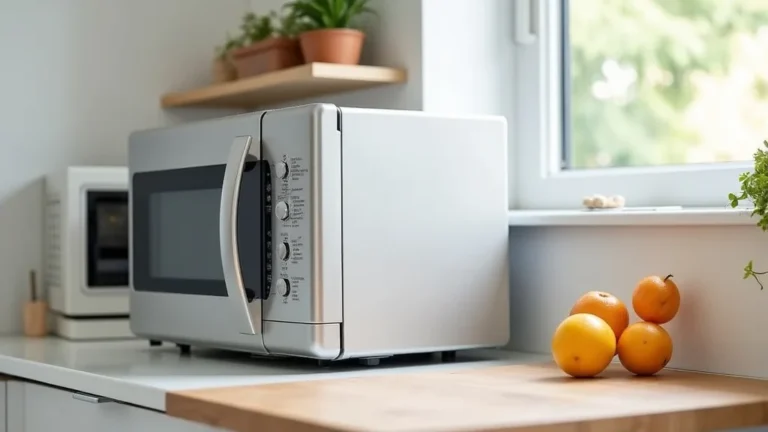
Figuring out how to defrost meat in microwave is something many people face. It’s often a bit tricky, especially when you want your meal ready fast. People often worry about uneven cooking or making the meat unsafe. But don’t fret! This guide will break it down simply, making the process easy and safe. We’ll explore step-by-step instructions that ensure your food is ready to cook without problems. Let’s get started!
Key Takeaways
- Learn the safest ways to defrost meat using your microwave.
- Discover how to choose the right microwave settings for the job.
- Understand the importance of even thawing to prevent food safety issues.
- Find out which types of meat are best defrosted using this method.
- Get practical tips to ensure your meat is ready to cook perfectly.
- Avoid common errors that could make your food unsafe.
Getting Started with Microwave Defrosting
The microwave is a quick tool, perfect for busy cooks. However, if you don’t know the proper methods, your meal could be a problem. Improper defrosting can lead to uneven cooking, and in turn, create a safe haven for bacteria. The key to success is following simple guidelines that prevent bacteria growth. Choosing the right settings is a must. This section will get you started with the basics, so you’ll be set to handle different types of meats safely.
Safety First: Before You Begin
Before you even think about putting meat in the microwave, there are a few important things to remember. First, it is best to remove the meat from its packaging. This includes styrofoam trays and plastic wrapping that could be unsafe at high temperatures. Always use microwave-safe dishes. Metal containers must be avoided at all costs. Metal reflects microwave energy, which can damage your microwave and make your food cook unevenly. Finally, always clean your microwave after you’re done to prevent any lingering bacteria or food particles from affecting your next meal. Following these steps ensures your safety and helps keep your kitchen clean.
- Use a microwave-safe dish: This might seem obvious, but it’s a must. Glass or ceramic dishes are your best friends here.
- Remove the packaging: This is a big step! The packaging from the store is usually not microwave-safe and could contaminate your food.
- Keep it cold: Always take the meat out of the fridge right before you plan to defrost it.
- Clean your microwave: After defrosting, clean the inside of your microwave to stop bacteria from forming.
According to the USDA, food can be unsafe to eat if it’s left at room temperature for more than two hours. Microwaving, when done correctly, helps speed up the thawing process while maintaining a safe temperature for the food. If you live in a warm environment (over 90°F), reduce the time to one hour. Understanding these safety measures is your first step to success. Now, we will get into the specific instructions.
Step-by-Step Guide: Defrosting Meat in the Microwave
Now, let’s explore how to actually defrost meat using your microwave. It’s a quick process when you know the steps. Each meat type can require slight adjustments. Always check the manufacturer’s instructions for your microwave for specific settings. Here are the basic steps you can follow for various types of meat. It’s a simple process, but accuracy is key. These steps will help you get it right every time, making sure your meals are safe and ready to cook.
Meat Preparation: Getting Ready to Defrost
The first step is about getting your meat ready for the microwave. Preparation affects how the meat will thaw. Proper preparation ensures that the meat heats safely and evenly. You also want to make sure your workspace is clean. Use a clean cutting board and wash your hands. This small step can make a big difference in ensuring both the quality and safety of your food. So, before you press any buttons, get your kitchen set up for success.
- Remove the meat from the packaging: This is the first and most important step.
- Place the meat on a microwave-safe plate: A dish with a slightly raised edge is helpful.
- Position the meat properly: Thinner pieces should be spread out, not overlapping.
- Consider turning the meat: Some microwaves heat unevenly, so turning the meat partway through can help.
Always remember that different cuts of meat will require adjustments to the time and power settings. The thickness of the meat also plays a crucial role. A thin steak will require less time than a large roast. According to the FDA, proper food handling is essential for preventing foodborne illnesses. Taking the time to prepare your meat correctly will increase the odds of a perfect outcome.
Defrosting Settings: Power and Time
Most microwaves have a specific “Defrost” setting. This setting uses a lower power level to thaw the food gently. The lower power prevents the outer parts of the meat from cooking before the inside is defrosted. Some microwaves may offer different defrost power levels, such as “Defrost Low” or “Defrost Medium.” Use the lowest setting possible to ensure the most even result. The duration is based on the weight and type of meat. For a small amount of ground beef, it may take a few minutes, but a large roast could need more time. This section will guide you through choosing the proper settings for your microwave.
- Use the “Defrost” setting: This is your best friend when thawing. It uses a lower power level.
- Set the weight: Enter the weight of the meat if your microwave asks for it. This helps it calculate the time needed.
- Start with a short time: Begin with a short time and check the meat often. You can always add more time.
- Check the meat frequently: Every minute or two, check for warmth and ice crystals.
If your microwave does not have a “Defrost” setting, you may need to use a lower power level like 30% or 50%. The key is to use a low setting and keep a close eye on the meat. According to a study by the University of Florida, using the wrong power setting is a common mistake when defrosting. Overcooking can make the meat dry and less tasty. Patience and attention are important to this step. Always check for areas that may be fully cooked while others are still frozen.
Turning and Checking: The Critical Steps
One of the essential parts of the process is turning the meat. This guarantees that it thaws evenly. Uneven heating is a common issue with microwaves. To solve this, you can turn the meat during the defrosting cycle. When checking the meat, look for a combination of softened areas and ice crystals. The meat should be cold to the touch but not frozen solid. Remove any parts that are fully thawed to prevent them from cooking. Turning the meat and checking often will give you the best outcomes.
- Turn the meat: Flip the meat over halfway through the defrosting time. This helps it thaw evenly.
- Check for warm spots: Feel the meat. If some parts are getting warm, they might be starting to cook.
- Check for ice crystals: The meat should still have some ice crystals.
- Remove thawed pieces: Take out any parts that are thawed to avoid cooking them.
Remember, the goal is to thaw, not cook. Over-defrosting can change the texture and quality of your meat. It can cause it to become dry or tough. If you notice any cooking starting to happen, reduce the time or use a lower power setting. The right balance will give you a perfect base for your next meal. According to research from the American Academy of Nutrition and Dietetics, the key is to ensure all parts of the meat reach a safe temperature during cooking. This is where this meticulous attention to detail proves beneficial.
Resting and Cooking: The Final Steps
Once you are done defrosting, it is important to let the meat rest a bit before cooking. This will help it thaw completely. Remove the meat from the microwave and let it sit on the counter for a few minutes. Then, you can prepare the meat for cooking. Cook it right away for the best results. Cooking the meat immediately after defrosting also reduces the risk of bacterial growth. Preparing for the rest of your cooking procedure is important. This last section covers the tips and tricks for finishing the job.
- Let the meat rest: Take the meat out of the microwave and let it rest for a few minutes.
- Pat it dry: Remove excess moisture with paper towels before cooking.
- Cook immediately: Cook the meat right away after defrosting.
- Check internal temperature: Use a meat thermometer to ensure the meat is cooked to a safe temperature.
Cooking immediately is vital. According to the Food Safety and Inspection Service, bacteria can multiply quickly at certain temperatures. The process of resting allows the internal temperature to equalize. According to a survey by Consumer Reports, using a meat thermometer is one of the best ways to ensure your food is safe to eat. These simple steps will help you handle your meat in a safe and productive way.
Types of Meat: Tips for Different Cuts
Different types of meat respond differently to microwave defrosting. The key is to adjust the time and settings for each type. For example, ground beef and poultry, which are typically thinner, might need a shorter time. Thicker cuts, like roasts or steaks, will require a bit more time. It’s helpful to know the correct approach for each type of meat. This section will walk you through the specifics. With these tips, you’ll be able to successfully defrost all sorts of meat.
Defrosting Ground Beef: Quick and Easy
Ground beef is often used for quick meals, so microwave defrosting can be great. Start by removing the ground beef from its packaging. Place it on a microwave-safe plate and flatten it. Flattening ensures more even heating. Use the “Defrost” setting and start with a short time, such as one to two minutes. Check and turn the meat often. Ground beef can cook quickly, so it’s important to monitor it. Once it has thawed, use it immediately in your favorite recipes. Using these steps will keep your ground beef at the safest and most delicious standard.
- Remove the packaging: This is a must for food safety.
- Flatten the meat: This helps with even thawing.
- Use the “Defrost” setting: It’s the safest option.
- Check and turn frequently: Ground beef thaws quickly, so watch closely.
According to the USDA, ground beef should be cooked to an internal temperature of 160°F. Defrosting in the microwave can shorten your prep time, making it easier to cook ground beef properly. One thing to keep in mind is to avoid cooking any of the meat during the defrosting process. Checking it every minute or so will prevent this from happening. Following these steps will give you great results every time.
Defrosting Chicken and Poultry: Careful Handling
When it comes to chicken and poultry, careful handling is especially important. Chicken can be more sensitive to temperature changes than other meats. Start by removing the chicken from its packaging and placing it on a microwave-safe dish. Use the “Defrost” setting and give it a short time. Turn the chicken halfway through the process. Chicken can thaw unevenly, so this helps. Remember to cook the chicken right after defrosting. It is important to cook it to a safe internal temperature to stop any bacteria. These tips will assist you in safely defrosting chicken and other poultry.
- Remove packaging: This is the first step for all meats.
- Use the “Defrost” setting: This is the most gentle method.
- Turn the chicken: This ensures even thawing.
- Cook immediately: Chicken needs to be cooked soon after defrosting.
According to the FDA, chicken should be cooked to an internal temperature of 165°F. Defrosting in the microwave can reduce your cooking time. Always check the internal temperature with a meat thermometer to make sure it’s cooked completely. Improper handling can create a breeding ground for bacteria. When you handle chicken, taking precautions is important. The use of a meat thermometer will help you maintain high food safety standards.
Defrosting Steaks and Roasts: Patience is Key
Steaks and roasts require patience. They are usually thicker. Begin by removing the steak or roast from its packaging and placing it on a microwave-safe dish. Use the “Defrost” setting, but start with short intervals, such as a minute or two. Larger cuts of meat can take longer. Turn the meat over halfway through the process. If any parts begin to cook, reduce the time. It is important to cook the meat immediately. Remember, even with the right steps, it can take longer. These tips will help you safely defrost steaks and roasts.
- Remove the packaging: Start with the basics.
- Use the “Defrost” setting: This gives you the best control.
- Defrost in short bursts: Check the meat frequently to avoid cooking.
- Let it rest and cook immediately: Give it some time to finish thawing and then cook.
Thicker cuts of meat are more likely to have uneven thawing. Because of this, it is essential to check the meat regularly. According to the Meat and Livestock Australia, you should use a meat thermometer. Cook steaks and roasts to the proper internal temperature. Patience and careful monitoring are key. With practice, you’ll be able to thaw your steaks and roasts without trouble.
Common Problems and How to Avoid Them
Even with the best techniques, things can go wrong. There are a few things that can disrupt your defrosting efforts. One common issue is uneven cooking. Another is the meat getting too warm. Knowing how to prevent these problems helps make sure your food is safe and tastes good. This section addresses potential difficulties and explains the solutions. With the right information, you can get it right.
Uneven Defrosting: The Main Challenge
Uneven thawing is a regular problem. Some parts of the meat can cook while others are still frozen. This happens because microwaves don’t always heat evenly. To avoid this, make sure to turn the meat during the defrosting process. You can also move the meat around during defrosting. Place the thicker parts of the meat toward the outside of the plate where they get more heat. Checking frequently is a must. If some parts start to cook, remove them from the microwave. These simple actions will help keep the process even. It will also help the food remain safe.
- Turn the meat frequently: This is a must for even heating.
- Move the meat around: Position thicker parts on the outside.
- Check frequently: Look for warm spots or cooked areas.
- Adjust settings as needed: Use a lower power or shorten the time.
Uneven thawing can lead to bacterial growth. It’s essential to ensure all parts of the meat reach a safe temperature during cooking. According to a study in the Journal of Food Science, temperature control is essential in food safety. If you have any concerns about uneven thawing, make sure to cook the meat thoroughly. Using a meat thermometer can give you an extra layer of security. Taking these steps will help you avoid uneven heating.
Over-Defrosting: Avoiding the Cooked Edges
Over-defrosting is also a common problem. It happens when the meat spends too much time in the microwave. This can make the outside of the meat cook. This can cause the meat to become dry or tough. To avoid this, use short defrosting intervals and keep a close watch on the meat. As soon as you see the edges starting to cook, remove it. Make sure you are cooking the food correctly. Over-defrosting can change the texture and flavor of the meat. Taking care during this step will keep it at its best.
- Use short intervals: This is the key to preventing cooking.
- Check frequently: Watch for any signs of cooking.
- Remove cooked edges: If you see any, take the meat out.
- Cook immediately: Prepare the meat right after defrosting.
Over-defrosting can impact the quality of your meal. Meat that’s been cooked can lose its juiciness and flavor. According to the Food Safety Authority of Ireland, you need to follow proper defrosting procedures. This is to avoid unsafe conditions. By taking these measures, you can prevent this issue. By paying close attention during the defrosting stage, you can maintain the quality of your meat. Your results will be much more satisfactory.
The Smell Test: What to Do if Something’s Wrong
If you notice an off smell, it’s vital to handle the meat safely. An odd smell may mean that the meat has started to spoil. Even if the meat looks fine, it might not be safe to eat. In this case, it is important to discard it immediately. The smell test is one of the most important things you can do. Always trust your senses when it comes to food safety. It is always better to be safe. If you have any concerns, you should not eat the meat. This part ensures that you maintain the health of yourself and others.
- Trust your nose: If the meat smells off, throw it away.
- Look for other signs of spoilage: Discoloration or slimy texture is a bad sign.
- When in doubt, throw it out: It’s better to be safe than sorry.
- Clean your microwave thoroughly: Get rid of any lingering odors or particles.
According to the Centers for Disease Control and Prevention, foodborne illnesses can have serious health implications. Spoiled meat might contain harmful bacteria. If you notice a bad smell, it’s best to discard the meat. Proper food handling reduces the risk of foodborne illnesses. Your safety is most important. With these practices, you can confidently prepare your meals.
Frequently Asked Questions
Question: Can I defrost meat in its packaging?
Answer: It’s best to remove the meat from its packaging. Most store packaging isn’t microwave-safe and could contaminate your food.
Question: How long should I defrost meat in the microwave?
Answer: The time depends on the type and weight of the meat. Start with a short time and check frequently, adding more time as needed.
Question: Can I refreeze meat that has been defrosted in the microwave?
Answer: It’s generally not recommended. Meat that has been defrosted in the microwave should be cooked immediately.
Question: Is it safe to defrost meat on the counter?
Answer: No, it is not safe. Leaving meat at room temperature can cause bacteria to grow. Use the microwave or fridge instead.
Question: What’s the best way to cook meat after defrosting?
Answer: Cook the meat immediately after defrosting. Use a meat thermometer to ensure it reaches a safe internal temperature.
Final Thoughts
How to defrost meat in microwave efficiently is an important kitchen skill. Remember, success depends on safety, patience, and attention to detail. This guide is built on the basics, giving you the knowledge you need. The key is to start with the right settings and monitor the meat closely. Practice helps! Don’t be afraid to experiment. With time, you’ll master this technique. Using the steps we covered, you can safely thaw different types of meat. Remember to check, turn, and cook. This allows you to cook delicious meals. So, the next time you need a quick meal, you’ll be able to defrost your meat safely. Now, go ahead and get cooking!

I’m Emma J. Caldwell, the founder, lead writer, and home-cooking enthusiast behind KitchenGuideCo.com. With a background in culinary arts and over a decade of cooking experience in both professional and personal kitchens, I created this platform to demystify recipes, offer smart kitchen gadget reviews, and guide readers through meal prep with confidence and clarity.