Descaling your pressure cooker is crucial for optimal performance and longevity, and it’s surprisingly easy to do today! Combat limescale buildup efficiently using simple household ingredients like vinegar or lemon juice. This quick process ensures your appliance remains efficient, safe, and extends its lifespan, guaranteeing perfectly cooked meals every time.
Hey there, fellow home cooks! Ever noticed a white, chalky residue building up inside your beloved pressure cooker? Don’t worry, you’re not alone! That’s limescale, and it’s super common, especially if you live in an area with hard water. The good news? Learning how to descale pressure cooker is surprisingly simple and a crucial step for its longevity, and it can make a huge difference in how well your cooker performs and how long it lasts. Trust me, a little descaling goes a long way!
You’re in the right place to get your pressure cooker sparkling clean again. I’ve been there, staring at that pesky buildup, and through trial and error, I’ve found the easiest and most effective way to tackle it. Let’s get into it!
How do I effectively learn how to descale pressure cooker to keep it performing its best?

Ah, the age-old question for anyone who loves their pressure cooker as much as I do! That white, crusty buildup, often called limescale, is essentially mineral deposits left behind by hard water. It can make your cooker less efficient, waste energy, and even affect the taste of your food over time. But fear not, because learning how to descale pressure cooker is straightforward, and a skill every pressure cooker owner should have. You probably already have what you need in your pantry!
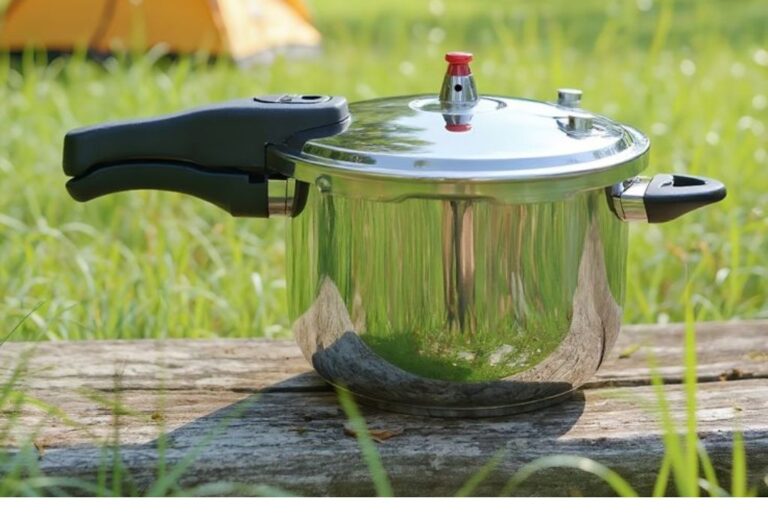
I’ve tried a few methods over the years, and the most reliable and easiest one uses good old white vinegar. Here’s my go-to process when I need to figure out how to descale pressure cooker, shared from countless times I’ve brought my own cooker back to sparkling life:
- Gather Your Supplies: You’ll need white vinegar, water, a soft sponge or cloth, and maybe a gentle scrubber for any stubborn spots.
- The Vinegar Bath: Pour about 1-2 cups of white vinegar into your pressure cooker. Then, fill the rest of the way with water, making sure the water level covers all the visible limescale. For my 6-quart cooker, I usually use about 1.5 cups of vinegar.
- Heat It Up: Close the lid of your pressure cooker. Bring it up to full pressure on your stovetop. Once it reaches pressure, let it cook for about 5-10 minutes. The heat and pressure work together to loosen those stubborn mineral deposits, making the actual process of how to descale pressure cooker much easier.
- Cool Down Naturally: After the time is up, turn off the heat and let the pressure release naturally. This slow cool-down gives the vinegar more time to work its magic. Don’t try to quick-release; patience here pays off!
- Open and Inspect: Once the pressure is fully released, open the lid. Carefully pour out the vinegar and water mixture. You should already see a big difference! Most of the scale will have dissolved or softened.
- Gentle Scrub and Rinse: Using a soft sponge or cloth, gently wipe down the inside of the cooker. For any truly stubborn spots that didn’t fully come off, a non-abrasive scrubber can help. I sometimes use a bit of baking soda paste for extra scrubbing power on those really tough patches. Just be gentle not to scratch the surface.
- Rinse, Rinse, Rinse: This step is super important! Rinse your pressure cooker thoroughly with clean water, several times. You want to make sure all traces of vinegar are gone. I always give it a good sniff test to be sure. Nobody wants vinegar-flavored beans! Once sparkling clean, you’ll feel so much better about how to descale pressure cooker and keep it maintained.
What if you don’t like the vinegar smell? I totally get it. Sometimes, I opt for lemon juice instead. Just follow the same steps, using 2-3 lemons’ worth of juice (or about 1/2 cup of bottled lemon juice) diluted in water. It works similarly well and leaves a much fresher scent. It’s a great alternative if you’re wondering how to descale pressure cooker without the strong vinegar aroma.
To prevent heavy buildup, I try to descale my pressure cooker every 2-3 months, depending on how often I use it and if I notice the white residue forming. A simple rinse with a splash of vinegar and water after a particularly heavy cooking session can also help maintain its sparkle. Remember, knowing how to descale pressure cooker not only keeps your appliance looking great but also ensures it cooks your meals perfectly every time.
So there you have it! Descaling your pressure cooker doesn’t have to be a daunting task. With a little vinegar (or lemon juice) and a few minutes of your time, you can easily bring your trusty kitchen companion back to its prime. With a little effort, you’ll master how to descale pressure cooker and keep your kitchen companion in top shape. Happy cooking, everyone!