Having a rice cooker with a peeling pot is a common problem, especially for people new to cooking. It’s frustrating when your rice sticks and burns. Don’t worry, finding out how to fix peeling rice cooker pot isn’t as hard as you might think. We’ll explore the causes and offer simple, step-by-step solutions to get your rice cooker back in action. Get ready to cook perfect rice again!
What Causes Rice Cooker Pots to Peel?
The non-stick coating on your rice cooker pot is there to stop rice from sticking. But this coating can peel off over time. Several things can cause this, and knowing these will help you fix the issue. Understanding the science behind the coating will also prevent problems. It’s often due to wear and tear, using the wrong utensils, or improper cleaning methods. Other times, the coating might be cheaply made. Let’s look at why this happens and what can be done to make things better.
Common Reasons for Peeling
- Using Metal Utensils: Using metal spoons or spatulas directly in the pot is a major culprit. These tools can scratch and damage the non-stick surface, causing it to peel. Think about how a metal fork can scratch a non-stick frying pan. The same thing happens with your rice cooker.
- High Heat and Overcooking: Cooking at excessively high temperatures or leaving the rice cooker on for too long can damage the pot. High heat can weaken the bonding of the non-stick coating. Overcooking dries out the rice, making it stick and peel the coating when removed.
Prolonged exposure to high heat can break down the materials in the coating. It causes the non-stick properties to diminish. Overcooked rice also tends to stick to the pot more aggressively. The dry, hardened rice can pull away the coating when you try to remove it.
- Harsh Cleaning Practices: Aggressive scrubbing with abrasive pads or harsh detergents can wear down the non-stick surface. Even the dishwasher can cause damage. Using the wrong products will quickly remove the coating.
Using abrasive cleaners and scrub pads acts like sandpaper on the coating. These materials remove layers of the non-stick surface. Dishwashers can also damage the pot due to the high heat and strong detergents used. Gentle cleaning is the best way to keep your pot in good shape.
Metal utensils, such as spoons or spatulas, can easily scratch the delicate non-stick layer. Every time you scrape the bottom or sides of the pot with a metal object, you create tiny scratches. Over time, these scratches wear down the coating, making it more likely to peel.
How to Deal with a Peeling Rice Cooker Pot
If your rice cooker pot starts peeling, it’s time to take action. Ignoring the problem will only make it worse, and your rice will likely burn. Luckily, there are ways to fix the issue. We’ll cover the steps, including temporary fixes, and how to look for new replacements. The goal is to keep using your cooker or to upgrade safely. Let’s make sure your rice is cooked perfectly every time.
Temporary Fixes
- Use a Non-Stick Liner: Place a silicone liner or a parchment paper circle in the pot before cooking. This creates a barrier between the rice and the peeling surface. It’s a good option to extend the life of your pot while you decide on a permanent solution or until you get a replacement.
- Change Cooking Methods: Try using less water or adding a small amount of oil to the pot before cooking. These can help reduce sticking. For example, add a teaspoon of olive oil to the pot before putting in the rice and water.
- Avoid Scraping with Metal: Always use a silicone or wooden spatula to remove the rice from the pot. Never use metal utensils, as they can worsen the peeling.
Non-stick liners protect the rice from the damaged coating and prevent it from sticking to the pot. This is a practical and easy way to keep your rice from getting ruined. They are inexpensive and widely available, and you can easily clean them.
Adjusting the cooking method can improve your results. Less water reduces the chances of rice sticking, and oil creates a barrier, making the rice easier to remove. These small changes can significantly help manage the peeling pot and improve rice quality.
Using soft, non-metal utensils protects the remaining coating. This reduces further damage to the pot. Regularly check the condition of your utensils and replace them when they show signs of wear. Doing this will prevent you from accidentally worsening the problem.
When to Replace Your Rice Cooker Pot
- Severity of Peeling: If large areas of the coating are missing, it’s time to
Once a significant amount of the non-stick coating is damaged, the pot’s functionality is compromised. Continued use can lead to uneven cooking and rice sticking. The exposed metal might affect the taste of the rice. Also, when the coating is peeling, it can contaminate your food with potentially harmful chemicals.
- Difficulty Cleaning: A heavily damaged pot can be hard to clean. Stuck rice can be tough to remove. If you have to scrub hard, you risk further damaging the pot.
- Safety Concerns: If the base metal is exposed, the pot can potentially release harmful chemicals into your food during cooking. This is a major concern. If you’re concerned about safety, you should replace the pot.
If cleaning the pot becomes a struggle, it’s a sign that the coating has deteriorated significantly. Food particles may get trapped in the damaged areas, which can lead to bacteria growth. A new pot will make it easier to cook and clean your rice, saving time and effort.
Exposed metal can react with the food, affecting its taste and potentially posing health risks. Always prioritize your well-being. A new, quality pot is the best choice to avoid these risks. Make sure the replacement meets safety standards and is free of harmful substances.
Alternatives to Repairing a Rice Cooker Pot
Sometimes, a repair isn’t the best option. In these situations, explore other solutions that may be easier or safer. This includes buying a new pot or getting a new rice cooker. Choosing the right path will give you the best results.
Buying a New Rice Cooker Pot
- Check the Model: Make sure you buy a pot that fits your rice cooker. Look for the model number on your existing pot or the rice cooker itself. Matching the model ensures a perfect fit.
- Choose the Right Material: Consider the material of the
Choose a pot made from safe materials. Check for materials that are free from PFOA and PTFE, which are potentially harmful chemicals. Also, consider stainless steel pots, which are durable and often don’t require non-stick coatings. Doing this will make sure your food is safe and the pot lasts a long time.
- Read Reviews: Before you buy, read reviews from other users. See if they had any problems. Look for information on the non-stick performance and durability. This will tell you if the pot is good quality.
Checking the model number is very important. Getting the right size and shape is vital for proper cooking. The new pot should fit snugly and make good contact with the heating element. You can find model numbers in the user manual or on a sticker on the rice cooker.
Reading reviews helps you gauge how well the pot performs in real-world scenarios. It provides insights into the non-stick properties and how easy it is to clean. Users can report problems with the pot. Reviews offer a complete picture of the pot’s performance, helping you make a better buying decision.
Purchasing a New Rice Cooker
- Consider Upgrading: Instead of replacing just the pot, think about getting a newer rice cooker. Newer models often have improved features. These include better non-stick coatings, multiple cooking settings, and smart technology.
- Evaluate Features: Look for features that meet your cooking needs. Some rice cookers have settings for different types of rice, like brown rice or sushi rice. Some have a keep-warm function, which is useful for keeping cooked rice at the perfect temperature for a long time.
- Set a Budget: Determine how much you want to spend on a new rice cooker. Prices can vary a lot, depending on features and quality. Setting a budget helps narrow down your choices and ensures you don’t overspend.
Newer models may provide better cooking results. They also offer added convenience. These advanced features can make cooking easier and provide different cooking options. It’s a good way to improve your cooking experience and get a better, more modern appliance.
Deciding which features you need makes your choice easier. If you often cook different types of rice, select a rice cooker with multiple settings. The keep-warm option can be helpful if you want to serve rice at various times. Consider how the features will improve your cooking habits.
Establish a price range that works for you. This will prevent you from choosing an option that is too costly. Compare different models in your budget to find the best value for your money. Think about the features you need and choose a model that provides the best combination of quality and features.
Protecting Your Rice Cooker Pot and Making It Last
Preventing damage to your rice cooker pot will help it last longer. Proper care and maintenance are important. These actions will preserve the non-stick surface and ensure your rice cooks well. By following these tips, you can enjoy perfectly cooked rice for years to come. Maintaining your rice cooker well makes sure it’s reliable.
Cleaning and Maintenance Practices
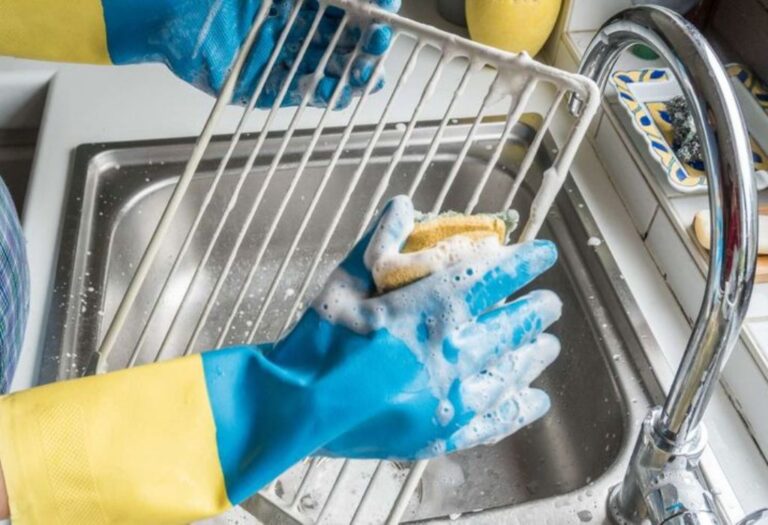
- Proper Cleaning: Always allow the pot to cool before cleaning. Use warm, soapy water and a soft sponge or cloth. Avoid using abrasive scrub pads, as they can damage the non-stick coating.
- Avoid Metal Utensils: Always use a silicone or wooden spatula for serving and stirring rice. Metal utensils can scratch and damage the pot’s non-stick coating. This can result in peeling and affect the pot’s performance.
- Gentle Handling: Handle the pot carefully to prevent dents or scratches. Avoid dropping the pot or placing heavy items on it. These actions can also compromise the non-stick coating.
Cleaning your rice cooker pot properly protects the non-stick surface. Always allow the pot to cool before washing it. Use soft materials to avoid scratching the surface. Regular cleaning prevents buildup that can affect cooking performance.
Using the right tools preserves the integrity of the pot’s surface. Silicone and wood are non-abrasive, which protects the non-stick layer. Metal utensils cause damage and make the pot more likely to peel. Using non-metal utensils will extend the pot’s lifespan.
Gentle handling prevents physical damage that can affect the pot’s performance. Small dents or scratches can weaken the non-stick layer. Proper storage and care will keep the pot in good shape and help it last a long time.
Long-Term Care Tips
- Storage: When not in use, store the pot in a safe place. This will prevent scratches and other damage. If your rice cooker has a designated storage location, use it.
- Regular Inspection: Inspect the pot regularly for signs of wear and tear. Look for scratches, peeling, or any other damage. Catching issues early can prevent them from getting worse.
- Follow Instructions: Always follow the manufacturer’s instructions for cleaning, cooking, and maintenance. If your rice cooker has specific instructions, follow them. This will make your pot last longer.
Proper storage prevents accidents that can damage your pot. A safe storage spot protects the pot from scratches and dents. Keeping the pot away from other kitchen items prevents accidental damage. This will keep your pot in good shape.
Regular inspections allow you to take quick action. It’s a way to ensure the pot’s performance and safety. Catching issues when they’re small helps extend the pot’s life. Regular inspections can make sure the pot continues to work well.
Following the manufacturer’s advice will help you avoid damage and ensure the best cooking results. Manufacturer instructions include advice that is specific to your appliance. If you follow these instructions, your appliance will remain in excellent condition. This will help you get the most out of it.
| Feature | Non-Stick Coating | Stainless Steel |
|---|---|---|
| Advantages | Easy to clean, rice does not stick, cooks evenly | Durable, resistant to scratches, no coating to peel |
| Disadvantages | Can peel off, requires careful handling, scratches easily | Rice may stick if not properly prepared, can burn rice |
| Maintenance | Use soft utensils, avoid abrasive cleaners, replace when damaged | Can use metal utensils, easy to clean, less maintenance |
Frequently Asked Questions
Question: Can I still use my rice cooker if the pot is peeling a little?
Answer: It’s best to stop using the pot as soon as you see peeling. Even a small amount of peeling can release chemicals into your food, and it will only get worse.
Question: Can I use metal utensils in my rice cooker?
Answer: No, you should never use metal utensils. They can scratch the non-stick surface, which will cause it to peel more quickly.
Question: How do I clean my rice cooker pot safely?
Answer: Always wait for the pot to cool. Then, wash it by hand using warm, soapy water and a soft sponge. Never use abrasive cleaners or scrub pads.
Question: Is it safe to cook rice in a peeling rice cooker pot?
Answer: It is not safe. The peeling coating may mix with the food, which can be bad for your health. Replace the pot immediately.
Question: What’s the best way to prevent my rice cooker pot from peeling?
Answer: Always use soft utensils, avoid harsh cleaning methods, and follow the manufacturer’s directions for care and maintenance.
Final Thoughts
When it comes to how to fix peeling rice cooker pot, the key is understanding the causes and choosing the right solution. You now know the reasons behind the peeling and can take action, whether it’s through simple temporary fixes, replacing the pot, or getting a new rice cooker. By using soft utensils, avoiding harsh cleaning, and following the manufacturer’s advice, you can protect the non-stick surface and make your rice cooker last. Remember to inspect the pot regularly and

I’m Emma J. Caldwell, the founder, lead writer, and home-cooking enthusiast behind KitchenGuideCo.com. With a background in culinary arts and over a decade of cooking experience in both professional and personal kitchens, I created this platform to demystify recipes, offer smart kitchen gadget reviews, and guide readers through meal prep with confidence and clarity.