It’s frustrating when your rice cooker suddenly stops working, especially when you’re hungry! Many people face this issue because of simple problems, making it a common troubleshooting task. Don’t worry, figuring out how to fix rice cooker not heating doesn’t require advanced technical skills. This guide will walk you through a few easy steps to diagnose and solve the problem, ensuring you can enjoy perfectly cooked rice again. Ready to learn?
Possible Issues and Preliminary Checks
Before you start taking things apart, it’s essential to perform some basic checks. Often, the solution is much simpler than you think. These initial steps can save you time and effort and prevent unnecessary repairs. It’s like checking if your car has gas before assuming the engine is broken! By starting with the basics, you’ll be more efficient at pinpointing the cause of the problem. This initial troubleshooting can often resolve the issue without requiring more advanced methods.
Power Supply and Basic Connections
The first thing to check is the power source. Is the rice cooker plugged in? Sounds basic, but it’s a common oversight. Make sure the power cord is securely connected to both the rice cooker and the wall outlet. Sometimes, a loose connection is all it takes to prevent the appliance from working correctly. Also, inspect the cord for any visible damage, like cuts or frays. If you spot damage, the cord might need replacing for safety.
-
- Check the Outlet: Try plugging another appliance into the same outlet to ensure the outlet is working. If another appliance doesn’t work, the outlet may need to be reset or repaired. Sometimes a tripped circuit breaker can be the culprit.
If the outlet is the problem, resetting the breaker is a straightforward task. Locate your electrical panel, usually in a basement or utility closet. Identify the breaker that controls the outlet where your rice cooker is plugged in. It will likely be labeled. If the switch is in the “off” position or in the middle, flip it to the “on” position. If it immediately trips again, there might be a wiring issue that requires a professional.
- Inspect the Power Cord: Look over the power cord for any visible damage. Cuts, cracks, or exposed wires can prevent the rice cooker from receiving power, or even pose a safety hazard. If you notice any damage, do not use the rice cooker. It’s best to either replace the cord or get a professional to assess the damage.Replacing the power cord is typically an easy fix. If you’re comfortable with basic electrical work, you can buy a replacement cord and attach it. Ensure you disconnect the rice cooker from the power source first. Follow the manufacturer’s instructions, or consider getting a professional to do it. Safety should be your primary concern.
- Test for Power at the Appliance: Use a multimeter to test for voltage at the plug on the rice cooker. This helps determine whether power is reaching the appliance. If no power is detected, the cord or internal wiring could be the issue.A multimeter is a handy tool, but it’s important to understand how to use it safely. Consult the user manual for your multimeter. Set it to the correct voltage setting. With the rice cooker unplugged, touch the probes to the terminals inside the plug. Be sure to avoid touching the probes to the metal parts of the plug. If the multimeter shows no voltage, the issue lies in the cord or the appliance’s internal components.
Check the Cooking Pot and Lid
Sometimes, the problem isn’t electrical but mechanical. A misaligned pot or a lid that doesn’t seal properly can disrupt the cooking process. The cooking pot needs to make good contact with the heating element, and the lid must seal tightly to trap steam. This ensures even heating and proper rice cooking. Always make sure the pot is clean. Any debris can prevent good contact with the heating plate.
- Ensure the Pot Sits Correctly: Make sure the inner pot is properly seated inside the rice cooker. The pot must make solid contact with the heating element at the bottom. Check for any obstructions, such as food debris or damage to the pot itself. A pot that doesn’t sit flat won’t heat evenly.If the pot doesn’t sit properly, carefully remove it and clean the heating plate with a soft cloth. Check the bottom of the pot for any dents or warping. If the pot is damaged, it may not make good contact with the heating element. It’s often best to replace a damaged pot to ensure even cooking and prevent future issues. Also, make sure no objects have gotten lodged in the heating base.
- Inspect the Lid Seal: Check the lid for a tight seal. A loose lid allows steam to escape, which can affect the cooking temperature and prevent the rice from cooking properly. Examine the rubber gasket around the lid for damage or wear.A damaged or worn gasket can be a simple fix. Inspect the rubber seal around the lid. If it’s cracked, dried out, or damaged, it might not seal correctly. You can often purchase a
- Clean the Vent Hole: Some rice cookers have a vent hole in the lid to release steam. If this vent is blocked, it can affect the cooking performance. Check the vent for any blockage from food or other debris. Use a toothpick or small brush to clear any blockages.The vent hole is a small but critical part of the rice cooker. Carefully inspect the vent hole on the lid to ensure it’s free from obstructions. A blocked vent can cause pressure to build up inside, affecting the cooking process. Use a toothpick or a small brush to gently clear any debris. This simple cleaning can often resolve heating issues and restore optimal performance.
Troubleshooting Internal Components
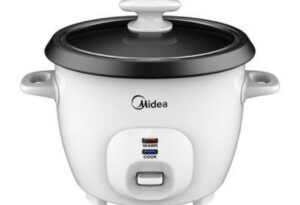
If the preliminary checks don’t resolve the issue, it’s time to look at the inner workings. While you might not need to take the rice cooker completely apart, understanding a few internal parts can help you find the problem. The heating element, thermostat, and thermal fuse are key players in the cooking process. Each component needs to function correctly for the appliance to heat up.
Examining the Heating Element
The heating element is the heart of the rice cooker. It’s responsible for generating the heat needed to cook the rice. Over time, the heating element can fail due to wear and tear. Checking it can often pinpoint the problem. Examining this component can give you insight into why your how to fix rice cooker not heating.
- Visual Inspection: Carefully examine the heating element for any signs of damage. Look for cracks, breaks, or corrosion. Damage is a clear indication that the element may not be functioning correctly. Discoloration can also be a sign of overheating.To inspect the heating element, unplug the rice cooker and allow it to cool completely. Carefully examine the heating element for any physical damage. If you notice any cracks, breaks, or significant discoloration, the heating element might be damaged and require replacement. Also check for any signs of corrosion, which can also impede its function. If you are not comfortable taking the rice cooker apart, it is best to consult a professional.
- Testing with a Multimeter: If there are no obvious visual defects, use a multimeter to test the heating element for continuity. Set the multimeter to the ohms setting. Touch the probes to the two terminals of the heating element. If the reading is close to zero, the element is fine. If the reading is infinite, the element is likely burned out.Testing the heating element with a multimeter is an easy process. With the rice cooker unplugged, set the multimeter to the ohms (Ω) setting, which measures resistance. Touch one probe to each terminal of the heating element. A good heating element will show a low resistance value (usually a few ohms). An infinite reading or a very high resistance indicates that the heating element is not working. If the heating element is faulty, it will need to be replaced. Consult the rice cooker’s manual for proper replacement instructions.
- Checking the Connections: Examine the electrical connections to the heating element. Make sure the wires are securely attached. Loose connections can prevent the element from receiving power, causing it not to heat up.Loose connections can often be the source of heating problems. With the rice cooker unplugged, carefully inspect the connections to the heating element. Check that the wires are securely fastened to the terminals. If you find any loose connections, gently tighten them with a screwdriver, if possible. If the connections look corroded, clean them with a small brush and some electrical contact cleaner. Ensure that the connections are secure to restore power to the heating element, allowing it to function correctly.
Investigating the Thermostat
The thermostat regulates the temperature inside the rice cooker. It’s the “brain” that controls the heating element, turning it on and off to maintain the correct cooking temperature. Problems with the thermostat can result in inconsistent heating, or no heating at all. Testing the thermostat can tell you whether or not it’s the culprit when you’re exploring how to fix rice cooker not heating.
- Location of the Thermostat: The thermostat is usually located near the heating element or the bottom of the rice cooker. Check your rice cooker’s manual to find its exact location. Identifying its location is the first step in troubleshooting the thermostat.Consulting your rice cooker’s manual is the best way to locate the thermostat. The thermostat is commonly situated near the heating element at the bottom of the unit. Some models might have it attached to the heating plate or embedded in the base. Once you have located the thermostat, you can then proceed with checking it. Without the correct location, you may waste time examining other parts that are not the root of the problem.
- Testing the Thermostat: Use a multimeter to test the thermostat’s continuity. At room temperature, the thermostat should show continuity (a closed circuit). As it heats up, it should open the circuit. If it fails to open or close the circuit as expected, it’s faulty.To test the thermostat, you’ll need a multimeter and access to the thermostat’s terminals. Set the multimeter to the continuity setting. At room temperature, the thermostat should show continuity, meaning that the circuit is closed, and you should hear a beep or see a low resistance reading. If you heat the thermostat (such as using a hair dryer on a low setting), the circuit should open. The multimeter should display no continuity or a very high resistance. If the thermostat fails either of these tests, it needs to be replaced.
- Checking for Debris: Sometimes, debris or food particles can interfere with the thermostat’s operation. Clean the area around the thermostat to make sure nothing is obstructing its function. Ensure proper temperature regulation.Over time, food particles or other debris can accumulate around the thermostat, preventing it from functioning correctly. To ensure the thermostat works correctly, it is important to keep the area around it clean. Unplug the rice cooker and wait for it to cool down before gently removing any visible debris from the thermostat’s vicinity. Use a soft brush or a cotton swab to clean around the thermostat. This will help ensure that the thermostat can accurately detect the temperature and regulate the heating element accordingly.
Examining the Thermal Fuse
A thermal fuse is a safety device that protects the rice cooker from overheating. If the temperature gets too high, the thermal fuse blows, cutting off the power. A blown thermal fuse means the rice cooker won’t heat up. It’s essential to understand its function and how to check it, especially when how to fix rice cooker not heating is the issue.
- Location of the Thermal Fuse: The thermal fuse is usually located near the heating element or the thermostat. Consult your rice cooker’s manual to locate it. It’s often a small, cylindrical component. Knowing where the fuse is can help you identify it quickly.The thermal fuse is a small, but crucial, safety feature within your rice cooker. Usually, it’s located near the heating element or the thermostat, close to the area that generates heat. Reviewing your rice cooker’s manual will show you exactly where the thermal fuse is. Once you’ve found it, you can check its condition. Without knowing where to look for it, you will likely spend a lot of time searching different parts of the rice cooker.
- Testing the Thermal Fuse: Use a multimeter to test for continuity. A good thermal fuse will show continuity (a closed circuit). If the fuse is blown, it will not show continuity. A lack of continuity indicates that the fuse has failed and needs to be replaced.To test the thermal fuse, set your multimeter to the continuity setting, which is usually indicated by a symbol that looks like a speaker or an arrow with a line through it. Touch each probe to the terminals of the thermal fuse. If the thermal fuse is still working, the multimeter will display a low resistance reading or emit a beep. This indicates a complete circuit. If the multimeter does not show any continuity (e.g., no beep or an infinite resistance), the thermal fuse is blown, and the rice cooker will not function until the fuse is replaced.
- Replacing the Thermal Fuse: If the thermal fuse is blown, it must beReplacing a thermal fuse requires some care. If your multimeter test reveals a blown thermal fuse, the rice cooker will require a
Addressing Common Rice Cooker Problems
Beyond the core components, some common issues can affect heating performance. For example, scale buildup, a common problem, can create an insulating layer that prevents efficient heat transfer. You should be familiar with these common issues if you are trying to learn how to fix rice cooker not heating.
Dealing with Scale Buildup
Scale buildup on the heating plate can reduce the rice cooker’s efficiency. Scale acts as an insulator, preventing the heating element from transferring heat to the cooking pot. This can slow down cooking or prevent the rice cooker from heating up at all. Regular cleaning can prevent this. Here’s how to clean this buildup.
- Identify Scale: Scale usually looks like a white or brown crust on the heating plate. It can often be found where the inner pot sits. The scale is caused by mineral deposits from the water.When you look at the heating plate, you will likely see a white or brownish deposit on the surface. This is scale, which is caused by mineral deposits that are present in the water you use for cooking. This buildup can significantly affect how effectively the rice cooker heats. It prevents the heating element from properly transferring heat to the pot, leading to slow cooking or a failure to heat up.
- Cleaning Methods: Clean the heating plate with a mixture of water and vinegar. Let the mixture sit for a few minutes, then wipe it off with a soft cloth. Do not use abrasive cleaners, which can damage the plate. This is an easy and effective way to deal with scale.To remove scale, create a cleaning solution made of equal parts water and white vinegar. Dampen a soft cloth or sponge with this solution and gently scrub the heating plate. If the scale buildup is heavy, allow the mixture to sit on the plate for a few minutes before wiping it off. Repeat the process if necessary, and rinse the plate with clean water before using the rice cooker again. Avoiding abrasive cleaners, which can damage the plate, is key here.
- Prevention: Use filtered or distilled water to minimize scale buildup. You can also clean the heating plate regularly after each use to prevent scale from forming. This practice will ensure your rice cooker continues to work at peak performance.The best defense against scale buildup is to take preventive measures. Using filtered or distilled water in your rice cooker can drastically reduce the amount of mineral deposits that can form. Regular cleaning after each use will also prevent the buildup. Simply wiping the heating plate with a damp cloth after each cooking session can help keep it clear and ensure that your rice cooker performs at its best. Taking these actions can extend the life of your rice cooker.
Overcoming Issues with the Automatic Shut-Off
Most rice cookers have an automatic shut-off feature designed to prevent overcooking and burning. If this feature malfunctions, it might shut off the cooker prematurely. The automatic shut-off relies on temperature sensing. The thermostat or a similar sensor detects when the rice is cooked and shuts off the heating element. You need to understand how the automatic shut-off system works to tackle how to fix rice cooker not heating.
- How It Works: The automatic shut-off typically relies on a thermostat or temperature sensor. This sensor detects when the rice has absorbed the water and reached the optimal cooking temperature. This triggers the switch to warm mode.The automatic shut-off is a safety feature that also simplifies the cooking process. The internal sensor constantly monitors the temperature and switches the rice cooker to “warm” mode when the rice is cooked. This mechanism prevents overcooking or burning. However, if this system fails, the rice cooker may prematurely switch to the warm setting or not heat up to a high enough temperature, leading to undercooked rice.
- Troubleshooting: If the shut-off is malfunctioning, check the thermostat or temperature sensor. Make sure it’s clean and that no food debris is interfering with its operation. You may need to test the thermostat with a multimeter.If you suspect a malfunction in the automatic shut-off, inspecting the thermostat or temperature sensor is a good starting point. Check that the area is clean. If any food debris gets in the way of the sensor, it will not be able to function correctly. If cleaning does not resolve the problem, the sensor may need to be tested for proper functionality with a multimeter. A replacement might be required if the sensor is defective.
- Calibration Issues: Some rice cookers allow you to adjust the temperature settings. Incorrect settings can cause the cooker to shut off prematurely. Refer to your user manual to adjust the calibration correctly. Proper calibration will ensure that your rice cooker works properly.Some rice cookers have customizable temperature settings. Incorrect settings can cause the appliance to turn off early or not heat up enough. Always review your user manual to check for any calibration adjustments that might be required. Ensure you set the cooking temperature to match your recipe’s instructions and cooking style. Adjusting the calibration, if possible, will help guarantee your rice cooks to perfection and avoid potential issues.
Step-by-Step Guide: Diagnosing and Fixing
Let’s put all the knowledge together into a structured process. Here’s a simple, step-by-step guide to help you find and fix the problem. This guide will walk you through the process of how to fix rice cooker not heating in an organized way.
Step 1: Preliminary Inspection
Begin with the basics. These simple checks can often identify the cause of the problem quickly. They will save you time and prevent unnecessary work. Starting here will help you rule out simple fixes before moving on to more complex troubleshooting steps.
-
- Power Supply: Make sure the rice cooker is plugged into a working outlet and that the power cord is in good condition. Double-check the outlet by testing it with another appliance. If the outlet doesn’t work, it needs attention before you move on.
The first step is checking the power supply. Start by confirming that the rice cooker is plugged securely into a functioning power outlet. Next, check the power cord for any visible damage. Also, make sure that the outlet is working. You can test the outlet by plugging in another device. By verifying these, you ensure the appliance has access to the power it needs.
-
- Cooking Pot and Lid: Ensure the inner pot is correctly seated and that the lid seals tightly. Also, clean the inner pot. A misaligned pot can prevent proper heating. An improper seal allows steam to escape, which can affect cooking.
Next, check the cooking pot and the lid. Verify that the inner pot is seated correctly inside the rice cooker, making full contact with the heating element. Ensure that the lid seals tightly, preventing steam from escaping. Examine the lid for damage or wear on the rubber gasket, which could compromise the seal. Make sure to clean the inner pot. This includes any debris or food residue that could interfere with the cooking process.
-
- Visual Check: Check for any obvious issues, such as a burned smell or visible damage to the rice cooker. These signs may indicate that more detailed inspection is required.
Finally, do a general visual inspection. Look for any immediate signs of damage. If you notice a burning smell, or any visible damage, stop and investigate further. These issues can tell you where to begin investigating the issue, making troubleshooting easier. These inspections will help you identify potential problems before going any deeper.
Step 2: Checking the Internal Components
If the preliminary inspection doesn’t reveal the problem, it’s time to move on to the internal components. This is where you might need a multimeter. Testing these components will help you narrow down the issue and confirm how to fix rice cooker not heating.
- Heating Element: If possible, check the heating element. Examine it for visual damage and test for continuity using a multimeter. Replace the heating element if it’s damaged or doesn’t have continuity.If preliminary checks don’t work, the heating element might be the issue. Inspect it for visual damage like cracks or burns. Then, use a multimeter to test for continuity. If there is a break in the circuit, it’s not working correctly and needs to be replaced. Proper testing and replacement will fix any issues.
- Thermostat: Test the thermostat with a multimeter. It should show continuity at room temperature. The continuity should be broken when heated. Replace if the thermostat is faulty. This will fix the issue if it is the root of the problem.The thermostat is responsible for regulating the temperature. Test it with a multimeter. At room temperature, the circuit should be closed. If you heat the thermostat, it should break the circuit. Replace if the thermostat doesn’t function properly. This test will help you diagnose temperature-related problems.
- Thermal Fuse: Test the thermal fuse with a multimeter to check for continuity.A blown thermal fuse is a safety issue. Test it with a multimeter to check for a closed circuit. If the fuse is blown, it needs replacing. Always use a fuse with the exact specifications for the original. Make sure the appliance is safe to use.
Step 3: Cleaning and Maintenance
Proper care can help prevent future problems. Regular cleaning and maintenance are essential for extending the life of your rice cooker. This helps ensure your how to fix rice cooker not heating is not a recurring problem.
- Clean the Heating Plate: Regularly clean the heating plate to prevent scale buildup. Using a solution of vinegar and water can help remove stubborn deposits. Cleaning the plate can improve heating.Scale can prevent effective heat transfer. Regularly clean the heating plate to prevent this buildup. A mixture of vinegar and water will remove stubborn deposits and improve heating efficiency. Periodic cleaning is critical to proper operation.
- Inspect and Clean the Lid: Clean the lid, including the vent hole. Make sure the lid seals properly. A clean lid will function more effectively. Clean the lid after each use.The lid is another key area. Regularly clean the lid, especially the vent hole. Ensure the lid seals properly to contain steam. This prevents steam from escaping. Proper maintenance helps with cooking and extends the life of the appliance.
- Preventive Measures: Use filtered water to prevent scale buildup. These simple steps can extend the life of your rice cooker.To avoid potential issues, use filtered water to minimize scale buildup. You will extend the life of your rice cooker by doing this. Routine cleaning and maintenance practices will contribute to smooth performance.
Frequently Asked Questions
Question: My rice cooker turns on, but the rice is still hard. What’s wrong?
Answer: This could be due to several reasons, such as insufficient water, scale buildup preventing proper heating, a malfunctioning thermostat or a damaged heating element. Check the water level, clean the heating plate, and test the internal components using the troubleshooting steps above.
Question: My rice cooker smells like burning plastic. What should I do?
Answer: Immediately unplug the rice cooker and allow it to cool down. A burning smell usually indicates an electrical issue or overheating. Inspect the power cord, heating element, and internal wiring for damage. If you notice any damage, discontinue use and have it inspected by a professional.
Question: Can I repair a rice cooker myself?
Answer: Basic troubleshooting and cleaning are easy, and safe to perform. However, when dealing with internal electrical components, you should turn off power and consult the manual. If you’re not comfortable with electrical work, it’s safer to have the appliance serviced by a qualified technician.
Question: How do I remove the inner pot from my rice cooker?
Answer: Unplug the rice cooker and allow it to cool. Gently lift the inner pot out, holding the handle or using the side grips. Be careful not to damage the non-stick coating. Ensure that you have removed any residual moisture before putting the pot back in the cooker.
Question: Is it safe to use a rice cooker with a damaged cord?
Answer: No, it is not safe. A damaged cord can expose live wires, creating a shock or fire hazard. If the power cord is damaged, immediately discontinue using the rice cooker and either replace the cord or have the appliance professionally repaired.
Final Thoughts
Finding out how to fix rice cooker not heating may seem challenging, but it’s often a simple process. Often, the solution involves checking the power source, ensuring the pot and lid are correctly aligned, and cleaning the heating plate. If these initial checks don’t solve the issue, you can explore the internal components. These might be the heating element, thermostat, or thermal fuse. Remember that regular cleaning and maintenance can prevent these issues. With a bit of patience and following the steps outlined, you can get your rice cooker working again. Enjoy your perfectly cooked rice!

I’m Emma J. Caldwell, the founder, lead writer, and home-cooking enthusiast behind KitchenGuideCo.com. With a background in culinary arts and over a decade of cooking experience in both professional and personal kitchens, I created this platform to demystify recipes, offer smart kitchen gadget reviews, and guide readers through meal prep with confidence and clarity.