Cooking with a slow cooker is super easy, but sometimes, food cooks unevenly. You might find some parts overcooked and others still raw. This happens because of how to fix slow cooker hot spots, which is a common problem for anyone new to slow cooking. Don’t worry, it’s totally fixable! This post will show you simple, step-by-step ways to get consistent results every time. Let’s explore how!
Understanding Slow Cooker Cooking and Heat Distribution
Slow cookers are fantastic for making delicious meals with minimal effort. But they’re not perfect! The way they cook can lead to uneven results, particularly if you’re not aware of how heat circulates within the appliance. This section will look at how slow cookers work, the common challenges you face, and why those uneven temperatures happen. Knowing these things helps you understand the solutions we’ll discuss later. You’ll learn the key factors that cause uneven cooking. This is a vital first step in ensuring your meals are cooked just right. It’s about knowing your tool.
How Slow Cookers Generate Heat
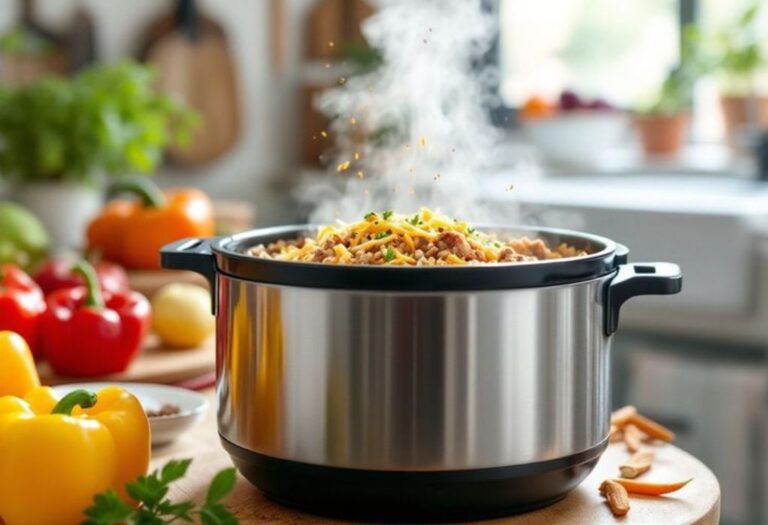
Slow cookers have a simple but effective design. A heating element, usually at the base or wrapped around the sides of the pot, warms up. This heat is transferred to the ceramic or stoneware pot that holds your food. The heat then cooks the food slowly over several hours. The design encourages gentle, even cooking, but the distribution isn’t always uniform. Different slow cookers have varying designs, which can impact heat distribution. Some models also have temperature sensors. The sensors monitor the internal temperature. This controls the heating element to maintain a specific temperature range. These features are designed to minimize hot spots.
- Heating Element Location: The location of the heating element is a significant factor. If it’s solely at the base, it can lead to higher temperatures at the bottom of the pot.
The bottom of the pot receives direct heat. This often results in faster cooking at the bottom. The sides of the pot cook slower. - Material of the Cooking Pot: The material of the pot affects heat distribution. Ceramic pots distribute heat more evenly than metal ones.
Ceramic pots provide better heat retention. These pots cook food at a more consistent temperature. The thicker the pot, the more even the cooking. - Presence of a Lid: The lid is crucial for trapping heat and moisture. A well-fitting lid is essential for consistent cooking.
The lid prevents heat from escaping. It keeps the temperature stable inside. If the lid doesn’t fit well, heat escapes. This can lead to uneven results. - Water Content: The amount of liquid in the slow cooker affects how the heat is distributed. Sufficient liquid is needed for steam circulation and even cooking.
Liquid absorbs and distributes heat. This helps prevent hot spots. If there isn’t enough liquid, food can burn or dry out.
Common Slow Cooker Challenges
One of the biggest problems is “hot spots.” They cause some parts of your food to cook much faster than others. This is particularly noticeable in dishes with a lot of solid ingredients. These uneven temperatures aren’t just frustrating; they can also affect the flavor and texture of your food. Food at the bottom burns. The top might not cook at all. Other issues include too much liquid, food sticking to the pot, or the lid not fitting properly. A few slow cookers have lids that don’t seal well. These all affect how well your meal turns out. Knowing these challenges helps you find solutions.
- Uneven Cooking: Hot spots result in some areas being overcooked while others remain undercooked. This creates an inconsistent texture.
Overcooked food can be dry or tough. Undercooked food is a risk to food safety. The lack of temperature consistency is a common complaint. - Burning at the Bottom: Direct contact with the heating element can scorch food at the base of the pot. This is often the first place burning happens.
Burning can ruin the flavor of the entire dish. It’s especially common with dishes containing sugar. - Dryness: Insufficient moisture can dry out ingredients. This happens if the lid doesn’t seal well, or there isn’t enough liquid in the recipe.
Dryness ruins the texture. The food becomes less enjoyable. This is common when slow cooking tough cuts of meat. - Food Sticking: Ingredients may stick to the sides and bottom of the pot. This can be challenging to clean and may affect cooking results.
Sticking food can burn. The dish might be harder to serve. Non-stick coatings help to reduce this problem.
How to Fix Slow Cooker Hot Spots Through Proper Food Placement and Recipes
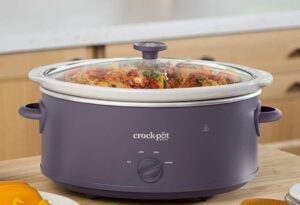
The good news is that you can significantly reduce hot spots. You can also get more even cooking by changing a few simple things. A well-designed approach often starts with how you put ingredients into the pot. You’ll also learn the best recipe tips and modifications. This means starting your meal off right! By understanding these strategies, you’ll be on your way to perfectly cooked meals every time. You can also adjust your recipes or your cooking style. You’ll gain practical knowledge that makes cooking easier.
Ingredient Placement for Even Cooking
The order in which you add ingredients matters. It plays a big role in preventing hot spots. If you put them in the wrong order, it causes the ingredients to cook at different rates. To ensure even cooking, you should focus on layers. The layers distribute heat effectively. You will also need to consider cooking times. If some ingredients take longer to cook than others, it can create problems. This also matters because it allows for ingredients to be fully cooked. Properly arranged ingredients often lead to the best results.
- Bottom Layer: Start with ingredients that take the longest to cook and won’t burn easily. This creates a buffer.
Root vegetables like carrots and potatoes are good choices. They cook slowly and absorb heat well. This prevents scorching at the base. - Middle Layer: Place your meat or other protein in the middle. This ensures even cooking.
Position the protein above the slower-cooking vegetables. This allows for even heat distribution. Make sure to use enough liquid to cover everything. - Top Layer: Add ingredients that cook quickly at the top. Delicate vegetables or herbs should go on top.
These ingredients cook from the steam and heat. This prevents overcooking. Add the liquid over all ingredients. - Liquid Distribution: Ensure the liquid covers most of the ingredients. This helps with heat distribution and prevents burning.
The liquid should be enough to cover the vegetables and meat. Stir the ingredients gently before cooking. This ensures even coverage.
Recipe Adjustments for Consistent Results
Sometimes, the recipe itself might need a little tweaking. Adapting your recipe can make a huge difference. You can fix some problems simply by modifying the ingredients or the cooking time. You can also try using the right slow cooker size for your recipe. This prevents overcrowding and lets the food cook evenly. These methods work well. Experimentation is the key to mastering slow cooking. This section will guide you through the process, providing strategies to improve your cooking experience.
- Recipe Modifications: Consider modifying recipes. You might add ingredients at different times to control cooking times.
Add ingredients with shorter cooking times later in the process. This prevents them from overcooking. You can also pre-brown meat before adding it to the slow cooker. - Liquid Adjustments: Make sure you have enough liquid. This is crucial for distributing the heat.
If the recipe doesn’t call for enough liquid, add a bit more. This helps prevent burning and promotes even cooking. You can use broth or water. - Slow Cooker Size: Use the right size slow cooker for your recipe. Overcrowding can lead to uneven cooking.
If the slow cooker is too large, the food won’t cook well. The food needs to be close enough to the heating element. It also needs enough liquid. - Fat Content: The fat content of your ingredients influences the final result. Fat adds flavor and helps prevent food from drying out.
If the recipe calls for lean meat, add a little oil or butter. This helps the food stay moist. You can also trim the fat from the meat.
Effective Slow Cooker Techniques for Even Heating
Beyond ingredient placement and recipe adjustments, several cooking techniques can help. These techniques focus on improving heat circulation and preventing hot spots. From stirring food at key times to using specific accessories, you’ll discover new methods to enhance your slow cooking. The goal is simple: to make sure every bite of your meal is perfect. Learning these techniques also improves the entire slow-cooking process. You’ll be on your way to creating delicious, evenly cooked meals.
Stirring and Rotating During Cooking
One of the easiest ways to fix hot spots is to stir the food during the cooking process. Stirring helps to distribute the heat evenly. It also prevents ingredients from sticking to the bottom. Rotating food in the pot is another effective strategy. It ensures that all sides of the food cook at a similar rate. These practices aren’t about constant supervision. It is about a little bit of work that will greatly improve your results. This also helps you get better results. By taking a few extra steps, you can avoid a range of issues.
- Stirring Frequency: Stir the food periodically during the cooking process. This helps distribute heat.
Stirring helps prevent food from sticking to the bottom. It also ensures that all ingredients cook evenly. Stir after a couple of hours. - Gentle Handling: When stirring, use a gentle touch. This prevents the food from breaking down.
Use a wooden spoon or a heat-resistant spatula. Avoid stirring too vigorously, which can damage the ingredients. - Rotating Foods: Rotate large items like whole chickens or roasts during cooking. This ensures they cook evenly.
This allows all sides to be exposed to heat. This is especially helpful for large cuts of meat. - Timing: Adjust the stirring and rotating based on the recipe. Some recipes require more frequent stirring.
Stir more often at the beginning of the cooking time. Less often as the cooking progresses. Keep an eye on the food.
Using Accessories to Improve Heat Distribution
Several helpful accessories are available to assist you. These tools are designed to address the challenges that cause uneven cooking. Using the right accessories helps maintain the correct heat levels. You can also ensure uniform cooking for your meals. From elevated racks to special liners, each accessory plays a part in improving your slow-cooking experience. Using these tools gives you the tools you need to create perfect meals.
- Elevated Racks: Place an elevated rack at the bottom of the slow cooker. This lifts food off the heating element.
The rack creates space for heat circulation. This helps prevent burning at the bottom. Use it with delicate foods. - Slow Cooker Liners: Using liners makes cleanup easier. They can also help with even cooking.
Liners create a barrier between the food and the pot. They prevent food from sticking and burning. This provides a more even cooking environment. - Temperature Probes: Use a temperature probe. It will let you keep track of the internal temperature of your food.
This provides precise temperature monitoring. You can avoid overcooking or undercooking. You’ll know exactly when your meal is done. - Diffusers: Some slow cookers come with diffusers or heat shields. They help distribute the heat more evenly.
Diffusers go between the heating element and the pot. This protects the pot from direct contact. This also helps with even cooking.
How to Prevent Slow Cooker Hot Spots Through Maintenance
You can also use maintenance to help your slow cooker cook evenly. Regular cleaning and care keep your appliance in top condition. This is a very important part of how your slow cooker works. You should also consider the age and condition of your slow cooker. This ensures it continues to perform well. Following these methods, you’ll be able to extend the life of your appliance. Maintenance is also vital to keep your meals consistently delicious. These are steps that anyone can easily follow.
Regular Cleaning and Care
A clean slow cooker works much better. Food residue or buildup can affect the way it heats. This can lead to uneven cooking. Regular cleaning ensures that the heating element functions correctly. It also ensures that your appliance heats evenly. These cleaning methods help keep your slow cooker safe. Proper care is simple but vital. It contributes to your slow cooker’s ability to maintain a consistent temperature. These methods are easy to follow.
- Cleaning After Each Use: Always clean your slow cooker after each use. Remove any food residue.
Use warm, soapy water. Rinse the pot thoroughly. Make sure it is completely dry before storing it. This prevents food from sticking. - Cleaning the Heating Element: Carefully clean the heating element. Remove any food that might have spilled.
Wipe the heating element with a damp cloth. Make sure the appliance is unplugged before cleaning. Don’t use abrasive cleaners. - Lid Care: Clean the lid. A clean lid ensures that it seals properly. This is crucial for even cooking.
Clean the lid with warm, soapy water. Check the lid seal for damage. A good seal prevents heat from escaping. - Inspection: Regularly inspect the appliance for any damage. Check the power cord and the pot for cracks.
If you find any damage, stop using the slow cooker. Get it repaired or replaced. This ensures safe and effective operation.
Addressing Older Slow Cooker Issues
As slow cookers age, they may develop issues that affect cooking performance. You can still maintain good cooking results with an older model. You can often make adjustments to your cooking methods. These actions often help to even out any uneven heating. By paying attention to these areas, you can keep your appliance working at its best. This section aims to provide practical advice. This will let you keep on enjoying your slow cooker for many years. It doesn’t matter how old your slow cooker is.
- Age and Performance: Older slow cookers may not heat as efficiently. This can lead to uneven cooking.
Be prepared to adjust cooking times. You might also want to experiment with different recipes. Older appliances may also have hotspots. - Lid Integrity: An old or damaged lid can affect the cooking process. A poor seal can cause heat to escape.
Check the lid for cracks. Make sure it fits securely. Consider replacing the lid. - Temperature Settings: Some older models may not hold temperatures accurately. They may not have precise controls.
Use a meat thermometer to monitor the internal temperature. This ensures your food cooks properly. Choose a lower setting if needed. - Maintenance Check: Regularly check your appliance. Make sure the cord isn’t frayed. Also make sure the heating element is working.
If there are any issues, consider getting it serviced. If it can’t be fixed, it might be time for a new slow cooker.
Frequently Asked Questions
Question: Why does food sometimes burn at the bottom of my slow cooker?
Answer: Burning at the bottom often happens because the heating element is directly at the base of the pot. Direct heat can be intense. The recipe might not have enough liquid. Over time, residue can build up, intensifying the heat. Always follow recipe instructions and consider using an elevated rack.
Question: Is it okay to open the lid while cooking?
Answer: It’s best to avoid opening the lid. Each time you lift the lid, heat escapes. This will lengthen your cooking time. If you need to check the food, do it quickly and replace the lid promptly. Opening the lid during cooking can affect the cooking process.
Question: Can I put frozen food directly into my slow cooker?
Answer: It’s not recommended to put frozen food directly into your slow cooker. It can cause uneven cooking. Frozen food can take longer to reach a safe internal temperature. This can lead to food safety risks. Thaw food before slow cooking for best results.
Question: How can I prevent my slow cooker from overflowing?
Answer: To prevent your slow cooker from overflowing, don’t overfill it. Always follow the recipe’s recommended capacity. Don’t add too much liquid. If the recipe calls for a lot of liquid, start with less. You can always add more as needed. Stirring frequently can also prevent overflows.
Question: How do I know if my slow cooker is too old and needs replacing?
Answer: Check your slow cooker for any cracks or damage. Test the appliance’s temperature accuracy with a thermometer. If the temperature is off, or if you notice uneven cooking consistently, it may be time for a new one. Also, check the power cord for damage and replace it if frayed. If the appliance has been in use for many years, you might want to replace it for safety.
Final Thoughts
Learning how to fix slow cooker hot spots doesn’t have to be hard. By simply understanding how your appliance works, you can easily get great results. Proper ingredient placement and recipe adjustments are important. Remember to stir the food. Also consider using accessories to help. Always practice regular maintenance to help your cooker. With these easy steps, you can create delicious, evenly cooked meals every time. So, explore and experiment, and your slow cooker will be your go-to kitchen tool for effortless and perfect cooking! Enjoy your cooking!

I’m Emma J. Caldwell, the founder, lead writer, and home-cooking enthusiast behind KitchenGuideCo.com. With a background in culinary arts and over a decade of cooking experience in both professional and personal kitchens, I created this platform to demystify recipes, offer smart kitchen gadget reviews, and guide readers through meal prep with confidence and clarity.