If you’ve ever struggled with a wobbly or loose lid on your slow cooker, you know the frustration. It’s a common problem for anyone using these handy kitchen appliances. The lid might not seal properly, leading to uneven cooking and potential messes. Don’t worry, though! How to fix slow cooker lid issues is often simpler than you think. This guide will walk you through easy steps to solve the problem and keep your meals delicious. Let’s get started!
Common Slow Cooker Lid Problems
Slow cooker lids can be tricky, and they often encounter issues that prevent them from sealing tightly. The most frequent issues stem from wear and tear, improper handling, or the simple fact that the lid might not fit the specific cooker model perfectly. Over time, the lid can warp, the seal can degrade, or it might just become loose due to frequent use and temperature changes. These problems can lead to steam escaping, which affects cooking times and food quality. Fortunately, most of these issues are solvable with a bit of troubleshooting.
Warped Lids and How They Happen
Warping is a common problem with slow cooker lids, often caused by extreme temperature changes. For instance, if you move the hot lid directly from the cooker to a cold countertop, the sudden change can cause it to bend out of shape. Another cause can be storing the lid improperly, like stacking heavy items on top of it. A warped lid won’t seal correctly, allowing steam to escape and potentially affecting the cooking process. Warping is most noticeable when you place the lid on the slow cooker, and it doesn’t sit flush against the rim.
- Thermal Shock: This happens when you move the lid from a hot environment to a cold one, or vice versa, too quickly. The rapid change in temperature causes the material to expand and contract unevenly, leading to warping.
- Improper Storage: Stacking heavy items on top of the lid can put undue pressure on it, bending it over time.
- Manufacturing Defects: Some lids might have inherent weaknesses in their construction, making them more prone to warping.
- Age and Usage: Over time, repeated exposure to heat and the wear and tear of everyday use can contribute to warping.
Damaged or Degraded Seals
The seal around the lid of your slow cooker is the unsung hero of the cooking process. It’s usually made of silicone or rubber, and its primary job is to create an airtight environment. This seal traps steam and heat, ensuring even cooking and preventing food from drying out. When the seal gets damaged or breaks down, it can be due to a number of factors, including high temperatures, exposure to harsh chemicals or detergents, and even physical damage during cleaning. A compromised seal is easily spotted by visual inspection, where the seal appears cracked, brittle, or distorted.
- Heat Exposure: Over time, the constant exposure to high temperatures can cause the seal to dry out, crack, or lose its elasticity.
- Harsh Cleaners: Using abrasive cleaners or detergents can damage the seal material, accelerating its breakdown.
- Physical Damage: Nicks, cuts, or tears in the seal can compromise its ability to create an airtight fit.
- Age: Like any other component, seals have a lifespan, and they will eventually degrade with regular use.
Ways to Repair a Loose Slow Cooker Lid
Sometimes, the lid isn’t warped, but it simply feels loose. This can happen if the cooker or the lid has been dropped, or if the lid has been subjected to a great deal of heat. It may also simply be that the lid doesn’t fit the cooker perfectly. When a lid is loose, it won’t seal properly, leading to steam escaping, which can affect the cooking process. Repairing a loose lid might involve simple adjustments or the need for a
Checking for the Correct Fit
Before doing anything else, it’s essential to confirm that you have the right lid for your slow cooker. It might seem obvious, but it is easy to mix up lids, particularly if you have more than one slow cooker or if you’ve recently replaced the lid. A lid that’s slightly the wrong size or shape won’t fit well and will likely leak steam. Carefully examine the lid and the slow cooker, checking to see if it is the correct lid for the model. Make sure the lid sits flush on the cooker’s rim. If it doesn’t, this may be your primary problem.
- Model Number Match: Locate the model number on your slow cooker and check if it matches the one specified for the lid.
- Visual Inspection: Examine the lid’s shape and size to see if they align with the slow cooker’s opening.
- Gentle Placement: Place the lid carefully on the cooker. It should sit snugly without rocking or wobbling.
- Size Matters: If you bought a replacement lid, ensure it matches the original dimensions to guarantee a good fit.
Using Heat-Resistant Tape
Heat-resistant tape can be a great option for fixing a lid that’s slightly loose. This type of tape is designed to withstand high temperatures and to create a good seal. This can prevent steam leakage, which helps in the cooking process. Before applying the tape, clean the rim of the slow cooker and the underside of the lid with a gentle cleaner to remove any grease or food residue. This allows the tape to adhere properly. Applying the tape to the underside of the lid will help it sit securely on the cooker. Always make sure the tape is heat resistant, or it might melt during use.
- Cleaning Surface: Before applying, make sure both the lid and cooker’s rim are clean and dry. Any residue can interfere with the tape’s adhesion.
- Precise Application: Apply the tape evenly around the perimeter of the lid or cooker rim. Overlap the ends slightly to ensure a complete seal.
- Heat-Resistant Type: Only use tape specifically designed to withstand high temperatures. Regular tape will melt and create a mess.
- Check for Leaks: After applying the tape, place the lid on the cooker and test for any steam leaks during cooking.
Replacing the Lid Seal
If the lid seal is the problem, replacing it is often a good solution. New seals are often easy to find and can breathe new life into an older slow cooker. Many slow cookers have a removable seal, which can be easily detached and
- Seal Type: Identify the type of seal your slow cooker uses. Some are round, others are flat, and some are built into the lid itself.
- Measurements: Measure the length and thickness of the old seal to ensure a correct fit.
- Secure Placement: Make sure the new seal sits firmly in its groove or around the lid to create an airtight seal.
- Test Run: After installing the new seal, cook something to check for leaks and ensure the lid seals properly during use.
Advanced Methods and Troubleshooting Tips
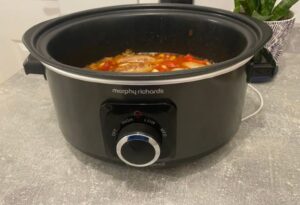
If basic fixes don’t work, more advanced methods might be needed. Sometimes, the problem is more complex than a simple loose lid or a degraded seal. Troubleshooting and other techniques might be needed. This part will discuss more involved options to deal with challenging slow cooker lid issues.
Assessing Warping and Bent Lids
If your lid is warped, it is going to need special attention. A bent lid won’t seal correctly, and it is going to require more than tape. If the warping is minor, you might be able to gently reshape the lid. You can try to apply some pressure to the lid and carefully bend it back into its original shape. For more severe warping, replacing the lid is usually the best option. Remember, even if you can improve the lid slightly, it will not work as well as a new one.
- Visual Check: Place the lid on a flat surface to see the extent of the warping.
- Gentle Bending: Try to gently bend the lid back into shape. Use caution, as you can damage it further.
- Heat Application: Sometimes, applying low heat to the lid can make it more pliable, but this needs to be done carefully to avoid further damage.
- Expert Opinion: For severe warping, it’s best to consult a professional or consider replacing the lid.
Using Alternative Sealing Methods
There are some alternative ways to seal a slow cooker if the usual methods don’t work. Some people have found success using oven-safe silicone caulking. The caulking should be used with care, and it must be food-safe. Apply the caulking around the rim of the lid, making sure it seals tightly. Other methods can include using heavy-duty heat-resistant tape, or you may be able to find replacement lid seals. Always make sure the solution you choose is safe for food and is heat-resistant, so it does not damage your food or your cooker. The type of cooker may affect which solution will be successful.
- Silicone Caulking: Apply a thin, even bead of food-safe silicone caulking around the lid’s rim.
- Heat-Resistant Tape: Use a heavy-duty, high-temperature tape for a temporary solution.
- Specialized Gaskets: Some aftermarket gaskets are designed to improve the seal on older cookers.
- DIY Creativity: Some cooks use food-safe wraps to create a better seal.
When to Replace the Lid or the Whole Cooker
Sometimes, the best solution is to replace the lid or even the whole slow cooker. If the lid is severely damaged, warped, or if none of the above methods work, it’s time to consider a new lid. If the slow cooker itself is old, has other problems, or a replacement lid is unavailable, replacing the entire appliance may be more cost-effective. Sometimes, a new appliance might have better features, such as temperature controls. The decision depends on the extent of the damage, the availability of parts, and the age of the slow cooker.
- Extensive Damage: If the lid is cracked, shattered, or severely warped, replacement is recommended.
- Part Availability: Check if replacement lids are available for your slow cooker model.
- Cooker Age: If the cooker is very old, it might be time to upgrade to a newer model.
- Cost Analysis: Compare the cost of a new lid versus a new slow cooker.
Frequently Asked Questions
Question: What’s the best way to clean my slow cooker lid?
Answer: Wash your slow cooker lid with warm, soapy water after each use. Avoid abrasive cleaners or scouring pads that could damage the seal. Rinse thoroughly and let it air dry completely before storing it.
Question: Can I use a slow cooker lid on other types of pots?
Answer: It’s best not to use a slow cooker lid on other types of pots. The lids are designed specifically for slow cookers and might not fit securely on other cookware.
Question: How do I know if the seal on my slow cooker lid needs replacing?
Answer: Look for cracks, tears, or a loss of flexibility in the seal. If the lid doesn’t sit snugly or if steam escapes during cooking, it’s time to replace the seal.
Question: Can I put my slow cooker lid in the dishwasher?
Answer: Check your slow cooker’s manual, but most lids are dishwasher-safe. However, hand-washing with mild soap and water is recommended to extend the lid’s life.
Question: Where can I buy a replacement lid for my slow cooker?
Answer: You can often find replacement lids at the manufacturer’s website, appliance stores, or online retailers like Amazon. Make sure to check the model number for a perfect fit.
Final Thoughts
Dealing with a loose or problematic slow cooker lid can be frustrating, but knowing how to fix slow cooker lid issues gives you the power to keep making delicious meals. From checking the fit to trying heat-resistant tape or replacing the seal, there are plenty of easy fixes you can try. If all else fails, a new lid or even a new slow cooker may be the answer. These techniques can extend the life of your slow cooker. Taking good care of your lid and cooker is essential. Keep these tips in mind the next time your slow cooker lid isn’t sealing right. Now you can get back to creating those tasty dishes without worry!

I’m Emma J. Caldwell, the founder, lead writer, and home-cooking enthusiast behind KitchenGuideCo.com. With a background in culinary arts and over a decade of cooking experience in both professional and personal kitchens, I created this platform to demystify recipes, offer smart kitchen gadget reviews, and guide readers through meal prep with confidence and clarity.