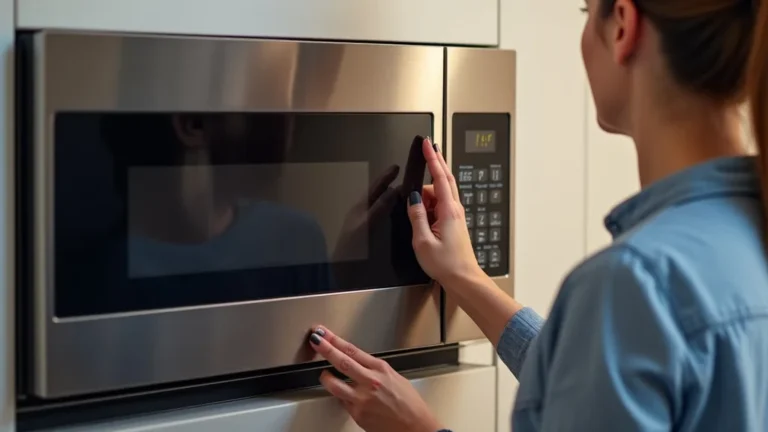
Do you ever pull out a steaming hot plate of food from the microwave, only to find some parts are still cold? Figuring out how to heat food evenly in microwave can be a real challenge for many people. It’s frustrating to deal with hot spots and icy centers! But don’t worry, it’s easier than you think. This guide will show you simple, step-by-step instructions and tips to solve this common food heating problem. You’ll soon be enjoying perfectly warmed meals every time. Get ready to learn how to master your microwave!
Key Takeaways
- Learn how to arrange food in the microwave for the best results.
- Discover the importance of using the right type of microwave-safe containers.
- Understand how to use different power levels for even heating.
- Explore the benefits of stopping and stirring food during the process.
- Find out how to estimate the perfect heating times for different foods.
Why Even Heating Matters: The Basics
The microwave oven is a staple in many kitchens. It provides a convenient way to cook or reheat food quickly. However, the way microwaves work can often lead to uneven heating. This means some parts of your food can be scorching while others remain cold. The microwaves, which are electromagnetic waves, work by exciting the water molecules present in food. These molecules absorb the energy and start vibrating, which causes the food to heat up. However, the microwaves don’t always distribute energy evenly. This results in the “hot spots” and cold areas that we often experience.
The goal is to ensure that all parts of the food receive a consistent amount of energy. Factors like the type of food, its shape, and the container you’re using all play a role in how evenly the food heats. By taking a closer look at these factors, you can dramatically improve the way your food warms up in the microwave. We will break down different methods and techniques for getting the most from your appliance, making your meals warm and ready to eat.
Understanding Microwave Technology
Microwaves are a form of electromagnetic radiation, a type of energy that travels in waves. The microwave oven generates these waves using a component called a magnetron. The magnetron converts electrical energy into microwaves. These microwaves then bounce around inside the oven, striking the food from all directions. The food absorbs the energy and converts it to heat. The primary principle is to get the water molecules in food vibrating, which in turn generates heat.
The effectiveness of this process depends on several factors. The shape and size of the food item can affect the way microwaves penetrate. For example, a thick piece of meat might heat unevenly compared to a thinner slice. Some foods contain more water molecules than others, and therefore, heat up faster. Foods that are denser also require more energy to heat compared to those with lower density. Using the right techniques can help overcome these challenges and achieve more even cooking results.
- Magnetron: The key component that generates microwaves, converting electrical energy.
- Electromagnetic Radiation: The type of energy emitted by the microwave, traveling in waves.
- Water Molecules: The main elements in food that absorb microwave energy, causing heat.
- Uneven Heating: The result of uneven microwave distribution, leading to hot and cold spots.
The Role of Wave Distribution
The design of a microwave oven is crucial for even cooking. Inside, there’s often a rotating turntable. This turntable helps the food move, so different parts of it are exposed to the microwaves at different times. The positioning of the magnetron and the shape of the oven cavity influence how the microwaves are distributed. Some ovens also use a diffuser to scatter the microwaves. These elements are designed to reduce the risk of hot spots and ensure a more even distribution of energy.
The placement of food in the oven is another important factor. For example, placing food in the center of the turntable ensures that it is exposed to the microwaves from all sides as the turntable rotates. If the food is placed too close to the sides, it might not receive energy as effectively. This can lead to uneven heating. To counteract this, it is necessary to consider the shape and size of the food items.
- Rotating Turntable: Ensures food moves to receive energy from all angles.
- Magnetron Placement: Influences the direction and distribution of microwaves.
- Oven Cavity Design: The shape of the inside of the oven affects microwave patterns.
- Diffusers: Used to scatter microwaves for more uniform heating.
Container Choices: Essential for Evenness
The container you use plays a significant role in how to heat food evenly in microwave. Not all containers are safe or suitable for microwave use. Choosing the correct type ensures that your food heats up properly and prevents potential hazards. Using the wrong container can lead to uneven heating or, in some cases, damage to your microwave or the container itself. Let’s delve into the safe and effective options you have to ensure a better heating experience.
Microwave-safe containers are specifically designed to allow microwaves to pass through them without absorbing the energy. This keeps the energy focused on heating your food rather than the container. Choosing the correct container is one of the easiest ways to improve heating results. There are also specific materials to avoid completely, as they can cause safety issues.
Identifying Microwave-Safe Materials
The most important thing is to make sure your containers are labeled “microwave-safe”. However, many materials meet this requirement. Glass, certain types of plastic, and some ceramics are generally safe choices. Glass containers, for example, allow microwaves to pass through, and the food heats up efficiently. Plastic containers labeled as microwave-safe are designed to withstand high temperatures without melting or releasing harmful chemicals into your food.
It’s important to pay attention to the specific type of plastic. Containers marked with the symbols such as “microwave-safe” are the safest bets. Ceramics that do not contain metal trim or paint are usually fine, but it is better to avoid any decorative elements. The goal is to choose a container that doesn’t interfere with the microwave’s function. This helps ensure even heating and keeps your food safe to eat.
- Glass: A transparent material ideal for microwaves.
- Microwave-Safe Plastic: Specifically designed for high-temperature use.
- Ceramics: Generally safe but avoid metal trim or decorative elements.
- Paper Products: Paper plates and towels are acceptable for short use.
Materials to Avoid
Some materials should never go in the microwave. Metal is a big no-no because it reflects microwaves. This can cause arcing, sparks, and damage to the oven. Aluminum foil, metal cookware, and dishes with metal rims pose significant hazards. Plastics that are not specifically labeled as “microwave-safe” can melt or release harmful chemicals into the food when exposed to high heat. Melamine, a type of plastic often used in dishes, also doesn’t perform well in microwaves.
Certain types of containers can trap moisture, causing food to steam unevenly or become soggy. For example, tightly sealed containers can build up pressure and potentially explode. When in doubt, it is always better to err on the side of caution. Review the container’s labels and markings to ensure its suitability for microwave use. Knowing which materials to avoid prevents accidents and keeps your meals safe and delicious.
- Metal: Reflects microwaves and can cause sparks.
- Non-Microwave-Safe Plastic: Can melt and release harmful chemicals.
- Foam Containers: Can melt or release chemicals.
- Containers with Metal Trim: The metal in the trim can cause sparking.
Techniques for Superior Heating
Beyond the correct containers, there are techniques that can greatly improve your chances of mastering how to heat food evenly in microwave. These methods focus on how you arrange your food, the power level you use, and the timing of the heating process. They also involve some hands-on steps, such as stirring and letting food rest, to ensure that the heat distributes uniformly. By understanding and applying these techniques, you’ll be able to enjoy perfectly heated meals.
The techniques work together to counteract the natural tendencies of microwaves to heat unevenly. Arranging food in a specific manner helps the waves reach all parts equally. Using lower power levels can slow down the heating process, allowing the heat to spread more gently. Stopping and stirring allows the food to redistribute heat as it cooks. These practical steps lead to noticeable improvements.
Food Arrangement and Spacing
How you arrange your food inside the microwave can have a big impact on heating. When reheating multiple food items, space them out. Don’t overcrowd the plate. Spacing allows the microwaves to reach each item more easily. If you are heating a plate of food, arrange the thicker portions towards the outside of the plate and the thinner parts toward the center. This way, the food should heat more uniformly. If there is a mix of foods, consider placing the food in a circle on the plate.
When reheating a single food item, like a slice of pizza, try positioning it in the center of the plate. This can reduce the chance of overcooking edges. If you have a bowl of soup, make sure to spread the soup across the bottom of the bowl. This helps distribute the heat more evenly. Small adjustments to the placement of food can make a big difference in the heating results.
- Space Food: Separate items to ensure even microwave exposure.
- Thicker Portions Outward: Arrange denser parts to the outer edges.
- Central Placement: Center single items to prevent edge overheating.
- Spread in Bowls: Distribute liquid foods, like soup, in a thin layer.
Power Level Adjustments
Microwave ovens often have different power levels. Using a lower power level can be helpful for more even heating, especially for delicate foods. Microwaves at lower power levels reduce the intensity of the microwaves. This slows down the heating process, giving the heat more time to spread throughout the food. Using this method is beneficial for reheating foods like sauces or casseroles, where overheating can easily occur.
High power levels are ideal for quickly heating certain foods. However, for many dishes, a medium or even a low setting yields better results. For instance, when reheating leftovers, you could set the microwave to 50% power. This enables the food to warm up gradually. When using lower power settings, the heating time may be longer. However, the end result is a more evenly heated meal with fewer hot spots.
- Low Power: Reduces microwave intensity.
- Medium Power: Suitable for delicate foods like sauces.
- High Power: Quick heating for some foods.
- Gradual Heating: Slows down the process for improved evenness.
Stopping, Stirring, and Resting
One of the most effective ways to ensure even heating is to stop the microwave partway through the cooking cycle and stir the food. This is particularly important for foods that have a lot of liquid or a mix of ingredients. Stirring redistributes the heat and prevents the formation of hot spots. After stirring, you can continue microwaving, often for another short period, before checking the food again.
After you remove the food from the microwave, letting it rest for a minute or two can also help with even heating. During this resting period, the heat continues to spread throughout the food, evening out any temperature differences. This is especially helpful for things like casseroles or lasagna. The internal temperature will continue to rise a little. Therefore, this allows the food to reach its desired level of warmth. This is why many chefs recommend this simple step.
- Stop and Stir: Redistributes heat in liquid and mixed foods.
- Check Regularly: Inspect food during heating for best results.
- Resting Period: Allows heat to continue to spread.
- Even Temperature: The final result is a consistent internal temperature.
Estimating Heating Times
Knowing how long to heat your food is just as important as the techniques mentioned above for mastering how to heat food evenly in microwave. There are a few key factors that influence heating times. Food type, quantity, and starting temperature are some of the primary variables that affect how long it takes for a dish to heat up. It may require a little experimentation to find the perfect heating time for your go-to meals, but the payoff is worth it.
The best way to determine the ideal heating time is to start with a short interval, check the food, and then add more time as needed. Avoid the temptation to set a long time and hope for the best. Overheating or uneven heating can result from this approach. By taking a more measured approach, you can avoid this and ensure that your food is warmed up perfectly.
Food Type and Density
Different foods respond differently to microwaves. Foods with a high water content, like soups or vegetables, generally heat up faster. Foods with high fat content may also heat quickly because fat absorbs heat well. Denser foods, such as thick cuts of meat or solid vegetables, take longer to heat up. This is because the microwaves have to penetrate the food more deeply. Knowing these differences can help you estimate appropriate heating times.
For example, a cup of soup might take only a minute or two to heat on high. A frozen casserole, on the other hand, could take several minutes at a lower power setting. Foods made of layers, like lasagna, may require more time and perhaps additional stirring during the process. The best approach is to start with the shortest recommended time and adjust accordingly. This helps prevent overcooking or uneven heating.
- High Water Content: Heats faster, such as soups and vegetables.
- High Fat Content: Absorbs heat well, resulting in fast heating.
- Dense Foods: Take longer to heat, like thick meats.
- Layered Foods: Lasagna or similar foods may require extra time.
Quantity and Portion Size
The amount of food you’re heating directly affects the heating time. A small portion will heat up much faster than a large one. This is because the microwaves have less food to penetrate. When heating multiple servings, it’s generally best to heat them separately or in small batches. This ensures that each portion gets adequately heated without overcooking any. Overcrowding can lead to uneven heating.
When heating a single portion, consider its size and thickness. A thin slice of pizza will need less time than a thick piece of chicken. The container you use also plays a role. A shallow dish will heat more quickly than a deep bowl. As a rule, it is always wise to begin with a shorter heating time. Check the food and add more time as needed. This approach reduces the chances of burning or uneven heating.
- Small Portions: Heat up much faster.
- Large Portions: Require longer heating times.
- Individual Servings: Heat them separately.
- Shallow Dishes: Heat up quicker than deep bowls.
Starting Temperature
The initial temperature of your food significantly influences the heating time. Food straight from the refrigerator will take longer to heat than food that is already at room temperature. This is because the microwaves need to first raise the food’s temperature. Frozen foods will need the longest heating times. In some cases, you may need to defrost them. This will require you to adjust the power settings. Starting with a lower power level is also better for thawing.
Before you begin, consider where the food is coming from. If the food is cold, add a little extra time and possibly some stirring. If the food is frozen, you will likely need to adjust the microwave settings to defrost it, and then to heat it. Keeping these factors in mind will help you determine the optimal heating time. It helps ensure that your food is warmed up to the desired temperature.
- Refrigerated Food: Requires more time to heat.
- Room Temperature: Heats up more quickly.
- Frozen Food: Needs defrosting and more heating time.
- Defrost Settings: Use this for frozen food.
Frequently Asked Questions
Question: Can I use metal in the microwave?
Answer: No, you should never use metal in the microwave. It can cause sparks and damage your appliance.
Question: What’s the best way to prevent hot spots?
Answer: Stirring and rotating your food during the heating process helps to prevent hot spots.
Question: How do I know if a plastic container is microwave-safe?
Answer: Look for the “microwave-safe” symbol, usually on the bottom of the container.
Question: Should I cover food when microwaving it?
Answer: Yes, covering food helps retain moisture and promotes more even heating. Use a microwave-safe cover.
Question: How do I defrost food in the microwave?
Answer: Most microwaves have a defrost setting. Use this to thaw frozen food slowly and evenly. Remember to flip the food halfway through the defrosting process.
Final Thoughts
Mastering how to heat food evenly in microwave takes a little practice. You can easily achieve consistently warm meals with a few simple steps. Start with the right containers, always choosing options made of glass, or microwave-safe plastic. Arrange your food intelligently, placing thicker items on the edges and spacing items apart. Remember to experiment with power levels, favoring medium or low settings for more delicate dishes. And most importantly, use the stop-and-stir technique. This helps prevent hot spots and ensures the heat spreads uniformly.
You now possess a comprehensive guide to enjoying perfectly heated meals from your microwave. Start applying these tips today. You’ll be amazed at how quickly you can improve your cooking and reheating results. Embrace these simple tips, and you will greatly enhance your kitchen experience. Happy microwaving!

I’m Emma J. Caldwell, the founder, lead writer, and home-cooking enthusiast behind KitchenGuideCo.com. With a background in culinary arts and over a decade of cooking experience in both professional and personal kitchens, I created this platform to demystify recipes, offer smart kitchen gadget reviews, and guide readers through meal prep with confidence and clarity.