A plate of leftover lasagna comes out of the microwave hot in the center but rubbery around the edges. The cheese has lost its melt and the layers no longer taste like they did the night before.
Many people assume leftovers cannot taste fresh again but using the oven can restore texture and flavor without drying out the food.
Before reheating appliances became common families relied on the oven to warm yesterday’s meals slowly and evenly.
Gentle heat preserved moisture and brought back crispness that a microwave could not replicate. This classic method is still the most reliable way to reheat foods that need both softness and structure.
Understanding how to heat leftovers in the oven turns reheating from a chore into a way to enjoy food twice.
Instead of settling for soggy or dried out meals the oven helps return dishes close to their original taste. With simple adjustments leftovers can feel freshly cooked all over again.
Why Use an Oven Instead of a Microwave for Leftovers
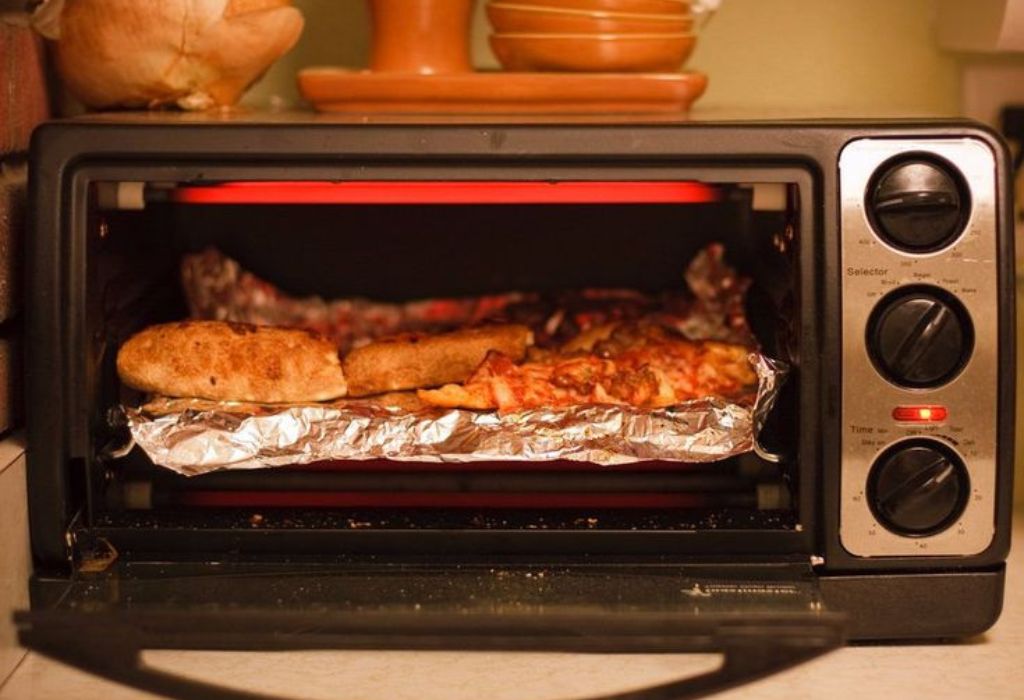
An oven reheats food slowly which allows heat to spread evenly from edge to center. This prevents the hot and cold spots commonly caused by microwaves. Gentle heating also protects texture and moisture.
Microwaves create steam pockets that can make bread chewy and meat rubbery. The oven uses dry heat allowing surfaces to crisp and maintain structure. Foods like pizza and fries benefit from restored crunch.
Reheating in the oven avoids rapid temperature changes. Sudden high heat can tighten proteins in meat and cause dryness. Slow warming preserves tenderness and flavor balance.
Using the oven gives more control over timing and temperature. Adjustments can be made depending on food type and portion size. This flexibility creates reliable results across different meals.
While the oven takes longer the quality difference is noticeable. Food feels freshly prepared rather than reheated. Choosing the oven often leads to better overall eating experience.
Ideal Oven Temperature for Reheating Leftovers
Most leftovers reheat best at a temperature between 150 and 180 degrees Celsius. This range warms food thoroughly without burning or drying the surface. Higher temperatures may cook rather than reheat.
Delicate foods such as rice pasta and casseroles prefer the lower end of the range. Slow heating prevents drying and protects internal moisture. Covering with foil helps trap steam and maintain softness.
Crispy foods benefit from the higher end of the range. Items like pizza and roasted vegetables regain crunch without becoming hard. Removing foil near the end finishes texture evenly.
Preheating is important because food should enter a stable environment. Placing leftovers in a cold oven extends heating time and affects final texture. Consistent heat ensures more predictable results.
Using an oven thermometer helps confirm accuracy. Built in gauges may be off depending on age and usage. Stable temperature improves safety and reheating quality.
What is the best temperature for reheating leftovers?
Most foods warm well between 150 and 180 degrees Celsius depending on texture.
Can I heat leftovers at a higher temperature?
Higher heat may dry the food or burn the edges so slower warming is safer.
Do delicate foods need lower temperatures?
Yes lower heat protects moisture in rice pasta and casseroles.
Should crispy foods be reheated hotter?
Yes slightly higher heat restores crunch without drying the inside.
Is preheating necessary?
Yes starting with a stable temperature ensures even reheating throughout.
How Long to Heat Different Types of Leftovers in the Oven
Most leftovers need between ten and twenty five minutes depending on portion and density. Thicker foods require more time for heat to reach the center. Smaller servings warm more quickly and evenly.
Casseroles and baked dishes usually take fifteen to twenty minutes. Covering the top keeps moisture inside while the interior warms slowly. Removing foil near the end restores surface texture.
Pizza heats in about eight to ten minutes directly on a baking sheet. Higher heat brings back crispness without burning the crust. Adding a few extra minutes depends on desired crunch.
Meats should be reheated until steaming hot throughout. Time varies based on thickness and whether bones are present. Using a thermometer confirms safe temperature.
Checking halfway prevents overbaking. Stirring or rotating helps distribute heat evenly. Adjustments ensure better results for different meals.
Using Foil to Prevent Drying While Reheating
Covering leftovers with foil traps steam and prevents moisture loss. This is especially helpful for rice pasta chicken and casseroles. Steam softens the food as it warms and protects from direct dry heat.
Foil creates a barrier that slows surface browning. Removing it near the end allows finishing without drying the interior. This step balances tenderness and flavor.
Avoid sealing foil tightly against wet ingredients. Condensation may drip and make food soggy. Leaving space above the surface allows steam to circulate gently.
Using foil protects cheese from drying out. Dishes like lasagna and macaroni retain creamy texture and smooth melt. Exposure too early may cause tough or rubbery top layers.
Not all foods require foil during reheating. Crispy items benefit from open heating to restore crunch. Matching foil use to food type improves reheating results.
Should I cover leftovers with foil?
Yes covering prevents drying and helps maintain moisture during oven reheating.
When should foil be removed?
Remove during the final minutes to finish the surface without drying the inside.
Can foil make food soggy?
Yes if sealed tightly condensation may drip so leave space above the food.
Does foil help with cheesy dishes?
Yes it protects cheese from drying and keeps texture creamy during reheating.
Should crispy foods be covered?
No crispy items should remain uncovered to restore crunch effectively.
Best Way to Reheat Pizza in the Oven
Placing pizza directly on a baking tray helps restore crispness. Heat transfers through the base and prevents soggy crust. Using higher temperature around 180 degrees Celsius improves texture.
Avoid using foil when reheating pizza. Trapped moisture softens the crust and reduces crisp quality. Open heating allows steam to escape naturally.
Reheating takes about eight to ten minutes depending on thickness. Adding extra time slightly increases crunch without burning. Monitoring prevents overbrowning on the cheese.
Using parchment paper makes cleanup easier. It prevents sticking without trapping steam. This method works well for multiple slices.
Pizza reheated in the oven tastes close to freshly baked. Texture improves significantly compared to microwave reheating. The crust remains firm and toppings warm evenly.
How to Reheat Fried Foods in the Oven
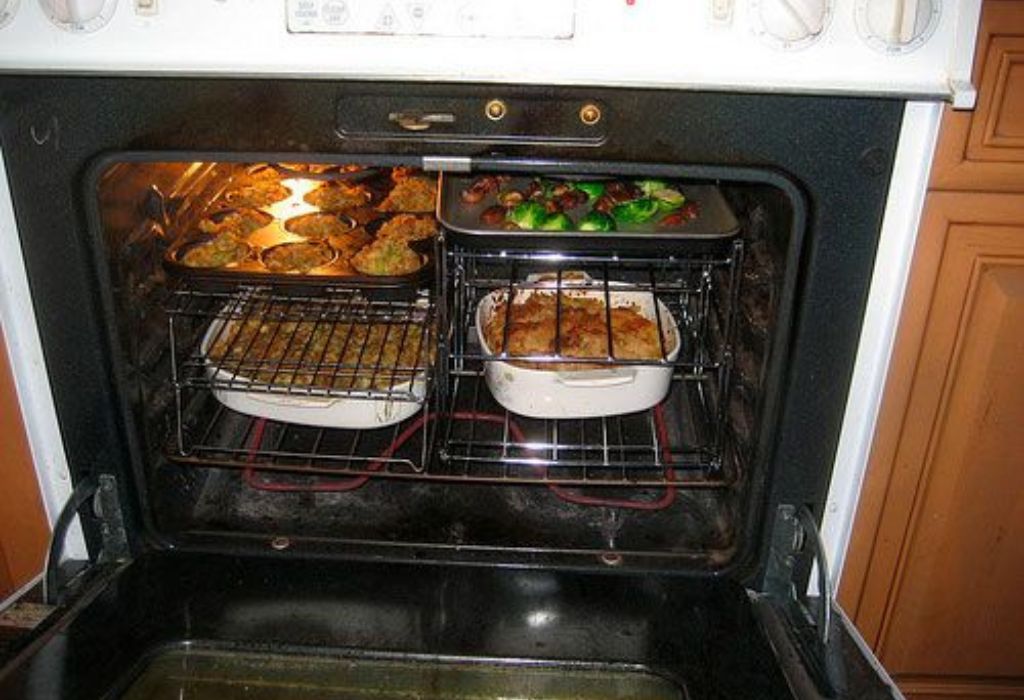
Fried foods require dry heat to regain crispness without becoming greasy. Placing them directly on a wire rack allows air to circulate around the surface. This prevents sogginess that occurs when food sits flat on a baking sheet.
Preheating the oven to around 180 degrees Celsius works best for fried textures. Lower heat may warm the inside but leave the coating soft. Higher temperatures risk burning before the food heats evenly.
Avoid covering fried foods with foil during reheating. Foil traps steam which softens the crust and reduces crisp quality. Leaving items uncovered maintains a light and crunchy exterior.
Turning pieces halfway ensures even reheating from both sides. This prevents hot spots and uneven drying in thicker items. Rotation helps restore texture while keeping the interior moist.
Lining the tray with parchment prevents sticking without trapping moisture. Paper allows excess oil to absorb slightly without softening the coating. This keeps fried food crisp while reheating safely.
Reheating takes about eight to fifteen minutes depending on thickness. Checking early prevents overbaking or darkening on edges. Allowing a brief rest after reheating helps the coating stabilize.
How to Reheat Casseroles and Baked Dishes
Casseroles contain mixed textures that require careful reheating. Covering the dish with foil retains moisture and prevents drying. Heat should be set toward the lower end of the recommended range.
Reheating usually takes fifteen to twenty five minutes depending on depth. Thick layers need more time for heat to penetrate fully. Stirring halfway may help for looser casseroles.
Adding a small amount of liquid can improve results. Broth milk or sauce restores moisture lost during storage. This prevents edges from becoming chewy or tough.
Avoid reheating casseroles at very high temperatures. High heat may dry out the top before the inside warms through. Slow heating works best for creamy or dense dishes.
Using an oven safe thermometer ensures safety. Internal temperature should reach steaming hot before serving. Even heating protects both flavor and texture.
Should casseroles be covered when reheating?
Yes covering keeps moisture inside and prevents the top from drying too quickly.
How long do casseroles take to reheat?
Most require fifteen to twenty five minutes depending on depth and portion size.
Can I add liquid before reheating?
Yes adding broth or sauce restores moisture and improves texture.
Why avoid high heat for casseroles?
High heat dries the surface before the center warms fully leading to uneven results.
Do casseroles need stirring?
Stirring halfway helps looser mixtures heat more evenly throughout.
Reheating Meat Safely in the Oven
Meat should be reheated slowly to preserve moisture. High heat tightens fibers and causes dryness. Low and steady warming maintains tenderness.
Covering meat with foil prevents loss of juices. This is especially useful for chicken beef and pork. Removing foil briefly allows browning without drying.
Adding a splash of broth keeps meat from becoming tough. Moisture helps conduct heat evenly through the surface. This method works well for sliced portions.
Reheating time varies based on thickness and preparation style. Bone in cuts take longer than boneless pieces. Using a thermometer ensures safe internal temperature.
Resting meat after reheating improves texture. Juices redistribute and prevent dryness when cutting. Serving immediately may release moisture too quickly.
How to Reheat Rice Pasta and Grains in the Oven
Rice and grains are prone to drying during reheating. Adding a small amount of water protects moisture levels. Foil covering traps steam and restores softness.
Pasta reheats best when sauce is included. Dry pasta may become brittle or rubbery without moisture. Mixing lightly before reheating improves consistency.
Reheating takes about ten to fifteen minutes depending on quantity. Stirring halfway prevents clumping and cold spots. Even heat helps maintain smooth texture.
Avoid reheating grains at very high temperatures. Gentle heat prevents tough or crusty edges. Slow warming supports better flavor and structure.
Using an oven safe dish improves results. Shallow containers heat more evenly than deep ones. Proper spreading reduces reheating time and ensures consistency.
Should I add water to rice before reheating?
Yes a small amount restores moisture and prevents dryness during reheating.
Does pasta need sauce when reheating?
Yes sauce protects texture and prevents pasta from becoming rubbery.
How long do grains take to reheat?
Most require ten to fifteen minutes depending on portion size and depth.
Why avoid high heat for rice?
High heat dries the surface and creates hard crusty areas.
Should grains be stirred halfway?
Yes stirring prevents clumping and promotes even heat distribution.
How to Reheat Bread and Baked Goods Without Drying
Bread reheats best at lower temperatures for short periods. Heat should be gentle to avoid hardening the crust. Using foil maintains softness inside the loaf.
Pastries benefit from slight uncovered reheating. This restores crispness without overheating fillings. Monitoring prevents burning delicate layers.
Adding moisture improves stale bread. Sprinkling water lightly before reheating softens texture. Foil traps steam and revives freshness.
Avoid microwaving bread for reheating. Rapid heating toughens gluten and turns bread rubbery. The oven provides controlled gentle warming.
Small rolls heat faster than large loaves. Checking early prevents overdrying. Removing foil near the end improves crust texture.
Using Oven Safe Containers for Reheating Leftovers
Choosing the right container prevents cracking and uneven heating. Glass and ceramic dishes work well because they distribute heat slowly. Avoid sudden temperature changes to prevent breakage during reheating.
Metal trays heat quickly and help restore crisp textures. They are ideal for pizza fries and baked items needing firmness. Using parchment prevents sticking without trapping steam.
Plastic containers should never go into the oven. Even oven like temperatures can warp or release unsafe chemicals. Transferring leftovers to an oven safe dish protects both safety and flavor.
Covering with foil depends on food type and container depth. Deep dishes hold heat longer and may require venting to prevent steaming. Shallow pans warm faster and usually need less coverage.
Avoid placing cold glass directly into a hot oven. Gradual temperature increase prevents thermal shock and cracking. Letting the dish rest before reheating improves durability and safety.
Using correct container shapes improves heat circulation. Spreading food in a single layer reduces reheating time and maintains texture. Proper dish choice creates consistent and predictable results.
Avoiding Common Reheating Mistakes in the Oven
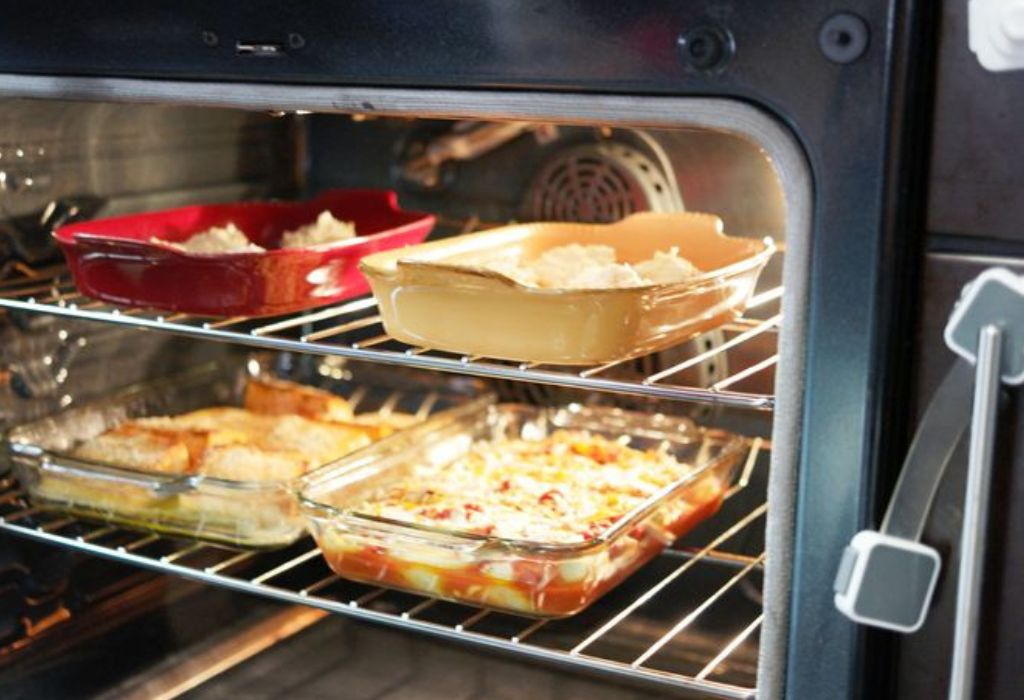
Using too high a temperature is one of the most frequent errors. High heat cooks rather than reheats and removes moisture quickly. Lower settings keep food tender and flavorful.
Skipping foil leads to dryness in many leftovers. Without protection heat draws moisture out of delicate foods. Covering prevents tough edges and uneven texture.
Placing cold dishes in the oven without preheating extends warming time. Temperature rises slowly and affects final quality. Preheating ensures predictable results.
Leaving food uncovered for the entire time changes texture. Some foods require combination heating to balance crispness and softness. Adjusting midway improves consistency.
Reheating for too long causes overbaking. Food may shrink dry or lose flavor intensity. Checking early helps avoid unnecessary heat exposure.
Conclusion
Heating leftovers in the oven restores moisture texture and flavor more effectively than rapid reheating methods.
Gentle heat allows food to warm evenly from edge to center without drying. Using foil temperature control and timing adjustments creates results that feel close to freshly cooked meals.
Different foods benefit from different reheating techniques. Pizza regains crispness uncovered while casseroles need steam protection under foil. Adding small amounts of liquid and using proper dish placement prevent common problems.
Learning how to reheat leftovers in the oven transforms yesterday’s meals into enjoyable dishes again. With simple steps and careful attention the oven becomes a reliable tool for preserving quality. Understanding these methods ensures consistent satisfying results every time.

I’m Emma J. Caldwell, the founder, lead writer, and home-cooking enthusiast behind KitchenGuideCo.com. With a background in culinary arts and over a decade of cooking experience in both professional and personal kitchens, I created this platform to demystify recipes, offer smart kitchen gadget reviews, and guide readers through meal prep with confidence and clarity.