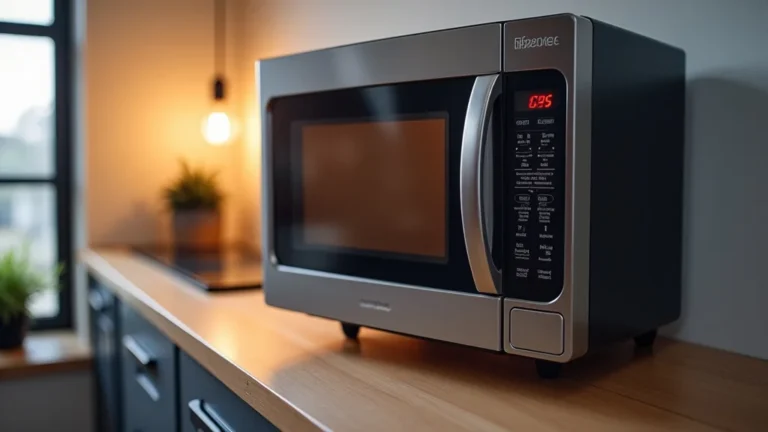
It’s super common to wonder how to increase microwave life. Microwaves get a lot of use, and keeping them working well is something most people want. Sometimes, it feels tricky figuring out how to do it right. But don’t worry! This guide will break down the process into easy-to-follow steps. We’ll explore simple habits and maintenance tips that will help your microwave last longer and work better. Get ready to learn some straightforward strategies.
Key Takeaways
- Regular cleaning is essential to prevent food buildup and electrical issues.
- Proper usage, like avoiding metal and running the microwave empty, protects it.
- Inspecting the microwave regularly can help catch problems early.
- Knowing what to look for can help you identify a failing component.
- Correcting issues, such as replacing parts or using the right wattage, prolongs its use.
- Taking the proper precautions can reduce unnecessary microwave replacements.
Ways to Improve Your Microwave’s Life
Every household depends on a microwave for quick meals and heating leftovers. However, like any appliance, a microwave’s lifespan is limited, affected by how it’s used and maintained. This section aims to explain the basic practices to help preserve your microwave. From everyday actions to proper handling, this part goes through how to avoid common mistakes that lead to an early demise. Explore how regular cleaning and mindful usage can directly impact the appliance’s life. We will also examine how to identify potential problems early on. This will help you keep your microwave in great condition.
Keep It Clean: Proper Cleaning
A clean microwave isn’t just about appearances; it’s a key part of ensuring it works well for a long time. Food splatters and spills can lead to electrical issues or even cause the microwave to stop working. Regular cleaning can prevent these problems. If food debris gets inside the microwave, it can burn or cause uneven heating. Cleaning the inside of the microwave is crucial for both its functionality and for hygiene. Cleaning a microwave is a pretty simple process, so make sure to include it in your regular routine.
- Clean After Every Use: Wiping up spills right after they happen prevents the food from baking on and becoming harder to remove.
- Gentle Cleaning Agents: Use a mild dish soap and warm water. Avoid harsh chemicals that could damage the interior.
- Rotating Plate: Take out the glass plate and wash it separately. Food can easily get stuck on the bottom.
- Ventilation: Wipe down the vent openings, as these can gather grease and dust.
Microwave Basics: Proper Usage
The way you use your microwave affects its lifespan. Using the microwave in the right way can prevent unnecessary wear and tear. One of the main things to remember is avoiding certain items that can cause sparks or fires. Following usage guidelines will help your microwave work correctly and for an extended time. Learning proper usage habits is like taking care of your car: It will pay off in the long run. In this section, we’ll talk about the items to avoid using and the techniques you need to have to use your microwave correctly.
- Avoid Metal Objects: Metal, including foil and silverware, can cause sparks and damage the microwave.
- Don’t Run Empty: Operating the microwave without anything inside can damage the magnetron, the part that produces microwaves.
- Use Microwave-Safe Cookware: Always use containers labeled “microwave safe.” These are designed to withstand the heat.
- Check Wattage: Check the power settings for different foods. Using the wrong settings can lead to issues.
Safety Matters: Preventing Damage
Taking a few safety steps can prevent serious issues. This involves knowing what to do in case of a problem, such as noticing smoke or strange sounds. Regular checks for wear and tear can help identify potential issues before they become bigger. This proactive approach saves on repairs and keeps you safe. Also, understanding what to do when something goes wrong is an important safety step. Here, we’ll cover key safety measures and what to do if you have any doubts. Keeping your microwave safe means keeping it running for a long time.
- Watch for Sparks: If you see sparks, stop the microwave immediately. Sparks often mean there is metal inside.
- Unusual Noises: Strange sounds, such as buzzing or humming, can signal a problem with the magnetron or other components.
- Smoke and Burning Smells: Shut down the microwave immediately if you smell burning or see smoke.
- Regular Inspection: Look for cracks, wear, and tear regularly. These can be early indicators of a problem.
Understanding Microwave Components
Knowing the main components of a microwave helps you maintain it and know what needs attention. The key parts work together to heat your food safely and efficiently. Understanding their functions and potential issues can help you diagnose problems and extend the appliance’s lifespan. By knowing how each part works, you can avoid problems and get the most out of your appliance. This section helps you understand the parts that make up a microwave. This awareness lets you identify issues and take necessary steps to extend its life.
The Magnetron: The Heart of the Microwave
The magnetron is the most important part of the microwave, generating the microwaves that cook food. This tube creates microwaves that heat your food. Over time, the magnetron can wear out due to overuse or overheating. This can cause the microwave to heat food unevenly or stop working altogether. If the magnetron fails, you may need a new microwave or an expensive repair. Understanding the role of the magnetron and how to avoid overheating can help preserve your microwave. Checking it for damage or irregular function is essential for the microwave’s lifespan. This helps you identify problems early on.
- Function: The magnetron generates microwaves using a vacuum tube.
- Common Problems: Overheating, wear, and tear, and failure over time.
- Signs of Trouble: Uneven heating, no heating, or a burning smell can indicate magnetron issues.
- Maintenance: Give the microwave a break, and avoid running it for extended periods.
The High-Voltage Transformer
The high-voltage transformer is responsible for increasing the voltage to power the magnetron. This component boosts the standard voltage to the levels needed for the magnetron to function. It converts the household voltage to a higher level. Transformers are built to withstand high loads, but they can fail over time due to wear and tear. Issues with the transformer can lead to other problems. If the transformer fails, the magnetron will not receive the power it needs, and the microwave will not work. Knowing the function of the transformer lets you spot potential problems and helps you diagnose electrical issues. The transformer is a hidden powerhouse that ensures the whole system works.
- Function: Boosts the voltage to power the magnetron.
- Common Issues: Burnout from overheating or electrical surges.
- Warning Signs: The microwave won’t heat, or you may hear a humming sound.
- Preventive Measures: Avoid using the microwave during power fluctuations.
Other Important Parts
Aside from the magnetron and transformer, other parts play essential roles in how the microwave works. These components work together to ensure that the microwave operates safely and efficiently. The waveguide, capacitor, and fuse each have a part in ensuring the overall performance of the microwave. Knowing about these additional components can help you troubleshoot issues. You’ll also have a greater understanding of how the appliance works. From safety features to power distribution, these parts are crucial for the microwave’s life. Focusing on them helps avoid common issues.
- Waveguide: Directs microwaves into the cooking chamber.
- Capacitor: Stores energy and releases it to power the magnetron.
- Fuse: Protects the electrical components from surges.
- Control Panel: Where you set the power and cooking time.
Troubleshooting Common Microwave Problems
Knowing how to troubleshoot common problems can help you save money on repairs and extend your microwave’s life. Simple diagnostics, such as checking for the right connections, can resolve many issues quickly. Often, the problems are simple, such as a loose connection or a blown fuse, that can be fixed easily. Learning to troubleshoot helps you avoid more serious damage. By taking action when you notice a problem, you can prevent small issues from turning into major repairs or needing to purchase a new appliance. This section provides the knowledge to address everyday microwave issues. It also helps you take the correct steps to keep your microwave in good shape.
No Power or Won’t Turn On
If your microwave has no power or doesn’t turn on, start by checking the power source. Problems in this area are usually easy to fix. The problem can range from a tripped circuit breaker to a damaged power cord. Checking the fuse can also solve the issue. Before you call for repairs, try these simple tests to check and restore power. Simple checks can often restore your appliance’s function without extra costs. Always unplug the microwave before you start looking for problems. This reduces any risk of electrical shock.
- Check the Outlet: Ensure the microwave is plugged in and the outlet works. Try another appliance to test the outlet.
- Examine the Cord: Look for damage, such as cuts or fraying. If the cord is damaged, replace it.
- Reset the Circuit Breaker: If the microwave trips the breaker, reset it and try again.
- Check the Fuse: The microwave has a fuse to protect it from power surges. Replace the fuse if blown.
Heating Issues
When the microwave doesn’t heat food properly, it could have several causes. Uneven heating can mean a problem with the magnetron or the waveguide. This means the microwaves aren’t being distributed correctly. If the food doesn’t heat at all, the issue could be a blown fuse or a problem with the transformer. Taking some time to identify the problem can help save the appliance. Problems such as improper heating or no heating usually have clear causes. Finding the issue can save you time and money on repairs. You can take action to fix the appliance and extend its life.
- Uneven Heating: Rotate food and check for a faulty magnetron or waveguide.
- No Heating: Check the fuse, the magnetron, or the high-voltage transformer.
- Check the Magnetron: A faulty magnetron can lead to insufficient heating.
- Check the Waveguide: A damaged waveguide can cause uneven heating.
Other Common Problems
Besides the main problems, other issues can pop up. Strange noises, such as humming or buzzing, may suggest the transformer is having problems. Sparks can indicate the presence of metal items or a damaged interior. These signs can help you identify a problem. Often, these issues can be resolved with simple repairs. Address these problems quickly to prevent further damage. Regularly check your microwave, and you can catch problems early and maintain its long-term health. Knowing what to watch for helps you respond quickly to small issues, averting major problems.
- Strange Noises: Humming may mean a faulty transformer, while buzzing can mean a failing magnetron.
- Sparks: Sparks indicate metal or a damaged interior; stop use immediately.
- Control Panel Issues: If the control panel isn’t working, check the connections or consider replacing it.
- Door Problems: A door that does not close or seal correctly might mean that you need to align the latch.
Practical Steps to Extend Your Microwave’s Life
Implementing practical steps into your daily habits can greatly extend your microwave’s lifespan. These actions include daily cleaning, correct usage, and being attentive to the appliance’s state. Making these a habit is similar to how you take care of any valuable item. The steps are simple, but their impact is huge in extending the life of your appliance. Doing these things can reduce the need for repairs. From simple maintenance to proactive measures, these steps can protect your microwave from everyday wear and tear. This helps you avoid future problems.
Regular Cleaning and Maintenance
Cleaning and maintenance are essential for extending the life of your microwave. Regular cleaning removes food particles that can damage the internal components and maintains hygiene. Regularly wiping down the interior and exterior of your microwave can prevent many problems. Regular checks for wear and tear can help identify issues before they worsen. Combining these methods ensures that the microwave functions safely and efficiently for an extended period. Creating a regular routine to maintain your microwave will pay off in the long run. By keeping it clean and doing regular maintenance, you’re investing in its long-term reliability.
- Clean Regularly: Wipe up spills immediately and clean the interior at least once a week.
- Deep Clean: Clean the interior every month to remove built-up grime.
- Inspect the Door: Check the door seals for damage, as a poor seal can affect heating.
- Check the Vent: Keep the vent clear of dust and debris to prevent overheating.
Proper Food Preparation
How you prepare your food in the microwave affects how long it lasts. Using the proper containers, avoiding metal, and covering food are vital for protecting your microwave. Selecting the proper dishes and lids can keep splatters away from the sides. This ensures that the components are not damaged. Proper food prep reduces wear and tear and preserves the microwave’s components. By doing this, you’re ensuring the appliance heats food safely and efficiently. By following these guidelines, you can protect the appliance from damage and avoid unnecessary repairs.
- Use Microwave-Safe Cookware: Always use containers labeled “microwave safe.”
- Cover Your Food: Use a lid or microwave-safe cover to prevent splatters.
- Avoid Metal: Never put metal items in the microwave.
- Check Wattage: Adjust the power settings for the food you’re preparing.
Safety Practices
Prioritizing safety practices is vital for both your health and the longevity of your microwave. The main focus is to prevent damage. This involves knowing what to do if you see sparks or smell a burning odor. Ensure all safety measures are followed, and take action when issues arise. By following these, you can reduce the need for repairs. This increases your peace of mind while using your appliance. Following safety measures can protect your investment and ensure it lasts a long time. These habits are essential for safe and lasting operation.
- Watch for Sparks: Stop use immediately if you see sparks.
- Monitor for Unusual Noises: Address any strange sounds that might indicate a problem.
- Check the Door Seal: Ensure the door seals properly.
- Unplug Before Cleaning: Unplug the microwave before you start to clean it.
Frequently Asked Questions
Question: How often should I clean my microwave?
Answer: Clean your microwave after each use to wipe up spills. Do a more thorough cleaning at least once a week.
Question: What’s the best way to clean the inside of my microwave?
Answer: Put a microwave-safe bowl with water and a tablespoon of vinegar inside, and run it for a few minutes. This will loosen the grime so you can wipe it easily.
Question: What do I do if my microwave starts sparking?
Answer: Immediately stop using the microwave. Check for metal items and damaged components. Don’t use it until you find and solve the problem.
Question: How can I tell if my microwave is overheating?
Answer: If you notice a burning smell, if the food is not heating evenly, or if the microwave shuts off automatically, it could be overheating. Let it cool down and check the vent.
Question: Is it safe to use my microwave if the door seal is damaged?
Answer: No, it’s not safe. A damaged door seal can allow microwaves to leak out. This means it needs to be repaired or replaced.
Final Thoughts
Keeping your microwave running well doesn’t have to be hard. By taking a few steps, you can greatly extend its life and get the most from it. Regular cleaning is a simple but important habit that keeps your appliance clean. Make it a habit to wipe down spills immediately. Proper usage is also key. Never put metal objects in your microwave. You should also use the right type of containers for heating food. Finally, watch for any problems. If you see smoke or hear strange noises, address the issue immediately. Following these guidelines will give you a microwave that works for a long time. Remember, a little care and attention can save you money and keep your kitchen running smoothly!

I’m Emma J. Caldwell, the founder, lead writer, and home-cooking enthusiast behind KitchenGuideCo.com. With a background in culinary arts and over a decade of cooking experience in both professional and personal kitchens, I created this platform to demystify recipes, offer smart kitchen gadget reviews, and guide readers through meal prep with confidence and clarity.